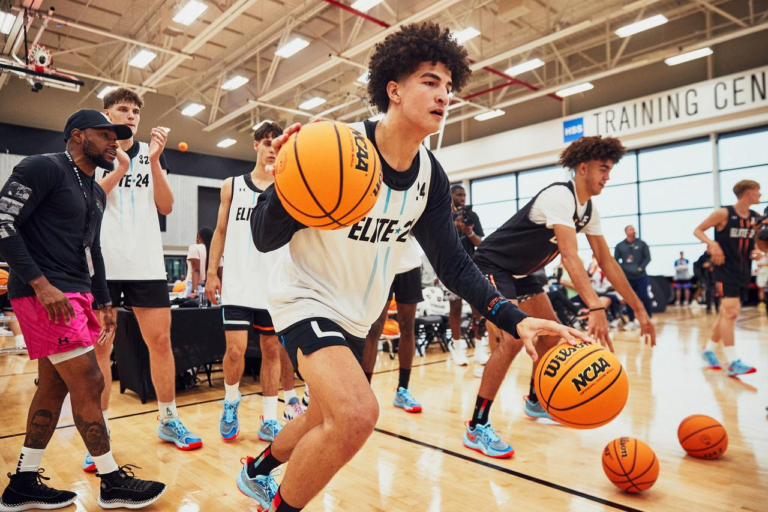
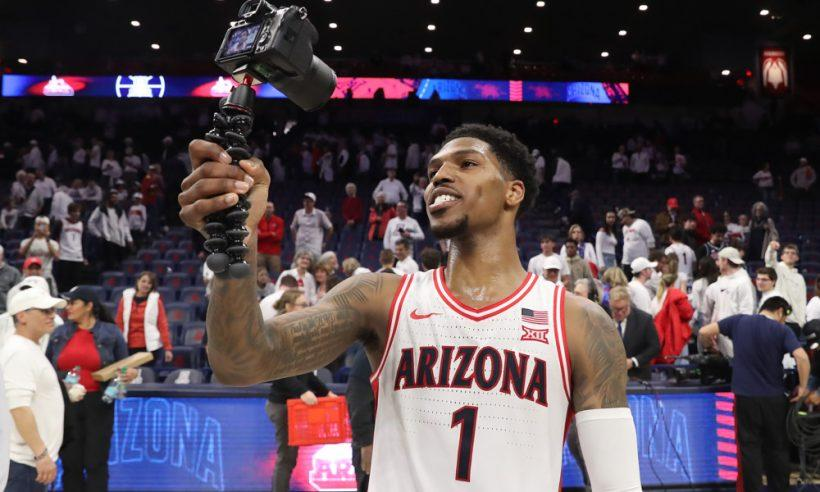
NCAA basketball is experiencing one of the most significant transformations in its history, driven by NIL opportunities, the transfer portal, conference realignment, and evolving governance. These changes are reshaping how players build careers, how coaches construct rosters, and how universities compete. Understanding this new era helps fans, athletes, and families better navigate the future of college basketball.
Introduction
For decades, NCAA basketball followed a relatively familiar model. Elite recruits committed to a school, many players stayed with one program throughout their college careers, coaches developed talent over multiple seasons, and fans built long-term connections with teams that often retained recognizable stars.
That landscape has changed dramatically.
Today’s college basketball is defined by player mobility, commercial opportunities, rapid roster turnover, and increasing financial influence. Name, Image, and Likeness (NIL) agreements have allowed athletes to earn income while competing. The NCAA transfer portal has made changing schools easier than ever. Conference realignment continues to reshape competitive balance, television contracts, and recruiting strategies.
These developments have created new opportunities while introducing new challenges.
For athletes, the system offers greater flexibility and financial independence. For coaches, roster management has become a year-round responsibility. For universities, success increasingly depends on balancing recruiting, player development, fundraising, and institutional resources.
Rather than representing a temporary shift, these changes appear to signal a long-term evolution in college athletics.
Why NCAA Basketball Looks Different Today
Several major developments have converged over the past few years.
Instead of relying on a single recruiting class every season, coaching staffs now manage multiple talent pipelines simultaneously.
Today’s roster may include:
- High school recruits
- Transfer portal additions
- International prospects
- Returning veterans
- Graduate transfers
- Walk-on contributors
This creates unprecedented flexibility but also demands constant evaluation.
The result is a college basketball environment that moves faster than ever before.
The Impact of NIL on College Athletes
The introduction of NIL rights fundamentally changed the relationship between athletes and college sports.
Players can now earn compensation through legitimate business activities, including:
- Brand endorsements
- Local advertising campaigns
- Social media partnerships
- Autograph signings
- Basketball camps
- Merchandise sales
- Personal appearances
For many athletes, these opportunities provide meaningful financial support while allowing them to develop professional skills beyond basketball.
Not every player signs six-figure endorsement agreements. In reality, many NIL deals involve local businesses, regional partnerships, or modest promotional work.
For example, a starting point guard at a major state university might partner with a local restaurant, sporting goods retailer, or community organization while continuing to focus on academics and athletics.
This represents a significant departure from previous NCAA rules that prohibited athletes from profiting from their personal brand.
The Transfer Portal Has Changed Team Building
Perhaps no development has affected coaches more directly than the transfer portal.
Roster construction has become an ongoing process rather than a once-a-year recruiting cycle.
Coaches now evaluate:
- Which players may transfer out
- Which transfers fit team needs
- Scholarship availability
- Immediate playing opportunities
- Team chemistry
- Academic compatibility
Programs that successfully combine recruiting with strategic transfer additions often gain a competitive advantage.
Instead of waiting several years for freshmen to develop, coaches can recruit experienced college players who have already proven themselves at the Division I level.
This can accelerate rebuilding efforts but may also reduce roster continuity.
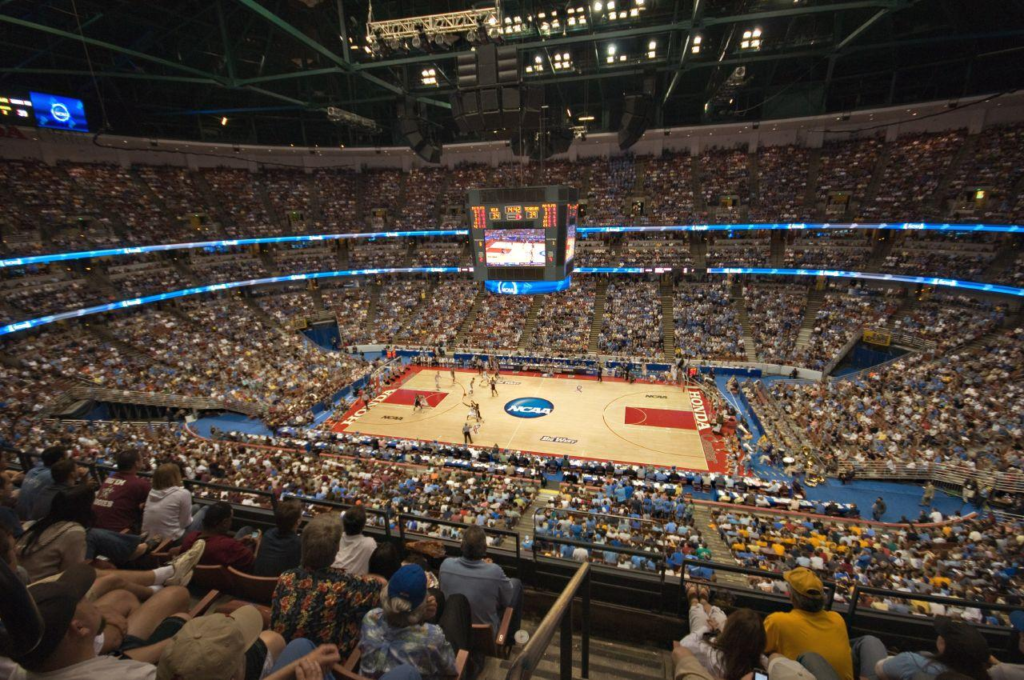
Recruiting Is Becoming More Complex
Traditional recruiting remains essential.
However, evaluating prospects now involves far more variables than athletic ability alone.
Coaches often consider:
- Long-term development potential
- Positional versatility
- Leadership qualities
- Academic performance
- Cultural fit
- Potential NIL expectations
- Likelihood of transferring
Families also evaluate schools differently.
Questions frequently include:
- What NIL opportunities exist?
- How stable is the coaching staff?
- How many transfers play this position?
- Will there be meaningful playing time?
- What professional development resources are available?
The recruiting conversation has become significantly broader than basketball itself.
How Coaches Are Adapting
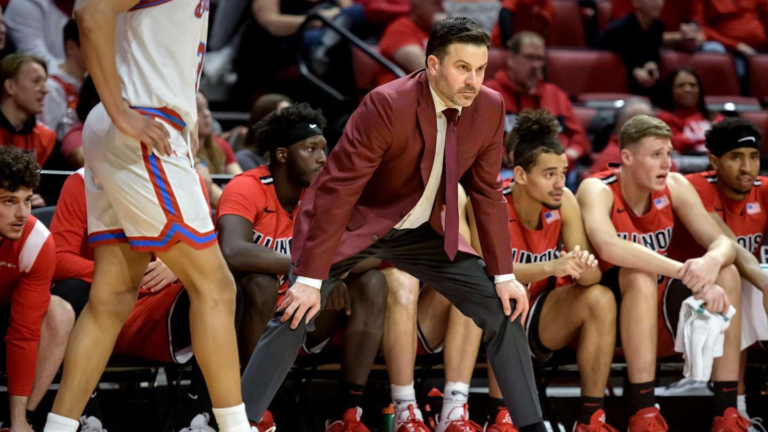
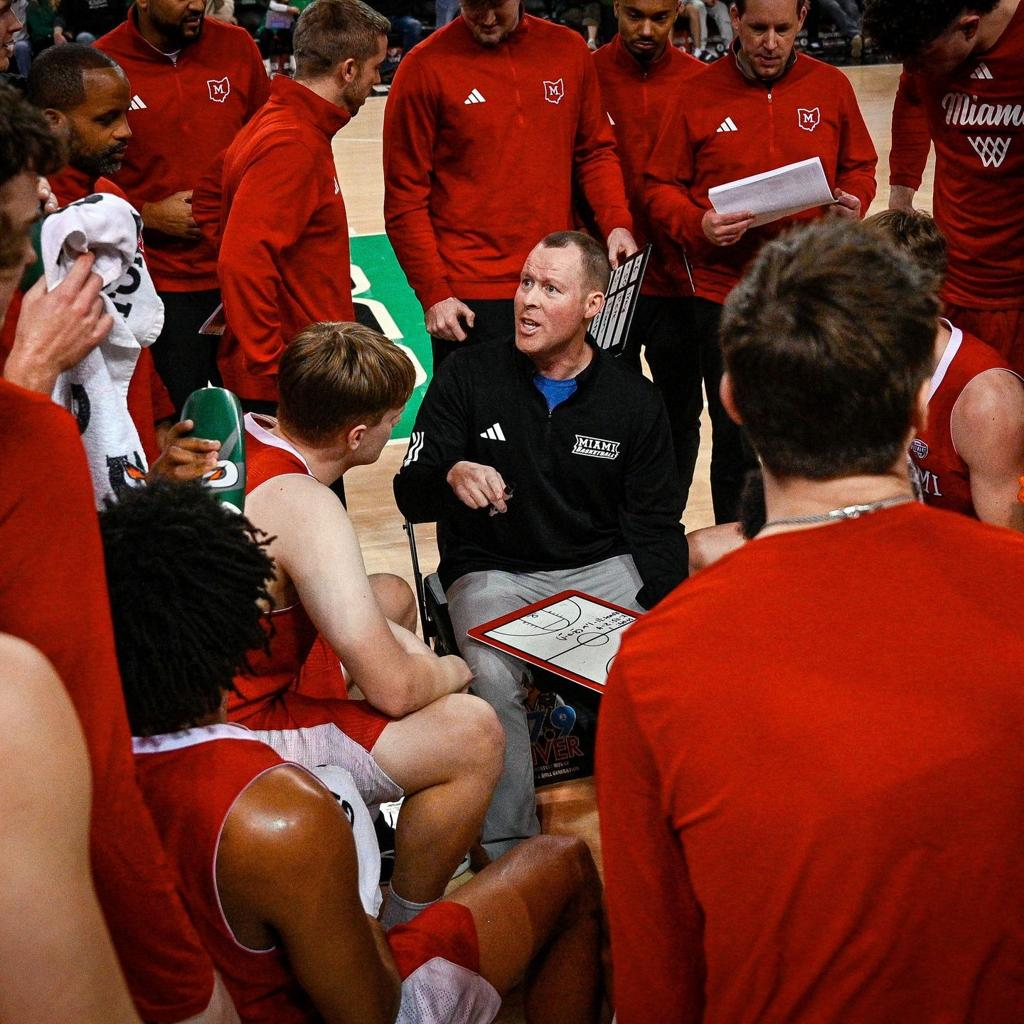
Today’s successful coaches spend as much time managing relationships as designing offensive systems.
Modern coaching responsibilities include:
- Recruiting high school athletes
- Recruiting transfer portal players
- Retaining current players
- Coordinating NIL support
- Managing alumni relationships
- Working with collective organizations
- Monitoring player development
- Balancing team culture
This resembles professional front-office management more than traditional collegiate coaching.
Many programs now employ expanded personnel staffs, analytics specialists, player development coordinators, and recruiting departments that operate throughout the year.
The Financial Reality Behind Modern College Basketball
Television revenue continues to shape the sport.
Major conferences negotiate media agreements worth billions of dollars over multiple years.
These agreements influence:
- Conference expansion
- Scheduling
- Facility investments
- Coaching salaries
- Recruiting resources
- Fan engagement
At the same time, NIL funding increasingly depends on donor support, business partnerships, and organized collectives operating within applicable rules.
Resource disparities remain significant.
Power conference programs generally possess greater financial flexibility than many mid-major schools.
However, smart player development, strong coaching, and institutional stability continue to allow smaller programs to compete successfully during March.
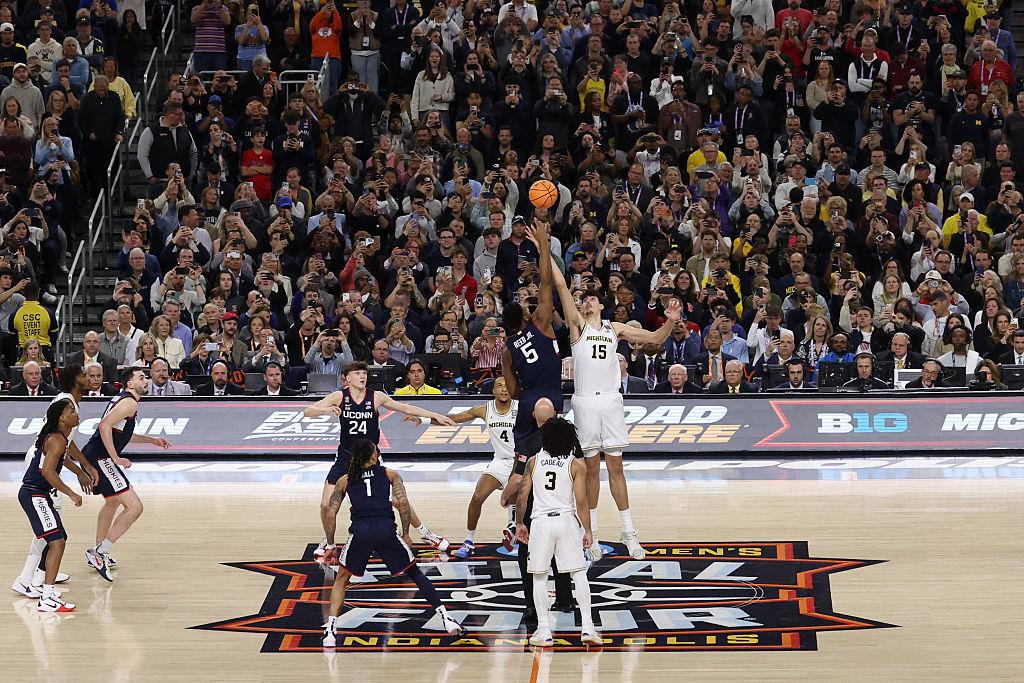
Conference Realignment Is Reshaping Competition
Conference membership has become increasingly fluid.
Universities continue to evaluate conference affiliation based on:
- Television exposure
- Revenue opportunities
- Recruiting advantages
- Geographic considerations
- Competitive alignment
For student-athletes, conference changes can affect:
- Travel schedules
- Academic demands
- Rivalries
- Recruiting visibility
- National exposure
Long-distance travel has become a growing concern, particularly as conferences stretch across multiple regions.
Athletic departments continue searching for ways to balance competition with student well-being.
What This Means for Student-Athletes
Modern college basketball offers more opportunities than previous generations experienced.
Athletes can now:
- Build personal brands
- Earn legitimate income
- Transfer if circumstances change
- Develop business skills
- Expand professional networks
- Gain media experience
Yet these opportunities also introduce new responsibilities.
Players must make thoughtful decisions regarding contracts, financial planning, social media presence, time management, and academic priorities.
Support systems—including families, advisors, coaches, and university staff—play an increasingly important role.
Fans Are Watching a Different Version of College Basketball
Many longtime fans miss seeing four-year players develop into program legends.
Frequent roster turnover can make it harder to establish long-term emotional connections.
On the other hand, the sport has become more competitive in many respects.
Experienced transfers can quickly elevate programs, creating greater parity and more unpredictable tournaments.
Fans also enjoy increased access to athletes through social media, podcasts, interviews, and community engagement.
The relationship between players and supporters has become more direct than ever before.
What High School Players Should Know
Prospective college athletes should approach recruiting with realistic expectations.
Important considerations include:
- Academic fit
- Coaching stability
- Development opportunities
- Playing style
- Degree programs
- Campus environment
- Long-term career planning
- Available athlete support services
NIL opportunities should be viewed as one factor among many rather than the primary reason for selecting a university.
Choosing the right overall environment often produces better long-term outcomes than focusing solely on immediate financial opportunities.
Where NCAA Basketball May Be Headed
The next several years are likely to bring continued adjustments.
Areas receiving significant attention include:
- Athlete compensation models
- Transfer regulations
- Revenue-sharing structures
- Governance reforms
- Eligibility rules
- Recruiting standards
- Competitive balance
Many observers expect additional legal, legislative, and organizational changes as college athletics continues adapting to evolving economic realities.
Although uncertainty remains, few expect the sport to return to its previous structure.
Instead, universities, conferences, and governing organizations appear focused on building systems that better reflect today’s college athletics environment.
Frequently Asked Questions
1. What is NIL in NCAA basketball?
NIL stands for Name, Image, and Likeness. It allows college athletes to earn compensation through endorsements, sponsorships, appearances, merchandise, and other legitimate business activities.
2. What is the NCAA transfer portal?
The transfer portal is an online database that allows student-athletes to notify schools of their intention to transfer and communicate with other eligible programs.
3. Can players transfer without sitting out a season?
Many athletes now qualify for immediate eligibility after transferring, although eligibility rules may vary depending on individual circumstances and future NCAA policies.
4. Are all college basketball players earning large NIL deals?
No. While some athletes receive substantial agreements, many NIL partnerships involve local businesses or smaller regional opportunities.
5. Why are college basketball rosters changing so often?
The transfer portal, early professional departures, graduation, and evolving recruiting strategies contribute to increased roster turnover.
6. Does conference realignment affect recruiting?
Yes. Conference affiliation can influence television exposure, travel, recruiting visibility, and overall program resources.
7. How should recruits evaluate NIL opportunities?
NIL should be considered alongside coaching, academics, player development, campus culture, and long-term career opportunities.
8. Will college basketball become more like professional sports?
Certain aspects—including player movement and compensation—have become more professionalized, but college basketball still emphasizes education, campus life, and student-athlete development.
9. Can mid-major schools still compete nationally?
Absolutely. Strong coaching, experienced players, effective recruiting, and disciplined team play continue to produce successful mid-major programs.
10. What is the biggest challenge facing NCAA basketball today?
Balancing athlete opportunities, competitive fairness, financial sustainability, academic priorities, and consistent governance remains one of the sport’s most significant ongoing challenges.
About the Author