Summary
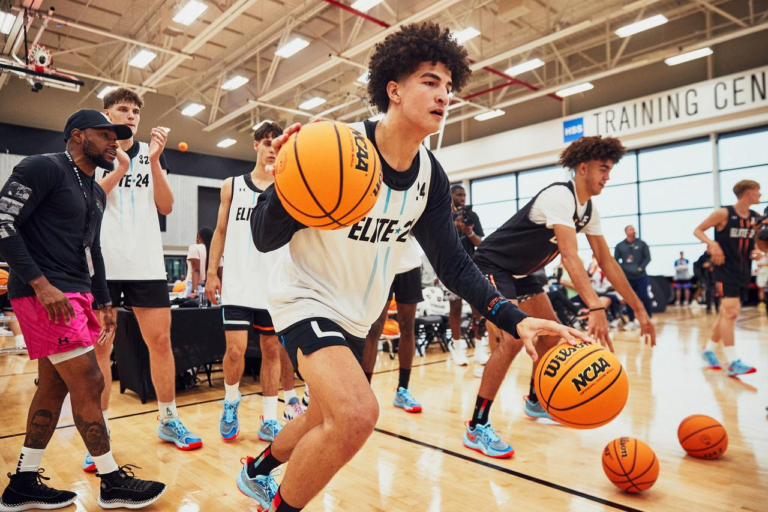
NCAA basketball is entering a new era shaped by direct athlete compensation, roster limits, transfer-window changes, evolving eligibility rules, and a larger NCAA Tournament field. These changes affect how programs build teams, how players evaluate opportunities, and how fans follow the sport. Understanding the new structure helps explain why college basketball increasingly resembles a more organized, financially sophisticated competitive marketplace.
The College Basketball Model Is Being Rebuilt
For decades, NCAA basketball operated around a relatively familiar structure. Coaches recruited high school prospects, players generally stayed with one program for several seasons, scholarships were governed by sport-specific limits, and the NCAA tightly regulated how athletes could benefit financially from their athletic identities.
That model has changed substantially. The modern college basketball environment is being shaped by the transfer portal, name, image and likeness opportunities, direct financial benefits from schools, new roster rules, and an evolving approach to eligibility. For fans, the result is a sport in which team identities can change quickly. For players and coaches, roster construction has become a year-round strategic exercise.
The most important changes are not isolated rules. They are interconnected. Financial resources influence recruiting. Recruiting influences transfer decisions. Transfer decisions influence roster management. Roster management affects playing opportunities. And all of those factors can influence which programs have the depth and continuity needed to compete for March Madness.
The NCAA’s implementation of the House settlement is at the center of much of this transition. Beginning with the 2025-26 academic year, participating Division I schools can provide direct financial benefits to athletes, with the initial benefits pool set at approximately $20.5 million per school under the settlement framework. The agreement also replaced traditional sport-specific scholarship limits with roster limits for participating schools.
That means understanding NCAA basketball today requires looking beyond the scoreboard.
NIL and Direct Payments Are Changing How Players Evaluate Programs
One of the biggest changes in college basketball is the growing importance of financial considerations when players choose where to play.
NIL initially introduced a framework through which athletes could benefit from their name, image and likeness. The landscape has since moved toward a more structured model in which participating Division I schools can provide direct financial benefits under the House settlement framework, alongside scholarships and other forms of athlete support.
For a highly recruited basketball player, the decision about where to attend college can therefore involve more than basketball tradition or the likelihood of making the NCAA Tournament.
A player might compare a blue-blood program with a strong development reputation against a newer contender offering a larger financial package and a more immediate role. Another player may value guaranteed scholarship protection, academic support, professional development, playing time, or a coaching staff’s history of preparing athletes for the NBA.
This does not mean money automatically determines every decision. Basketball fit remains important. So do relationships with coaches, campus environment, facilities, academics and professional aspirations. But financial resources are now an increasingly visible component of the overall equation.
For fans, this helps explain why recruiting stories increasingly include conversations about roster budgets, NIL structures and financial strategy alongside traditional discussions of talent.
The Transfer Portal Has Become Part of Roster Construction
The transfer portal has transformed college basketball more visibly than almost any other recent development.
Transfers are no longer simply occasional additions to an established roster. For many Division I programs, they are an essential part of roster planning. Coaches can use the portal to replace departing starters, address positional weaknesses, add experience or respond to unexpected roster changes.
The NCAA changed basketball’s transfer notification windows in 2026. The men’s and women’s basketball windows now open for a 15-day period after the respective NCAA championship game. A separate 15-day period can also open after a head-coaching change under specified circumstances.
That timing matters.
Imagine a team that loses in the Elite Eight. In previous eras, its coaching staff might spend the following weeks evaluating returning players and incoming recruits. Today, the staff may simultaneously need to determine which players are staying, which are leaving, which transfers could fill roster gaps and how available financial resources should be allocated.
The result is a much more compressed decision-making environment.
The NCAA has also moved to address so-called “ghost transfers.” Since 2026, Division I programs can face automatic penalties if they sign, roster, practice or play transfer athletes who have not properly entered the Transfer Portal. The penalties can include a coach suspension covering 50% of a season and a fine equal to 20% of that sport’s budget.
For players and families, the practical lesson is straightforward: the transfer process is increasingly formalized, time-sensitive and consequential.
Roster Limits Are Changing the Meaning of Depth
One of the less obvious but potentially significant changes involves roster construction.
Under the new Division I framework associated with the House settlement, men’s basketball has a roster limit of 15 players for participating or opting-in schools. At the same time, traditional sport-specific scholarship limits were replaced by roster limits, giving schools more flexibility to provide scholarships to players on their declared rosters.
This creates a different type of roster-management problem.
A coach is no longer simply asking, “How many scholarships do we have left?” The more important question becomes, “Which 15 players give us the best combination of talent, development, experience, positional balance and financial efficiency?”
Consider a hypothetical team with 12 returning players and several highly rated recruits. Adding every promising prospect may not be possible or desirable if the roster limit is already approaching capacity. Coaches therefore have to make harder decisions about development players, veteran depth and potential transfers.
For fans, this can make offseason roster news more meaningful. A seemingly minor addition or departure may have a direct impact on how a team allocates its limited roster spaces.
It also places greater pressure on front offices, general managers and coaching staffs to evaluate players accurately. Recruiting is becoming less about simply accumulating talent and more about constructing a functional roster.
Eligibility Rules Are Moving Toward a New Model
Eligibility has traditionally been one of the most complicated parts of NCAA athletics. Different sports have operated under different season-of-competition rules, redshirt concepts and waiver processes.
In June 2026, the NCAA Division I Cabinet approved an age-based eligibility model that would permit Division I athletes up to five years of eligibility if they enroll in college no later than the academic year after their 19th birthday. The model eliminates season-of-competition limits and sport-specific eligibility and redshirt rules, although implementation is being phased in, with the fall 2027 incoming class identified for full implementation.
For basketball, this could have meaningful long-term consequences.
A player who develops slowly may have more flexibility to remain in college. A player returning from injury could have different planning considerations. Coaches may also need to think differently about roster continuity because experienced players could potentially remain in college longer.
However, fans should be careful about interpreting the change as an automatic guarantee that every player will spend five seasons on campus. Eligibility opportunities and actual roster decisions are different questions. A player may still leave for professional basketball, transfer, graduate or pursue another opportunity.
The larger point is that the traditional four-year mental model of college basketball is becoming less useful.
March Madness Is Getting Bigger
The NCAA Tournament itself is also changing.
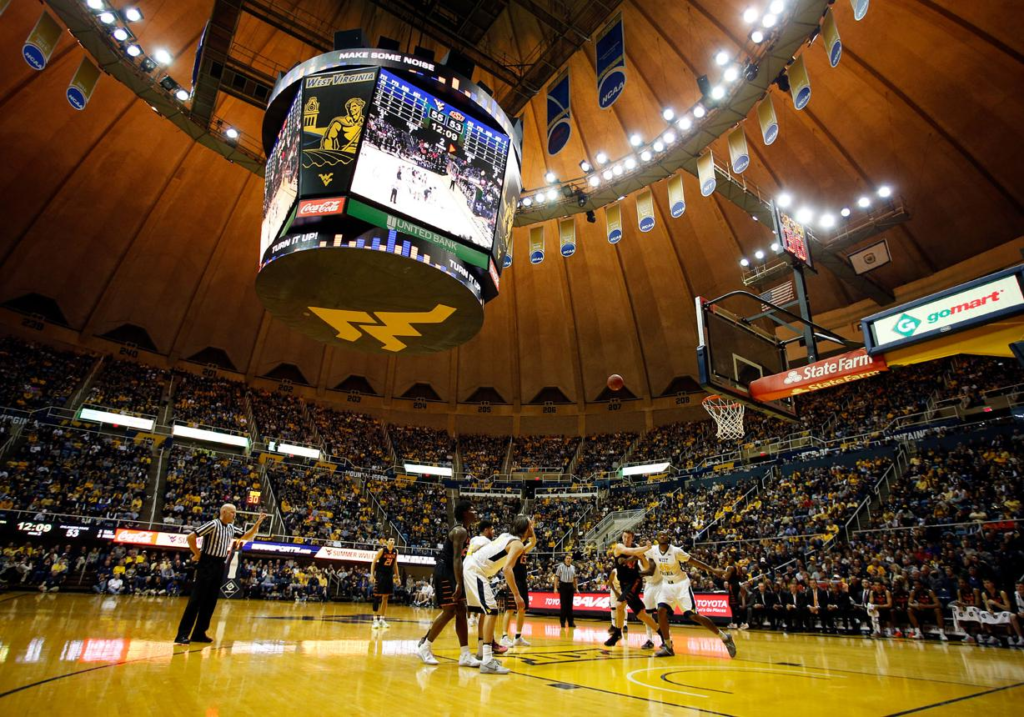
Beginning in 2027, the Division I men’s and women’s basketball championships will expand from 68 teams to 76. The first 12 games will be designated as the March Madness Opening Round. The NCAA says the expansion will create additional championship opportunities while also generating more revenue distributions for participating schools.
For fans, the most obvious change will be the bracket.
The expansion creates additional opportunities for teams that previously might have been left outside the field. It also creates more games before the traditional Round of 64 begins, potentially giving fans additional opportunities to watch emerging programs.
The financial implications may be just as important. The NCAA projects more than $131 million in new revenue distributions to member schools participating in the basketball tournaments over the remaining six years of its broadcast agreements.
That creates another connection between the tournament and the broader financial transformation of college sports.
More tournament participation can mean more exposure, more revenue and potentially greater resources for programs. For smaller or mid-major schools, a tournament appearance can also provide national visibility that extends well beyond a single March weekend.
What These Changes Mean for Coaches
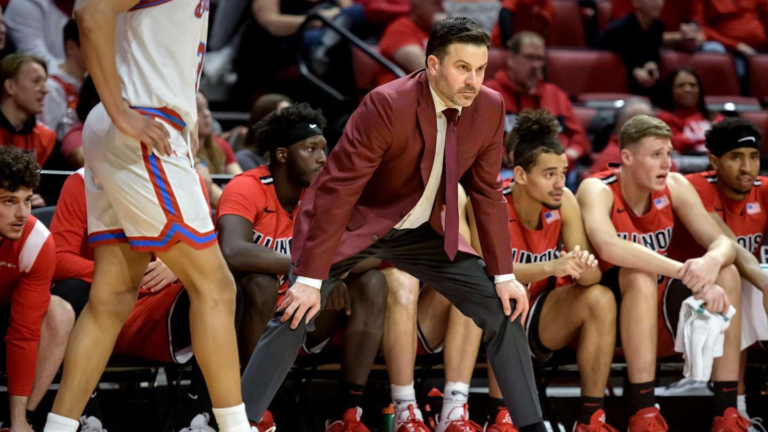
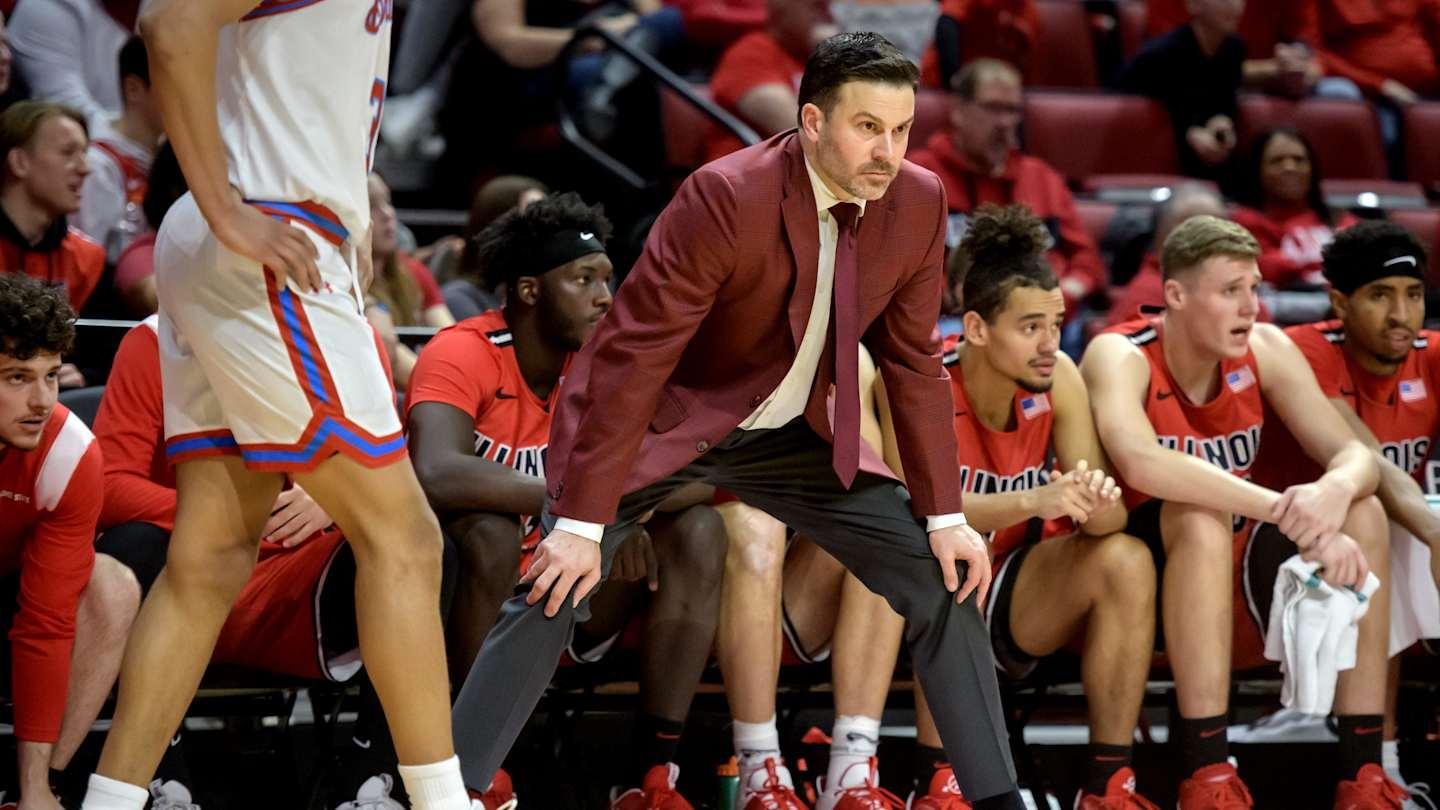
Coaching NCAA basketball has become more complicated because the job now combines traditional basketball responsibilities with increasingly sophisticated roster and financial management.
A head coach still has to develop offensive systems, teach defense, manage personalities and prepare players for games. But the modern coach must also work closely with administrators and roster-management personnel on recruiting strategy, transfers, NIL structures and retention.
A successful offseason may now require several distinct steps:
- Evaluate every returning player’s role and fit.
- Identify positions that need reinforcement.
- Determine which transfers match the team’s playing style.
- Understand available financial resources.
- Balance veterans with developing players.
- Anticipate future roster turnover.
- Maintain relationships with players throughout the year.
This makes continuity especially valuable. A team that can retain its core players may avoid the disruption associated with rebuilding a roster every offseason.
At the same time, smart transfer additions can solve specific problems quickly. The challenge is finding the balance.
What These Changes Mean for Fans
For fans, the biggest adjustment may be psychological.
College basketball is increasingly difficult to understand through the old assumption that a roster represents a multi-year story. A player who becomes a fan favorite may transfer. A freshman may arrive with immediate expectations. A veteran may remain longer than expected under changing eligibility rules.
That does not necessarily make the sport less meaningful. It changes what fans should pay attention to.
Instead of looking only at recruiting rankings, supporters can examine whether a program has a coherent roster-building strategy. Does it retain core players? Does it add transfers who fit a specific need? Does it develop young talent? Does its financial structure appear sustainable?
These questions can provide a more useful picture of a program’s direction than any single recruiting ranking.
Why the Changes Matter Beyond the Basketball Court
The NCAA’s transformation is part of a broader shift in how American college sports are organized.
The House settlement provides direct financial benefits to athletes, establishes a framework for third-party NIL agreements and changes how scholarships and rosters are managed. The NCAA has also continued updating its governance structure and athlete protections as the college sports system evolves.
Basketball sits near the center of that transformation because March Madness is one of the NCAA’s most valuable championship properties.
The sport therefore illustrates a larger question facing college athletics: how can schools preserve the educational and community elements of college sports while operating within an increasingly commercial environment?
There is no single answer yet.
What is clear is that the old boundaries between athletics, business, media and athlete compensation are becoming less distinct.
What Should Fans Watch During the Next NCAA Basketball Season?
For viewers preparing for the next season, several indicators can reveal how successfully a program is adapting.
First, watch roster continuity. Teams that retain important contributors may enter the season with an advantage in chemistry and familiarity.
Second, watch transfer fit rather than transfer volume. A team adding several recognizable names is not necessarily improving if those players duplicate existing strengths or struggle to fit the system.
Third, pay attention to coaching stability. A coaching change can trigger a rapid roster reset because the NCAA’s transfer rules provide a specific window for players following a coaching transition.
Finally, watch how programs respond to the financial structure. Schools that build clear systems for recruiting, athlete support, roster management and player development may be better positioned than programs that simply react to offseason movement.
The best evidence will ultimately come on the court.
Frequently Asked Questions About NCAA Basketball Changes
1. What is changing in NCAA basketball?
The biggest changes include direct financial benefits for Division I athletes, new roster limits, evolving NIL rules, revised transfer windows, changing eligibility standards and an expanded NCAA Tournament beginning in 2027.
2. Can college basketball players get paid directly by their schools?
Participating Division I schools can provide direct financial benefits to student-athletes under the House settlement framework. The initial annual benefits pool is approximately $20.5 million per school, subject to the settlement’s rules and formulas.
3. How has the transfer portal changed college basketball?
The portal has become a major part of roster construction. Programs can use transfers to replace departing players, add experience and address specific positional needs.
4. How long can NCAA basketball players remain eligible?
Eligibility rules are changing. A new age-based Division I model approved in 2026 provides for up to five years of eligibility under specified conditions, with full implementation planned for the fall 2027 incoming class.
5. How many players can be on an NCAA men’s basketball roster?
Under the new Division I roster rules associated with the House settlement, men’s basketball has a 15-player roster limit for participating or opting-in schools.
6. Is the NCAA Tournament expanding?
Yes. Starting in 2027, both the men’s and women’s Division I basketball tournaments will expand from 68 teams to 76 teams, with a new 12-game Opening Round.
7. Will NIL still matter in college basketball?
Yes. NIL remains an important part of the college sports economy, while the House settlement provides additional rules and structures around institutional involvement and third-party NIL agreements.
8. Why are college basketball rosters changing so quickly?
The combination of transfers, evolving eligibility, direct financial benefits, coaching changes and tighter roster management gives players and programs more reasons to reassess their situations each offseason.
9. What should recruits consider when choosing a college basketball program?
Players should evaluate playing time, coaching, development, academics, team fit, scholarship protections, financial benefits, facilities and the program’s track record of supporting athletes rather than focusing on one factor alone.
10. Will these changes make NCAA basketball better?
That depends on how schools, conferences, athletes and governing bodies implement the new system. The changes create new opportunities for athletes and programs, but they also introduce more complexity into roster management and competitive balance.
A New College Basketball Era Will Be Defined by Roster Strategy
The most important change in NCAA basketball may not be any single rule. It is the emergence of a completely different way of building a college team.
Players have greater financial opportunities and more control over their careers. Coaches have more tools to reshape rosters but also face greater pressure to make those decisions efficiently. Schools must manage financial resources, athlete support, recruiting, retention and competitive expectations simultaneously.
For fans, the game remains familiar when the ball goes up. The difference is everything happening around it.
The programs best positioned for the next era are likely to be those that understand that basketball success now depends on more than recruiting stars. Development, retention, roster fit, financial planning and organizational stability are becoming central parts of the competitive equation.
That makes the coming years especially important for college basketball. The sport is not abandoning its traditional identity, but the systems supporting it are being rebuilt in real time.
The NCAA Basketball Changes Worth Watching
- Direct athlete compensation is becoming a formal part of Division I sports economics.
- Transfer windows are becoming more structured and concentrated around the basketball calendar.
- Men’s basketball roster limits are reshaping how coaches allocate roster spots.
- Eligibility rules are moving toward a potentially longer, age-based model.
- NIL remains an important factor in recruiting and player retention.
- The NCAA Tournament will expand to 76 teams beginning in 2027.
- Financial planning is becoming increasingly important to roster construction.
- Player development and retention may matter as much as recruiting rankings.
- Fans will need to evaluate programs through roster strategy as well as wins and losses.
- The next phase of college basketball will be shaped by how effectively schools balance competitive ambition with sustainable athlete support.
About the Author