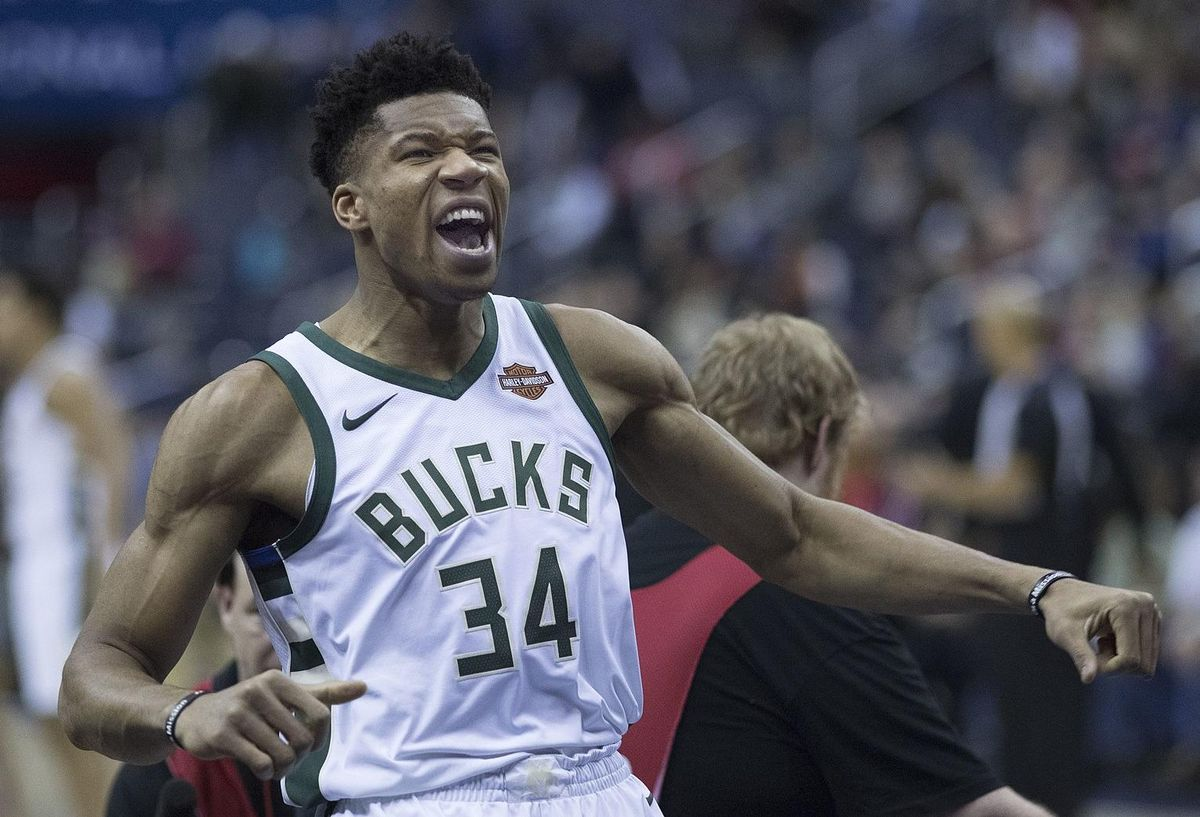
News that an NBA superstar quietly purchased a $21 million apartment building has ignited intense speculation across sports and real-estate circles. Widely believed to involve Giannis Antetokounmpo, the deal raises bigger questions about long-term strategy, legacy investing, and whether this move signals deeper ties to Milwaukee. This in-depth analysis separates fact from rumor and explains why this decision matters far beyond basketball.
Introduction: When an NBA Headline Isn’t About Basketball
NBA stars buy mansions all the time. Private jets, luxury cars, vacation homes—none of that raises eyebrows anymore. But when reports surfaced that an NBA superstar had acquired a $21 million apartment building, the reaction was different.
This wasn’t about lifestyle.
This wasn’t about status.
This was about strategy.
Apartment buildings are not impulse buys. They are long-term financial commitments tied to local economies, population growth, and community stability. When a professional athlete chooses this type of asset, especially in a specific city, people start asking deeper questions.
And one question quickly rose above the rest:
Is this purchase a sign that a major Milwaukee move could be coming?
What Actually Happened: Breaking Down the $21M Purchase
According to real-estate and sports business reporting, an NBA star recently finalized the purchase of a multi-family residential apartment building valued at approximately $21 million. While many details remain private—as is common with high-net-worth transactions—the structure of the deal itself is what sparked widespread attention.
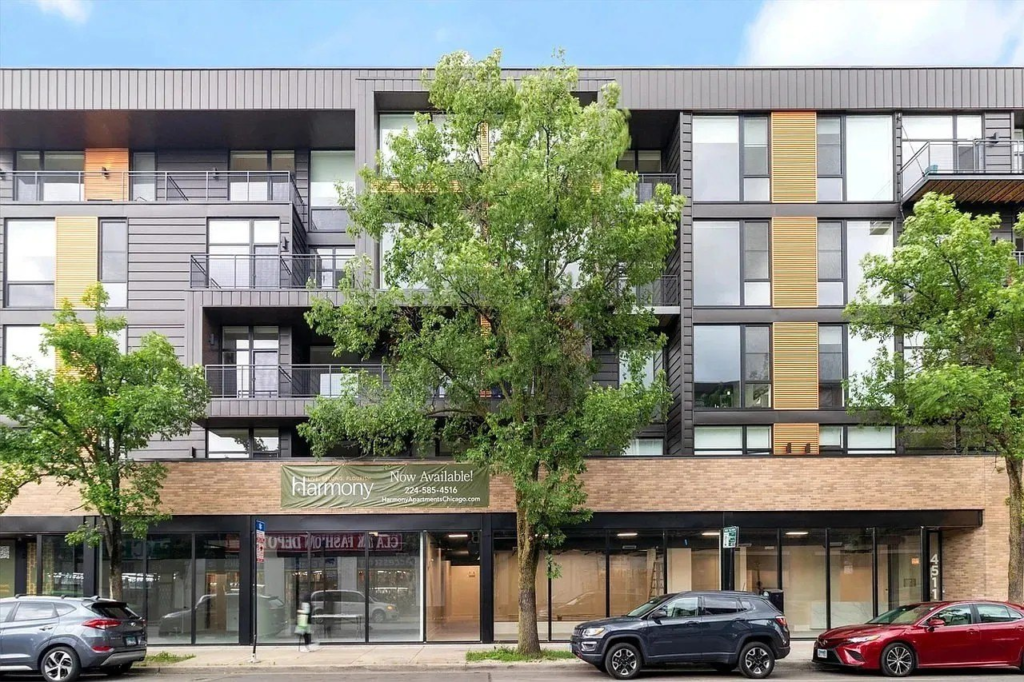
This was not:
- A personal residence
- A vacation property
- A short-term flip
It was an income-producing asset designed for long-term rental revenue and appreciation.
For elite athletes, that distinction is critical.
Why Giannis Antetokounmpo Is at the Center of the Speculation
Although no viral press conference followed the deal, speculation quickly focused on Giannis Antetokounmpo, and for understandable reasons.
Several factors connect him logically to the purchase:
- He has publicly discussed investing beyond basketball
- He has existing ties—personal and professional—to Milwaukee
- His business advisors are known to favor real estate assets
- The timing aligns with long-term career and legacy planning
Importantly, this article does not claim an official announcement or confirmation beyond what has been widely reported and inferred. But in the NBA world, patterns matter—and this pattern fits Giannis’s known approach to life and money.
Does Buying an Apartment Building Mean a Milwaukee Move Is Coming?
This is the question fans are most eager to answer—and it requires nuance.
Buying real estate in a city does not automatically mean:
- A trade is coming
- A contract extension is imminent
- A relocation decision has been finalized
However, large-scale real-estate investments do signal something important: confidence.
Confidence in:
- The city’s economic future
- The stability of the housing market
- The investor’s long-term relationship with the area
Athletes rarely commit tens of millions of dollars to cities they view as temporary stops.
Why NBA Players Are Turning to Apartment Buildings
This move reflects a much broader trend among modern athletes.
Today’s NBA stars are not just players—they are business entities. Many now employ full financial teams that prioritize assets capable of generating wealth long after a playing career ends.
Apartment buildings are attractive because they offer:
- Predictable monthly cash flow
- Strong tax advantages
- Inflation protection
- Long-term equity growth
Unlike endorsement deals or market-dependent investments, multi-family housing is grounded in fundamentals: people always need places to live.
Real-Life Examples of Athletes Investing in Real Estate
Giannis would not be breaking new ground here.
Across professional sports, many elite athletes have quietly built real-estate portfolios that include:
- Apartment complexes
- Mixed-use developments
- Commercial properties
- Residential rental portfolios
What makes this story stand out is not what was purchased—but where and how much.
Why Milwaukee Real Estate Makes Strategic Sense
Milwaukee may not dominate national real-estate headlines, but from an investor’s standpoint, it offers compelling fundamentals.
The city features:
- Lower acquisition costs than coastal markets
- Consistent rental demand from healthcare, education, and manufacturing sectors
- Downtown redevelopment and infrastructure investment
- A strong sense of community identity
For someone already deeply connected to the city, investing locally reduces risk while increasing insight.
How This Purchase Impacts Giannis’s Relationship With the Bucks
While front offices don’t negotiate contracts based on real-estate holdings, public perception still matters.
Fans interpret moves like this symbolically. Whether fair or not, investing heavily in a team’s city feels like planting roots.
In the modern NBA—where player movement dominates headlines—symbols carry weight.
This purchase does not guarantee permanence, but it strongly suggests engagement rather than detachment.
Is This About Basketball—or About Legacy?
There’s another angle that often gets overlooked: legacy.
Giannis has frequently spoken about family, long-term thinking, and building something that lasts beyond his playing days. Apartment buildings align perfectly with that philosophy.
They:
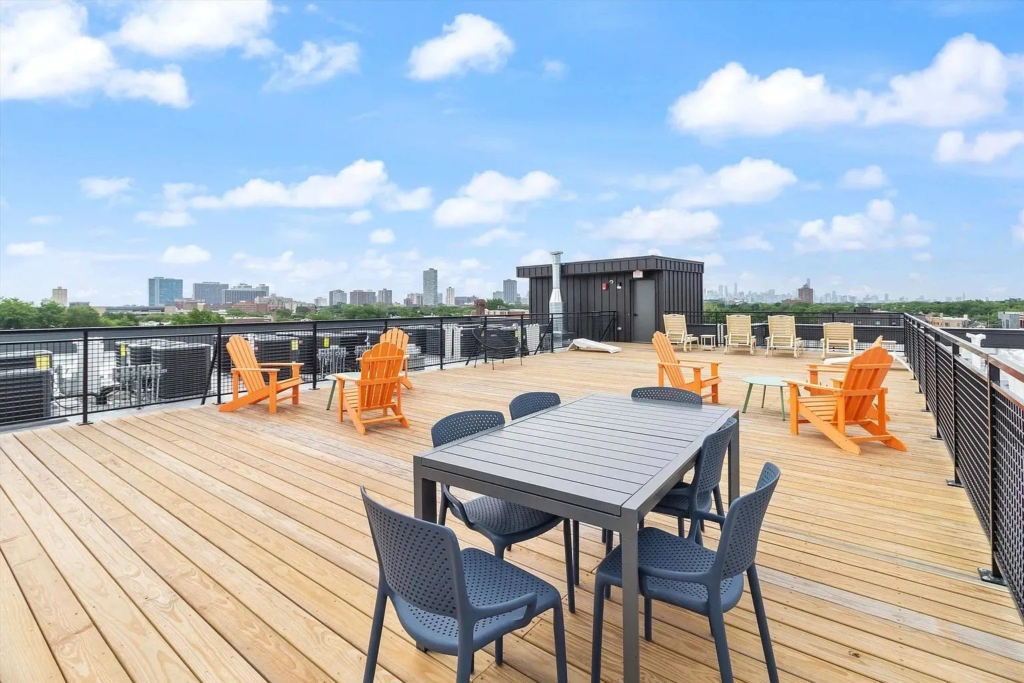
- Provide housing to hundreds of residents
- Anchor wealth within a community
- Create a presence that exists beyond fame
For athletes who grew up with limited resources, real estate often represents permanence and control.
What This Story Says About Modern Athlete Wealth
This isn’t just a Giannis story. It’s a snapshot of how athlete wealth has evolved.
Today’s elite players:
- Focus on ownership rather than consumption
- Diversify income streams
- Hire professional asset managers
- Think in decades, not seasons
A $21M apartment building is not flashy—but it’s powerful. And that’s exactly the point.
Key Takeaways for Fans and Investors
- Large real-estate purchases signal long-term thinking
- Investing locally often reflects confidence in a city
- Apartment buildings provide stability beyond sports careers
- Athlete wealth strategies are becoming more sophisticated
Frequently Asked Questions (FAQ)
1. Did Giannis Antetokounmpo really buy a $21M apartment building?
Ans. Reports strongly suggest an NBA star—widely believed to be Giannis—completed the purchase, though full personal confirmation has been limited.
2. Does this mean Giannis is staying in Milwaukee?
Ans. Not necessarily. Real-estate investments don’t dictate basketball decisions, but they often indicate long-term comfort with a city.
3. Why would an NBA star buy an apartment building instead of a mansion?
Ans. Apartment buildings generate ongoing income and long-term appreciation, making them smarter financial assets.
4. Is Milwaukee a good market for real-estate investment?
Ans. Yes. Milwaukee offers stable rental demand, affordability compared to coastal cities, and ongoing redevelopment.
5. Do other NBA players invest in real estate?
Ans. Absolutely. Many current and former players own apartment complexes and commercial properties.
6. Could this purchase influence future contract decisions?
Ans. Indirectly at most. While it doesn’t determine contracts, it can shape public perception of commitment.
7. How common are $20M+ investments among athletes?
Ans. Increasingly common among elite players with professional financial teams.
8. Is this more about money or legacy?
Ans. Likely both. Income, tax efficiency, and long-term community impact all play roles.
9. Does the team benefit from players investing locally?
Ans. Indirectly, yes. Local investment strengthens community ties and goodwill.
10. Should fans interpret this as a move coming soon?
Ans. Fans should be cautious. It’s a meaningful signal, but not definitive proof of future basketball decisions.
Final Thoughts: Why This Story Matters
The idea of an NBA star buying a $21 million apartment building isn’t shocking because of the price tag. It’s shocking because of what it represents.
This move isn’t about flash.
It’s about foresight.
Whether or not a Milwaukee move is coming, this purchase reflects a modern athlete who sees himself not just as a player—but as a long-term stakeholder in the cities that shaped him.
And in today’s NBA, that mindset might be the most important move of all.
About the Author