A viral meme joking about Kevin Durant’s “ashy legs” took over social media—until Durant fired back with a response so self-aware and funny that it became the real viral moment. This in-depth breakdown explores how the meme started, why his clapback worked, what it reveals about modern NBA culture, and how humor has become a powerful tool for athletes navigating internet fame.
Introduction: When a Meme Becomes a Moment
In today’s internet culture, not every viral moment is built on controversy. Sometimes, it starts with something almost absurdly ordinary—like dry skin under bright arena lights.
That was the case when a photo of Kevin Durant circulated online and sparked what quickly became known as the “ashy legs” meme. It was harmless, familiar, and instantly relatable. Social media did what it does best: screenshots, zoom-ins, jokes, and captions flooded timelines.
But what transformed this from a passing joke into a full-blown cultural moment wasn’t the meme itself.
It was Durant’s response.
Instead of ignoring the joke or pushing back defensively, Durant leaned into it—turning a fleeting roast into a masterclass in modern celebrity engagement. In doing so, he reminded fans why he remains one of the most compelling personalities in the NBA, on and off the court.
What Started the ‘Ashy Legs’ Meme?
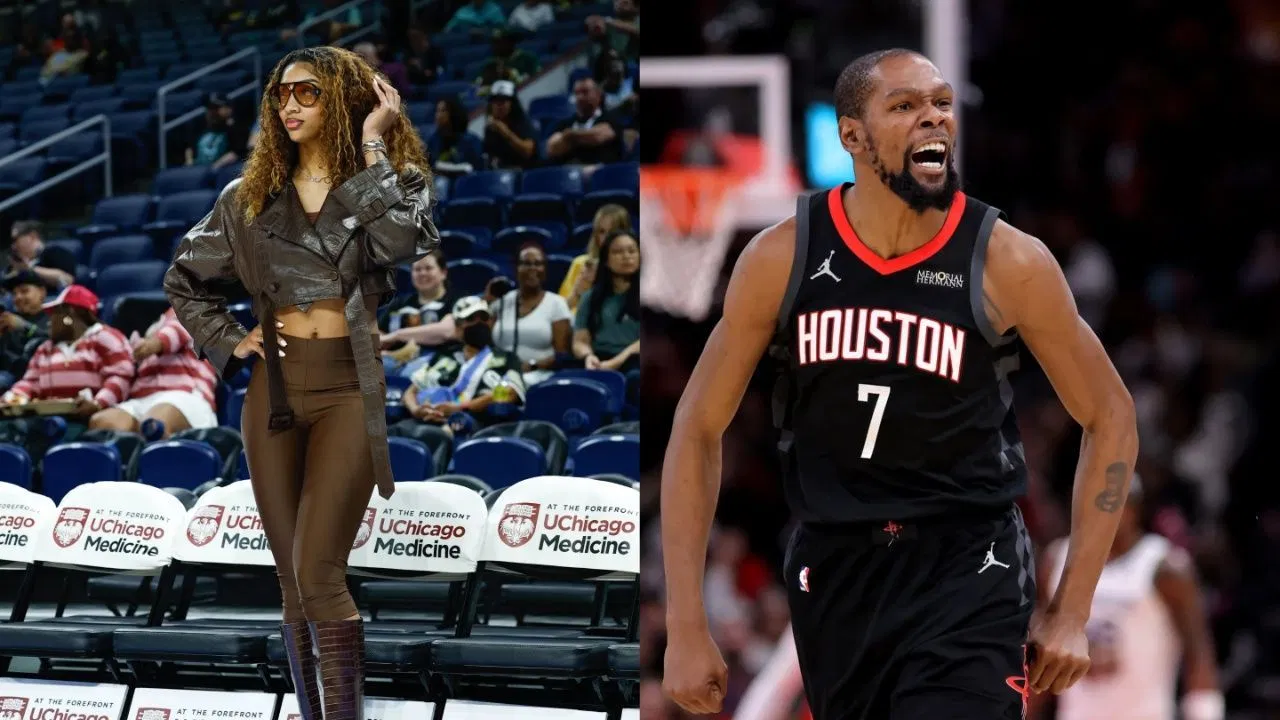
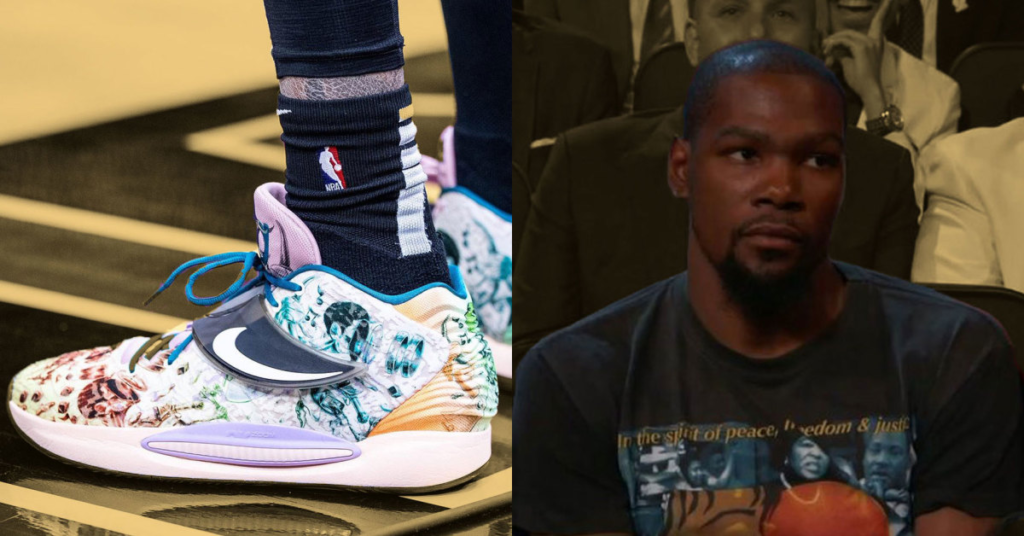
The origin of the meme was almost accidental. During a game, a high-resolution photo captured Durant standing on the court, with lighting that exaggerated the dryness of his skin. Within minutes, users on platforms like X (formerly Twitter) and Instagram began sharing cropped images with captions poking fun at the moment.
The humor followed a familiar pattern:
- Zoomed-in screenshots of Durant’s legs
- Comparisons to winter weather jokes
- Lighthearted comments about lotion and self-care
Crucially, the tone stayed playful. This wasn’t a mean-spirited attack or a scandal. It was the internet riffing on something everyone has experienced at some point.
And because Kevin Durant is famously online, fans assumed it was only a matter of time before he noticed.
Why Kevin Durant’s Response Changed Everything
When Durant finally responded, he didn’t deny the obvious or pretend the joke didn’t land. He acknowledged it—with humor.
That decision instantly shifted the energy of the moment. Instead of the internet laughing at him, it was laughing with him. Screenshots of his reply spread faster than the original meme, and the narrative flipped almost overnight.
His response worked because it felt:
- Timely — quick enough to feel natural, not rehearsed
- Self-aware — acknowledging the joke without defensiveness
- Authentic — unmistakably Durant’s voice, not a PR script
In internet culture, that combination is rare—and powerful.
Why the Clapback Went More Viral Than the Meme
Internet audiences reward participation. When public figures engage on equal footing, they humanize themselves—and that relatability travels far.
Durant’s clapback resonated because:
- It diffused the joke rather than escalating it
- It showed comfort with imperfection
- It reminded fans that even superstars deal with everyday issues
By responding the way he did, Durant essentially took control of the narrative. The joke reached its peak and ended—not because it was shut down, but because it was completed.
Kevin Durant’s Reputation as One of the NBA’s Most Online Stars
This moment didn’t come out of nowhere. Kevin Durant has long been known as one of the most digitally fluent athletes in professional sports.
Over the years, he has:
- Engaged fans directly on social platforms
- Responded to criticism without corporate polish
- Participated in debates, jokes, and conversations openly
Unlike athletes who keep strict distance from social media, Durant has always treated it as a two-way street. That familiarity made his response feel expected—but still refreshing.
Fans didn’t see a superstar above the fray. They saw someone who understands the internet because he lives in it.
What This Moment Reveals About Modern Athlete Branding
A decade ago, athletes were advised to stay silent online. Today, silence can feel colder than a joke.
Modern branding favors:
- Personality over perfection
- Humor over aloofness
- Authentic moments over curated ones
Durant’s clapback reinforced a growing truth in sports marketing: being relatable builds trust. Fans don’t expect athletes to be flawless. They want them to be real.
By acknowledging a harmless joke, Durant strengthened his connection with fans rather than weakening it.
Is It Fair to Joke About an Athlete’s Appearance?
The meme also sparked a broader conversation about humor, boundaries, and public figures.
In this case, several factors kept the joke from crossing into harmful territory:
- The humor targeted a common human experience
- The tone stayed light, not demeaning
- The subject himself joined in
When the person at the center of a joke participates willingly, it changes the power dynamic. What could have felt mocking instead became communal.
How Fans Reacted After Durant’s Response
The shift in fan sentiment was immediate.
Before the response:
- The meme dominated timelines
- Jokes multiplied rapidly
After the response:
- Praise replaced piling on
- Fans applauded Durant’s humor
- The internet moved on—satisfied
That arc highlights how quickly tone can change when a public figure sets it.
What This Says About NBA Fan Culture
The NBA has always existed at the intersection of sports and pop culture, but social media has accelerated that blend. Fans don’t just watch games—they participate in narratives.
This moment underscored:
- The NBA’s meme-friendly ecosystem
- Fans’ desire for interaction and personality
- The league’s comfort with players being themselves
It’s no accident that NBA content thrives online. Players like Durant understand the culture—and that understanding keeps them relevant year-round.
How This Could Have Gone Wrong
It’s worth noting how easily this moment could have spiraled.
A harsher response might have:
- Prolonged the meme
- Made Durant seem thin-skinned
- Shifted humor into hostility
Instead, he chose levity. That single choice determined how the internet reacted next.
Lessons Public Figures Can Learn From Durant’s Clapback
This moment offers a clear playbook for anyone navigating online attention.
What worked:
- Address small moments lightly
- Use humor to defuse tension
- Be authentic rather than polished
What to avoid:
- Overreactions that amplify jokes
- Corporate statements for human moments
- Silence that feels dismissive
In the age of virality, response often matters more than origin.
Why This Helps Explain Kevin Durant’s Longevity Off the Court
Talent keeps athletes famous. Personality keeps them relevant.
Durant’s comfort online ensures that even minor moments turn into positive engagement rather than negative press. That relevance compounds over time—keeping him in conversations well beyond game highlights.
In today’s NBA, cultural awareness is almost as valuable as skill.
Key Takeaways From the Viral Moment
- Not every viral moment needs a serious response
- Humor is a powerful reputational tool
- Authentic engagement builds fan loyalty
- Self-awareness often ends jokes faster than silence
Frequently Asked Questions (FAQ)
1. What was the Kevin Durant “ashy legs” meme?
Ans. It was a viral joke based on a photo showing Durant’s legs appearing dry under bright arena lighting.
2. How did Kevin Durant respond to the meme?
Ans. He responded with humor and self-awareness, leaning into the joke rather than pushing back.
3. Why did his response go viral?
Ans. Because it felt authentic, timely, and funny—fans appreciated him embracing the moment.
4. Did Kevin Durant seem offended by the meme?
Ans. No. His tone suggested he took it lightly and understood the humor.
5. Is Kevin Durant known for engaging on social media?
Ans. Yes. He has a long reputation as one of the NBA’s most interactive stars online.
6. How did fans react after his response?
Ans. Many praised his sense of humor and confidence, shifting sentiment in his favor.
7. Are memes about athletes common today?
Ans. Extremely common. Memes are now a core part of sports fandom.
8. Can responding to memes ever hurt an athlete’s image?
Ans. Yes, if done defensively or aggressively. Humor usually helps when the joke is harmless.
9. What does this say about NBA culture?
Ans. That personality, relatability, and online engagement are central to modern NBA fandom.
10. Will this moment be remembered long-term?
Ans. The meme itself may fade, but it will be remembered as an example of smart, authentic engagement.
Final Thoughts: Why This Moment Matters
On the surface, this was a small internet joke about dry skin. In reality, it was a snapshot of how fame works in the modern age.
Kevin Durant didn’t just clap back—he demonstrated how a superstar can stay human in a hyper-online world. By laughing first, owning the moment, and moving on, he turned a fleeting meme into a positive cultural moment.
In today’s NBA, that kind of awareness is as valuable as any highlight reel.
About the Author