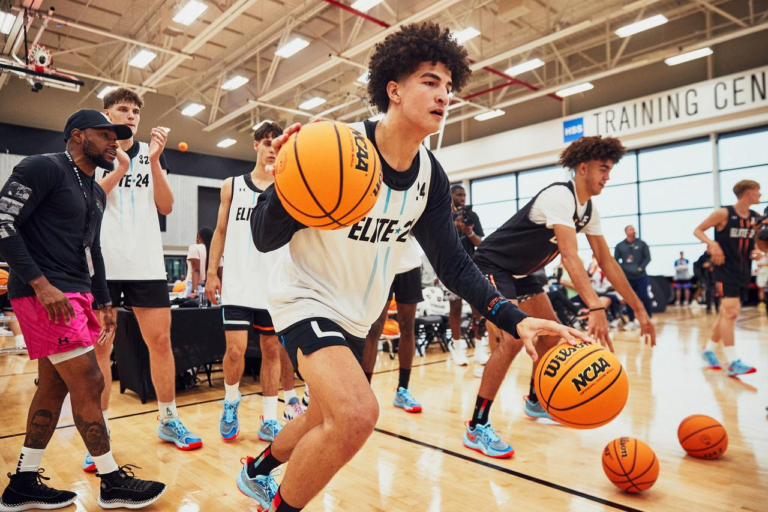
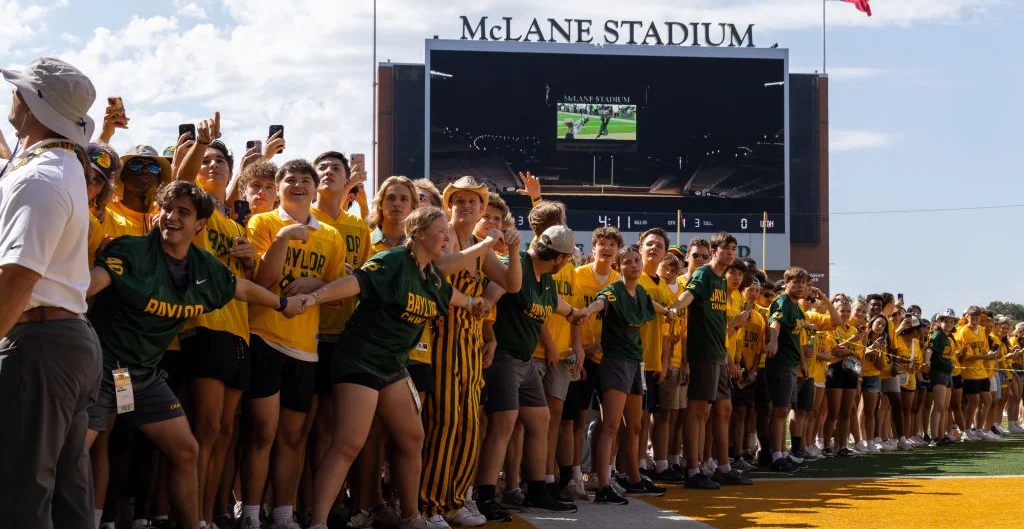
Superstitions run deep in NCAA athletics, shaping routines, locker room traditions, and game-day behaviors across college sports. From lucky gear and untouched locker rooms to bizarre meal rituals, teams often credit traditions for winning streaks. This guide explores the strangest NCAA superstitions, real program stories, psychology behind them, and what fans can learn from college sports’ most unusual habits.
College sports in America are built on passion, rivalry, tradition, and belief. But beyond talent, coaching, and analytics, there’s another invisible force that many NCAA teams quietly rely on — superstition.
Across football, basketball, baseball, hockey, and even smaller collegiate sports, players and coaches cling to rituals they believe influence performance. Some routines are harmless habits, while others are downright bizarre. Yet athletes swear by them.
And interestingly, science partially supports this behavior. Research discussed by sports psychologists and institutions referenced by the American Psychological Association shows that rituals can reduce anxiety and improve confidence, leading to better performance outcomes.
In other words, superstition isn’t just folklore — it’s part psychology, part tradition, and part college sports culture.
Let’s explore the weirdest NCAA team superstitions and why they remain so powerful today.
Why Superstitions Thrive in College Sports
Athletic competition is unpredictable. Even the best teams lose games they should win. One mistake, one call, or one lucky bounce can flip an entire season.
College athletes, often young and under intense pressure, search for anything that offers a sense of control. Rituals provide structure when outcomes feel uncertain.
Psychologists note that routines help athletes mentally prepare. Once a team wins while following a routine, that behavior quickly becomes sacred.
Common reasons superstitions stick include:
- Rituals reduce pregame anxiety and nerves.
- Familiar routines create comfort and consistency.
- Teams bond through shared traditions.
- Winning streaks reinforce repeated behaviors.
- Athletes associate rituals with success moments.
Soon, habits turn into rules no one wants to break.

Real NCAA Superstitions That Sound Unbelievable
Travel across college campuses and you’ll hear incredible stories about rituals teams refuse to abandon. Many programs keep traditions hidden, but players often share stories after graduation.
Some rituals might sound ridiculous to outsiders, but inside locker rooms they are treated seriously.
Let’s explore categories where superstition thrives.
Locker Room Rituals Teams Refuse to Break
One of the strongest superstition zones in college sports is the locker room. Many teams believe disturbing routines disrupt momentum.
Real examples shared by former players include:
- Entire locker rooms left untouched during winning streaks.
- Players refusing to change locker positions mid-season.
- Equipment staff avoiding rearranging gear layouts.
- Pregame music playlists kept identical for months.
- Players entering locker rooms in exact order every game.
Some programs have reportedly delayed locker room renovations until seasons ended to avoid breaking luck.
Lucky Clothing and Equipment Habits
College athletes are famously loyal to “lucky” gear.
Players often wear or use the same equipment repeatedly if they perform well while using it.
Common examples include:
- Unwashed lucky socks worn through playoff runs.
- Basketball players keeping tournament shoes all postseason.
- Goalkeepers refusing to change gloves during hot streaks.
- Pitchers wearing identical undershirts each start.
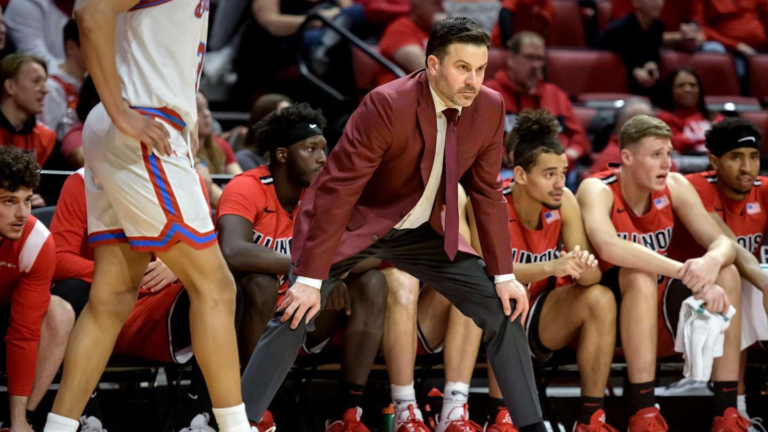
- Coaches wearing the same tie or jacket during winning runs.
By season’s end, equipment managers often joke about how terrible some gear smells, but no one wants to risk a change.
Pregame Meal Traditions
Food rituals are surprisingly important across NCAA teams.
Athletes frequently insist on eating identical meals before games, believing consistency fuels performance.
Reported traditions include:
- Pasta-only meals before football games.
- Identical snacks before basketball matchups.
- Baseball players eating chicken or peanut butter sandwiches before games.
- Teams returning to the same restaurant during road win streaks.
Once a meal aligns with victory, it becomes permanent.
Programs Known for Deep Traditions
While nearly every team has rituals, certain programs become known for strict traditions passed through generations.
Examples often cited in sports interviews include:
- Football programs maintaining exact tunnel entrance routines.
- Basketball teams preserving identical warm-up sequences.
- Baseball teams refusing to step on foul lines.
- Hockey teams enforcing silent pregame locker rooms.
These traditions become program identity, carried forward by new recruits every year.
How Superstitions Affect Performance
The magic of superstition isn’t supernatural — it’s psychological.
Rituals prepare athletes mentally, helping them enter competition focused and calm.
Benefits athletes report include:
- Reduced anxiety before competition.
- Increased confidence under pressure.
- Emotional stability during tense moments.
- Stronger team unity.
- Improved mental focus.
Belief changes behavior, and behavior impacts performance.
Individual Athlete Rituals Can Get Even Stranger
While teams have traditions, individual athletes often develop even more precise rituals.
Former NCAA athletes have described habits like:
- Basketball players bouncing the ball a set number of times before free throws.
- Baseball hitters adjusting batting gloves before every pitch.
- Soccer players stepping onto the field with a specific foot first.
- Kickers performing identical warmups before attempts.
- Track athletes wearing lucky accessories throughout seasons.
Some players refuse haircuts or shaving during winning streaks.
Coaches and Their Superstitions
Players aren’t alone — coaches often follow routines as well.
Stories shared in sports media frequently include coaches who:
- Wear the same outfit for victories.
- Sit in identical spots on the sideline.
- Keep unchanged play-calling sheets.
- Repeat motivational speeches only after wins.
Some coaches openly admit they fear changing routines more than facing tough opponents.
When Rituals Are Broken
Breaking traditions can genuinely shake team morale.
Common disruptions include:
- Travel delays forcing schedule changes.
- Equipment changes due to damage.
- Locker room renovations mid-season.
- Weather forcing uniform adjustments.
When routines break, teams sometimes blame losses on disrupted patterns.
Players may try to recreate rituals quickly in following games.
Why Fans Love Team Superstitions
Fans connect deeply with traditions because they humanize athletes.
Supporters often develop their own rituals, believing they help teams win.
Common fan superstitions include:
- Wearing lucky jerseys.
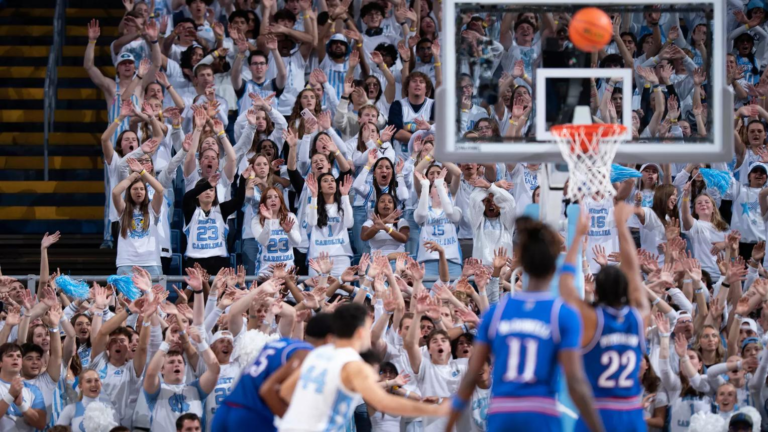
- Sitting in the same seat every game.
- Eating identical snacks on game days.
- Watching games with the same group of friends.
Game-day habits become part of fan identity.
Can Fans Use Rituals to Improve Performance?
Sports psychologists say routines benefit everyone, not just athletes.
Rituals help reduce stress and create mental readiness for challenges.
Fans and everyday people adopt habits like:
- Listening to certain music before big events.
- Wearing lucky items during interviews or exams.
- Maintaining consistent preparation routines.
Confidence often follows preparation.
Lessons Superstitions Teach Beyond Sports
Superstitions reveal deeper performance truths.
Lessons include:
- Routine reduces stress and uncertainty.
- Preparation boosts confidence.
- Shared traditions build unity.
- Consistency enhances focus.
- Mental readiness improves outcomes.
These lessons apply to work, academics, and daily life.
Expert Perspective: Psychology Behind Rituals
Sports psychologists emphasize rituals are tools, not magic.
They help athletes:
- Prepare mentally.
- Lower anxiety.
- Increase confidence.
- Build team chemistry.
- Enter competitive mindsets.
Belief shapes behavior, which influences results.
The Cultural Impact of NCAA Superstitions
College athletics are rich in tradition, and superstition adds color to the culture. Rivalries, stadium chants, mascots, and rituals all combine to create unforgettable experiences.
Superstitions often outlive players themselves. Seniors graduate, coaches change, but traditions remain. Incoming athletes inherit rituals they may not fully understand, yet follow anyway.
Some universities even turn traditions into branding, sharing stories of rituals with recruits to build culture and identity.
In many ways, superstition reflects college sports’ emotional core — belief, hope, and community.
The Future of Superstitions in Modern College Sports
With analytics, sports science, and technology increasingly influencing college athletics, some wonder whether superstitions will disappear.
The answer appears to be no.
Even teams driven by data still rely on emotional confidence. Coaches use performance metrics, but players still cling to lucky routines.
As long as competition remains unpredictable, superstition will remain part of sports.
Winning streaks will continue creating new rituals.
And somewhere, right now, a college athlete is refusing to change socks because last week’s game went well.
Frequently Asked Questions (Trending NCAA Superstition Queries)
- Why are NCAA athletes so superstitious?
Ans.
College athletes experience intense pressure and unpredictable outcomes. Rituals create comfort and confidence, helping athletes feel more in control before competition. - Do NCAA coaches believe in superstitions too?
Ans.
Yes. Many coaches follow routines or lucky habits, sometimes jokingly, sometimes seriously, believing routine consistency helps teams perform better. - What is the strangest NCAA superstition reported?
Ans.
Some teams reportedly refuse to clean locker rooms during winning streaks or wear unwashed gear throughout tournaments to avoid breaking luck. - Do rituals actually improve performance?
Ans.
Psychologically, yes. Rituals reduce anxiety and increase confidence, which indirectly improves athletic performance. - Are superstitions common in all NCAA sports?
Ans.
Yes. Football, basketball, baseball, soccer, hockey, and many other college sports feature rituals and traditions among teams and players. - Do teammates blame losses on broken rituals?
Ans.
Often jokingly, but sometimes seriously, teams may attribute losses to disrupted routines or traditions. - Can superstition ever hurt performance?
Ans.
If routines become obsessive or cause anxiety when disrupted, they can negatively impact performance and focus. - Why do athletes repeatedly wear lucky gear?
Ans.
Athletes associate certain gear with past success, boosting confidence when wearing or using it again. - Do college sports fans have superstitions too?
Ans.
Absolutely. Many fans wear lucky clothing, follow game-day routines, or watch games in fixed locations believing it helps their team win. - How do shared rituals affect team chemistry?
Ans.
Shared traditions foster unity and belonging, helping teams build trust and stronger emotional bonds.

Final Thoughts
College sports are magical partly because they combine skill, emotion, and belief. Superstitions may sound silly, but they represent athletes’ search for confidence in high-pressure moments.
Sometimes, believing in something — even lucky socks or untouched lockers — helps players perform with greater focus.
And who knows? The next time your team wins, you might accidentally start your own superstition.
About the Author