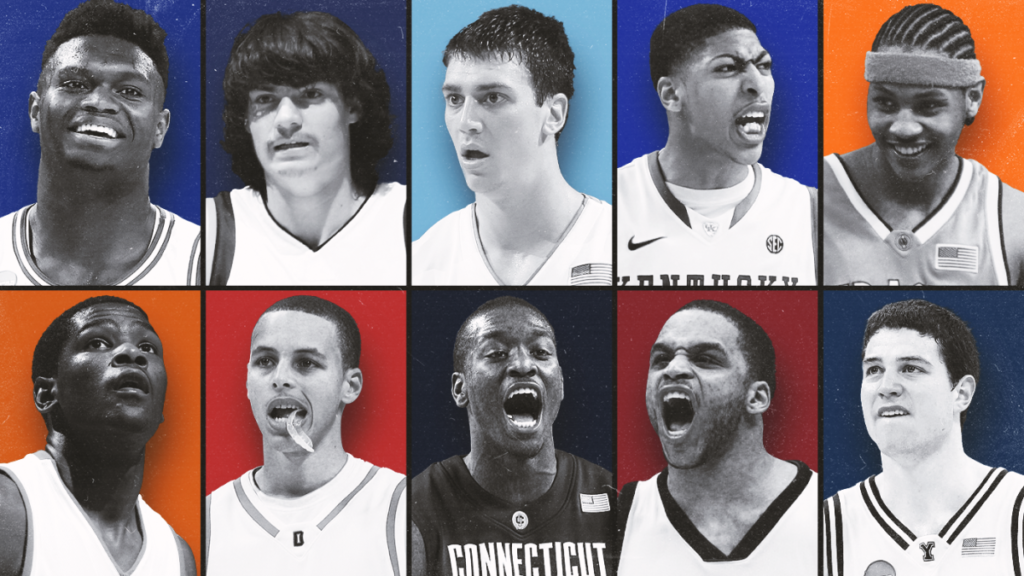
College basketball has produced countless legendary players who captivated fans yet never found lasting success in the NBA. While their professional paths diverged from expectations, many built successful careers overseas, in coaching, media, or business. This deep dive explores why some NCAA icons didn’t stick in the NBA and where life ultimately took these unforgettable college stars.
College basketball is built on unforgettable heroes. Every March, new stars emerge, carrying teams on magical tournament runs and creating memories fans cherish for decades. These players dominate headlines, win national awards, and often appear destined for NBA superstardom.
But professional basketball tells a harsher story.
Each year, college programs produce standout players who fail to secure long-term NBA careers—or never play there at all. Fans often wonder what happened to the players who once dominated college hoops but disappeared from the professional spotlight.
The truth is more nuanced than simple failure.
Many of these former NCAA icons built fulfilling lives beyond the NBA. Some became stars overseas, others found success in coaching or broadcasting, and many transitioned into thriving business careers. For them, college basketball fame was just the beginning of a different journey.
In this comprehensive guide, we revisit some of the most famous NCAA stars who never became NBA regulars and explore where their lives and careers eventually led.
We’ll examine:
• Why college dominance doesn’t guarantee NBA success
• Career paths of beloved NCAA stars
• Overseas basketball opportunities
• Post-playing careers outside basketball
• Lessons young athletes can learn from these journeys
• Why college legacy often matters more than professional success
Let’s take a nostalgic journey through college basketball history and find out where these unforgettable players ended up.
Why NCAA Superstars Sometimes Struggle in the NBA
Fans often assume that dominating college basketball automatically translates to NBA success. However, the two games differ significantly.
Several factors explain why some NCAA legends struggle professionally:
• NBA players possess elite athleticism across all positions
• College systems sometimes inflate individual statistics
• Professional defenses exploit weaknesses quickly
• Limited roster spots reduce opportunities
• Injuries derail careers at critical stages
• Role expectations differ drastically from college roles
In college, stars often carry entire teams offensively. In the NBA, even former college stars must adapt to supporting roles, defend elite athletes, and thrive within complex systems.
And the competition pool is global. International prospects compete alongside NCAA talent for extremely limited roster positions.
Simply put, talent alone isn’t always enough.
Tyler Hansbrough: A College Giant, NBA Role Player
Few players embodied college basketball toughness like Tyler Hansbrough at North Carolina. Nicknamed “Psycho T,” he became one of the most accomplished college players ever.
Hansbrough’s collegiate résumé included:
• NCAA national championship success
• National Player of the Year honors
• ACC scoring records
• Four dominant seasons at North Carolina
His relentless energy and inside scoring made him nearly unstoppable in college.
Yet, in the NBA, Hansbrough struggled to secure consistent playing time. His physical style and positional limitations proved difficult against faster, stronger professional opponents.
Where Is He Now?
Hansbrough played professionally overseas before transitioning into business ventures and youth mentorship. He remains active in basketball development circles and continues engaging with fans who still celebrate his college legacy.
For many Tar Heel fans, he remains one of the greatest college players ever.
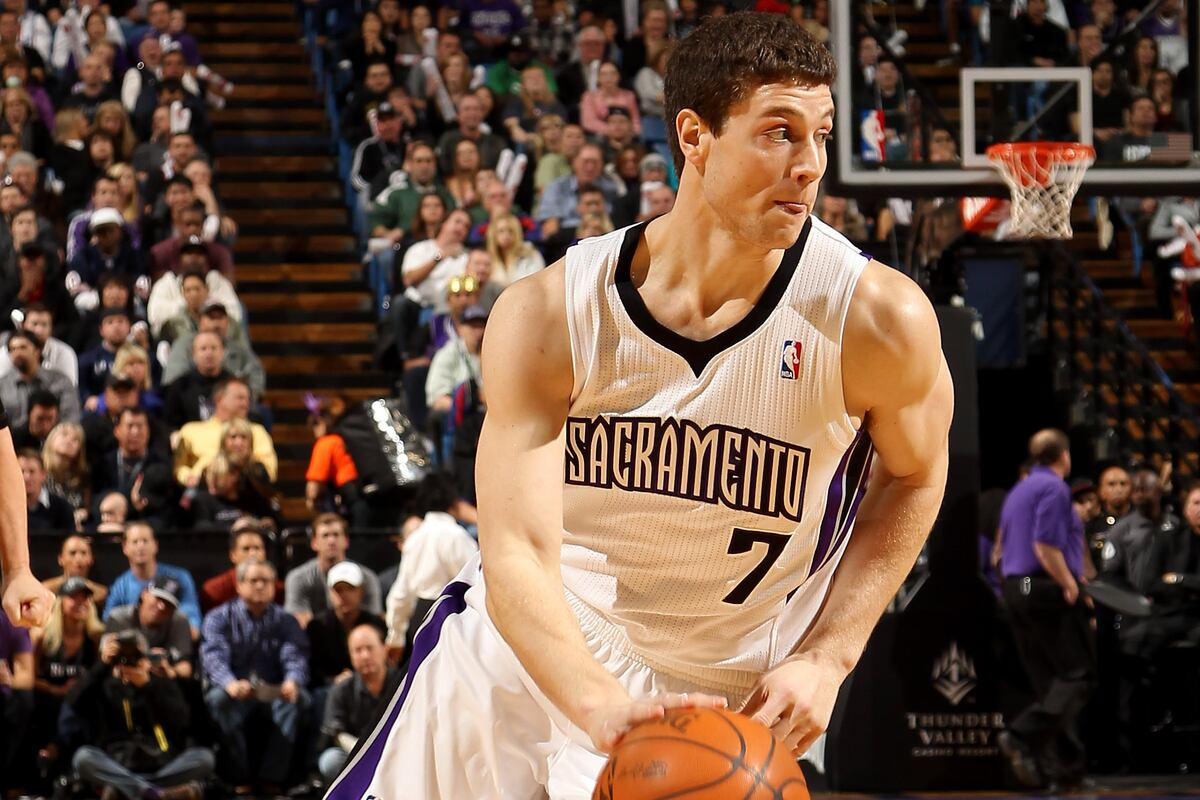
Jimmer Fredette: College Scoring Machine Turned Global Star
During his time at BYU, Jimmer Fredette became one of the most electrifying players in college basketball history.
His deep shooting range and scoring explosions turned him into a national sensation. Fans tuned in just to watch “Jimmer Time.”
His achievements included:
• Leading the nation in scoring
• Captivating March Madness performances
• National media coverage and viral highlights
• Massive fan popularity
However, Fredette’s NBA career never matched his college success. Defensive challenges and speed mismatches limited his opportunities.
Where Is He Now?
Fredette built a highly successful overseas career, particularly in China, where he became a superstar. He earned significant contracts and later represented Team USA in international competitions.
His career shows that basketball success extends far beyond the NBA.
Adam Morrison: Gonzaga Legend, NBA Misfit
Adam Morrison became one of college basketball’s most recognizable stars during his time at Gonzaga. His mustache, scoring ability, and competitive fire made him unforgettable.
Morrison led the nation in scoring and carried Gonzaga deep into tournament contention.
Yet injuries and defensive limitations prevented long-term NBA success despite winning championships as a reserve player.
Where Is He Now?
Morrison later transitioned into broadcasting and coaching roles, frequently working with Gonzaga programs and remaining involved with basketball analysis.
Fans still associate Morrison primarily with his college dominance.
Jay Williams: Stardom Interrupted
Jay Williams looked destined for NBA greatness after an extraordinary Duke career and early NBA draft selection.
But tragedy struck early in his professional career. A severe motorcycle accident ended his playing career prematurely.
Where Is He Now?
Williams reinvented himself, becoming a respected basketball analyst and commentator. He now appears regularly on national sports broadcasts, offering insights into college and professional basketball.
His journey highlights resilience beyond athletics.
Why Overseas Basketball Became a Second Chance
For many NCAA stars, international leagues provided opportunities unavailable in the NBA.
Playing overseas offers:
• Competitive professional environments
• Strong financial compensation
• Star player opportunities
• Loyal fanbases
• Extended playing careers
Players often become franchise cornerstones abroad, earning recognition and stability.
Many former NCAA stars find long-term satisfaction playing internationally.
Life After Basketball: Success Beyond the Court
Not all former stars remain in basketball.
Some pursue entirely new career paths, including:
• Coaching careers at college or professional levels
• Broadcasting and sports media roles
• Business ownership and entrepreneurship
• Real estate investment
• Corporate leadership positions
• Community engagement and philanthropy
College basketball fame often creates networking opportunities that help players succeed outside sports.
Why Fans Remember College Heroes Forever
College basketball fosters emotional connections rarely matched in professional sports.
Reasons fans remember college stars include:
• Players staying multiple seasons
• Campus culture creating personal bonds
• March Madness tournament heroics
• Dramatic wins shared with communities
Fans grow attached to players who represent their schools, making memories that outlast professional careers.
Lessons for Young Athletes
Stories of NCAA stars who never reached NBA superstardom still offer valuable lessons.
Young players should remember:
• Education provides lifelong opportunities
• Professional success exists worldwide
• Flexibility helps career development
• Injuries and setbacks can redirect lives positively
• Passion for basketball extends beyond playing careers
Success is not defined solely by NBA achievement.
NBA Success Isn’t the Only Legacy
Fans sometimes view NBA success as the only measure of greatness, but college basketball legends contribute immensely to the sport’s history.
These players:
• Created unforgettable tournament moments
• Elevated college programs nationally
• Inspired future athletes
• Delivered lifelong memories to fans
Their impact transcends professional statistics.
Staying Connected to the Game
Many former college stars remain involved in basketball through:
• Coaching youth programs
• Running training academies
• Broadcasting and analysis
• University ambassador roles
• Mentorship programs
Basketball communities often remain lifelong homes for former players.
Final Thoughts: Legends Beyond the NBA
Not every college star becomes an NBA superstar—and that’s perfectly fine.
Basketball careers take unpredictable paths. Some players become international stars, others thrive in coaching or media, and many build successful careers beyond sports.
What remains constant is the joy they gave fans during unforgettable college seasons.
College basketball legends live forever through memories they created.
Their stories remind us success comes in many forms.
Frequently Asked Questions (Trending Searches)
1. Why do some NCAA stars fail in the NBA?
Ans. NBA competition is faster and more athletic, and some college stars struggle adapting to professional roles and physical demands.
2. Do former college stars make good money overseas?
Ans. Yes, many players earn strong salaries playing in Europe or Asia, sometimes exceeding NBA minimum contracts.
3. Can college success lead to coaching careers?
Ans. Absolutely. Many former stars transition into coaching roles or basketball development positions.
4. Why do fans remember college players more than pros?
Ans. College players often stay longer and create emotional campus connections through tournament moments.
5. Did injuries prevent some NCAA stars from succeeding professionally?
Ans. Yes, injuries frequently derail professional careers despite strong college performances.
6. Is playing overseas considered successful?
Ans. Yes. Overseas leagues offer competitive basketball and financial stability.
7. Do former NCAA stars become broadcasters?
Ans. Many leverage their playing experience into media careers.
8. Does education help players after basketball?
Ans. Yes. College degrees and networks often support careers beyond sports.
9. Why is NBA style different from college play?
Ans. NBA games emphasize spacing, athleticism, and professional systems that differ from college strategies.
10. Are college legends still involved in basketball communities?
Ans. Many remain active through coaching, mentoring, and community engagement.
About the Author