Several NCAA basketball records set decades ago remain untouched despite modern athletic training, analytics, and elite recruiting pipelines. From Pete Maravich’s legendary scoring mark to astonishing rebounding and tournament performances, these achievements endure because the college game itself has changed. Understanding why these records still stand offers fans a deeper appreciation for both basketball history and today’s evolving NCAA landscape.
College basketball constantly produces new stars, thrilling tournament runs, and unforgettable buzzer-beaters. Yet beneath the excitement of each new season lies a fascinating reality: some of the most unbelievable records in NCAA basketball history remain unbroken — and may never fall.
Many fans assume modern players have surpassed historic milestones thanks to improved conditioning, coaching, and analytics. Surprisingly, that’s not the case. In fact, several records established decades ago are now nearly impossible to match due to how much the college game has changed.
This article explores the most shocking NCAA basketball records that still stand, explains why modern players struggle to break them, and answers the questions fans most frequently search about college basketball history. By the end, you’ll see why certain numbers from the past remain untouched—and why they continue to fascinate fans today.
Why So Many Old NCAA Records Still Stand
To understand why historic records remain intact, we must first understand how drastically college basketball has evolved.
Several major differences separate earlier eras from today’s game:
- Freshmen were once not allowed to play varsity basketball.
- Star players often stayed all four years.
- Coaches rarely substituted players.
- Teams played slower, giving stars more possessions.
- Three-point shooting didn’t exist until the late 1980s.
- NBA draft opportunities were less accessible, keeping talent in college longer.
Ironically, these differences allowed individual players to accumulate extraordinary statistics. Today’s environment, though more competitive and efficient, limits those opportunities.
Modern players are often better athletes, but they simply don’t stay long enough—or shoot enough—to reach those towering totals.
Pete Maravich’s Career Scoring Record: The Most Untouchable Number
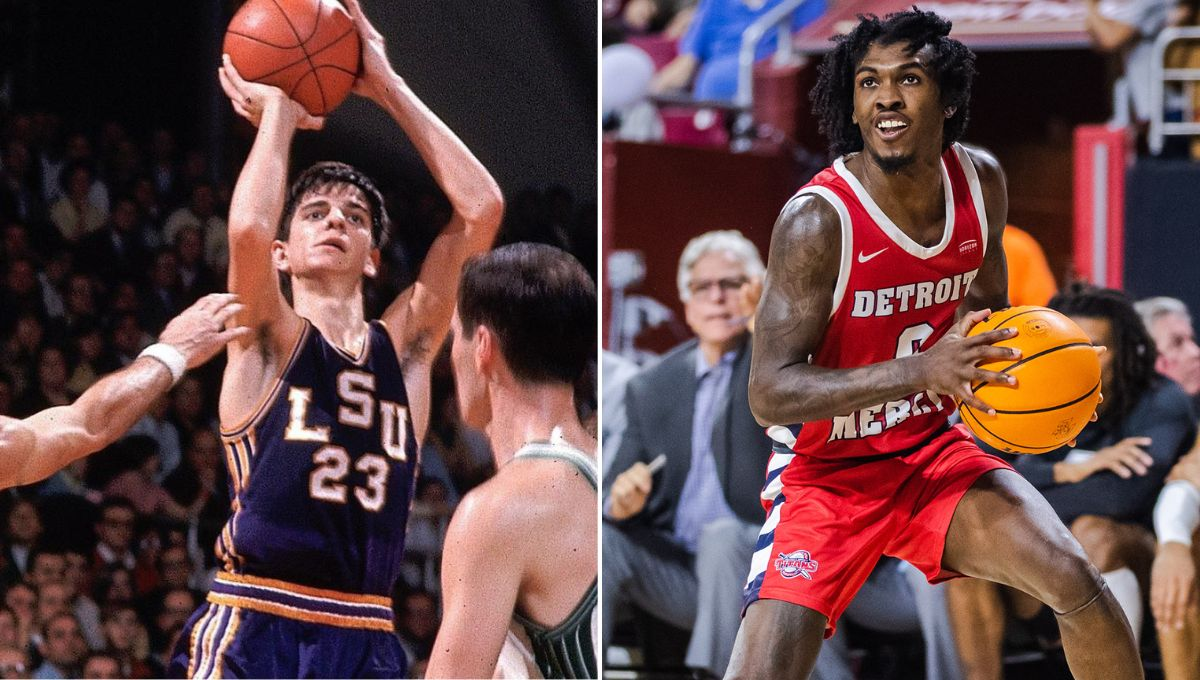
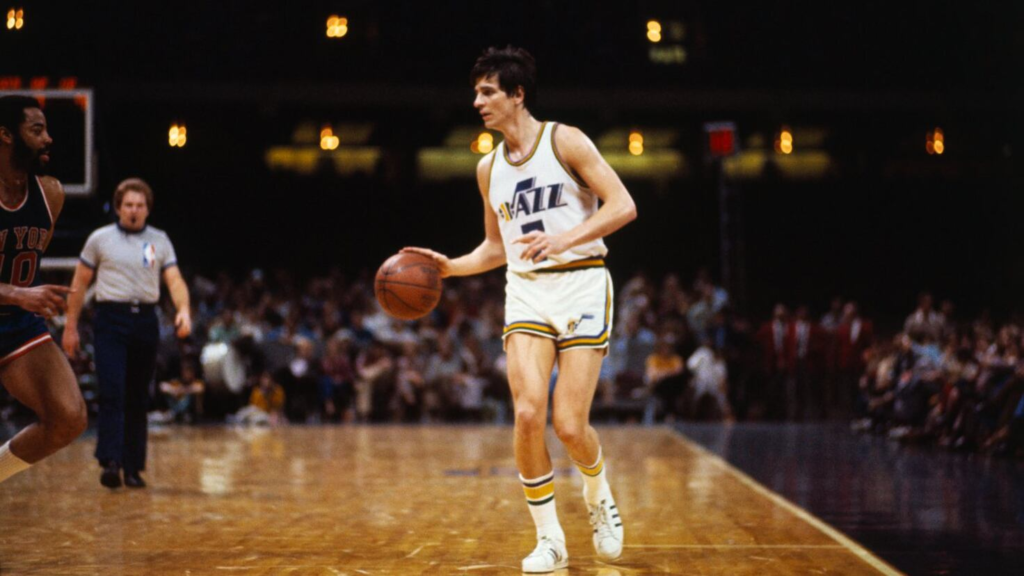
No NCAA basketball record captures the imagination quite like Pete Maravich’s scoring dominance at LSU.
Between 1967 and 1970, Maravich scored 3,667 career points, a number so massive that many fans assume it must have been broken long ago.
Here’s what makes the achievement astonishing:
- Maravich played only three varsity seasons, since freshmen were ineligible.
- There was no three-point line, meaning every long-range shot counted for only two points.
- Defenses focused entirely on stopping him, yet he still dominated.
- He averaged 44.2 points per game, a figure unimaginable today.
Analysts estimate that with today’s three-point line, Maravich’s total might have exceeded 4,500 points.
Modern stars rarely stay in college long enough to threaten this mark. Players like Kevin Durant, Carmelo Anthony, and Zion Williamson left after one season.
Talent isn’t the issue—time is.
Rebounding Records That Look Impossible Today
Rebounding statistics from earlier decades often seem unreal compared to modern numbers.
Consider historic achievements:
- Tom Gola grabbed over 2,200 career rebounds.
- Bill Russell averaged more than 20 rebounds per game in college.
- Elvin Hayes dominated boards at a rate modern players rarely approach.
Why don’t we see numbers like this now?
The modern game features:
- Smaller, faster lineups
- Increased three-point shooting
- Better shooting percentages
- Frequent substitutions
- Faster transition play
All of this reduces rebounding opportunities for any one player. Modern stars rarely reach even half of historic totals.
NCAA Tournament Scoring Records Still Standing
Every March brings explosive scoring performances, yet tournament scoring records remain untouched.
Bill Bradley’s 58-point tournament game in 1965 still stands as one of the greatest performances in NCAA history.
Despite offensive systems favoring three-point shooting today, nobody has surpassed that mark.
Modern teams:
- Rotate defenses faster.
- Scout opponents thoroughly.
- Spread scoring among multiple players.
As a result, single-player scoring explosions are rarer in tournament play.
Coaching Records That May Never Fall
It’s not only players who hold enduring records. Coaches also set milestones unlikely to be matched.
Mike Krzyzewski retired as the winningest Division I men’s coach, accumulating over 1,200 victories.
Why is this record so hard to break?
Modern coaching challenges include:
- Greater pressure and scrutiny
- Frequent job changes
- Higher burnout rates
- Shorter career longevity
Few coaches remain at elite programs for decades as Coach K did at Duke.
Why Modern Players Can’t Catch Old Records
Many fans wonder: aren’t modern players better athletes?
Yes, but statistics depend on opportunity as much as ability.
Modern college basketball includes:
- Early NBA departures
- Balanced offensive systems
- Load management
- Transfer portal movement
- Shorter college careers
A star today might average 18–22 points per game before leaving school. Historic players sometimes averaged double that.
The structure of the game—not player skill—explains the gap.
Forgotten NCAA Records That Still Exist
Beyond famous records, several lesser-known marks still stand:
- Career field goals made records
- Career free-throw attempts totals
- Consecutive double-double streaks
- Career assists totals
- Minutes played records
These achievements come from eras when stars rarely left the floor.
Real-Life Examples: Modern Stars vs Historic Records
Recent college stars demonstrate how difficult record chasing has become.
Steph Curry electrified audiences at Davidson but left after three seasons, finishing far short of career scoring records.
Zion Williamson dominated college basketball but played only one season.
Jimmer Fredette was one of the best scorers in modern NCAA history but still couldn’t challenge historic totals.
Modern stars shine brightly—but briefly.
Analytics Changed How Teams Play
Modern basketball strategy prioritizes efficiency over volume.
Coaches now emphasize:
- Shot selection
- Defensive rotations
- Spacing and ball movement
- Balanced scoring
- Pace control
Rather than allowing one player to shoot endlessly, teams distribute responsibility.
This wins games—but prevents individual statistical extremes.
Could Anyone Break These Records Today?
Breaking historic records would require rare circumstances:
- A superstar staying four full seasons
- A coach allowing extremely high shot volume
- Exceptional durability
- Limited NBA draft pressure
- Strong team support
With professional opportunities expanding, this scenario is unlikely.
However, NIL deals could encourage some stars to stay longer, potentially reshaping future record pursuits.
What These Records Teach Fans
Historic records show how much basketball has evolved.
They teach us:
- Opportunity matters as much as talent.
- Coaching philosophy shapes statistics.
- Rule changes impact records.
- Longevity builds legends.
Records serve as time capsules of basketball history.
NCAA Records That Still Shock Fans Today
Some records fans are often surprised still stand include:
- Pete Maravich’s career scoring total
- Bill Bradley’s tournament scoring performance
- Historic rebounding totals
- Career coaching wins records
- Consecutive double-double streaks
- Career assists numbers
- Minutes played totals
- 40+ point scoring averages in seasons
- Career field goal records
- Historic tournament scoring bursts
These numbers remind fans how different college basketball once was.
Emotional Connection to NCAA Records
College basketball thrives on tradition and shared memories.
Fans remember watching legendary players or hearing stories passed down through generations.
These records connect eras, families, and communities.
They’re more than numbers—they’re cultural milestones in the sport.
Final Thoughts: Why These Records Matter
Historic NCAA basketball records remain intact not because modern players lack skill, but because the structure of college basketball has transformed.
Players leave earlier. Teams share scoring. Strategies emphasize efficiency.
Some records may truly never be broken.
And that’s part of what makes college basketball history so compelling.
Frequently Asked Questions (FAQ)
- What is the hardest NCAA basketball record to break?
Ans. Pete Maravich’s 3,667 career points is widely considered the toughest record to break because modern players leave college early and rarely play enough seasons to accumulate comparable totals. - Why do so many old NCAA records still stand?
Ans. Earlier players often stayed four years, played nearly every minute, and shot more frequently, allowing them to compile massive statistics compared to today’s shorter college careers. - Has anyone come close to breaking Maravich’s record?
Ans. No modern player has seriously threatened the record due to early NBA departures and team-oriented offensive systems. - Why don’t players stay four years in college now?
Ans. Many leave early for professional opportunities or pursue NIL income and professional careers as soon as possible. - Did older players play more minutes per game?
Ans. Yes, substitutions were less common, so star players often played nearly entire games. - Could NIL deals help players break records in the future?
Ans. NIL deals may encourage some players to stay longer, but professional ambitions still drive many athletes to leave early. - Why are rebounding records so hard to beat today?
Ans. Modern offenses spread the floor, leading to fewer rebounding opportunities for individual players. - What tournament scoring record still surprises fans?
Ans. Bill Bradley’s 58-point NCAA tournament performance remains unmatched despite modern offensive advantages. - Are coaching records also difficult to break?
Ans. Yes, modern coaching careers are often shorter due to pressure and job movement, making long-term win totals harder to accumulate. - Will any of these records ever be broken?
Ans. While theoretically possible, modern college basketball structures make many historic records extremely unlikely to fall.
-xxx-
Video link – https://youtu.be/Yo_YwNCEZcs
About the Author