Across American sports, fans are increasingly disengaged from the regular season. Oversized schedules, load management, predictable outcomes, and an overwhelming focus on playoffs have reduced the emotional stakes of everyday games. This shift doesn’t reflect declining passion for sports—it reveals a misalignment between how leagues structure seasons and how modern fans consume and value competition.
A Problem Hiding in Plain Sight
Professional sports in the United States appear healthier than ever. Media rights deals are soaring. Franchise valuations continue to rise. Social media engagement is massive.
Yet beneath the surface, a quieter issue is growing.
Many fans still love their teams—but fewer feel emotionally invested in the regular season itself. They check scores instead of watching full games. They tune in selectively. They save their excitement for the postseason.
This isn’t because fans suddenly became disloyal. It’s because the regular season no longer feels essential.
What Does “Falling Out of Love With the Regular Season” Actually Mean?
It does not mean fans have stopped caring about sports.
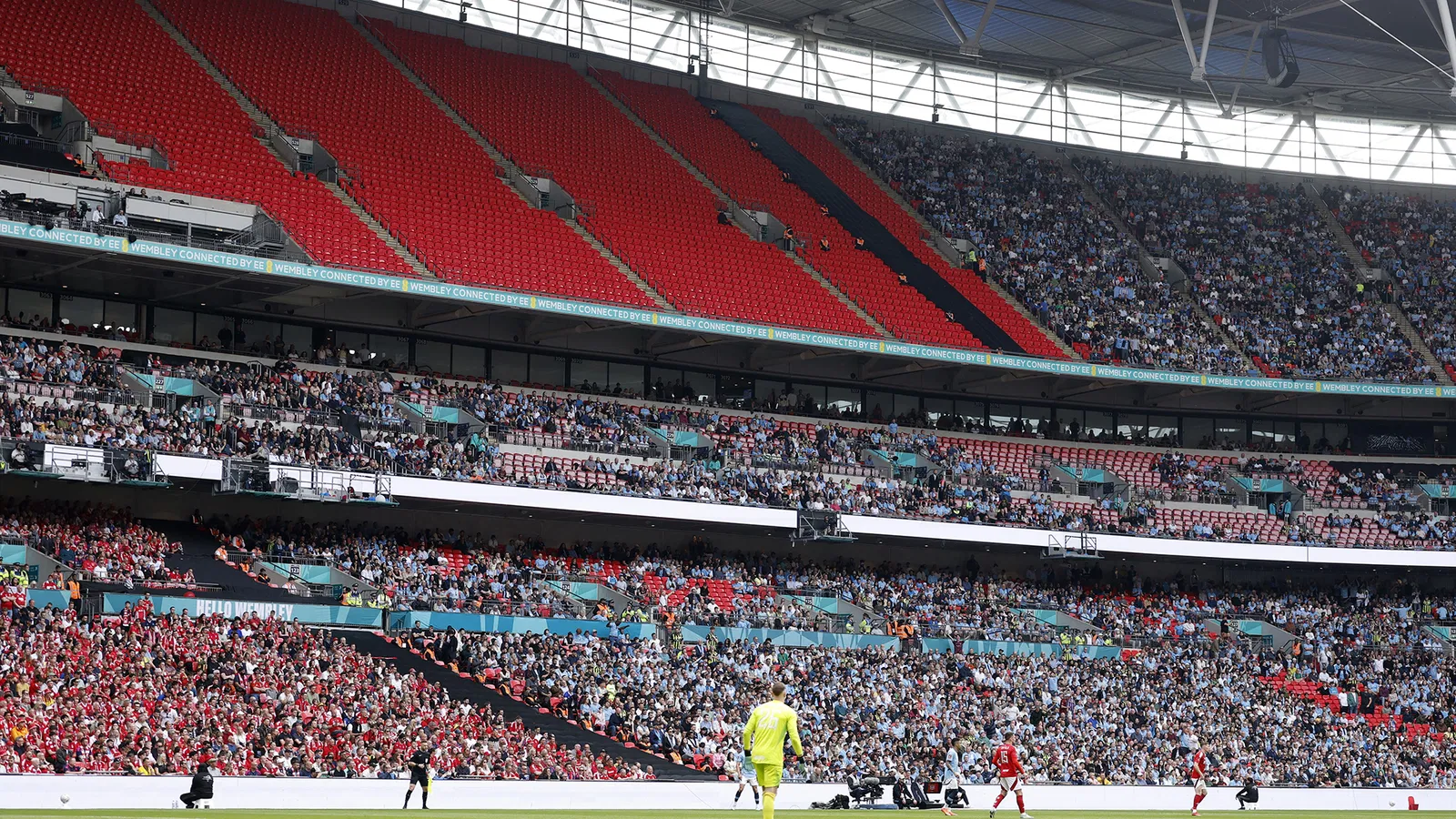
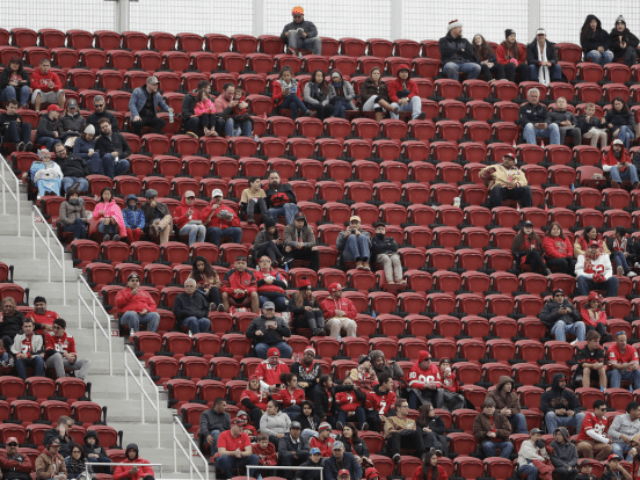
It does not mean stadiums are empty across the board.
It does not mean leagues are failing financially.
What it does mean is:
- Fewer games feel must-watch
- Emotional investment is spread thin
- Fans prioritize highlights over full broadcasts
- Playoffs matter far more than the journey
Fans haven’t disappeared. They’ve adapted.
When Did the Regular Season Start Losing Its Meaning?
There was no single moment when fans collectively checked out. Instead, several trends slowly converged.
Over the past decade:
- Schedules expanded or remained bloated
- Analytics reshaped how teams value wins
- Player availability became more strategic
- Media coverage became constant but shallow
Each change made sense on its own. Together, they quietly diluted the significance of regular-season games.
Too Many Games, Too Little Urgency
One of the most common questions fans now ask is painfully simple:
“Why does this game matter?”
In leagues like the NBA, an 82-game season means any single matchup often feels disposable. Losing streaks can be erased. Bad months can be overcome. Seeding frequently matters less than health.
When:
- Playoff fields are large
- Margins for error are wide
- Late surges are common
Fans naturally conserve their emotional energy.
Why obsess over Game 14 when Game 79 is what truly shapes the narrative?
Load Management Changed the Fan Experience
Load management may be logical for teams, but it has altered how fans experience the regular season.
Picture a familiar scenario:
- Tickets are purchased weeks in advance
- Travel and schedules are planned
- A star player is ruled out shortly before tip-off
This happens often enough that fans now expect someone to sit.
The result:
- Less urgency to watch live
- Less trust in the product
- Less emotional payoff for attendance
Even when teams are acting responsibly, the relationship with fans takes a hit.
When the Playoffs Become the Only Thing That Counts
Modern sports culture is increasingly binary:
Championship or failure.
Media narratives reinforce this constantly.
A team can:
- Win 55 regular-season games
- Secure a high playoff seed
- Lose before the Finals
And the season is widely labeled a disappointment.
When success is defined solely by postseason results, the regular season becomes a formality—a long prelude rather than a meaningful competition.
Predictability Has Replaced Suspense
Another reason fans disengage is predictability.
Thanks to:
- Advanced analytics
- Betting markets
- Power rankings
- 24/7 sports commentary
Most fans can identify true contenders early in the season.
Once that hierarchy feels established:
- Upsets feel temporary
- Midseason drama feels cosmetic
- Outcomes feel pre-scripted
When suspense fades, so does emotional attachment.
Highlights Are Replacing Full Games
The way fans consume sports has fundamentally changed.
Many fans today:
- Watch short clips instead of full broadcasts
- Follow scores through apps
- Tune in only for late-game moments
This isn’t laziness—it’s efficiency.
With limited time and endless content, fans gravitate toward moments rather than marathons. Unfortunately, the regular season often struggles to compete in an attention economy built around immediacy.
Broadcasts Haven’t Kept Up With Viewing Habits
While fan behavior has evolved, many broadcasts feel stuck in the past.
Common complaints include:
- Excessive commercial breaks
- Repetitive commentary
- Overanalysis without storytelling
- Little emotional context for average games
When a matchup already feels low-stakes, broadcast friction makes it even easier to tune out.
Ticket Prices Don’t Match Perceived Value
For fans attending games in person, the disconnect can be sharper.
Regular-season games often come with:
- Premium pricing
- Added fees
- Uncertain star participation
When the experience doesn’t justify the cost, fans become selective.
They still show up for:
- Rivalry games
- Star appearances
- Late-season playoff races
But everyday matchups are increasingly skipped.
What Fans Say They Miss Most
Talk to longtime fans and a clear theme emerges.
They miss:
- Rivalries that mattered every night
- Stars embracing the grind
- Seasons that felt like stories, not waiting rooms
- The sense that every game moved the narrative forward
In short, they miss meaning.
Is This Really a Fan Problem?
It’s easy to blame attention spans.
But fans didn’t wake up one day and decide to care less.
Leagues made choices:
- Expanded schedules
- Emphasized rest
- Marketed championships above all else
Fans simply responded to those incentives.
When the system signals that the regular season is secondary, fans believe it.
Why Some Leagues Still Feel Different
Not all leagues face the problem equally.
The NFL remains the gold standard for regular-season urgency because:
- Games are scarce
- Every loss matters
- Playoff margins are razor-thin
Scarcity creates stakes.
Leagues with long seasons struggle to replicate that intensity without structural changes.
Can the Regular Season Be Fixed?
Fans frequently ask whether this trend is reversible.
The honest answer: partially—but not easily.
Ideas gaining traction include:
- Shorter seasons
- Fewer playoff teams
- In-season tournaments
- Greater transparency around player availability
Each solution has trade-offs. But inaction risks further disengagement.
What Fans Can Do (Realistically)
While leagues control structure, fans still shape outcomes.
Fans who want a better regular season can:
- Support rivalry and meaningful games
- Reward strong storytelling
- Engage beyond highlights
- Advocate for competitive integrity
Attention is currency—and leagues follow it.
What This Trend Really Says About Fans
Fans aren’t falling out of love with sports.
They’re falling out of love with filler.
They want:
- Stakes
- Authentic competition
- Emotional continuity
- Games that matter beyond a single night
The regular season can still provide that—if it’s designed to.
The Regular Season Isn’t Dead—It’s Misaligned
The biggest misconception is that this decline is inevitable.
It isn’t.
The regular season still:
- Develops players
- Builds chemistry
- Creates rivalries
- Tells the long story
But its value has been overshadowed by systems that treat it as optional viewing.
Realignment—not abandonment—is the challenge ahead.
Key Takeaways
For leagues:
Meaning matters more than volume.
For players:
Availability shapes fan loyalty.
For fans:
Your attention influences the product more than you think.
The regular season doesn’t need to disappear.
It needs to matter again.
Frequently Asked Questions (FAQ)
1. Why are fans less interested in the regular season today?
Ans. Long schedules, load management, and playoff-focused narratives have reduced the importance of individual games.
2. Is load management the biggest reason fans are disengaged?
Ans. It’s a major factor, especially when fans pay to see star players who don’t participate.
3. Do playoffs overshadow the regular season too much?
Ans. Yes. Modern sports culture often treats regular-season success as irrelevant without playoff validation.
4. Are TV ratings actually declining?
Ans. Engagement has shifted more toward highlights and marquee games rather than full-season viewing.
5. Why does the NFL regular season feel more meaningful?
Ans. Fewer games and higher stakes make every matchup matter significantly.
6. Are younger fans less invested in regular seasons?
Ans. Younger fans consume sports differently, prioritizing moments and narratives over full games.
7. Would shorter seasons solve the problem?
Ans. Possibly, but they introduce financial and logistical challenges.
8. Do in-season tournaments help restore interest?
Ans. They can, but only if fans believe the stakes are legitimate.
9. Is ticket pricing part of the issue?
Ans. Yes. High prices for low-stakes games reduce attendance enthusiasm.
10. Will fans ever love the regular season again?
Ans. Yes—if leagues restore urgency, transparency, and meaning to the schedule.
About the Author