Basketball today looks strikingly similar at every level—from AAU tournaments to the professional stage. Players develop the same skills, teams run the same systems, and games follow predictable patterns. This in-depth article explores how AAU culture, analytics, social media, and modern coaching incentives shaped a uniform style of play, and why fans increasingly feel individuality has been replaced by efficiency.
Introduction: When Basketball Started Looking Familiar Everywhere
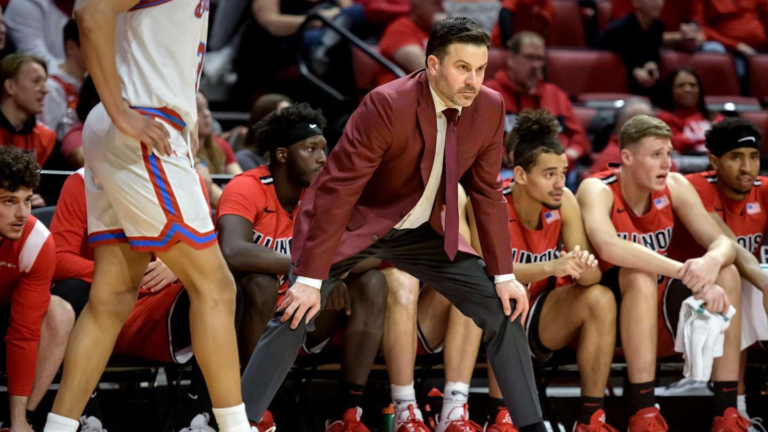
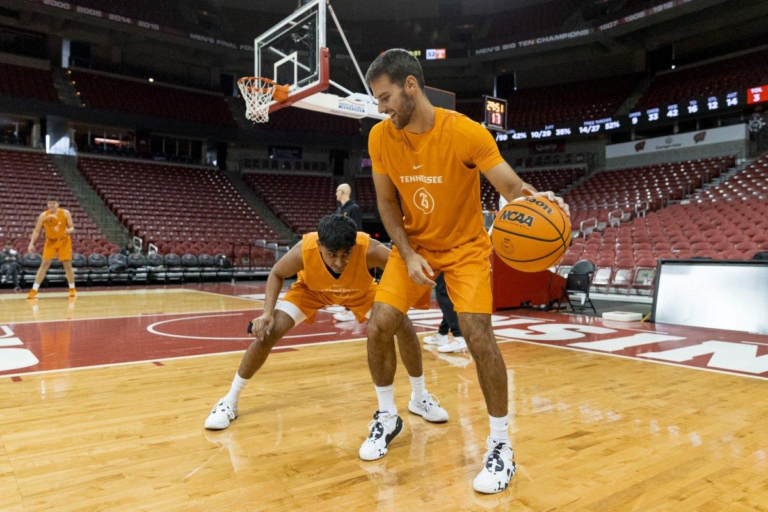
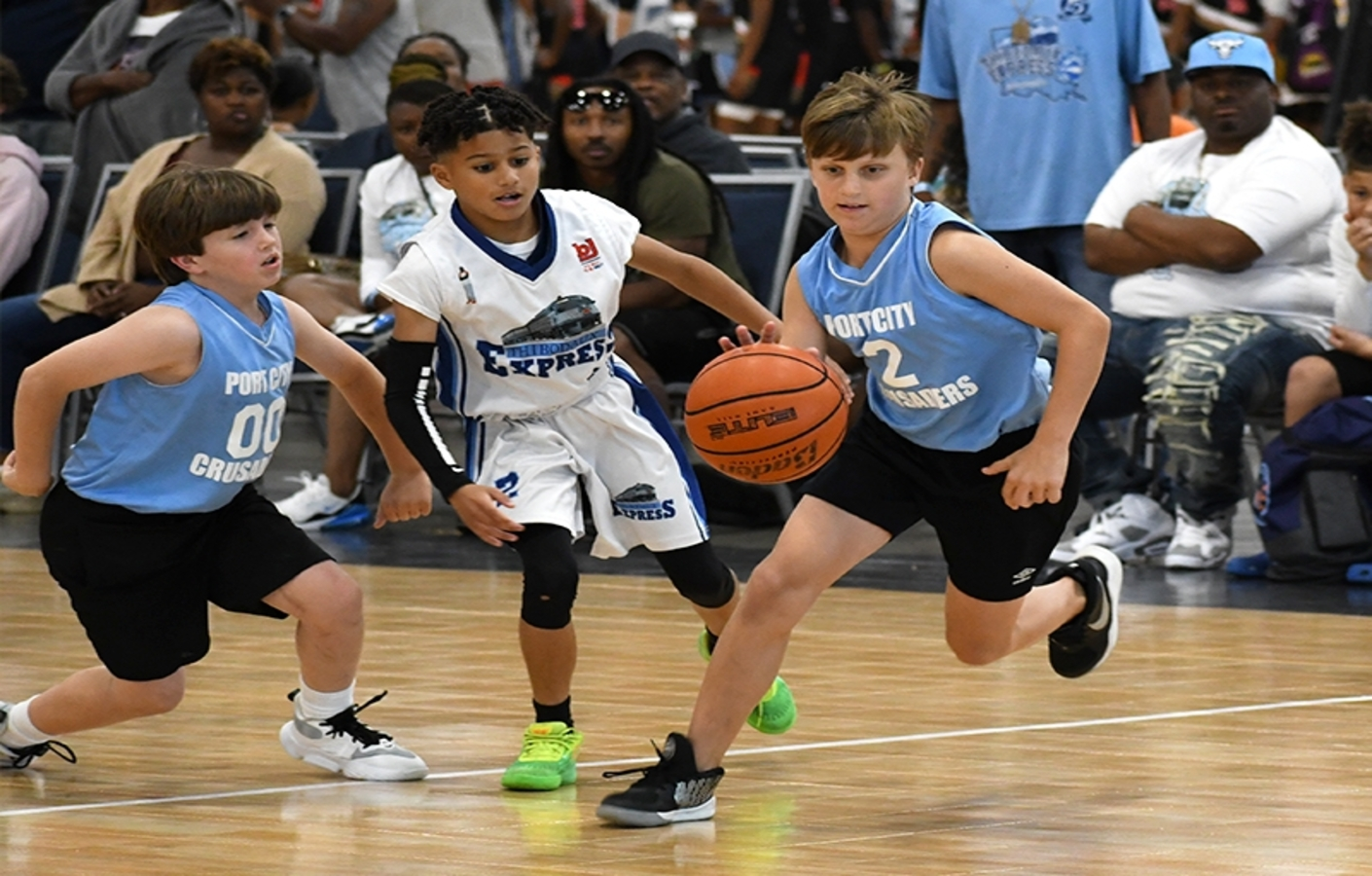
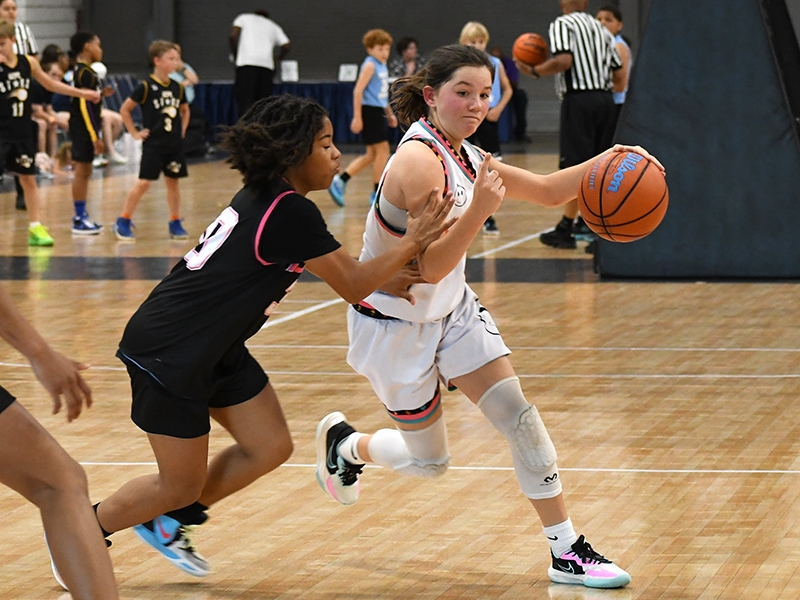
Watch an AAU game in a crowded gym, then flip on a college matchup, and later catch a late-night professional game in the NBA.
Something jumps out immediately.
The spacing looks the same.
The shots come from the same areas.
The offenses feel interchangeable.
Different players. Different arenas. Same basketball.
This isn’t nostalgia or exaggeration. It’s a reflection of how the modern basketball pipeline works. From childhood development to professional success, players are guided—sometimes unknowingly—toward a single “correct” way to play.
Fans across the United States are asking a simple but uncomfortable question:
Why does everyone play the same now?
The answer lies in how basketball development became standardized long before players ever reached the pros.
What Is AAU Basketball—and Why Is It So Influential?
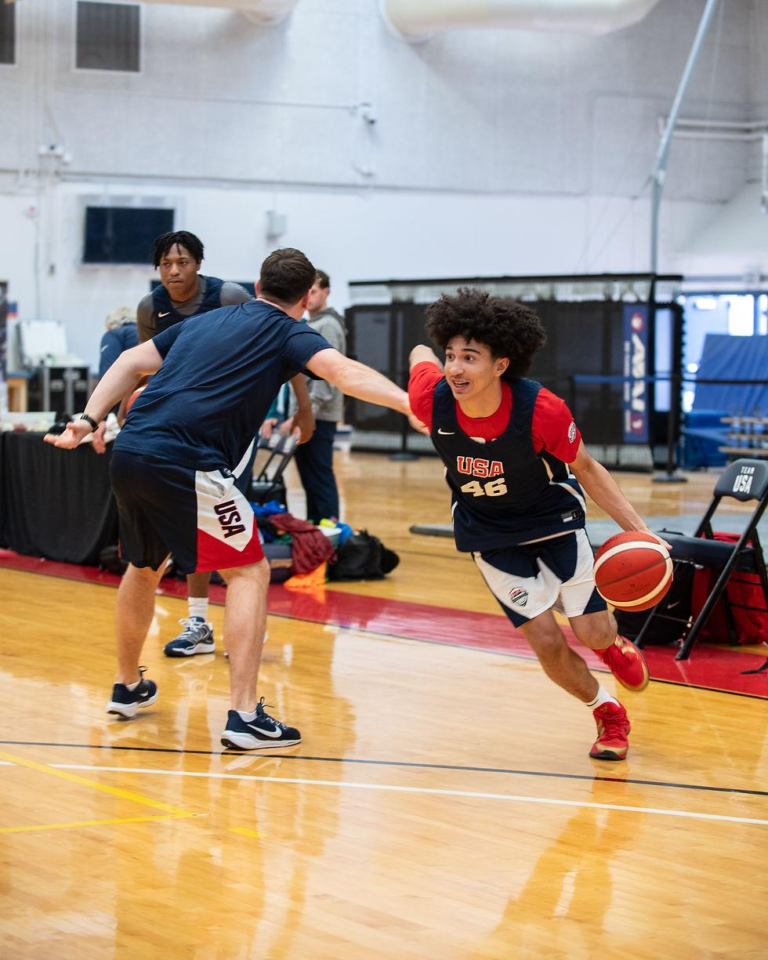
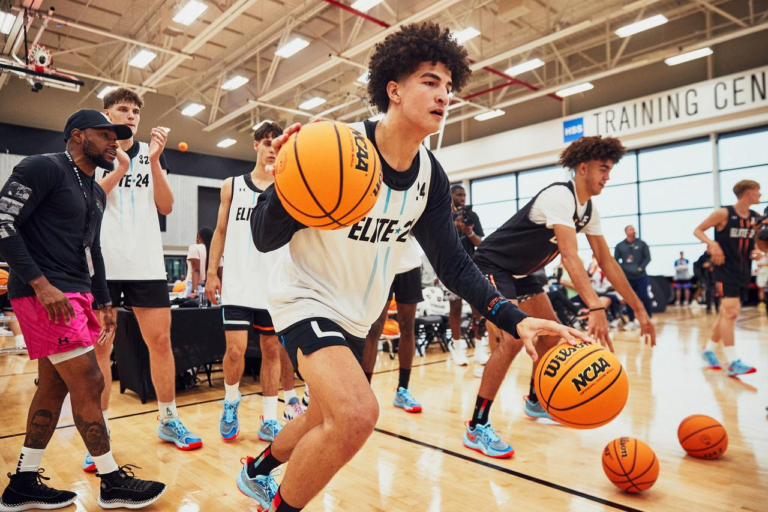
AAU (Amateur Athletic Union) basketball is the dominant youth development system in the United States. For elite prospects, it has largely replaced traditional school-based pathways as the primary route to exposure, scholarships, and professional opportunities.
AAU offers clear benefits:
- National competition at an early age
- Direct access to college recruiters
- Year-round play and visibility
- High-level individual skill training
But AAU also introduced something new: a unified style of play built around exposure rather than experimentation.
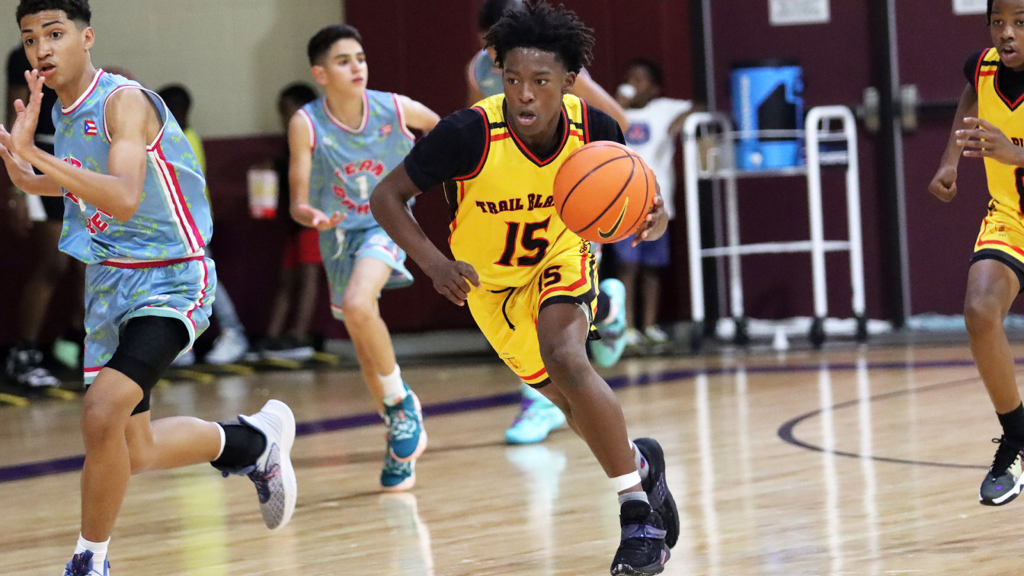
When thousands of players grow up playing in the same tournaments, under the same evaluative lens, a shared basketball language forms. Over time, that language becomes the default.
When Winning and Exposure Replaced Development
One of the most important shifts in youth basketball happened quietly.
Development took a back seat to results.
In many AAU environments:
- Players are evaluated every possession
- Minutes depend on immediate production
- Coaches prioritize showcase-friendly basketball
- Mistakes reduce playing time instantly
The safest way for a young player to survive is to play basketball scouts already understand.
That usually means:
- Ball-dominant scoring
- Quick shots
- Minimal post play
- Simplified reads
Creative risks feel dangerous. Safe efficiency feels rewarded.
Why Young Players Are Taught the Same Skills
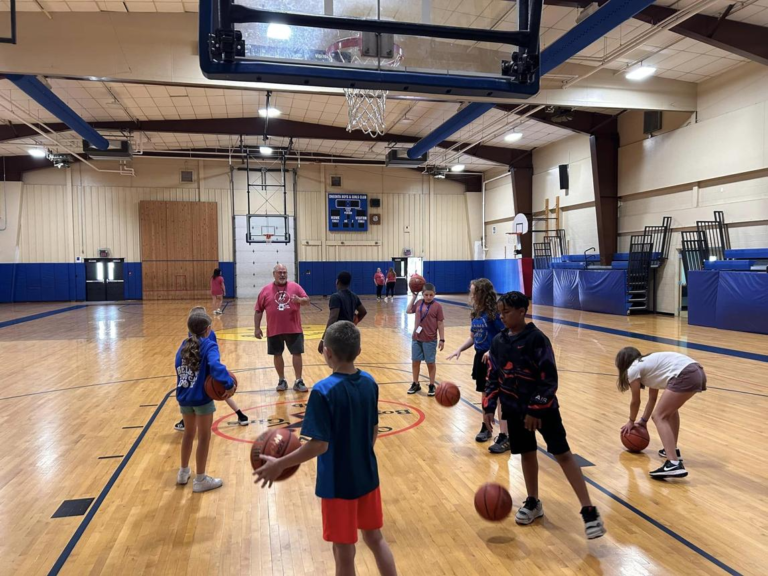
Step into most private basketball training sessions today and the pattern is clear.
Players work on:
- Advanced ball-handling
- Step-back jumpers
- Pick-and-roll reads
- Shooting off the dribble
These skills are valuable—but when everyone trains the same package, uniqueness disappears.
Big men are discouraged from post development because it doesn’t translate to highlights. Guards prioritize scoring moves over playmaking because assists don’t trend online. Defensive specialists struggle for recognition because defense doesn’t show up in mixtapes.
Over time, development pipelines produce players who look different physically—but play almost identically.
How Social Media Became an Invisible Coach
Social media didn’t just change how basketball is consumed. It reshaped how it’s played.
Online platforms reward:
- Flashy handles
- Deep three-pointers
- Isolation scoring
- Individual moments
They rarely reward:
- Defensive rotations
- Screening
- Off-ball movement
- Communication
Young players adapt quickly. They learn what gets clipped, shared, and remembered.
Gradually, social media becomes an invisible coach—guiding style, decision-making, and priorities without ever stepping onto the court.
From AAU to College: Why Systems Rarely Change
By the time elite players reach college programs, their basketball habits are deeply ingrained.
College coaches, often under pressure to win immediately, tend to build around what players already know. Teaching radically different systems risks confusion and short-term losses.
As a result:
- Spacing increases
- Pace accelerates
- Systems simplify
College basketball becomes a refinement stage rather than a re-education stage. By the time players enter the professional ranks, stylistic diversity has already narrowed.
How Analytics Locked in the “Correct” Way to Play
Analytics transformed basketball strategy—and deservedly so.
Data consistently showed:
- Three-point shots outperform midrange attempts
- Floor spacing improves efficiency
- Switching defenses reduce breakdowns
As these findings became mainstream, they filtered down through:
- Coaching clinics
- Player development programs
- Youth playbooks
Eventually, deviation felt irresponsible rather than creative.
Basketball didn’t just evolve. It converged.
Why the NBA Looks So Uniform Today
At the professional level, this convergence is impossible to ignore.
Most teams rely on:
- Five-out spacing
- Drive-and-kick offense
- Switch-heavy defense
- Positionless lineups
This approach works. It wins games.
But it also reduces contrast. Matchups feel less distinct. Styles blur together. The talent level is extraordinary, yet the frameworks feel familiar.
The league didn’t lose stars. It standardized how stars operate.
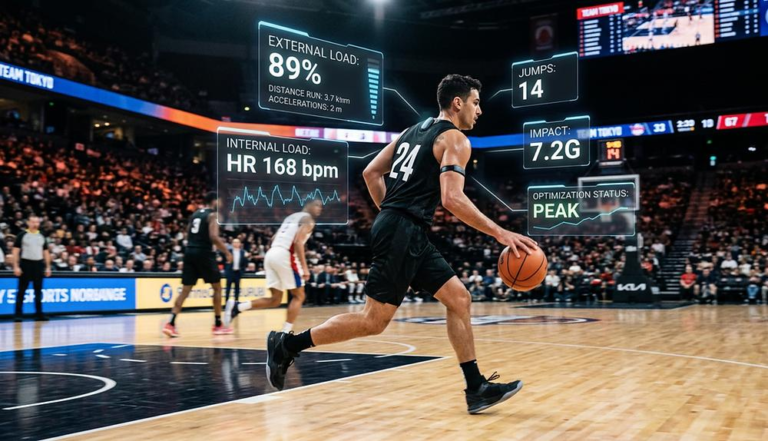
Are Players Still Unique—or Just Differently Efficient?
This question sits at the heart of modern fan frustration.
Players are more skilled than ever, but those skills are expressed through similar systems. Individuality often appears only in efficiency metrics rather than play style.
Earlier eras showcased greatness through visibly different approaches. Today, greatness is measured by optimization.
Fans don’t miss bad basketball. They miss distinct basketball.
Why Coaches Rarely Encourage Stylistic Risk
At every level of the sport, incentives shape behavior.
Risky styles can:
- Hurt short-term results
- Reduce exposure
- Increase scrutiny
Safe styles:
- Align with analytics
- Please evaluators
- Protect coaching jobs
Most coaches aren’t against creativity—they’re against unnecessary risk. When risk isn’t rewarded, creativity naturally retreats.
What Fans Are Searching for Right Now
Search trends and fan discussions consistently reveal the same concerns:
- Why does AAU basketball look identical everywhere?
- Is creativity being coached out of the game?
- Why do NBA teams run the same offense?
- Are players developed—or manufactured?
- Will basketball ever feel unpredictable again?
These aren’t complaints about progress. They’re questions about identity.
Can Basketball Development Change Without Going Backward?
Yes—but it requires a shift in priorities.
Basketball doesn’t need fewer skills. It needs more room to express them differently.
That means:
- Valuing defense and off-ball impact
- Encouraging role diversity
- Rewarding multiple ways to win
- Allowing players to fail creatively
Efficiency and expression do not have to compete. They can coexist.
Practical Takeaways for Players, Parents, and Coaches
- Development should matter more than early exposure
- Not every player needs the same skill set
- Defense and role excellence deserve recognition
- Winning now shouldn’t replace long-term growth
Basketball thrives when players are shaped—not stamped.
Key Takeaways: Why Everyone Plays the Same Now
- AAU standardized early development
- Social media shaped stylistic incentives
- Analytics defined “correct” basketball
- Coaches prioritized safety over identity
- The pipeline rewards sameness
- Fans miss contrast, not progress
Basketball didn’t lose creativity. It priced it out.
Frequently Asked Questions (FAQs)
1. Why does AAU basketball look the same everywhere?
Ans. AAU prioritizes exposure and results, encouraging players to adopt proven, showcase-friendly styles.
2. Is AAU bad for basketball development?
Ans. Not inherently, but its incentives can limit creativity if development isn’t prioritized.
3. Why do young players train the same skills today?
Ans. Trainers focus on skills scouts value most, leading to standardized development.
4. How did analytics affect youth basketball?
Ans. Analytics promoted spacing and shooting, which filtered into youth coaching philosophies.
5. Why do NBA offenses look so similar?
Ans. Most teams use analytics-driven systems focused on efficiency and spacing.
6. Is individuality gone from basketball?
Ans. No, but it’s often expressed through efficiency rather than distinct styles.
7. Why don’t coaches encourage creativity more?
Ans. Risk is rarely rewarded in result-driven environments.
8. Do fans prefer older basketball styles?
Ans. Fans mostly miss stylistic contrast, not outdated tactics.
9. Can basketball development systems change?
Ans. Yes, if incentives shift toward long-term growth and diversity.
10. Will basketball become less predictable again?
Ans. It can, if creativity, defense, and identity are rewarded alongside efficiency.
About the Author