Basketball isn’t suffering from a talent shortage—it’s dealing with a style imbalance. As social media platforms reward flash, isolation, and viral moments, the sport’s emphasis has shifted away from fundamentals, teamwork, and efficiency. From youth gyms to the NBA, highlight culture is reshaping how basketball is played, taught, and judged—often at the expense of winning habits.
Something Feels Off About Modern Basketball
Watch a random basketball game from today, then compare it to one from 15 or 20 years ago. The athletes are stronger. The shooting range is deeper. The skill level is extraordinary.
And yet, many fans feel less connected to what they’re watching.
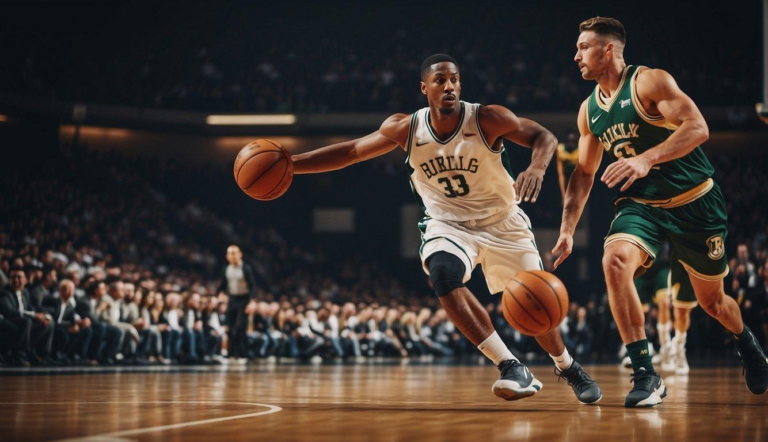
The ball sticks more. Players dance with it longer. Possessions often feel like auditions rather than collaboration. There are more highlights—but fewer sequences that feel earned.
This isn’t a decline in ability. It’s a shift in priorities. And at the center of that shift is social media.
What Does It Mean to Say Basketball Has a “Style Problem”?
The phrase doesn’t mean basketball lacks creativity or flair. Style has always been part of the game. From playground moves to signature shots, individuality has long fueled basketball’s appeal.
The problem is imbalance.
In today’s ecosystem, “good style” is often defined as:
- Flashy dribble combinations
- Deep, contested step-back threes
- Isolation-heavy scoring
- Plays that look impressive in 7–10 seconds
Meanwhile, less visible but equally important elements are undervalued:
- Off-ball movement
- Defensive positioning
- Ball reversals and extra passes
- Shot selection and timing
Basketball hasn’t lost substance—but substance has lost attention.
How Social Media Changed the Incentives of the Game
Social media didn’t just change how fans consume basketball. It changed how players think about it.
Platforms like Instagram, TikTok, and YouTube are built around:
- Short-form content
- Immediate visual payoff
- Algorithmic amplification
A single ankle-breaker clip can reach millions. A perfectly executed defensive rotation rarely leaves the building.
Algorithms don’t reward:
- Decision-making
- Efficiency
- Discipline
They reward spectacle.
And over time, players adapt to what’s rewarded.
When Highlights Became the Blueprint
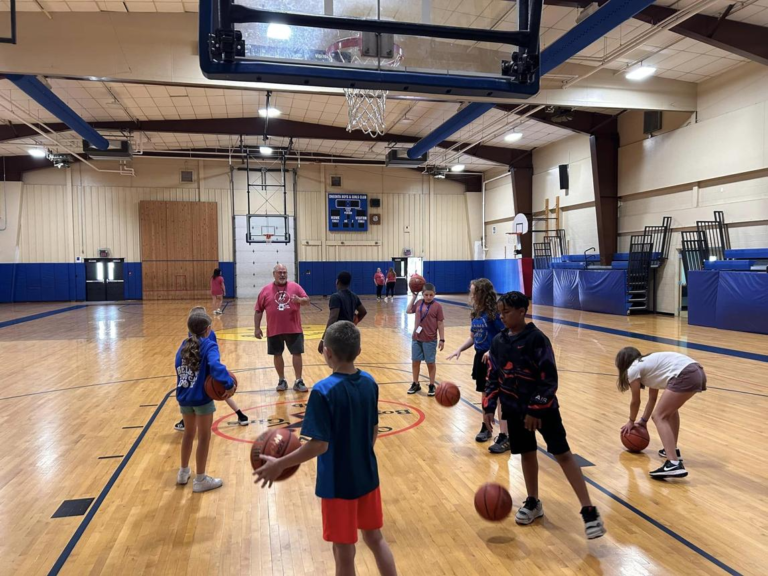
For younger players, social media is no longer just entertainment—it’s education.
Instead of watching full games, many learn through:
- Highlight compilations
- Training clips
- “Bag” breakdowns
These clips overwhelmingly emphasize:
- Isolation scoring
- Dribble creativity
- Tough shot-making
The unintended result is a generation of players who are:
- Extremely skilled individually
- Less comfortable reading the floor
- Less patient within team concepts
They can break down defenders—but struggle to break down defenses.
AAU Basketball and the Exposure Economy
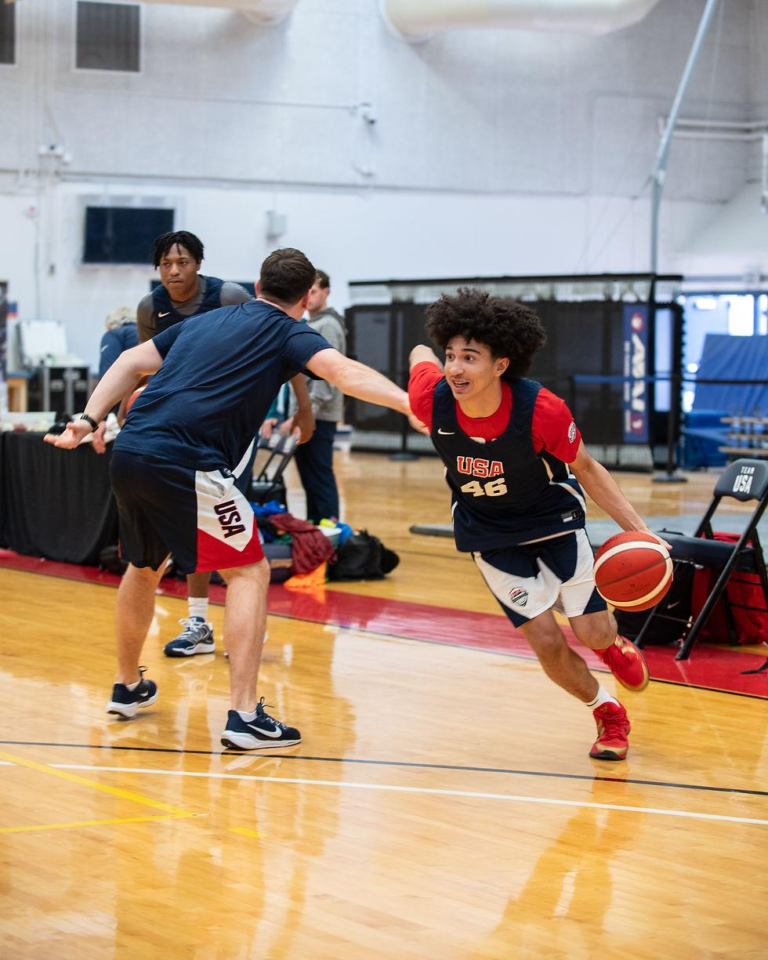
The rise of highlight culture aligns closely with the growth of AAU basketball.
In many competitive youth circuits:
- Exposure is currency
- Visibility drives opportunity
- Individual moments are heavily documented
This system isn’t malicious—it’s a response to recruiting realities.
But when players know scouts, trainers, and fans are watching clips, incentives shift. The safest way to stand out becomes the loudest way.
Flash becomes a shortcut.
Is the NBA Reinforcing This Style Shift?
At the professional level, the influence is more nuanced—but still real.
The NBA is more visible than ever:
- Global audiences
- Social-first marketing
- Star-centric narratives
Players understand that their brand lives beyond the stat sheet.
A viral moment can:
- Expand a personal following
- Attract endorsements
- Shape public perception
This doesn’t mean players stop caring about winning. But it does mean style carries new value alongside substance.
Why Fundamentals Don’t Trend
Here’s the uncomfortable truth:
Winning basketball is often boring to algorithms.
- A perfectly timed help rotation
- A hockey assist
- A defender forcing a tough shot
These plays decide games—but they don’t rack up likes.
When the most important actions are the least visible, they risk being deprioritized—especially by younger audiences raised on instant feedback.
Fans Feel the Shift—Even If They Can’t Name It
Many fans describe modern basketball as:
- “Less connected”
- “Too much one-on-one”
- “All threes and highlights”
What they’re reacting to isn’t lack of talent—it’s lack of flow.
Basketball feels best when:
- Creativity exists within structure
- Stars elevate systems rather than replace them
- Team rhythm amplifies individual brilliance
Social media often flips that balance.
Why Analytics Aren’t the Villain
Analytics often get blamed for the style problem—but that’s misplaced.
Analytics actually reward:
- Efficient shots
- Ball movement
- Shot quality
Social media rewards:
- Difficulty
- Individual creation
- Visual flair
The real tension isn’t analytics vs creativity.
It’s what wins vs what trends.
Coaches Are Trying to Push Back
At higher levels, many coaches are actively resisting highlight-first habits.
They emphasize:
- Decision-making over dribble count
- Reads over reactions
- Defense as a non-negotiable
But this is difficult when players arrive conditioned by years of clip culture.
Teaching patience in an instant-gratification environment is one of modern basketball’s biggest challenges.
Why This Matters Beyond Aesthetics
This isn’t just about how basketball looks.
Long-term, style imbalance can:
- Stall player development
- Reduce basketball IQ
- Create gaps between levels of play
Players built solely on highlights often struggle when:
- Space shrinks
- Defenses tighten
- Mistakes are punished
Playoffs and international competitions routinely expose this gap.
Social Media Isn’t the Enemy
To be clear, social media has also done tremendous good for basketball.
It has:
- Globalized the sport
- Given overlooked players exposure
- Built massive communities
The problem isn’t social media’s existence—it’s its outsized influence.
When one feedback loop dominates all others, distortion follows.
What Balanced Basketball Actually Looks Like
The best teams and players blend:
- Skill and structure
- Freedom and discipline
- Style and substance
They create highlights within the game’s flow—not at its expense.
This balance still exists. It just needs protection.
What Can Actually Be Done?
Players can:
- Prioritize efficiency over aesthetics
- Build complete games, not just clips
Coaches can:
- Reward the right decisions
- Teach why fundamentals matter
Fans can:
- Celebrate smart basketball
- Share plays that show IQ, not just flair
Attention shapes culture.
Basketball Doesn’t Have a Talent Problem—It Has a Feedback Problem
The game is overflowing with skill.
What’s misaligned is:
- What’s taught
- What’s rewarded
- What’s celebrated
Social media didn’t ruin basketball—but it bent its incentives.
Fixing the style problem doesn’t mean removing creativity.
It means restoring balance.
Key Takeaways
- Basketball’s style shift is real and structural
- Social media rewards flash over fundamentals
- Youth development is most affected
- Winning basketball still values decision-making
- Balance—not nostalgia—is the solution
Basketball doesn’t need less creativity.
It needs more context.
Frequently Asked Questions (FAQ)
1. What does it mean that basketball has a “style problem”?
Ans. It means flashy, highlight-driven play is often prioritized over fundamentals, efficiency, and team basketball.
2. How did social media influence basketball style?
Ans. Social media rewards short, visually impressive clips, encouraging players to focus on highlights rather than full-game impact.
3. Is this problem worse at the youth level?
Ans. Yes. Young players often model their games after viral clips instead of learning team concepts and reads.
4. Is AAU basketball responsible for this trend?
Ans. AAU amplifies exposure culture, but social media magnifies and accelerates its effects.
5. Does the NBA encourage highlight basketball?
Ans. Indirectly. Social-first marketing and player branding increase the value of viral moments.
6. Are fundamentals disappearing from basketball?
Ans. No, but they are less visible and less celebrated than flashy plays.
7. Are analytics to blame for modern basketball style?
Ans. No. Analytics favor efficiency, while social media favors difficulty and flair.
8. Why do fans say the game feels less connected now?
Ans. Isolation-heavy, highlight-first play reduces ball movement and shared rhythm.
9. Can this trend be reversed?
Ans. It can be balanced—not reversed—through coaching, education, and fan behavior.
10. What can fans do to help fix the style problem?
Ans. Support and share smart, team-oriented basketball—not just highlights.
About the Author