Basketball Highlights Are Getting Wilder—But the Games Are Getting Worse
 Marcus Reed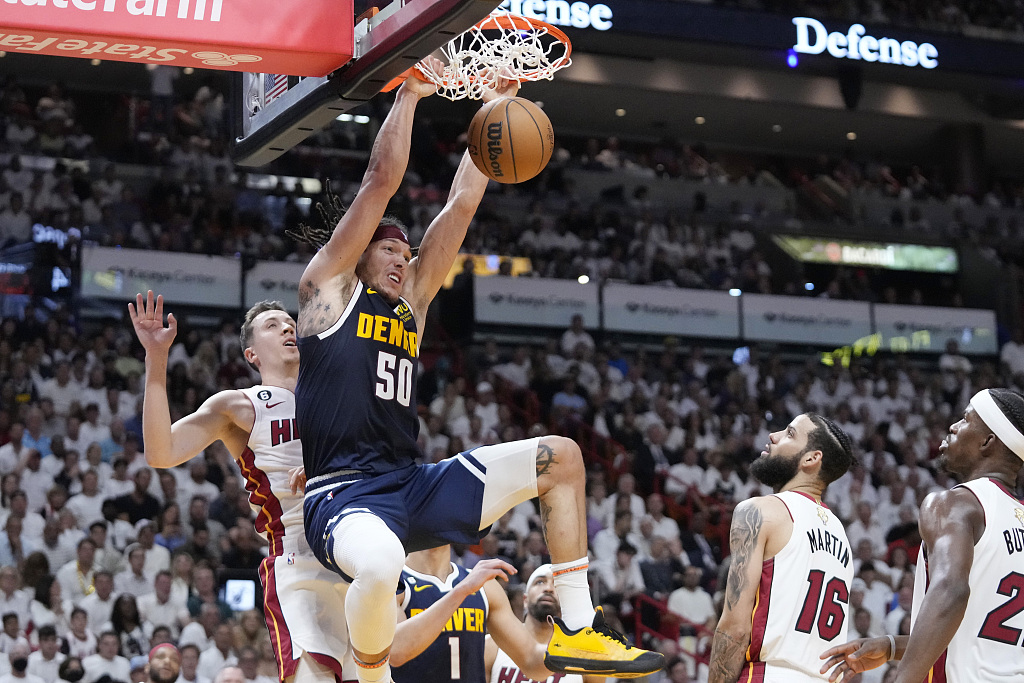
Basketball has never looked more exciting in short clips, yet many fans feel full games have lost their magic. While viral highlights dominate social media, long stoppages, repetitive strategies, and declining urgency have made entire games harder to enjoy. This article explores why basketball highlights are thriving while game quality suffers—and what can be done to fix it.
Introduction: A Sport at Odds With Itself
Open Instagram, TikTok, or YouTube today and basketball feels unstoppable. Posters, logo threes, ankle-breaking crossovers, no-look passes—every scroll delivers another moment that feels unreal. Clips rack up millions of views in hours. Players look more athletic, more skilled, and more creative than ever before.
Yet paradoxically, many fans say the same thing:
“I love basketball highlights, but I don’t enjoy watching full games anymore.”
This contradiction defines modern basketball. Highlights are getting wilder—sometimes bordering on unbelievable—but the actual games often feel slower, flatter, and less emotionally engaging.
How did we reach a point where the most talented era in basketball history also feels like one of the least satisfying to watch from start to finish?
This article breaks down the uncomfortable truth behind modern basketball, using real-life examples, fan experiences, and league-wide trends to explain why the spectacle is booming while the substance struggles.
When Did Basketball Become a Highlight-First Sport?
Basketball didn’t always feel this way.
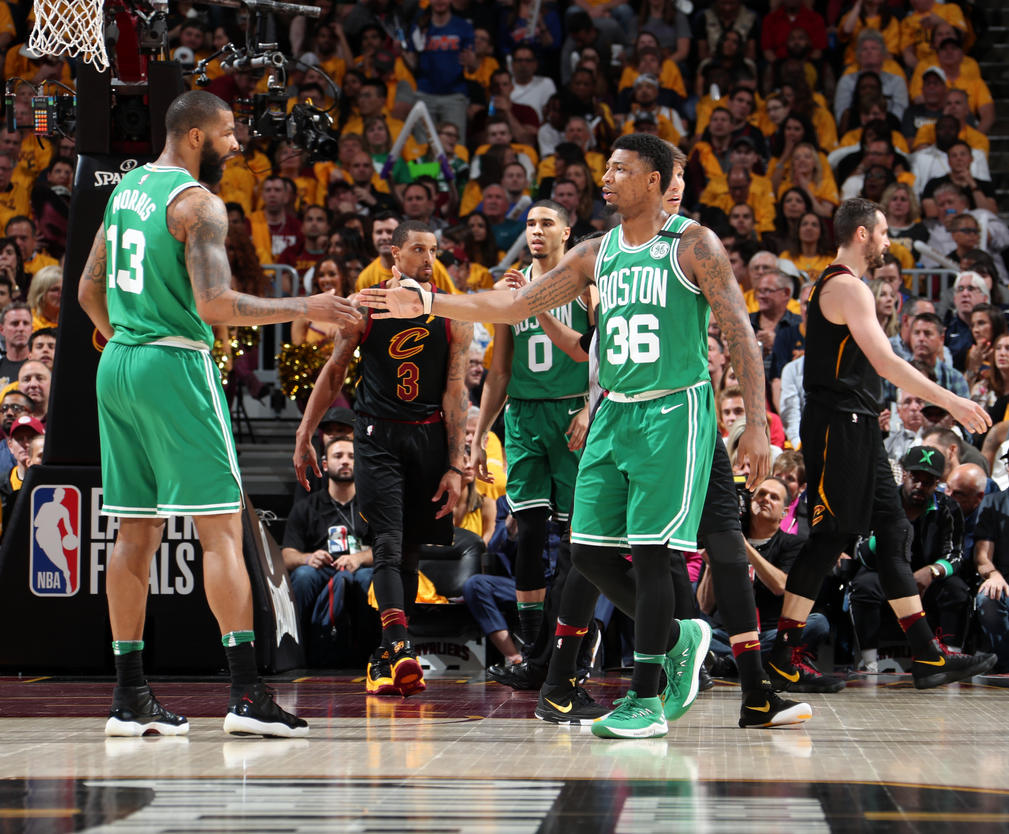
For decades, the game was about rhythm and narrative. Teams built advantages slowly. Superstars took over late. Rivalries simmered across seasons. Watching a full game felt necessary because context mattered.
That began to change in the late 2000s and accelerated rapidly in the 2010s.
Three major forces collided:
- Advanced analytics
- Social media algorithms
- Shortened attention spans
Analytics revealed which shots were most efficient. Social platforms rewarded moments, not mastery. Fans began consuming basketball in clips rather than quarters.
The result? A sport increasingly optimized for highlights rather than holistic entertainment.
A contested midrange jumper—once a dramatic moment—became “bad basketball.” A logo three with 18 seconds on the shot clock became content gold.
Basketball didn’t get worse overnight. It got optimized in ways that unintentionally stripped away its emotional pacing.
Why Do Modern Basketball Games Feel Slower?
This is one of the most common fan complaints—and one of the most confusing.
Players today are faster, stronger, and more skilled than ever. So why do games feel slower?
The answer lies in stoppages, not speed.
Late-game basketball has become especially painful to watch:
- Endless timeouts
- Intentional fouls
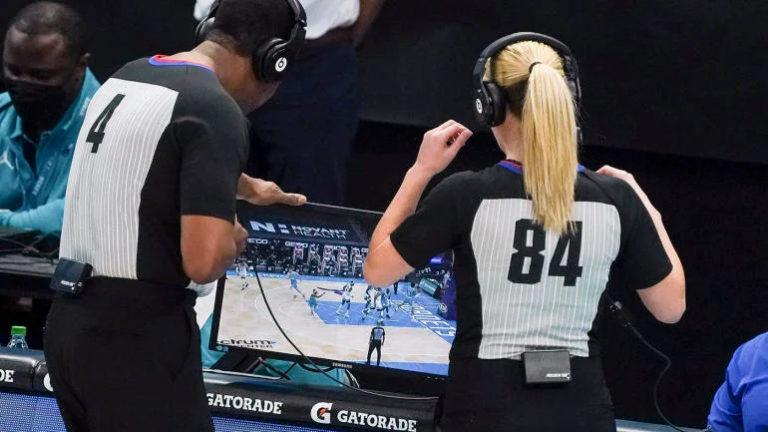
- Replay reviews lasting several minutes
- Free-throw parades that kill momentum
What should be the most intense part of the game often becomes the most tedious.
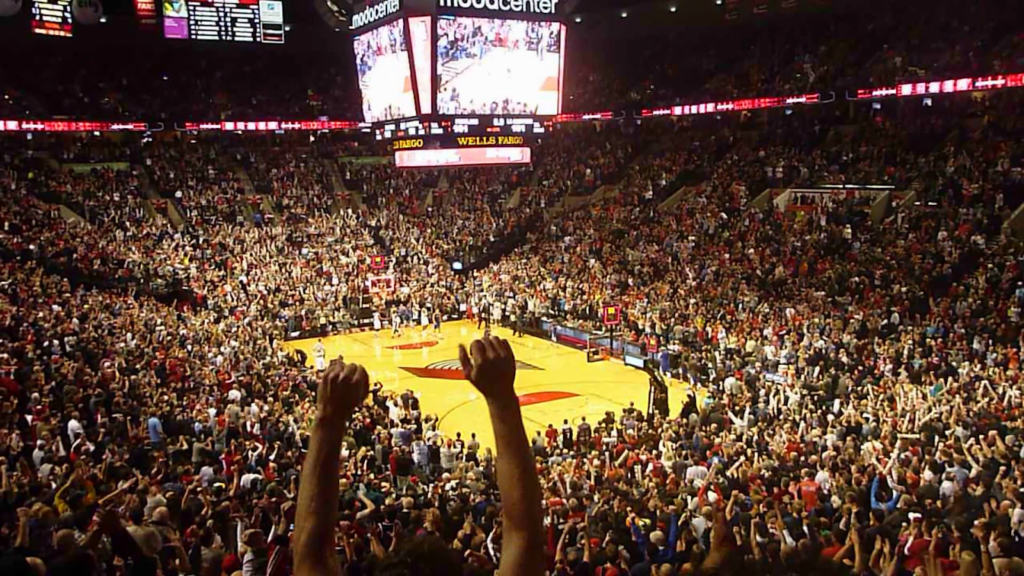
In arenas, fans pull out their phones. At home, viewers switch apps or channels. The emotional thread snaps.
Ironically, the final two minutes of a close game can take longer than an entire quarter—draining tension instead of building it.
The Analytics Problem: Smart Basketball That Feels Empty
Analytics didn’t ruin basketball. They made it smarter.
The problem is uniformity.
Teams across leagues now chase the same shot profile:
- Three-pointers
- Layups and dunks
- Free throws
Midrange shots, post play, and creative offensive diversity are often discouraged unless you’re a superstar.
The unintended consequence is predictability.
Watch three games in one night and you’ll see:
- Similar spacing
- Identical defensive switching
- Repetitive offensive actions
From a coaching perspective, it makes sense. From a fan perspective, it blurs together.
Basketball thrives on contrast—styles clashing, strengths colliding. When everyone plays the same way, even great execution can feel stale.
Social Media Changed Player Incentives
Basketball culture no longer lives only inside arenas. It lives online.
Social media has quietly reshaped how players are rewarded.
A defensive stop rarely goes viral. A flashy crossover does. A disciplined possession doesn’t trend. A heat-check three does.
This doesn’t mean players don’t want to win—but it does mean moments carry their own currency.
Real-life example:
A player can shoot 6-for-20, but if two of those shots become viral highlights, the perception of their performance changes completely.
Defense, off-ball movement, and situational discipline often lose the spotlight to flash.
Over time, this shapes how the game is played—especially in low-stakes regular-season environments.
Why Fans Say the Regular Season Doesn’t Matter Anymore
Few phrases appear more often in basketball discussions than:
“The regular season doesn’t matter.”
This belief didn’t come out of nowhere.
Several trends fuel it:
- Star players resting during marquee matchups
- Tanking being rewarded with high draft picks
- Expanded playoff formats reducing urgency
- Frequent roster changes weakening rivalries
When fans don’t feel consequences, emotional investment fades.
Compare this to playoff basketball, where every possession matters and suddenly the sport looks incredible again.
The fans didn’t change. The incentives did.
Highlights vs. Storytelling: What Basketball Is Losing
Sports are about stories.
Great games aren’t just about what happened—they’re about why it mattered.
Highlights remove context:
- A dunk in a blowout looks identical to a dunk in Game 7
- A deep three early in the season feels the same as one in June
But emotionally, they’re worlds apart.
As coverage shifts toward isolated moments, fans lose the narrative thread that makes games meaningful. When storytelling fades, attachment fades with it.
The Three-Point Era: Too Much of a Good Thing?
The three-point shot revolutionized basketball—and improved it.
But saturation has consequences.
When nearly half of all shots come from beyond the arc, games swing wildly based on shooting variance rather than execution.
We’ve all seen it:
- One team goes ice cold and loses by 30
- Another gets hot and looks unstoppable
These outcomes can feel arbitrary instead of earned.
Basketball is at its best when:
- Multiple skills matter
- Different styles succeed
- Adaptability is rewarded
Variety creates drama. Repetition kills it.
Why Playoff Basketball Still Feels Special
If modern basketball were truly broken, playoff games wouldn’t feel so different.
But they do.
Playoff basketball features:
- Physical defense
- Strategic adjustments
- Midrange scoring returning
- Real consequences for mistakes
Suddenly, the sport feels alive again.
This contrast reveals a powerful truth: basketball still works when winning outweighs everything else.
The problem isn’t talent. It’s alignment.
Can Rule Changes Fix the Game?
Rule changes can help—but they aren’t enough on their own.
Potential improvements often discussed include:
- Reducing late-game timeouts
- Speeding up replay reviews
- Cracking down on foul-baiting
- Encouraging defensive physicality
These would improve flow, but culture matters just as much as rules.
When leagues, players, and broadcasters prioritize watchability alongside efficiency, quality follows naturally.
What Basketball Needs Right Now
Basketball doesn’t need fewer highlights.
It needs better games that naturally create highlights.
That means:
- Making regular-season games matter
- Encouraging stylistic diversity
- Restoring defensive pride
- Reducing artificial stoppages
When games feel meaningful, highlights feel legendary instead of disposable.
Key Takeaways
- Basketball highlights are thriving, but full games are losing engagement
- Analytics improved efficiency but reduced variety
- Social media rewards moments over mastery
- Late-game stoppages kill momentum
- Playoff basketball proves the sport still works
- Fixing incentives matters more than fixing rules
Basketball doesn’t need saving. It needs remembering what made fans fall in love with it.
Frequently Asked Questions (FAQs)
1. Why do basketball games feel boring compared to highlights?
Ans. Highlights remove slow moments and context, while full games include stoppages, fouls, and repetitive strategies that reduce excitement.
2. Are three-pointers ruining basketball?
Ans. No, but overuse reduces variety and makes games feel repetitive rather than dynamic.
3. Why is playoff basketball more enjoyable to watch?
Ans. Higher stakes, physical defense, and real consequences improve intensity and quality.
4. Is social media changing how players play basketball?
Ans. Yes. Viral moments often receive more attention than consistent, winning fundamentals.
5. Do analytics make basketball worse to watch?
Ans. Analytics help teams win but can hurt entertainment when applied without balance.
6. Why do late-game situations take so long?
Ans. Timeouts, fouls, and replay reviews stretch final minutes far beyond real-time action.
7. Are fans watching fewer full basketball games now?
Ans. Many fans increasingly consume highlights instead of full games, especially during the regular season.
8. Can rule changes improve modern basketball?
Ans. They can help, but cultural and incentive shifts are equally important.
9. Why does defense seem weaker today?
Ans. Rule interpretations, spacing, and offensive priorities discourage physical defense in regular-season games.
10. Will basketball become exciting to watch again?
Ans. Yes. Playoff games show the sport’s core appeal is still strong when incentives align.
About the Author


 Alex Turner