 Marcus Reed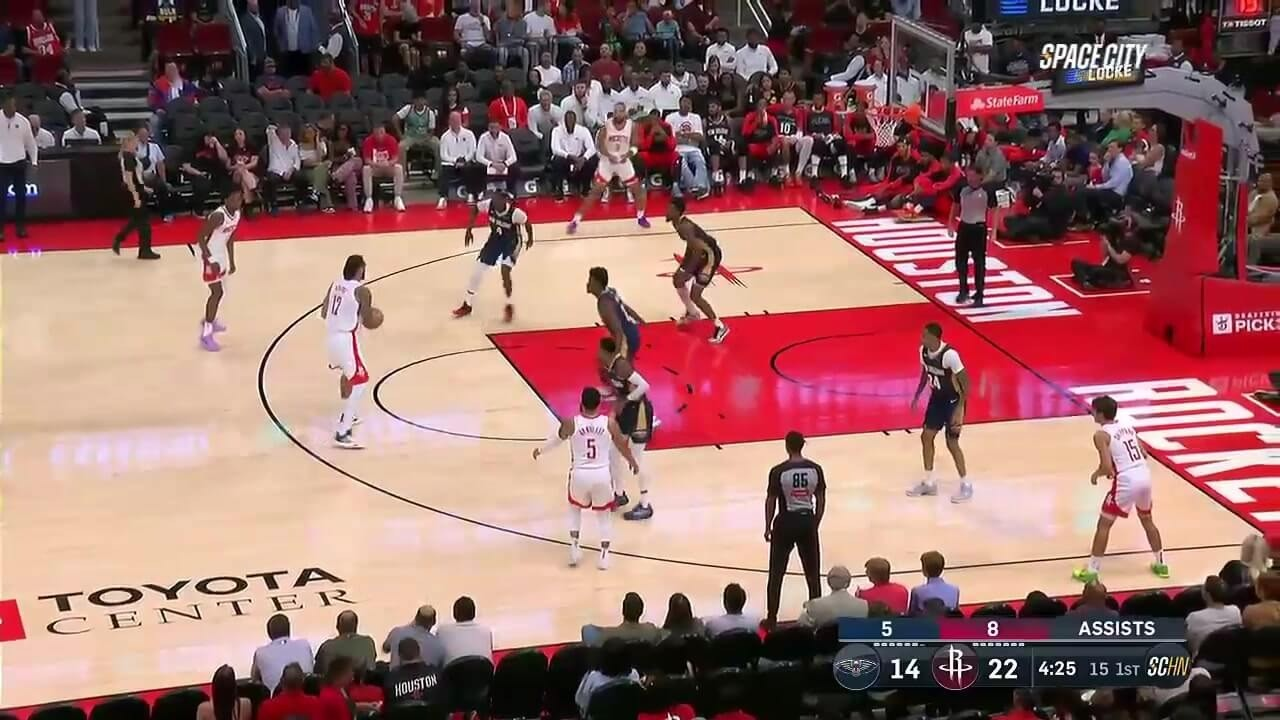
Basketball has evolved into a positionless game where players handle, shoot, and defend across traditional roles. While this shift increased skill and versatility, it also made many games feel strategically predictable. This in-depth article explores how positionless basketball reshaped the sport, why styles converged, what fans are questioning today, and how the game can restore creativity without undoing its progress.
Introduction: When Freedom Somehow Led to Familiarity
Basketball today looks freer than ever.
Players who once would have been limited by size or position now dribble, pass, shoot, and defend anywhere on the floor. The rigid definitions of “point guard,” “power forward,” and “center” have blurred into something far more fluid.
Yet despite this freedom, many fans feel something strange happening when they sit down to watch full games.
The plays feel familiar.
The spacing looks identical.
The late-game decisions seem predictable.
Basketball has become positionless—but also more standardized.
This isn’t a talent issue. In fact, today’s players may be the most skilled generation the sport has ever seen. The issue lies in how that skill is being organized, coached, and optimized.
This article explains how positionless basketball rose, why predictability followed, and what the future must look like if the sport wants to stay both efficient and captivating.
What “Positionless Basketball” Really Means Today
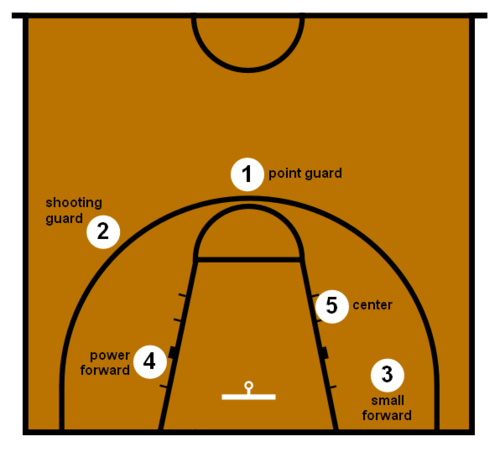
Positionless basketball does not mean positions disappeared entirely. It means responsibilities matter more than labels.
In earlier eras:
- Guards handled and created
- Forwards scored and rebounded
- Centers protected the paint
In modern basketball:
- Bigs initiate offense
- Guards set screens
- Forwards switch across every matchup
Positionless basketball emphasizes:
- Skill versatility over size
- Interchangeable defenders
- Floor spacing and decision-making
- Flexibility in lineups and roles
At its core, the concept makes sense. Basketball is about putting the best skills on the floor—not forcing players into outdated boxes.
Early on, this shift was exciting. It felt revolutionary. It expanded what was possible.
But revolutions don’t always stop at balance.
When Did Traditional Positions Start Fading Away?
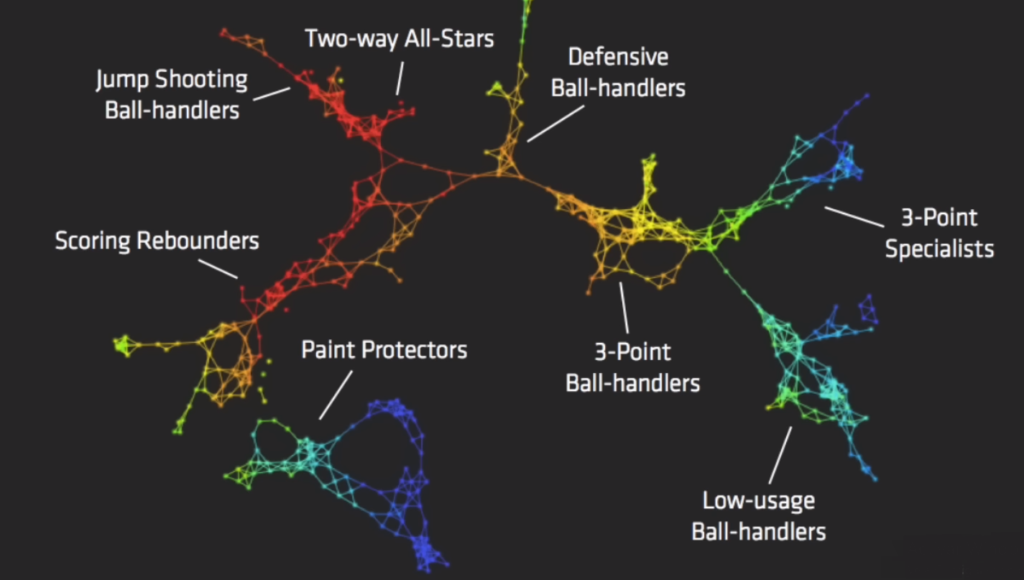
The shift toward positionless basketball accelerated in the 2010s, driven by several converging factors.
Small-ball lineups showed that speed, shooting, and spacing could overpower size. Switching defenses exposed slow-footed specialists. Offensive schemes rewarded players who could pass, shoot, and read the floor simultaneously.
Front offices adapted quickly. Draft evaluations changed. Development programs followed.
In the NBA, teams stopped asking, “What position does he play?” and started asking, “Who can he guard, and can he shoot?”
Versatility became the baseline requirement—not a luxury.
That evolution unlocked talent. It also quietly reduced diversity.
Why Does Positionless Basketball Feel Predictable to Fans?
This question appears constantly in fan discussions, podcasts, and search trends.
The answer isn’t that teams lack creativity. It’s that efficiency rewards imitation.
Once teams identified the most effective blueprint—spacing the floor, hunting mismatches, switching everything—others adopted it. Deviating felt risky. Copying felt safe.
Over time, most teams converged around the same core structure:
- Five-out spacing
- High pick-and-rolls
- Drive-and-kick offense
- Switch-heavy defense
From a coaching standpoint, this is logical basketball.
From a viewing standpoint, it can feel repetitive.
Fans don’t dislike positionless play. They dislike seeing the same version of it every night.
Are Teams Actually Playing the Same Way?
Technically, no. Practically, often yes.
Teams may call different sets, but many possessions resolve identically:
- Force a switch
- Attack the mismatch
- Collapse the defense
- Kick out for a three
Repeat.
The nuances exist, but casual and even dedicated viewers feel less surprise. Earlier eras thrived on stylistic clashes. Today, matchups often feel like mirror images.
Different players. Same logic.
How Analytics Narrowed the Game’s Personality
Analytics didn’t damage basketball—they improved it.
Data showed that:
- Three-point shots outperform long midrange attempts
- Spacing improves efficiency
- Switching reduces defensive breakdowns
Teams responded rationally.
The unintended consequence was strategic compression.
When numbers define “correct” basketball, creativity becomes expensive. Coaches who stray from efficiency risk criticism. Players who experiment risk reduced roles.
The game didn’t lose imagination. It made imagination harder to justify.
Why Fans Miss Defined Roles More Than Positions
When fans say they miss “old basketball,” they’re rarely asking for outdated tactics. They’re asking for contrast.
Defined roles created identity:
- Playmakers versus scorers
- Rim protectors versus stretch bigs
- Lockdown defenders versus offensive stars
Those contrasts created stories within the game.
In a positionless system, everyone does a bit of everything. While impressive, it flattens personality. Teams blur together. Matchups lose distinct flavor.
Efficiency improves. Emotional connection often weakens.
Does Positionless Basketball Make Stars Feel Less Unique?
In subtle ways, yes.
Superstars remain dominant—but dominance now looks similar across players.
Many stars:
- Initiate from the top
- Operate in identical spacing
- Face the same defensive coverages
Earlier eras showcased greatness through visibly different styles. Today, greatness is often measured by efficiency metrics rather than distinct approach.
The players are extraordinary. The systems around them are restrictive.
Why Late-Game Offense Looks the Same Everywhere
Late-game basketball reveals predictability most clearly.
In clutch moments, teams prioritize safety:
- Clear one side
- Hunt switches
- Isolate the ball-handler
- Kick out if help comes
This reduces mistakes—but also reduces drama.
Fans often predict the final shot before the possession begins. When uncertainty disappears, tension fades.
Basketball thrives on surprise. Optimization minimizes it.
Is Positionless Basketball Better for Winning Than Watching?
This is the sport’s central dilemma.
Positionless basketball wins games. It just doesn’t always win attention.
From a competitive standpoint:
- Versatility improves adaptability
- Switching defenses prevent mismatches
- Spacing maximizes scoring efficiency
From an entertainment standpoint:
- Variety fuels excitement
- Styles build narratives
- Identity creates loyalty
The problem isn’t positionless basketball itself—it’s the lack of stylistic diversity within it.
What Fans Are Really Asking Right Now
Search behavior and fan conversations consistently point to these concerns:
- Why do all teams use five-out offense?
- Why does every close game end the same way?
- Are positions truly gone?
- Is creativity being coached out?
- Will basketball feel unpredictable again?
These questions aren’t nostalgic complaints. They’re signals.
Fans want efficiency and individuality.
Can Basketball Be Positionless Without Being Predictable?
Yes—but only with intentional change.
Positionless basketball doesn’t need to disappear. It needs freedom within structure.
That means:
- Encouraging multiple offensive identities
- Rewarding creative risk
- Valuing defense beyond steals and blocks
- Allowing teams to win differently
When diversity is allowed, positionless play becomes a foundation—not a ceiling.
What Coaches and Leagues Can Do Differently
Meaningful change comes from incentives.
Basketball responds to what is rewarded.
Possible shifts include:
- Rule interpretations that promote off-ball movement
- Reducing late-game stoppages to restore flow
- Highlighting defensive excellence in awards
- Increasing regular-season urgency
When creativity and variety are rewarded, teams naturally adapt.
Key Takeaways: The Positionless Paradox
- Positionless basketball increased skill demands
- Versatility became the baseline
- Analytics encouraged strategic convergence
- Predictability reduced emotional engagement
- Fans miss contrast more than positions
- Balance—not reversal—is the solution
Basketball isn’t broken. It’s just overly standardized.
Frequently Asked Questions (FAQs)
1. What is positionless basketball?
Ans. Positionless basketball prioritizes skills and versatility over traditional positional roles, allowing players to handle, shoot, and defend across multiple positions.
2. Why does modern basketball feel predictable?
Ans. Many teams use similar analytics-driven strategies, leading to repeated offensive and defensive patterns.
3. Are traditional positions completely gone?
Ans. No. Positions still exist, but responsibilities overlap far more than in past eras.
4. Did analytics cause predictability in basketball?
Ans. Analytics improved efficiency but also encouraged uniform strategies across teams.
5. Why do teams rely so heavily on five-out offense?
Ans. Five-out spacing maximizes driving lanes and three-point efficiency.
6. Is positionless basketball better for winning games?
Ans. Yes. Versatility improves adaptability and matchup flexibility.
7. Why does late-game offense look the same?
Ans. Teams prioritize low-risk, switch-hunting isolations to avoid turnovers.
8. Do fans prefer older basketball styles?
Ans. Many fans miss stylistic contrast and defined identities, not outdated tactics.
9. Can positionless basketball still be exciting?
Ans. Yes, if teams embrace different philosophies within the system.
10. Will basketball become less predictable in the future?
Ans. It can, if creativity, diversity, and flow are rewarded alongside efficiency.
About the Author


 Alex Turner