Exclusive: The Most Intense Rivalries in College Hoops That Will Burn Up This Season
 Jordan Ellis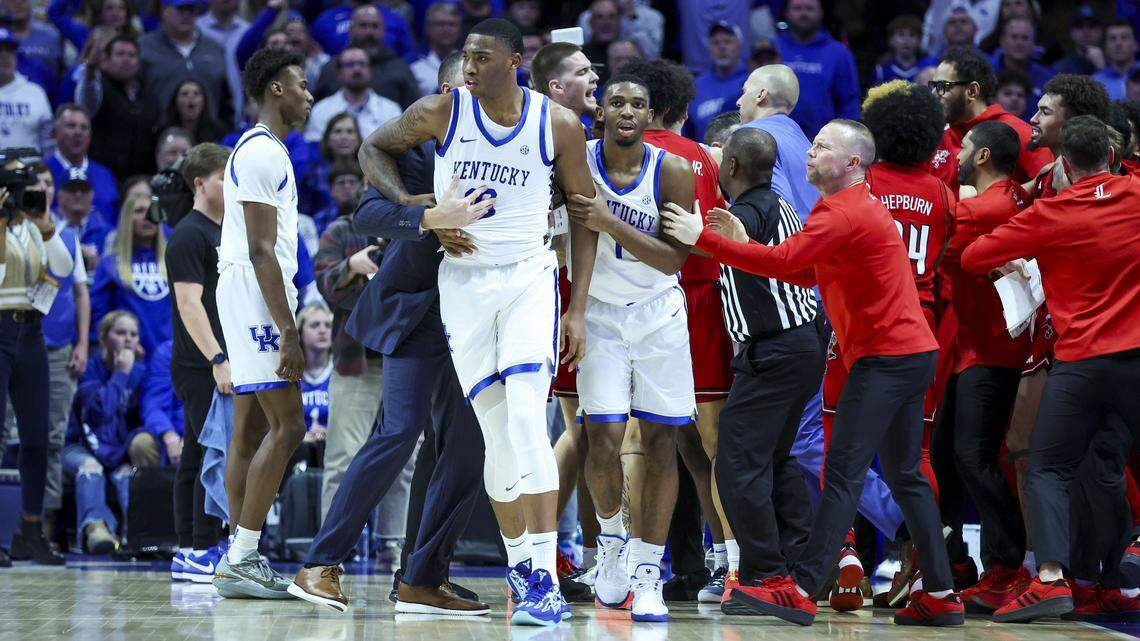
College basketball rivalries remain the emotional engine of the sport, transforming regular-season matchups into national events packed with drama and legacy stakes. Fueled by history, recruiting battles, and unforgettable moments, these games shape conference races and tournament momentum. This guide explores the fiercest rivalries set to ignite arenas this season and why fans, players, and coaches treat these clashes like championships.
College basketball isn’t just about championships, rankings, or NBA prospects. At its heart, the sport thrives on emotion — and nothing delivers emotion like rivalry games.
Every season, fans circle certain dates long before March Madness brackets are revealed. These are the games where neighbors argue, families split allegiances, alumni flood arenas, and players become heroes or villains overnight.
Rivalry games create moments that live forever. A buzzer-beater against a hated opponent matters just as much as a tournament win to many fans. Players who deliver in rivalry games become legends on campus, even if their teams fall short elsewhere.
And this season promises another year of unforgettable battles.
In this deep dive, we explore:
• Why rivalries remain the soul of college basketball
• Which matchups will dominate conversation this season
• How history fuels modern tension
• Why rivalry games produce chaos and upsets
• What players say about competing in these matchups
• How rivalries influence tournament résumés and momentum
Let’s break down the rivalries guaranteed to burn up arenas across the country this season.
Why College Basketball Rivalries Hit Different
College rivalries are unlike professional sports matchups. They aren’t just games — they’re cultural events embedded in local identity.
Fans don’t simply cheer for teams; they inherit allegiances from parents, communities, and campuses. Rivalry wins and losses become personal.
Several factors make college rivalries uniquely intense:
• Schools often sit within close geographic proximity
• Recruiting battles create ongoing tension
• Alumni interactions fuel year-round bragging rights
• Historic games build generational narratives
• Conference standings and tournament implications increase stakes
Players quickly learn that beating a rival can define their college careers. Even in rebuilding seasons, rivalry games still feel enormous.
A disappointing season can be redeemed with a rivalry win. Conversely, losing to a rival can overshadow otherwise successful campaigns.
Duke vs. North Carolina: The Gold Standard
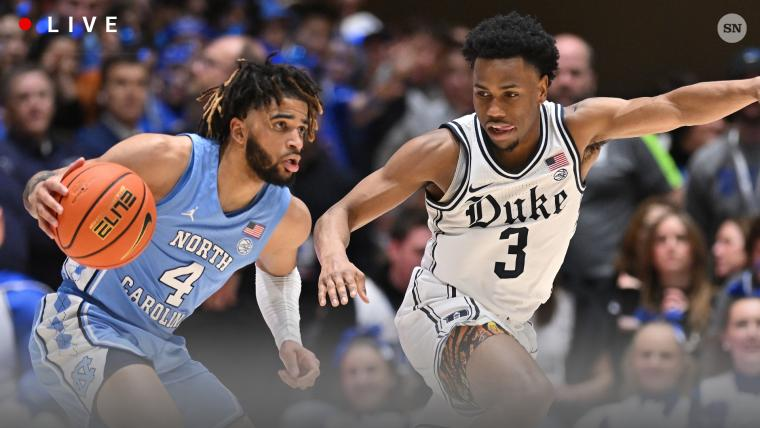
No rivalry embodies college basketball intensity more than Duke and North Carolina.
Separated by just a short drive in North Carolina, the programs have battled for decades, frequently with national rankings and conference titles on the line.
What elevates this rivalry:
• Regular matchups between top-ranked teams
• Legendary coaching figures shaping history
• NBA-caliber talent clashing annually
• Sold-out arenas regardless of season circumstances
• Massive national television audiences
Some of the sport’s most unforgettable moments occurred in Duke–UNC clashes, from last-second shots to tournament eliminations.
Even when one program struggles, the rivalry never loses intensity. Players understand that performance in this game affects how fans remember them forever.
Kentucky vs. Louisville: A State Divided
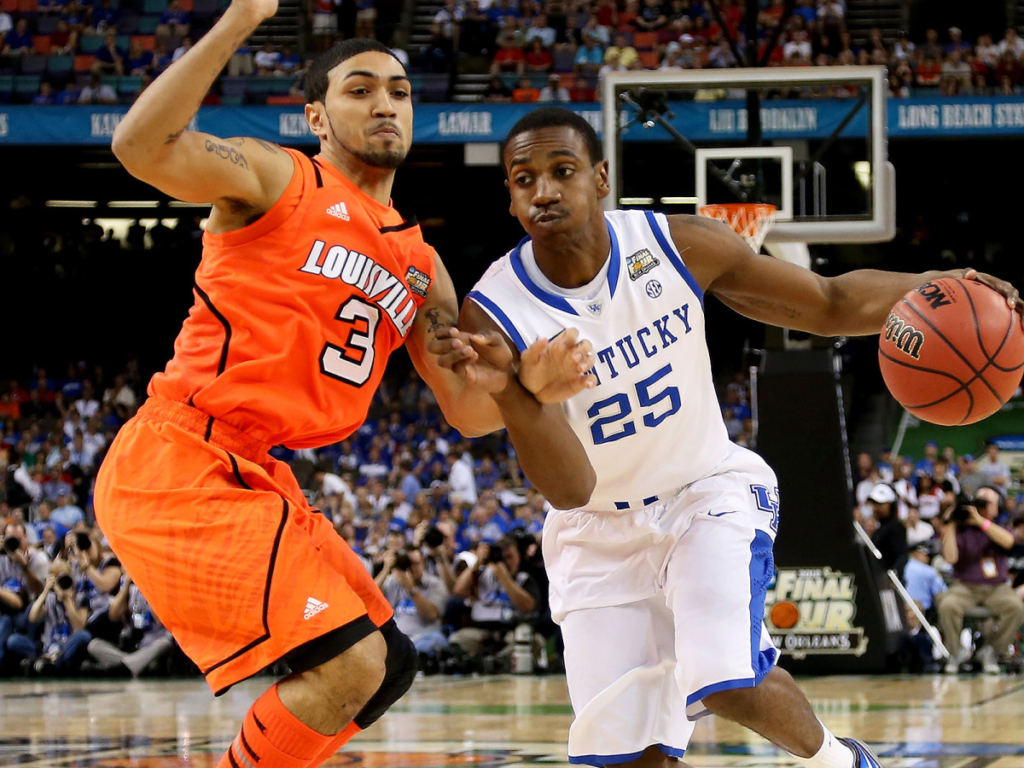
In Kentucky, basketball isn’t entertainment — it’s identity. And when Kentucky meets Louisville, the entire state feels the tension.
Households divide loyalties. Office conversations become heated. Social media explazes with debate.
This rivalry burns because:
• Both programs possess championship pedigrees
• Recruiting battles span the entire state
• NBA prospects frequently face off
• Coaching storylines fuel competition
• Tournament résumé implications are huge
Players often describe this game as their most emotionally charged experience in college.
Even neutral fans tune in because stakes extend beyond rankings.
Kansas vs. Kansas State: The Sunflower Showdown
Kansas commands national respect as a perennial powerhouse, but Kansas State consistently seeks to disrupt that dominance.
The rivalry thrives on in-state pride and underdog motivation.
Key rivalry factors include:
• Statewide bragging rights
• Frequent conference implications
• Heavy fan travel between campuses
• Recruiting overlaps
• Unexpected upset potential
Kansas fans expect victories. Kansas State fans relish the chance to shock their neighbors.
These games often swing conference races.
Indiana vs. Purdue: Basketball State Warfare
Indiana lives and breathes basketball, making clashes between Indiana and Purdue deeply emotional.
This rivalry represents contrasting identities and basketball traditions.
Intensity stems from:
• Deep historical roots in a basketball-crazed state
• Physical, emotional matchups
• Generational fan investment
• Strong conference implications
Even when rankings differ, rivalry games remain heated battles.
Players understand these games matter deeply to communities beyond campuses.
UCLA vs. Arizona: West Coast Heavyweights
The West Coast’s premier programs collide annually in games shaping conference dominance.
What fuels this rivalry:
• High-scoring, fast-paced games
• Recruiting battles across California and the Southwest
• Tournament seeding implications
• National spotlight matchups
Momentum swings have kept recent seasons unpredictable, sustaining competitive balance.
Both teams know conference supremacy runs through these matchups.
Gonzaga vs. Saint Mary’s: Tactical Chess Matches
Though lacking massive media markets, Gonzaga and Saint Mary’s consistently produce high-quality rivalry games.
Why this rivalry matters:
• Conference title implications
• Tactical coaching battles
• Consistently close contests
• NCAA tournament positioning impact
Saint Mary’s frequently challenges Gonzaga’s dominance, making every meeting critical.
Fans appreciate the rivalry’s strategic depth and competitiveness.
Michigan vs. Michigan State: Big Ten Warzone
Michigan and Michigan State represent contrasting program identities and coaching styles.
This rivalry thrives because:
• Physical Big Ten basketball intensity
• Regional recruiting battles
• Tournament résumé implications
• Frequent upset potential
Games between these programs often reshape conference momentum.
Fans treat each matchup as must-win regardless of standings.
Why Rivalry Games Produce Chaos and Upsets
Rivalries often ignore rankings.
Lower-ranked teams frequently defeat favored opponents due to emotional factors.
Upsets occur because:
• Familiarity removes intimidation
• Underdogs play freely
• Crowd environments overwhelm opponents
• Emotional intensity boosts performance
Many tournament Cinderella stories begin with rivalry victories boosting confidence.
Coaches prepare differently for these matchups due to unpredictability.
What Players Say About Rivalry Games
Ask former players about their most memorable games, and rivalry matchups dominate responses.
Common themes include:
• Arenas feeling louder than tournament venues
• Faster game pace due to adrenaline
• Emotional stakes amplifying pressure
• Lasting memories of victories
Many players remember rivalry wins more vividly than postseason achievements.
These games create stories retold for decades.
Rivalry Wins Influence Tournament Selection
Selection committees value quality wins, and rivalry victories often count heavily.
Benefits include:
• Strengthened tournament résumés
• Increased national perception
• Momentum entering conference tournaments
• Improved rankings and analytics profiles
A rivalry victory can push bubble teams into tournament consideration.
Why Fans Should Pay Close Attention This Season
Roster changes, transfer portal movement, and coaching shifts reshape rivalries annually.
This season promises intense clashes because:
• New star players alter team dynamics
• Transfer additions reshape competition
• Conference races remain unpredictable
• Tournament implications grow stronger
Rivalries evolve with each season, keeping competition fresh.
What Makes Rivalries Last Generations?
Rivalries endure because of:
• Sustained competitiveness
• Shared recruiting territories
• Historic tournament encounters
• Memorable coaching personalities
• Media amplification
Stories passed down through generations maintain emotional intensity.
Practical Advice for Fans Attending Rivalry Games
Attending rivalry games offers unforgettable experiences, but preparation helps maximize enjoyment.
Fan tips include:
• Purchase tickets early due to demand
• Arrive early for pregame atmosphere
• Expect loud, emotional environments
• Maintain respectful behavior despite intensity
Rivalry environments create lifetime memories.
Final Thoughts: Rivalries Keep College Basketball Alive
Championship banners define legacies, but rivalries sustain passion.
These games remind fans why college basketball matters — emotion, history, and pride combine to create unforgettable moments.
Every season introduces new heroes and heartbreak, but intensity remains constant.
And this season promises another unforgettable chapter.
Frequently Asked Questions (Trending Rivalry Queries)
1. What is the biggest rivalry in college basketball?
Ans. Duke vs. North Carolina is widely considered the sport’s most iconic rivalry due to sustained competitiveness and national relevance.
2. Why are college basketball rivalries so intense?
Ans. Geographic proximity, recruiting battles, and generational loyalty amplify emotions.
3. Do rivalry wins impact tournament chances?
Ans. Yes, strong rivalry victories improve tournament résumés and rankings.
4. Why do underdogs often win rivalry games?
Ans. Emotional intensity and familiarity neutralize ranking differences.
5. How old are major college basketball rivalries?
Ans. Many date back over 50 to 100 years.
6. Which rivalry games attract the highest TV ratings?
Ans. Duke vs. North Carolina consistently ranks among top-viewed games.
7. Do players feel extra pressure in rivalry games?
Ans. Yes, players frequently describe rivalry matchups as emotionally intense experiences.
8. Can rivalry wins change season momentum?
Ans. Absolutely, wins often boost confidence and rankings.
9. How do coaches prepare differently for rivalries?
Ans. Coaches emphasize emotional control and strategic adjustments.
10. Will conference realignment create new rivalries?
Ans. Likely, as new competitive tensions emerge with shifting conferences.
About the Author


 Alex Turner

 Marcus Reed