Insider: What Coaches Don’t Want Fans to Know About Tournament Seeding
 Jordan Ellis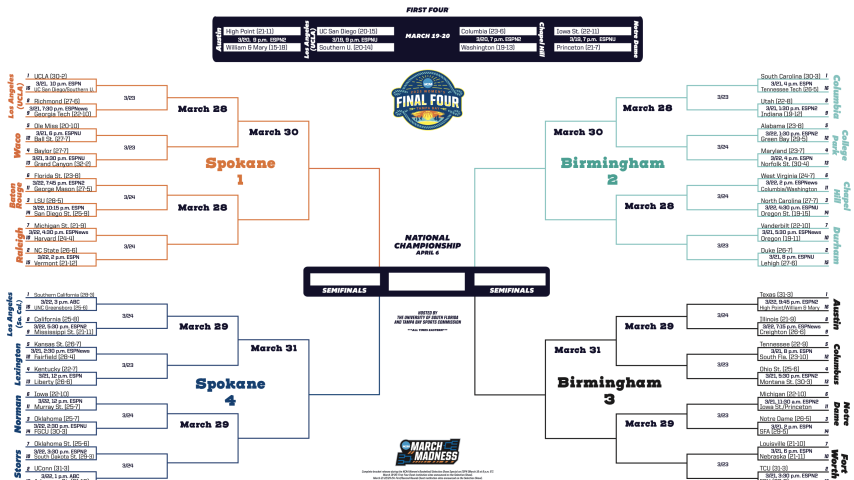
Tournament seeding plays a major role in shaping postseason outcomes, but coaches view it far differently than fans do. While supporters focus on rankings and fairness, insiders understand that matchups, travel logistics, player health, and late-season momentum often matter more than seed numbers. This comprehensive guide reveals the hidden truths behind tournament seeding and why the bracket rarely unfolds the way fans expect.
Every year when tournament brackets are revealed, fans across the country erupt with opinions. Some celebrate favorable seeds. Others argue their teams were disrespected. Social media debates rage, analysts break down rankings, and fans begin filling out brackets convinced they understand the path ahead.
But inside locker rooms and coaching offices, the conversation sounds very different.
While coaches publicly say they’re happy just to compete, many privately view seeding as only a small piece of a much bigger puzzle. In fact, some coaches believe certain seed positions create disadvantages rather than advantages.
The truth is, tournament success depends less on ranking and more on preparation, health, matchups, and momentum. Coaches know this. Fans often don’t.
This long-form insider guide explores what really happens behind tournament seeding decisions and why bracket predictions frequently fail.
In the sections ahead, we’ll examine:
• How seeding is actually determined
• Why coaches sometimes dislike top seeds
• Why matchups matter more than rankings
• How geography impacts outcomes
• Why lower seeds sometimes thrive
• Strategic decisions coaches make late in seasons
• How tournament psychology affects performance
Let’s break down what coaches understand — and fans often misunderstand — about tournament seeding.
How Tournament Seeding Is Actually Determined
Many fans believe seeding simply rewards teams with the best records. In reality, selection committees evaluate numerous factors that go beyond win-loss totals.
Committees analyze entire season performance profiles using both traditional and advanced metrics.
Factors considered typically include:
• Strength of schedule throughout the season
• Wins against highly ranked opponents
• Performance away from home courts
• Conference tournament outcomes
• Injuries or roster changes affecting results
• Analytical rankings such as NET ratings
• Efficiency metrics and performance trends
Because of these criteria, teams with similar records may receive drastically different seeds.
A team dominating a weak conference schedule may receive a lower seed than a team with more losses but tougher competition.
Coaches understand these complexities, but fans often focus solely on records.
Why Coaches Sometimes Fear High Seeds
Fans usually celebrate high seeds as signs of respect and advantage. However, experienced coaches know higher seeds come with heavy pressure.
Top-seeded teams face unique challenges:
• Opponents play with nothing to lose
• Media scrutiny intensifies
• Fan expectations skyrocket
• Players feel fear of embarrassment
• Every game becomes an upset target
Meanwhile, lower-seeded teams often play freely, aggressively, and confidently.
Coaches frequently mention that managing expectations can be harder than preparing for opponents.
Pressure affects decision-making, shot selection, and player confidence — especially for young athletes.
Why Matchups Matter More Than Seed Numbers
Ask most coaches privately, and they’ll admit seeding matters far less than matchups.
Certain teams pose stylistic challenges regardless of ranking.
Common matchup problems include:
• Teams struggling against zone defenses
• Smaller teams facing dominant rebounding opponents
• Slow-paced teams struggling versus fast-tempo offenses
• Poor three-point defenses facing elite shooters
• Teams uncomfortable against physical play styles
A lower-seeded team with favorable matchups can outperform a higher seed.
Winning depends on preparation and adaptability, not bracket position.
Geography: The Hidden Tournament Advantage
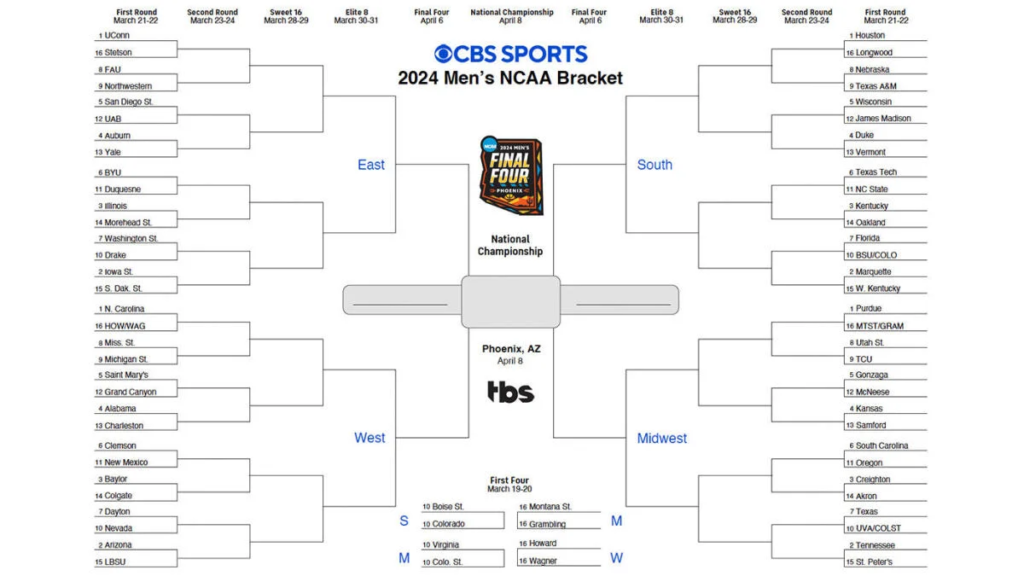
Fans often overlook location when evaluating brackets, but coaches pay close attention.
Tournament sites significantly influence outcomes.
Teams playing closer to home enjoy advantages such as:
• Larger fan support crowds
• Reduced travel fatigue
• Familiar regional environments
• Better recovery between games
• Greater comfort for players
Teams forced to travel long distances face:
• Time zone disruptions
• Fatigue from travel schedules
• Smaller support crowds
• Less familiarity with venues
Coaches often care as much about location placement as seed number.
The Underrated Power of Being an Underdog
Lower-seeded teams often thrive psychologically.
Underdogs benefit from:
• Lower expectations
• Reduced pressure
• Aggressive, fearless play
• Opponents underestimating them
• Motivation to prove critics wrong
Tournament history is full of Cinderella runs fueled by confidence and momentum.
Coaches know that confidence gained from early wins can become unstoppable.
Sometimes the freedom of being overlooked becomes a competitive advantage.
Late-Season Strategy: Winning Isn’t Always Priority
Fans assume teams always push for better seeds late in seasons, but coaches think strategically.
Sometimes protecting player health outweighs marginal seeding gains.
Strategic considerations include:
• Resting injured players before tournaments
• Avoiding fatigue from conference tournament overexertion
• Limiting minutes for key players
• Prioritizing postseason readiness
A slightly lower seed with a healthy roster often outperforms a higher seed with tired or injured players.
Momentum: The Invisible Tournament Force
Momentum often outweighs seeding advantages.
Teams entering tournaments on winning streaks frequently outperform expectations.
Momentum factors include:
• Offensive rhythm
• Defensive confidence
• Team chemistry development
• Clear rotation roles
• Leadership cohesion
Teams peaking at the right time often defeat higher seeds struggling late.
Coaches prioritize timing more than rankings.
Why Tournament Basketball Differs from Regular Season Play
Tournament environments introduce unique challenges.
Key differences include:
• Single-elimination pressure
• Short preparation windows
• High emotional swings
• Travel disruptions
• National spotlight intensity
Teams that adapt quickly succeed.
Regular-season dominance doesn’t always translate to tournament success.
The Role of Bracket Luck
Coaches privately admit luck plays a role.
Bracket paths sometimes become easier due to unexpected upsets.
Factors beyond preparation include:
• Opponents eliminating tough teams early
• Unexpected injuries affecting competition
• Favorable officiating matchups
• Opponent fatigue
Preparation matters, but randomness remains unavoidable.
Practical Advice for Fans Filling Out Brackets
Fans hoping to improve bracket predictions should analyze more than seed numbers.
Consider:
• Late-season performance trends
• Coaching tournament experience
• Team health entering tournament
• Style-of-play matchups
• Geographic placement advantages
Understanding these elements increases prediction accuracy.
Why Media Coverage Oversimplifies Seeding Debates
Sports media often focuses on controversy rather than nuance.
Headlines typically highlight:
• Teams “snubbed” from higher seeds
• Conference favoritism accusations
• Record comparisons
But coaches understand competitive dynamics run deeper.
Simplified narratives miss strategic realities.
Psychological Impact of Tournament Pressure
Tournament environments amplify pressure.
Players respond differently:
• Some play cautiously under spotlight
• Others rise to challenge
• Young players may struggle with expectations
• Experienced players remain calmer
Coaches spend weeks preparing players mentally.
Psychology influences outcomes as much as tactics.
Final Thoughts: Seeding Is Only Part of the Story
Tournament seeding matters, but it doesn’t determine success.
Championship runs depend on:
• Preparation
• Health
• Momentum
• Matchup advantages
• Confidence
• Adaptability
Coaches understand rankings don’t win games — players do.
Tournament unpredictability remains what makes college basketball thrilling.
Every year proves the bracket never unfolds exactly as expected.
And that unpredictability keeps fans coming back.
Frequently Asked Questions (Trending Fan Queries)
1. How are tournament seeds determined?
Ans. Committees evaluate records, strength of schedule, quality wins, analytics, and performance trends when assigning seeds.
2. Do higher seeds win more often?
Ans. Yes statistically, but upsets occur frequently due to matchups and momentum swings.
3. Why do lower seeds sometimes make deep runs?
Ans. Lower seeds play with less pressure and benefit from underestimated status.
4. Does tournament location affect performance?
Ans. Yes. Teams closer to home often gain advantages in travel comfort and fan support.
5. Why do coaches care more about matchups than seeding?
Ans. Playing styles can create advantages or disadvantages regardless of ranking.
6. Can teams intentionally aim for lower seeds?
Ans. Rarely, but coaches sometimes prioritize player health over marginal seed improvement.
7. Does experience matter in tournaments?
Ans. Yes. Experienced players and coaches often handle pressure better.
8. Why are early-round upsets common?
Ans. Single-elimination formats and emotional swings create unpredictable outcomes.
9. What matters most in tournament success?
Ans. Health, preparation, adaptability, and chemistry often matter more than seeding.
10. Should fans trust seed numbers when predicting winners?
Ans. Seeds help but should be combined with matchup, momentum, and experience analysis.
About the Author


 Alex Turner



 Marcus Reed