 Marcus Reed
NBA defense is quietly reclaiming its influence after years of offensive dominance. Improved schemes, switchable athletes, and data-driven scouting are reducing easy scoring and frustrating elite scorers. This shift doesn’t signal regression—it marks a smarter, tougher era of basketball where adaptability, IQ, and two-way impact matter more than ever.
Introduction: When Scoring Was Easy—and Why That Era Is Ending
For much of the past decade, NBA basketball felt like an offensive playground. Scores routinely crossed 120 points. Triple-doubles became normal. Shooters stretched defenses beyond recognition, and fans wondered whether defense still mattered at all.
Then the game started to change.
Possessions slowed. Shooters hesitated. Stars complained about physicality. Coaches emphasized stops again. Suddenly, a 97–94 final score didn’t feel unusual—it felt intentional.
NBA defense never disappeared.
It evolved quietly while offenses took the spotlight.
Now, armed with smarter schemes, versatile defenders, and ruthless preparation, defenses are finally catching up. And scorers across the league are feeling the squeeze.
Why Is NBA Defense Making a Comeback Right Now?
The resurgence of defense isn’t accidental. It’s the result of multiple strategic and structural shifts converging at once.
First, analytics matured. Early analytics focused heavily on shot value—threes and layups over everything else. Modern analytics go deeper, measuring shot quality, time to decision, defensive positioning, and lineup context. That information has empowered defenses to attack tendencies instead of reacting late.
Second, roster construction changed. Teams now prioritize length, switchability, and basketball IQ over size alone. A defender who can guard three positions without help is more valuable than a traditional specialist.
Third, coaches adjusted their philosophy. Instead of gambling for steals or blocks, defenses now emphasize containment, denial, and disruption—forcing scorers into uncomfortable decisions rather than spectacular highlights.
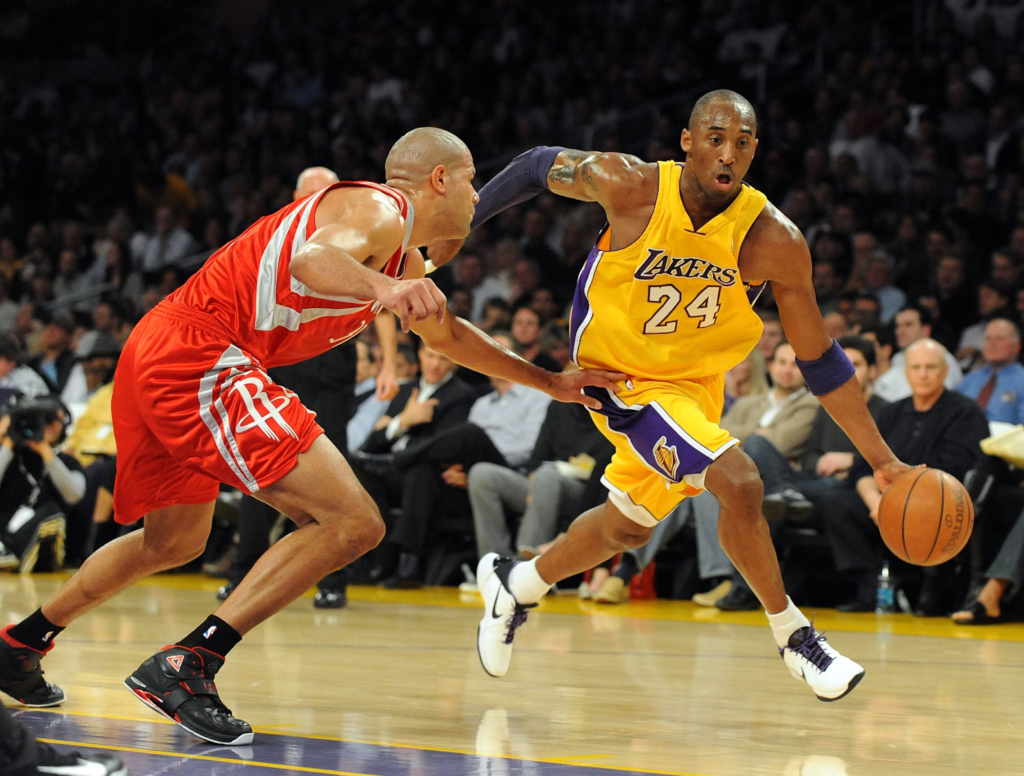
How Modern NBA Defenses Are Stopping Elite Scorers
Containment Over Chaos
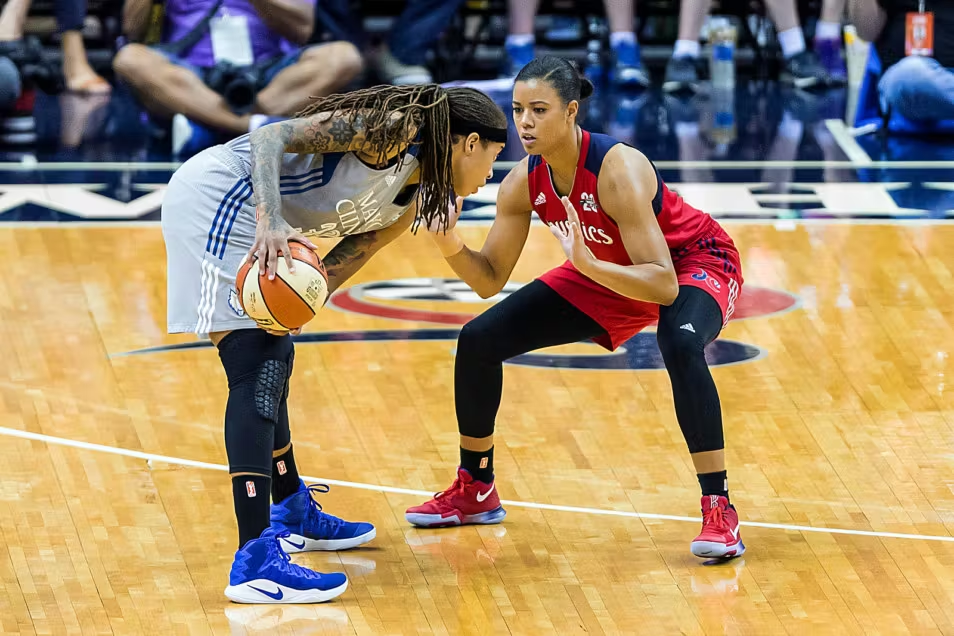
Defenders today are taught not to overreact. Staying attached matters more than lunging for a steal. Contesting without fouling is the standard.
This frustrates scorers because:
- There’s no clear first step
- Driving lanes close quickly
- Pull-ups are rushed
- Rhythm disappears
Defense is no longer flashy—it’s suffocating.
Physicality Without Fouling
Modern defenders understand the rules better than ever. They use:
- Early body contact
- Strong chest positioning
- Subtle bumps on cuts
All without reaching.
This kind of defense drains energy possession by possession, wearing down scorers mentally and physically.
Transition Defense Became a Priority Again
Fast breaks once fueled easy points. Now, teams sacrifice offensive rebounds to get back on defense. Guards pick up ball-handlers early. Wings sprint to shooters instead of crashing the glass.
As a result:
- Fewer run-outs
- More half-court possessions
- Harder scoring environments
Real-Life NBA Examples: Scorers Feeling the Pressure
Even elite scorers have felt the impact of defensive evolution.
Kevin Durant now faces constant length and early help, forcing him into tougher mid-range attempts.
Stephen Curry is trapped off the ball, chased through screens, and denied clean looks—even when he doesn’t touch the ball.
Luka Doncic routinely attacks loaded defenses that prioritize forcing the ball out of his hands.
These players still score—but it takes more effort, more patience, and more adaptability than ever before.
Why One-Dimensional Players Are Struggling
Defense doesn’t just target stars—it exposes specialists.
Players who only shoot, only drive, or only score without defending are increasingly vulnerable. In tight games, coaches trust players who can:
- Defend multiple positions
- Make quick decisions
- Stay effective without the ball
That’s why versatility has become the NBA’s most valuable skill set.
Defense and the Playoffs: Why Stops Still Win Championships
Regular seasons reward offense. Playoffs reward execution.
When defenses tighten:
- Transition points disappear
- Scouting reports are airtight
- Role players hesitate
Teams that rely solely on shooting variance struggle. Teams that defend consistently survive cold nights.
Defense travels.
Defense holds up under pressure.
That’s why it still wins when everything matters most.
What This Defensive Shift Means for NBA Players
Player development has changed dramatically.
Modern players must:
- Read defenses instantly
- Score in multiple ways
- Pass under pressure
- Defend to stay playable
Scoring remains essential—but it must come with intelligence and adaptability.
Why Fans Are Starting to Appreciate Defense Again
While some fans miss high scores, many appreciate what defense brings back:
- Close games
- Strategic tension
- Meaningful possessions
- True late-game drama
Defense adds stakes to every basket.
Key Takeaways (Quick Read)
- NBA defenses have caught up to modern offenses
- Switchability eliminates easy mismatches
- Physical defense without fouling frustrates scorers
- Specialists are being phased out
- Defense still defines championship basketball
Frequently Asked Questions (Trending US Searches)
1. Is NBA defense actually improving or is scoring just down?
Ans. NBA defense is genuinely improving through better schemes, smarter scouting, and more versatile defenders—not simply because scoring talent declined.
2. Why are NBA scores lower than a few years ago?
Ans. Teams now prioritize transition defense and half-court execution, reducing easy points and forcing tougher shots.
3. Are referees allowing more physical defense?
Ans. Officials allow stronger positional defense while discouraging reaching and excessive fouling, benefiting disciplined defenders.
4. Why do scorers struggle more in the playoffs?
Ans. Playoff defenses remove first options, load up on stars, and force repeated difficult decisions over long series.
5. Are isolation scorers becoming less effective?
Ans. Pure isolation scoring is harder without counters like passing, off-ball movement, or defensive contribution.
6. Does stronger defense hurt offensive creativity?
Ans. No. It forces smarter offense, quicker reads, and better teamwork.
7. Will defensive dominance continue long-term?
Ans. Yes. Defensive versatility is now a core roster requirement across the league.
8. How does this affect young NBA players?
Ans. Development now emphasizes basketball IQ, defense, and adaptability over raw scoring.
9. Are three-point shooters impacted by better defense?
Ans. Yes. Defenders run shooters off the line and force contested or rushed attempts.
10. Is this defensive era good or bad for the NBA?
Ans. It’s healthy. Competitive balance improves when both offense and defense matter.
Final Verdict: Defense Didn’t Die—It Got Smarter
The NBA didn’t lose defense—it refined it.
Armed with length, data, discipline, and intelligence, modern defenses are removing shortcuts from scoring. Scorers hate it because it demands more effort. Fans love it because it restores tension and meaning.
Basketball isn’t getting uglier.
It’s getting harder.
And that’s exactly how elite competition should feel.
About the Author


 Alex Turner