NBA Games Suspended and Team Stranded at Airport — What’s Really Going On?
 Marcus Reed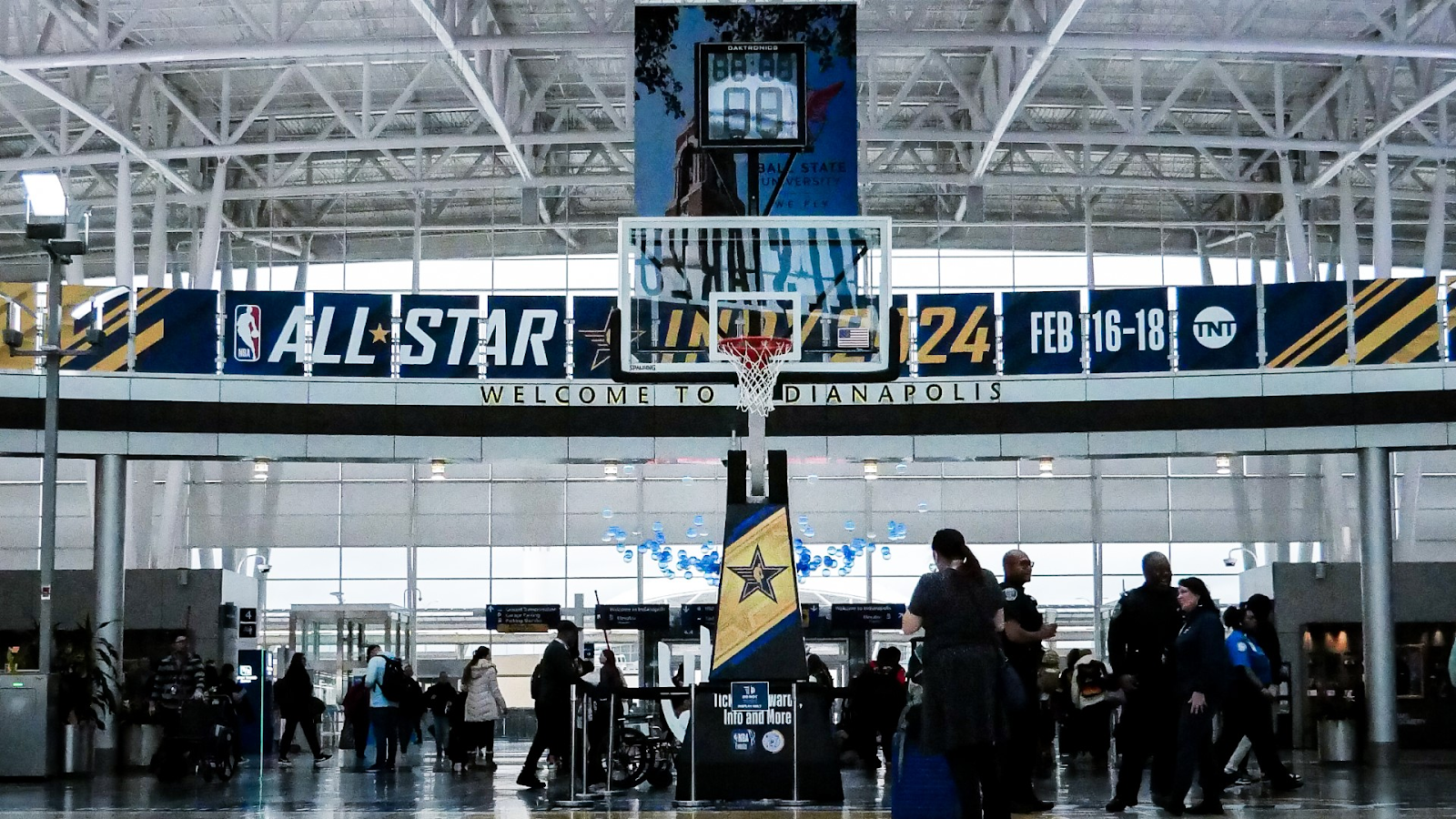
When NBA games are suspended and teams are stranded at airports, it’s rarely due to a single issue. Severe weather, air-traffic restrictions, charter flight limitations, league safety protocols, and tight scheduling often collide. This article breaks down the real reasons behind these disruptions, how the NBA decides to postpone games, what players experience behind the scenes, and what fans should realistically expect next.
Why This Situation Has Fans So Confused
When news breaks that NBA games are suspended and a team is stuck at an airport, reactions spread fast. Social media fills with speculation—everything from mechanical failures to league mismanagement.
But the truth is more structured, procedural, and intentional than it appears.
The NBA operates one of the most complex travel and scheduling systems in professional sports. When that system pauses, it’s not chaos—it’s controlled decision-making designed to protect players, preserve competitive integrity, and keep the season functioning long-term.
What Does “Team Stranded at the Airport” Actually Mean?
The word “stranded” sounds dramatic, but it rarely means a team is abandoned without options.
NBA teams travel almost exclusively on charter flights. However, those charters still depend on:
• Commercial airports
• Air-traffic control clearance
• Weather conditions at both departure and arrival locations
• Federal crew-rest regulations
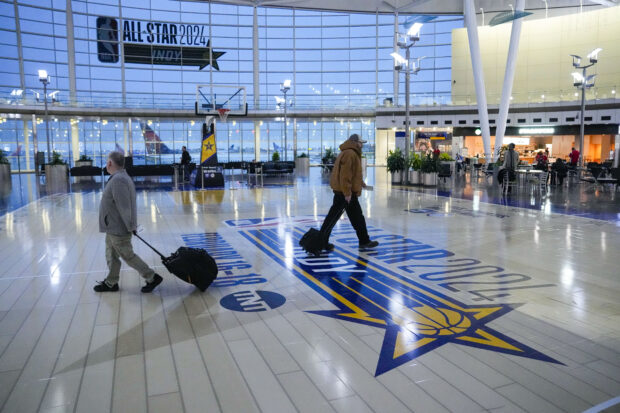
When a team is stuck, it usually means the aircraft is ready—but legally or safely unable to depart.
Common real-world scenarios include planes waiting hours for clearance, crews timing out under federal rules, or destination airports temporarily closing overnight.
The #1 Cause Behind Suspended Games: Weather
Weather is by far the most common trigger behind both airport delays and game suspensions.
Winter storms, ice, fog, high winds, and extreme cold can disrupt flight paths across entire regions. NBA teams are especially vulnerable because they often travel late at night immediately after games.
Even if conditions are clear at departure, poor weather at the destination can force planes to sit indefinitely.
When arrival becomes uncertain, the league begins evaluating whether the next game can reasonably be played.
Why the NBA Suspends Games Instead of “Pushing Through”
Fans often ask why tipoff can’t just be delayed by a few hours. The answer lies in risk management.
The NBA prioritizes:
• Player safety (fatigue significantly increases injury risk)
• Competitive fairness (one team arriving exhausted creates imbalance)
• Broadcast reliability (national TV windows are fixed)
• Arena operations (staffing, security, and fan logistics)
If a team lands at 4 or 5 a.m. after an overnight delay, forcing them to play that evening risks injuries, poor performance, and league credibility.
Suspension becomes the safer option.
How NBA Decision-Making Actually Works Behind the Scenes
When a disruption occurs, the league doesn’t improvise—it follows protocol.
Behind closed doors, league operations staff coordinate with:
• Team travel directors
• Airline and charter operators
• Arena management
• Broadcast partners
• Local authorities
The process usually unfolds like this:
- Assess whether safe travel is still possible
- Estimate realistic arrival and rest time
- Evaluate competitive and medical impact
- Check broadcast and arena constraints
- Decide on suspension or postponement
These decisions are often finalized late at night, which is why announcements sometimes feel sudden.
What Players and Staff Experience During Airport Delays
While fans see headlines, players live the reality.
Teams typically have access to secure airport lounges or private areas, but extended delays still take a toll. Sleep schedules collapse. Recovery routines are disrupted. Nutrition plans must be adjusted on the fly.
Medical and performance staff travel with teams and manage hydration, mobility, and fatigue. Backup hotels are arranged when delays stretch overnight.
Even with support, these situations are mentally and physically draining—which further justifies suspending games.
Real-Life Examples Fans Have Seen Before
This isn’t new territory for the NBA.
Over the years, fans have witnessed:
• Winter storms delaying multiple teams simultaneously
• Late-night airport closures forcing overnight stays
• Charter aircraft crew-timeout situations
• Consecutive postponements causing compressed schedules
In nearly every case, the league chose stability over short-term optics.
What Happens to Tickets, Broadcasts, and Betting?
Suspended games ripple outward quickly.
For ticket holders:
Tickets are typically honored for the rescheduled date. Refunds depend on the venue and ticket provider.
For broadcasters:
National and regional partners shift programming, sometimes replacing games with studio coverage.
For betting and fantasy sports:
Sportsbooks void or regrade bets based on house rules. Fantasy platforms remove postponed games from scoring windows.
Clear communication usually follows within 24 hours—but uncertainty is unavoidable in the moment.
Why Today’s NBA Schedule Makes Delays More Disruptive
Modern NBA scheduling leaves little room for error.
With packed calendars, shared arenas, and national TV commitments, one missed flight can affect multiple games.
A single postponement can lead to:
• Back-to-back rescheduled games
• Reduced practice time
• Increased load-management decisions
• Seeding debates later in the season
This is why the league sometimes suspends games proactively—even if travel might still work.
Is This Becoming More Common?
Slightly, yes.
Several factors contribute:
• Tighter season scheduling
• More extreme and unpredictable weather
• Increased emphasis on player health
• Less tolerance for competitive imbalance
While suspensions still remain rare, the threshold for delaying games has lowered—and that’s intentional.
What Fans Should Expect Next After a Suspension
If you’re tracking an ongoing situation, updates usually follow this order:
- Official NBA suspension announcement
- Team travel updates from beat reporters
- Rescheduled game date confirmation
- Ticketing and broadcast instructions
Rely on league statements and verified reporters—not speculation.
Frequently Asked Questions (Trending Search Queries)
1. Why are NBA games suspended at the last minute?
Ans. Most suspensions are due to travel safety, weather conditions, or logistical issues that affect player readiness and fairness.
2. What does it mean when an NBA team is stranded at the airport?
Ans. It usually means the team’s charter flight cannot depart due to weather, air-traffic restrictions, or crew regulations.
3. Can NBA teams fly commercial flights if charters fail?
Ans. Almost never. Commercial flights don’t meet security, timing, or capacity needs on short notice.
4. Are suspended NBA games considered forfeits?
Ans. No. Suspended games are postponed and rescheduled, not forfeited.
5. Who makes the decision to suspend an NBA game?
Ans. The NBA league office, in coordination with teams, arenas, and broadcasters.
6. How long can an NBA team be delayed at an airport?
Ans. Delays can range from a few hours to overnight, depending on conditions and logistics.
7. Do players still get paid if games are suspended?
Ans. Yes. Player salaries are not affected by postponements.
8. How quickly are suspended games rescheduled?
Ans. Some are rescheduled within days, while others wait for open calendar windows.
9. Why not just delay tipoff instead of suspending the game?
Ans. Travel fatigue, broadcast windows, and arena staffing often make delays impractical.
10. Does this affect playoff standings or eligibility?
Ans. The games still count once played, but timing can influence rest and late-season momentum.
The Bigger Picture: Why This Is About Control, Not Chaos
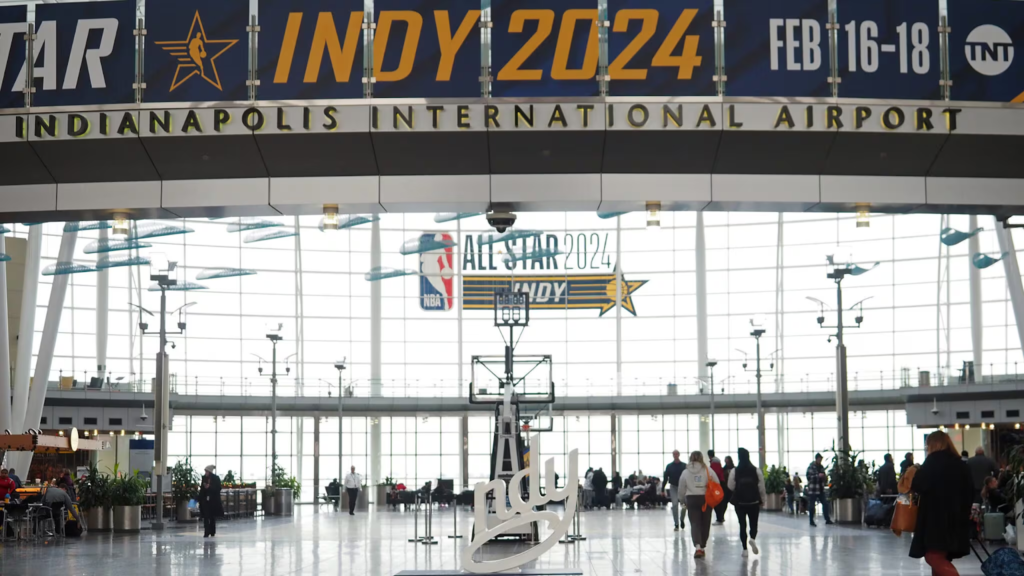
When NBA games are suspended and teams are delayed, it can feel messy in real time. But these decisions are the result of deliberate planning—not panic.
The league consistently chooses safety, fairness, and long-term integrity over short-term convenience. In a season where every game matters, that caution isn’t weakness—it’s professionalism.
For fans, patience is frustrating. For the league, it’s necessary.
About the Author

 Alex Turner