NBA Weather Chaos: What the League Is Doing About Postponed Games
 Alex Turner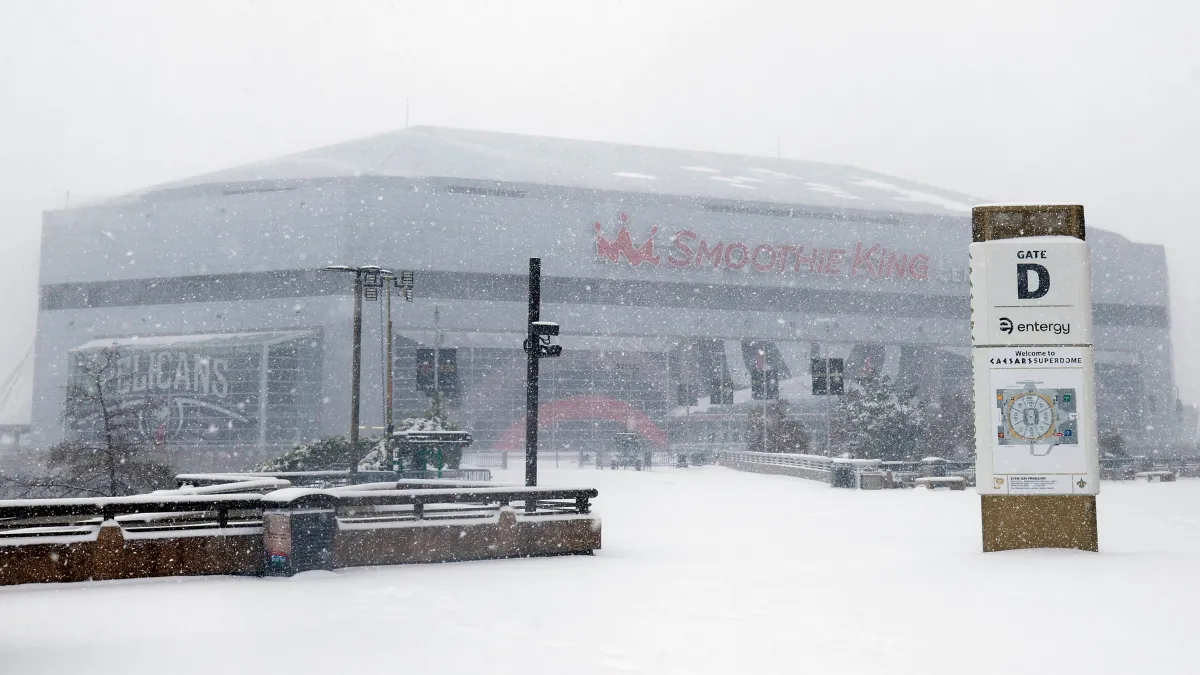
Extreme weather is no longer a rare disruption for the National Basketball Association. Winter storms, flooding, heat waves, and infrastructure failures are increasingly forcing postponed NBA games. This in-depth article explores why weather delays are rising, how the NBA decides to postpone games, the behind-the-scenes chaos fans never see, and what the league is doing to adapt its scheduling, travel, and contingency planning.
Why Are Weather-Related NBA Postponements Becoming More Common?
For most of its history, the NBA felt immune to weather problems. Basketball is played indoors, arenas are climate-controlled, and the league runs like a logistical machine. But in recent years, that sense of immunity has cracked.
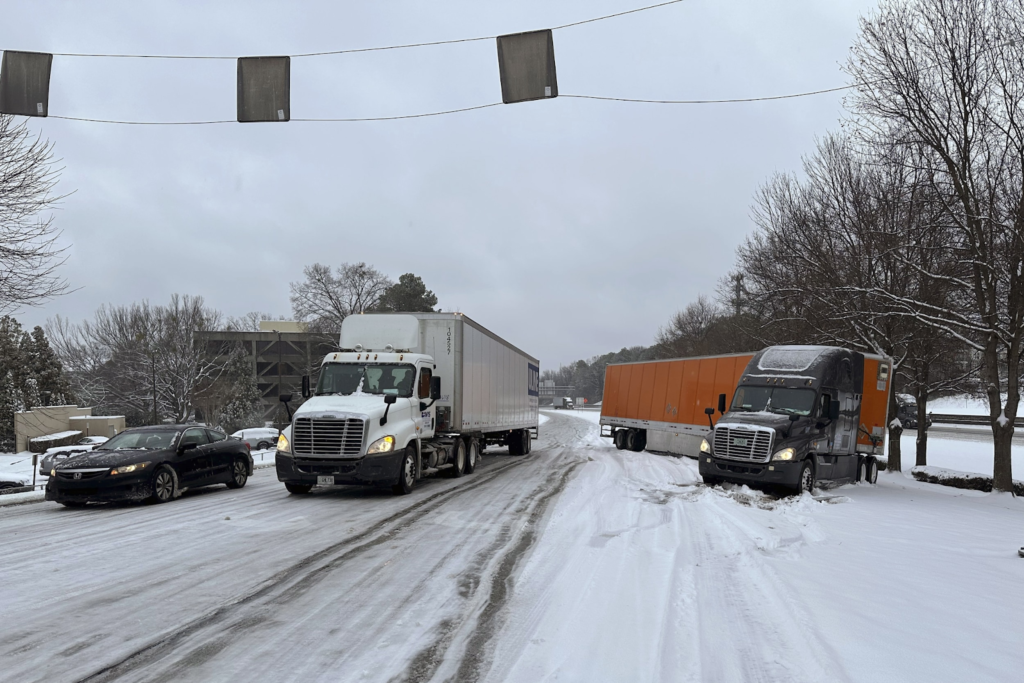
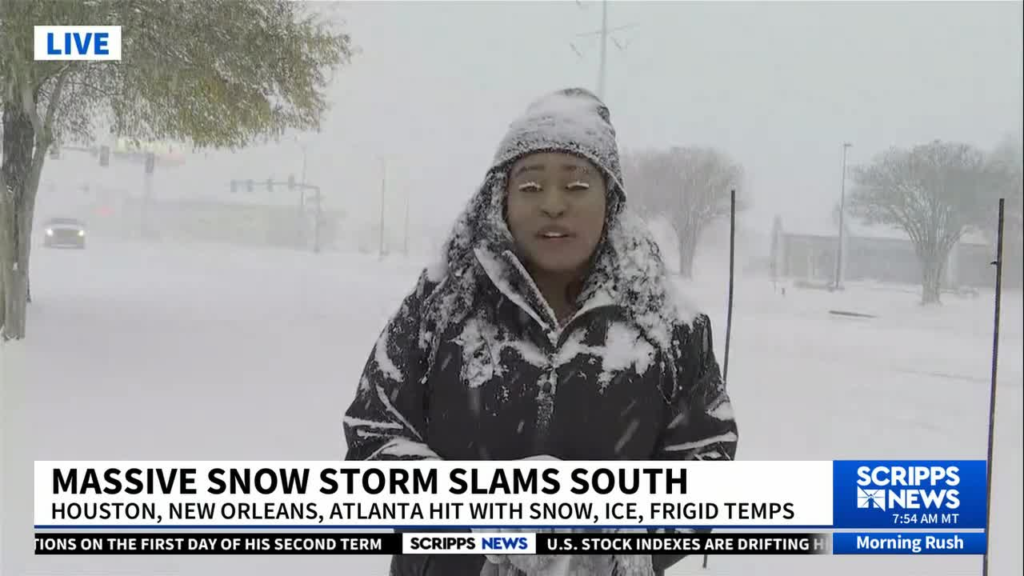
The problem isn’t snow falling onto a hardwood court. It’s everything around the arena. Severe weather events increasingly disrupt air travel, public transportation, power grids, and emergency services. When teams can’t fly safely, officials can’t reach the city, or tens of thousands of fans are advised to stay off the roads, playing a game becomes irresponsible.
In today’s NBA, a storm hundreds of miles away can derail an entire game night.
What Types of Weather Actually Force NBA Games to Be Postponed?
Unlike outdoor sports, NBA postponements are usually indirect. The league doesn’t cancel games because it’s raining. It cancels games because weather creates unsafe or impossible conditions.
The most common weather-related causes include:
- Major winter storms grounding team flights or closing airports
- Ice and snow emergencies making fan and staff travel unsafe
- Flooding near arenas, hotels, or transit routes
- Extreme heat waves stressing arena cooling systems
- Weather-triggered power outages impacting arena operations
In several recent seasons, teams have been stranded in cities overnight due to grounded flights, leaving no realistic way to play a scheduled game the next day.
How Does the NBA Decide When to Postpone a Game?
Postponing a game is never a casual decision. The NBA uses a layered decision-making process that prioritizes safety and fairness over convenience.
League officials coordinate with:
- Local and state emergency authorities
- Arena management teams
- Team medical and travel departments
- Transportation and aviation officials
- Broadcast partners
If any of these groups flag a significant safety risk, the league steps in.
The NBA’s decision hierarchy looks like this:
- Player and staff safety
- Fan safety
- Competitive integrity
- Broadcast and commercial obligations
No amount of ticket sales or TV pressure outweighs safety concerns.
What Fans Don’t See: The Hidden Chaos of a Postponement
From a fan’s perspective, a postponement looks simple: the game moves to another date. In reality, it triggers a logistical domino effect across the league.
Behind the scenes, the NBA must:
- Rebuild travel schedules for two teams
- Secure arena availability on a new date
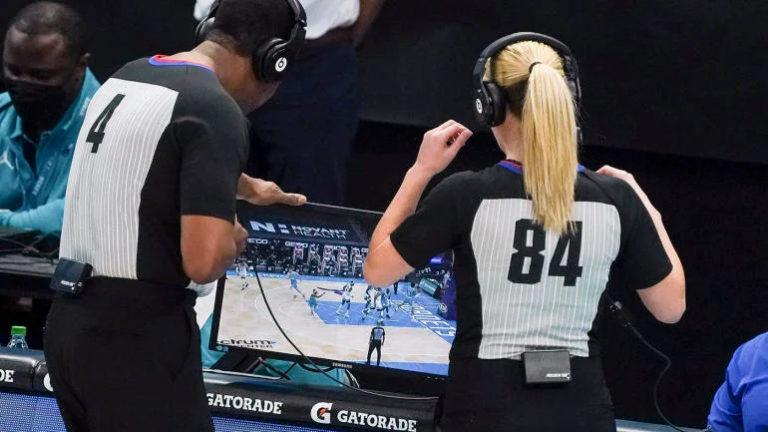
- Reassign referees and game officials
- Adjust national and regional TV programming
- Coordinate with ticketing platforms and sponsors
For teams already navigating back-to-backs or long road trips, one postponed game can ripple through weeks of scheduling.
A real-world comparison: it’s like canceling a major conference at the last minute—every flight, hotel, vendor, and attendee is affected.
How Do Weather Postponements Affect Players and Competitive Balance?
Postponements don’t impact every team equally. Some benefit from extra rest. Others suffer from compressed schedules later in the season.
Players often deal with:
- Disrupted sleep and recovery routines
- Sudden changes in practice schedules
- Increased travel stress during makeup games
- Higher injury risk from condensed stretches
For teams battling for playoff seeding, one postponed game can quietly tilt the competitive landscape. The NBA tries to reschedule fairly, but perfect balance is rarely possible.
Is Climate Change Playing a Role in NBA Scheduling Chaos?
While the league avoids public environmental statements tied directly to scheduling, experts agree that climate volatility is a major factor.
Cities across North America are experiencing:
- More frequent extreme winter storms
- Heavier rainfall and flash flooding
- Strained power grids during heat waves
- Aging transportation infrastructure
A storm that once caused inconvenience now causes shutdowns. For a league spanning multiple climate zones, that unpredictability creates real operational risk.
How the NBA Uses Technology to Predict Weather Disruptions
The NBA has quietly invested in predictive planning tools to reduce surprises.
Today, the league relies on:
- Advanced weather forecasting models
- Real-time airline and airport analytics
- Travel-risk probability mapping
- Arena infrastructure monitoring systems
Instead of reacting to disasters, the NBA increasingly plans around them—adjusting travel days, moving shootarounds, or shifting game times before postponement becomes unavoidable.
This proactive mindset mirrors changes in other major industries that now plan for disruption as a baseline reality.
What Happens to TV Broadcasts and Sponsorships?
Postponed games don’t just affect teams and fans. Broadcasters and sponsors feel the impact immediately.
Television networks must:
- Fill suddenly empty broadcast windows
- Shift advertising placements
- Communicate schedule changes to national audiences
Sponsors tied to specific game dates may lose exposure or need last-minute creative adjustments. Still, most partners support postponements when safety is involved. Long-term trust matters more than short-term inconvenience.
What Should Fans Expect If a Game They Bought Tickets For Is Postponed?
For fans, postponements create confusion and frustration—especially for those traveling long distances.
In most cases:
- Tickets remain valid for the rescheduled date
- Refunds are offered if fans cannot attend
- Parking and transit passes may need revalidation
- Merchandise and promotions are typically honored later
The NBA has pushed teams to improve real-time communication through apps, email alerts, and social media to reduce uncertainty.
Is the NBA Quietly Changing Its Scheduling Philosophy?
Yes—though the league rarely advertises it.
Recent scheduling trends suggest:
- Fewer extreme travel sequences in winter months
- Built-in flexibility windows for rescheduling
- Greater emphasis on regional road trips
- Reduced reliance on last-minute back-to-backs
The 82-game season isn’t changing, but how those games are arranged is evolving to handle modern realities.
Could the NBA Introduce Formal Emergency Scheduling Rules?
League insiders have discussed more formal contingency plans, including:
- Pre-approved makeup dates
- Expanded schedule buffer zones
- Neutral-site contingency planning in extreme cases
While not publicly announced, these discussions reflect a recognition that weather disruptions are no longer rare anomalies.
What This Means for the Future of the NBA Season
Weather chaos isn’t going away. But the NBA isn’t standing still either.
Fans can expect:
- Faster, clearer communication
- Fewer last-minute surprises
- Smarter rescheduling decisions
- Increased emphasis on safety over spectacle
In a changing world, even an indoor league must adapt.
Key Takeaways for Fans, Teams, and the League
- Weather-related postponements are increasing
- Safety drives every NBA postponement decision
- Technology is reducing—but not eliminating—disruptions
- Scheduling flexibility is now a strategic priority
- Fans benefit from better communication and refund options
The NBA’s challenge isn’t preventing chaos—it’s managing it responsibly.
Frequently Asked Questions (Trending Searches)
1. Why does the NBA postpone games because of weather if arenas are indoors?
Ans. Weather disrupts travel, power supply, and public safety, making it unsafe or impractical to hold games.
2. How often are NBA games postponed due to weather?
Ans. Still uncommon, but increasingly frequent during severe winter storms and regional emergencies.
3. Who makes the final call on postponing NBA games?
Ans. The NBA league office, working with teams, arenas, and local authorities.
4. Do players still get paid if a game is postponed?
Ans. Yes. Player salaries are not affected by postponements.
5. How does the NBA reschedule postponed games?
Ans. The league finds the next available date that minimizes travel strain and competitive imbalance.
6. Can postponed games affect playoff seeding?
Ans. Indirectly, yes—especially if rescheduling leads to compressed game stretches.
7. Do TV networks lose money when games are postponed?
Ans. Broadcast contracts account for rescheduling, though disruptions still occur.
8. Is climate change increasing NBA postponements?
Ans. Experts believe climate volatility contributes to more frequent disruptions.
9. Can fans get refunds for postponed NBA games?
Ans. Yes, refund options are typically available if fans cannot attend the new date.
10. Is the NBA changing its season structure because of weather?
Ans. The 82-game format remains, but scheduling flexibility and contingency planning are increasing.
About the Author


 Marcus Reed