The Analytics Era Has Gone Too Far—Fans Are Finally Pushing Back
 Jordan Ellis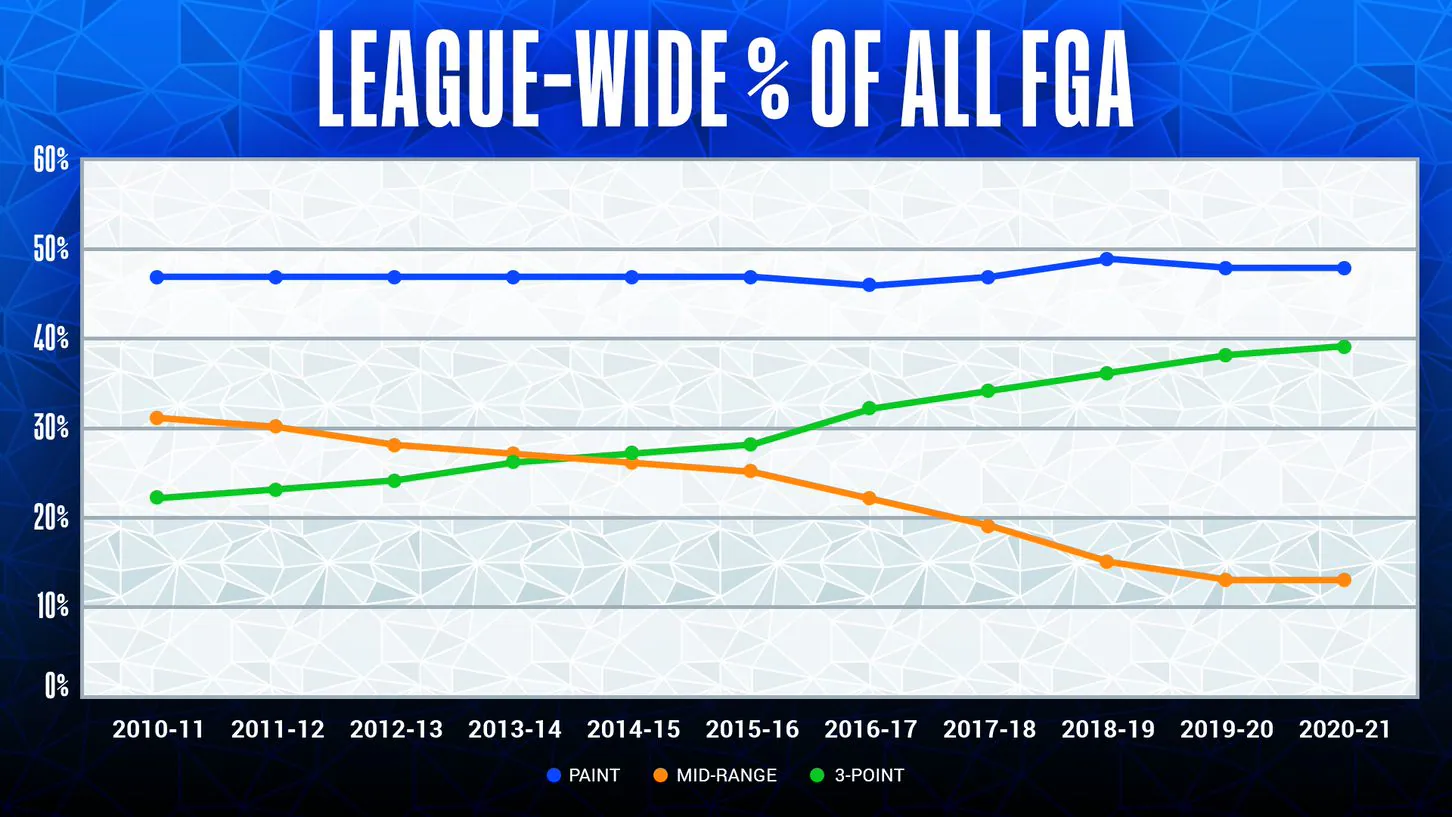
Basketball analytics once revolutionized the sport, making it smarter and more efficient. But today, many fans believe the numbers have gone too far—flattening creativity, homogenizing play styles, and draining emotional drama. As three-point-heavy offenses dominate, fans and players alike are pushing back. This in-depth article explores why the backlash is growing, what analytics got wrong, and how basketball is slowly rediscovering balance.
Introduction: When Smart Basketball Stopped Feeling Special
There was a time when analytics felt like a savior.
Basketball had inefficiencies. Bad shots. Stagnant offenses. Predictable systems. Data entered the sport with a promise: make the game smarter, fairer, and more competitive. And for years, it worked.
But somewhere along the way, basketball crossed an invisible line.
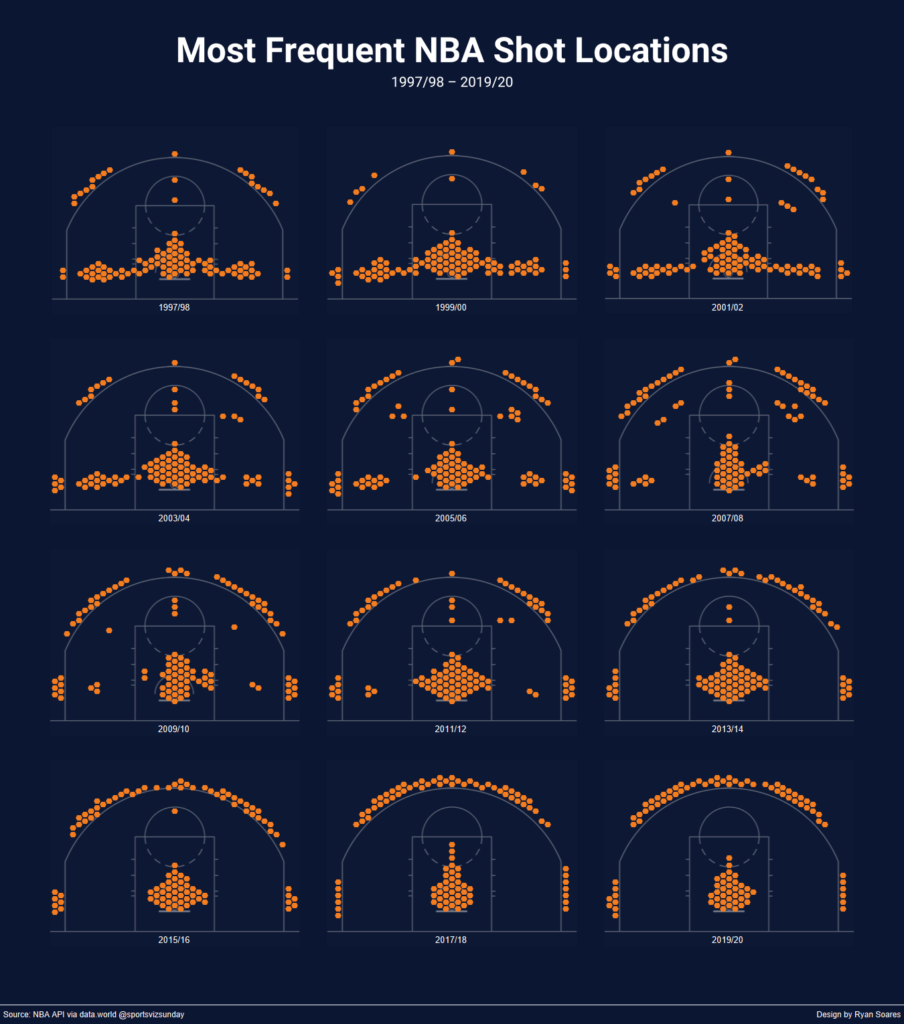
Across NBA arenas, college gyms, international tournaments, and even programs connected to USA Basketball, fans began to notice something unsettling. Games looked similar. Shot charts overlapped. Possessions blurred together. Wins felt earned—but not always felt.
Analytics didn’t ruin basketball.
But the way they were applied pushed the game to a breaking point.
Why Are Fans Suddenly Pushing Back Against Analytics?
This isn’t a reactionary trend. It’s been building quietly for years.
Search behavior, fan forums, broadcast commentary, and social media debates now revolve around the same questions:
- Has analytics made basketball boring?
- Why does every team play the same way?
- Why are players afraid to shoot mid-range jumpers?
- Why do games feel predictable?
Fans are not rejecting intelligence. They’re rejecting rigidity.
The Original Promise of Basketball Analytics
When analytics entered mainstream basketball discourse, it was empowering.
Teams used data to:
- Identify inefficient shots
- Improve offensive spacing
- Discover undervalued players
- Close the gap between rich and poor franchises
For fans, analytics meant strategy mattered. Coaching mattered. Smart teams could beat talented teams. The sport felt evolved.
Basketball didn’t lose its soul then—it gained perspective.
When Optimization Turned Into Obsession
The problem began when efficiency became ideology.
Instead of asking “What is the best option right now?”, teams asked “What does the model say in general?”
That subtle shift changed everything.
Suddenly:
- Mid-range shots were discouraged regardless of context
- Creative risks were labeled “low IQ”
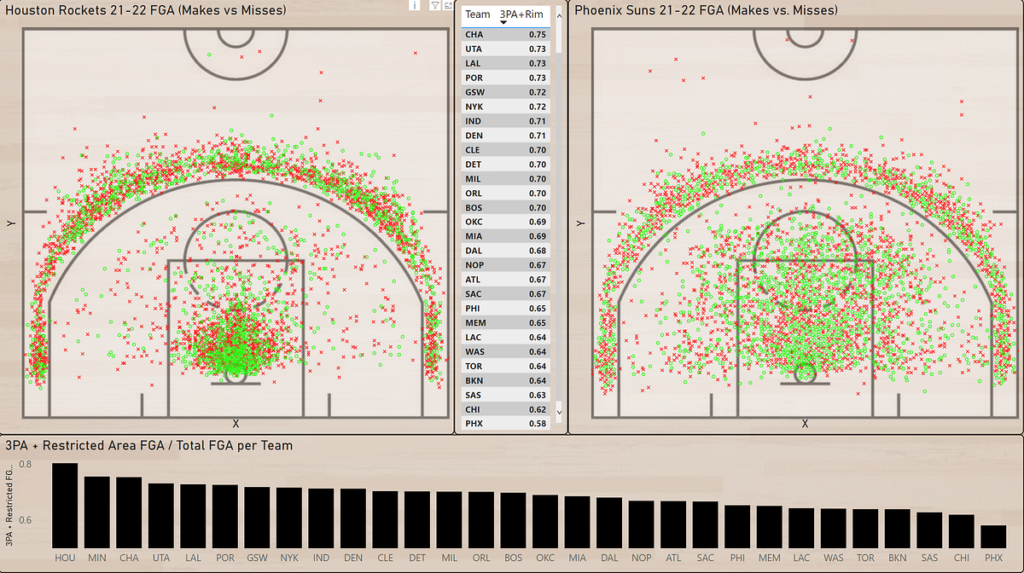
- Players played within invisible shot maps
Analytics stopped guiding decisions—and started policing them.
The Three-Point Saturation Point
No symbol better represents fan frustration than the three-point explosion.
Yes, three-pointers are efficient.
Yes, spacing matters.
Yes, math supports it.
But basketball isn’t played on spreadsheets.
When:
- 40–50 threes are attempted every night
- Offenses hunt identical shots
- Cold shooting nights turn games into brick-fests
The rhythm of basketball suffers.
What Fans Complain About Most
- Long stretches of missed threes
- Fewer post-ups and iso battles
- Less stylistic variety
- Predictable offensive flow
Efficiency peaked. Entertainment stalled.
Why Modern Games Started Feeling the Same
Analytics didn’t reduce talent—it reduced contrast.
When every team follows similar models:
- Pace converges
- Spacing converges
- Shot selection converges
Basketball loses texture.
Fans don’t just want good basketball—they want different basketball. Rivalries once felt stylistic. Now they often feel cosmetic.
Real Fan Backlash: This Isn’t Just Online Noise
This frustration isn’t limited to Twitter threads.
Former players, coaches, and broadcasters have openly criticized how analytics-driven rigidity impacts entertainment. Viewership dips during regular-season games. Ratings spike during chaotic playoff moments when systems break down and instincts take over.
Fans respond to:
- Momentum swings
- Emotional intensity
- Unscripted moments
Analytics struggle to manufacture those.
Players Are Quietly Rebelling Too
Players rarely attack analytics publicly—but their body language speaks volumes.
Many stars have admitted:
- Passing up shots they’re comfortable making
- Feeling punished for improvisation
- Playing cautiously instead of confidently
Basketball thrives on trust. Over-analysis erodes it.
When players stop playing freely, fans feel it immediately.
What Analytics Still Can’t Measure
Analytics are powerful—but incomplete.
They struggle to quantify:
- Momentum
- Confidence
- Crowd energy
- Psychological pressure
- Hot streaks
These elements decide playoff series, rivalry games, and iconic moments. Fans intuitively understand this—even if models don’t.
When Data Ignores Context
The biggest failure of modern analytics wasn’t math—it was context blindness.
A mid-range shot by a role player isn’t the same as a mid-range shot by an elite scorer. A late-clock bailout isn’t the same as an early-clock gamble. But models often flatten these distinctions.
Basketball is situational by nature. Numbers prefer averages.
The Entertainment vs Optimization Dilemma
Sports are not simulations.
Fans don’t tune in to watch optimal decision trees. They tune in for:
- Uncertainty
- Emotional swings
- Rivalries
- Storylines
When analytics minimize variance, they also minimize drama.
That’s the pushback we’re witnessing now.
The Quiet Correction Already Underway
Interestingly, basketball is already adjusting.
Across the league, teams are:
- Reintroducing mid-range offense
- Empowering stars to read matchups
- Prioritizing confidence over rigid shot rules
Analytics are evolving—from commandments into contextual tools.
The Return of Feel-Based Basketball
The next phase of basketball isn’t anti-analytics.
It’s analytics with feel.
Coaches are emphasizing:
- Situational freedom
- Matchup exploitation
- Player rhythm
- Trust over templates
Data informs the plan. Players execute the moment.
Why Fans Are Starting to Reconnect
When basketball loosens its grip on rigidity:
- Games feel unpredictable again
- Players look expressive
- Fans feel emotionally invested
The soul returns when creativity is allowed to coexist with intelligence.
What This Means for the Future of the Game
The analytics era isn’t ending—it’s maturing.
The future belongs to teams that:
- Use data without worshiping it
- Encourage individuality within structure
- Balance efficiency with entertainment
Basketball doesn’t need fewer numbers.
It needs better judgment.
Practical Takeaways for Fans, Coaches, and the Sport
- Analytics should guide, not dictate
- Entertainment is not inefficiency
- Creativity improves competitiveness
- Fans crave authenticity
Basketball succeeds when logic and emotion work together.
Frequently Asked Questions (Trending Search Queries)
1. Have basketball analytics gone too far?
Ans. Many fans believe rigid reliance on analytics has reduced creativity and entertainment.
2. Are fans really bored with modern basketball?
Ans. Some fans feel disengaged when games become repetitive and predictable.
3. Why does every team shoot so many threes now?
Ans. Analytics showed three-pointers maximize points per possession.
4. Is the mid-range shot making a comeback?
Ans. Yes, especially as defenses overcommit to stopping threes.
5. Do players dislike analytics?
Ans. Players dislike inflexible interpretations, not analytics themselves.
6. Can analytics measure momentum and confidence?
Ans. Not accurately—these remain human elements of the game.
7. Are coaches changing their approach?
Ans. Many are reintroducing situational freedom and creativity.
8. Is analytics killing basketball creativity?
Ans. Overuse can suppress creativity, but balanced use enhances it.
9. Will the analytics backlash continue?
Ans. It’s evolving into a more nuanced, balanced approach.
10. What do fans actually want from basketball?
Ans. Emotion, unpredictability, authenticity, and competitive drama.
Final Verdict: Analytics Didn’t Ruin Basketball—Dogma Did
Analytics were never the enemy.
Dogma was.
Basketball lost balance when numbers replaced trust and instinct. It’s rediscovering itself by remembering a simple truth: data explains the game, but humans play it.
Fans aren’t rejecting intelligence.
They’re demanding soul.
And basketball is finally listening.
About the Author


 Marcus Reed
 Alex Turner