 Jordan Ellis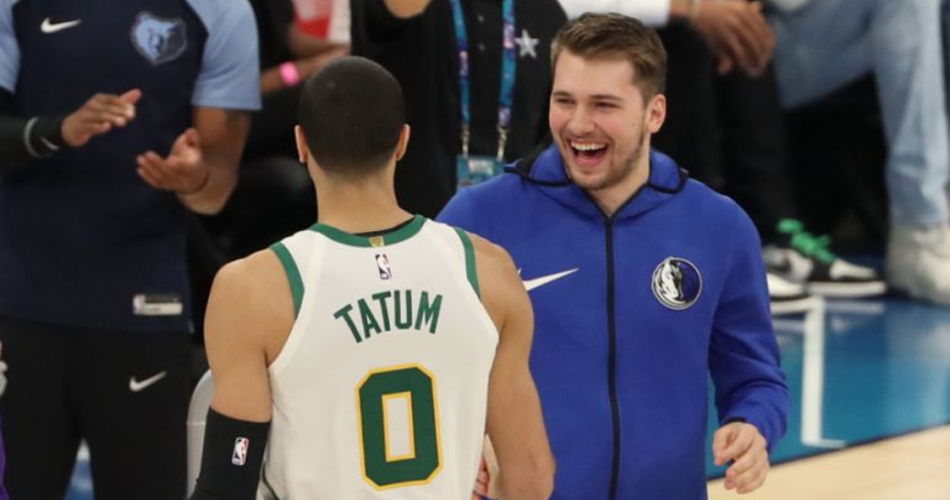
The NBA is undergoing a quiet transformation driven by the rise of 6’8 playmakers—tall, versatile creators who blend size, vision, and control. These players are redefining offense, neutralizing modern defenses, and reshaping roster construction. This article explores why they’re thriving, how they impact winning basketball, and why the league’s future increasingly belongs to size-based creators rather than traditional point guards.
Introduction: When the NBA Stopped Asking “What Position Do You Play?”
For most of basketball history, height decided destiny. Smaller players handled the ball. Bigger players finished near the rim. Creativity shrank as players grew taller, and roles were clearly defined long before tip-off.
That structure no longer exists.
The modern NBA is quietly being reshaped by a new archetype: the 6’8 playmaker. These players don’t fit traditional positional labels. They run offenses, manipulate defenses, and control pace—not because of blazing speed, but because of size, patience, and decision-making.
What makes this shift remarkable is how little noise it made. There was no rule change forcing it. No league mandate. Just a gradual realization across front offices and coaching staffs: giving the ball to taller decision-makers creates advantages defenses struggle to solve.
This isn’t a stylistic trend.
It’s a structural evolution.
Why Are 6’8 Playmakers Thriving in Today’s NBA?
The answer lies in how the modern game is played.
Switch-heavy defenses dominate the league. Teams trap ball-handlers, rotate aggressively, and load up against primary scorers. These tactics work well against smaller guards—but they lose effectiveness against taller creators.
A 6’8 playmaker sees the floor differently. Passing angles stay open. Traps arrive slower. Help defenders can’t hide as easily. When pressure comes, size becomes leverage.
At the same time, offensive systems evolved. Spacing allows tall creators room to operate. Shooters punish help defense. Centers set screens that force mismatches rather than rigid pick-and-roll reads.
The result is an environment where size plus skill becomes the most reliable advantage in basketball.
What Exactly Is a 6’8 Playmaker?
A 6’8 playmaker isn’t defined by a stat line or a position listing. The defining trait is control.
These players:
- Initiate offense regularly
- Read defenses under pressure
- Create shots for others without forcing pace
- Remain effective late in games and playoff settings
They don’t dominate possessions with speed. They dominate with patience and vision.
Real NBA Examples Fueling the Shift
The prototype became undeniable with LeBron James, who proved that a player with forward size could function as a primary offensive engine for two decades. His success challenged long-held assumptions about who should handle the ball.
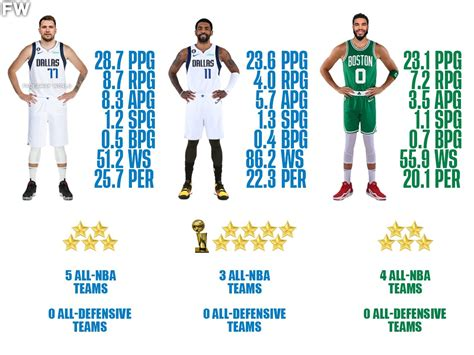
That blueprint expanded with Luka Doncic, whose deliberate pace, strength, and court vision allow him to dictate games without elite quickness. Luka’s game thrives on leverage—backing defenders down, manipulating angles, and punishing switches.
Jayson Tatum represents the next stage of evolution. Initially known as a scorer, he has increasingly become a decision-maker, trusted to initiate offense, draw help, and make timely reads.
Then there’s Cade Cunningham, who entered the league already shaped by this philosophy—comfortable running an offense, reading defenses, and using size to stay composed under pressure.
What once felt rare now feels intentional.
How 6’8 Playmakers Break Modern Defenses
Modern defenses are built to neutralize speed. They are far less effective against size-based creators.
When a smaller defender switches onto a taller playmaker, the offense doesn’t stall—it improves. The playmaker can slow the possession, force help, and create high-quality looks without rushing.
Traps also lose effectiveness. Taller creators pass over double teams with ease, turning aggressive defense into immediate advantages elsewhere on the floor.
Perhaps most importantly, these players force defenses to collapse earlier. Their strength and balance demand help, opening passing lanes before the defense fully rotates.
This creates offenses that don’t rely on perfect timing—they rely on leverage.
Why Size Is Replacing Speed at the Point of Attack
Speed still matters, but playoff basketball exposes its limits.
In tight games:
- Lanes shrink
- Defenses load up
- Transition opportunities disappear
Size, however, remains constant.
Taller creators:
- Maintain vision under pressure
- Absorb contact without losing control
- Punish mismatches possession after possession
This is why many teams now close games without a traditional point guard, trusting size and decision-making instead.
How This Trend Is Changing Roster Construction
Front offices are adjusting quickly.
Instead of building around one small guard, teams now prioritize:
- Multiple ball-handlers between 6’6 and 6’9
- Wings who can pass, not just score
- Lineups with interchangeable creators
This makes offenses harder to scout and less dependent on a single player’s rhythm.
Player Development Is Following the Same Path
Development pipelines—especially internationally—adapted faster than traditional systems.
Young players are now encouraged to:
- Handle the ball regardless of height
- Develop passing reads early
- Delay specialization until later stages
This is why many prospects arrive already comfortable initiating offense rather than learning it at the NBA level.
Why Traditional Point Guards Feel the Pressure
The rise of 6’8 playmakers doesn’t eliminate smaller guards—but it raises expectations.
To remain valuable, traditional point guards must:
- Shoot at elite levels
- Defend creatively
- Thrive off the ball
One-dimensional guards struggle in this environment, especially in the playoffs.
What This Means for the Future of the NBA
This trend points toward a league where:
- Positions matter less than skills
- Offenses flow through size and vision
- Versatility outweighs specialization
Basketball isn’t becoming positionless for aesthetic reasons. It’s becoming positionless because size combined with decision-making is the hardest advantage to remove.
Key Takeaways (Quick Scan)
- 6’8 playmakers combine size, vision, and control
- Switching defenses struggle against them
- Playoff basketball rewards leverage over speed
- Roster construction now favors multi-skill wings
- Youth development is adapting to this archetype
Frequently Asked Questions (Trending US Searches)
1. What is a 6’8 playmaker in the NBA?
Ans. A 6’8 playmaker is a tall, versatile player who initiates offense, creates scoring opportunities for teammates, and controls possessions regardless of listed position.
2. Why are NBA teams favoring taller playmakers now?
Ans. Taller playmakers see over defenses, punish switches, and remain effective when speed advantages disappear, especially in playoff settings.
3. Is the traditional point guard role disappearing?
Ans. No, but it’s evolving. Traditional point guards must now offer elite shooting, off-ball value, or defensive impact to stay indispensable.
4. Who popularized the tall playmaker concept?
Ans. Players like LeBron James demonstrated that size and decision-making could dominate at the highest level, influencing future roster strategies.
5. Are 6’8 playmakers more effective in the playoffs?
Ans. Generally, yes. Their size, patience, and leverage translate better when defenses tighten and physicality increases.
6. How does this trend affect NBA draft evaluations?
Ans. Teams now prioritize ball-handling and vision regardless of height, increasing the value of tall creators in the draft.
7. Does this reduce the value of smaller guards?
Ans. Only if they’re one-dimensional. Elite shooting, movement, and basketball IQ still keep smaller guards relevant.
8. Are international players influencing this trend?
Ans. Yes. Many international systems develop guard skills in taller players, accelerating the rise of size-based creators.
9. Will every NBA team need a 6’8 playmaker to compete?
Ans. Not necessarily, but teams without size-based creators often struggle against those who have them.
10. Is the rise of 6’8 playmakers a long-term shift or a trend?
Ans. It appears structural. As long as switching defenses dominate, tall playmakers will remain a premium advantage.

Final Verdict: Size Plus Skill Is the NBA’s Ultimate Advantage
The rise of 6’8 playmakers isn’t a fad—it’s a correction.
Basketball finally aligned its most valuable traits: vision, patience, strength, and versatility. As defenses grow smarter and games tighten, teams are trusting players who can see more, absorb more, and decide better.
The future of the NBA doesn’t belong to the fastest player on the floor.
It belongs to the one who controls it.
About the Author

 Marcus Reed
 Alex Turner