 Jordan Ellis
Today’s NBA stars are faster, more skilled, and more efficient than ever, yet many fans believe they don’t play like past legends. This in-depth analysis explains why that feeling exists—and why it will never change. From rule changes and analytics to player empowerment and media culture, this article reveals how modern basketball permanently reshaped what greatness looks like.
Introduction: The Argument That Never Dies
Every NBA era produces one unavoidable debate.
Fans who grew up watching Michael Jordan, Larry Bird, Magic Johnson, or Kobe Bryant often say the same thing when watching modern games:
“These guys are great—but they don’t play like legends.”
It’s a statement loaded with emotion, nostalgia, and frustration. On the surface, it sounds like generational bias. But dig deeper, and something more interesting emerges.
This article makes a clear case: today’s NBA stars don’t play like legends—and never will.
Not because they’re worse.
Not because they lack competitiveness.
But because the environment that created legends no longer exists.
What Fans Really Mean by “Play Like Legends”
When fans complain about modern stars, they’re rarely criticizing talent.
What they actually miss is:
- Physical intimidation
- Emotional hostility
- Willingness to play through visible pain
- Clear alpha-dog hierarchy
- Personal rivalries that lasted years
Legends felt dangerous. Games felt personal. Matchups felt like battles of pride rather than strategy.
That feeling wasn’t accidental—it was built into the structure of the league.
The NBA Environment That Created Legends Is Gone
The NBA that produced legends was harsher, slower, and more punishing.
Key differences included:
- Hand-checking was allowed
- Defensive contact was constant
- Flagrant fouls were rare
- Isolation offense was encouraged
Legends thrived because the rules rewarded mental and physical dominance. Today’s stars thrive because the rules reward decision-making and efficiency.
The game didn’t get easier.
It got different.
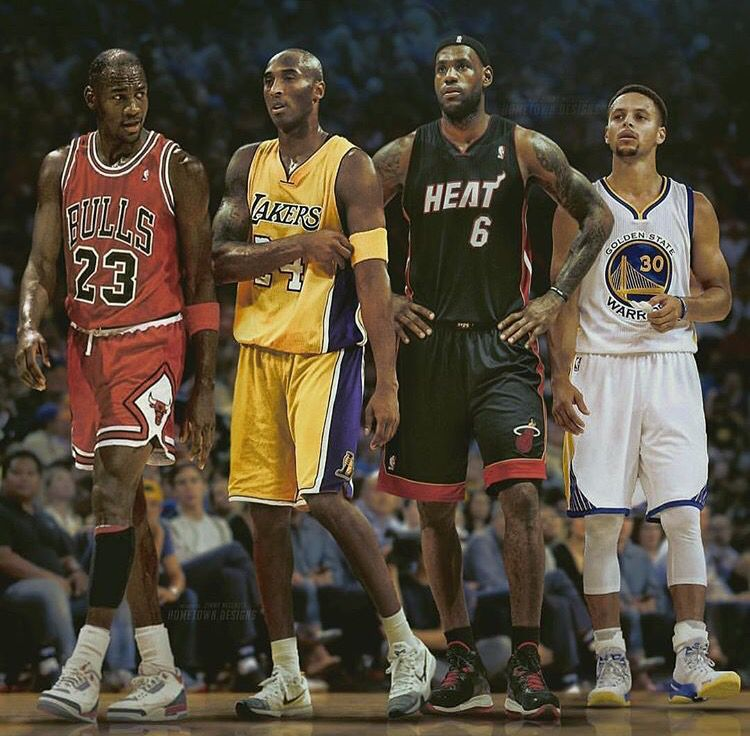
Rule Changes Quietly Redefined Greatness
Over the past two decades, rule changes transformed how stars play.
Modern NBA rules emphasize:
- Freedom of movement
- Offensive flow
- Player safety
- Spacing and pace
The league intentionally removed elements that once defined legend-making toughness.
Physical intimidation didn’t disappear because players got soft.
It disappeared because the league no longer allows it.
Analytics Changed the Meaning of “Hero Ball”
One of the biggest divides between legends and modern stars is analytics.
Legends became legends by:
- Taking contested shots
- Embracing difficulty
- Creating iconic moments regardless of efficiency
Modern stars are taught the opposite.
Analytics reward:
- Shot quality
- Playmaking efficiency
- Lineup optimization
- Passing out of bad situations
A contested mid-range jumper—once legendary—is now often considered a mistake.
Today’s stars don’t avoid tough shots because they’re afraid.
They avoid them because the math says not to take them.
Why Modern Stars Play Smarter—but Feel Less Iconic
Players like Stephen Curry and Nikola Jokic dominate without looking dominant in the old-school sense.
They bend defenses.
They manipulate spacing.
They make the right play—even when it’s not the dramatic one.
Legends often ignored the “right” play to make a statement.
Modern stars make statements through efficiency, not defiance.
Player Empowerment Changed the Mentality Forever
Past legends had little control over:
- Team movement
- Front-office decisions
- Playing conditions
They stayed, endured, and fought through everything.
Modern stars operate in an era of empowerment:
- Free agency leverage
- Trade demands
- Load management
- Brand protection
Playing through injury was once celebrated.
Now it’s often criticized.
That shift permanently changed how stars approach adversity.
Why Legends Were Allowed to Become Myths
Legends weren’t just great players—they were larger than the league.
Jordan wasn’t just the best player.
He was the NBA.
Today’s league avoids centering everything around one figure. It markets parity, depth, and global reach.
That prevents modern stars from becoming mythical in the same way.
Social Media Destroyed Mystery
Legends existed in limited exposure environments.
Fans saw highlights.
They read box scores.
They debated in bars.
Modern stars exist under:
- 24/7 scrutiny
- Viral criticism
- Meme culture
- Constant ranking
Mystery is essential to mythology.
Social media leaves none.
When everything is visible, nothing feels legendary.
Why Intimidation Is Gone—and Will Never Return
Many fans miss fear-based dominance.
But intimidation thrived in a league that:
- Encouraged enforcers
- Allowed harder fouls
- Penalized less
Today’s NBA protects players and its image.
Physical intimidation isn’t discouraged—it’s punished.
This alone ensures modern stars can never feel like old legends.
How Defense Changed the Look of Star Power
Defenses today are smarter, faster, and more coordinated.
Late-game possessions now involve:
- Multiple defenders
- Rotations
- Traps and switches
Legends often faced single coverage.
Modern stars face five-man schemes.
Isolation dominance doesn’t look the same when everyone collapses instantly.
Why Fans Confuse “Different” With “Worse”
This is the heart of the disconnect.
Today’s stars:
- Cover more ground
- Make faster decisions
- Face complex defensive schemes
- Play at higher pace
But they don’t feel legendary because legend-making relied on scarcity, hardship, and mystery.
Modern basketball is optimized—not romanticized.
The League Now Produces Content, Not Mythology
Legendary moments once lived for years.
Today’s moments:
- Trend for hours
- Get clipped instantly
- Are replaced tomorrow
Myths require time to breathe.
The modern NBA doesn’t allow that.
Why This Gap Will Only Grow Larger
Future generations will feel even more distant from legend-style play.
Why?
- Youth basketball emphasizes versatility over dominance
- Analytics guide decisions earlier
- Player safety remains central
- Global styles shape development
The league isn’t regressing.
It’s evolving permanently.
Key Reasons Today’s Stars Will Never Play Like Legends
- Rule changes reduced physicality
- Analytics discourage inefficient hero shots
- Player empowerment reshaped mentality
- Social media erased mystery
- League marketing favors parity
- Defensive schemes are more complex
This isn’t decline.
It’s transformation.
What Fans Should Appreciate Instead
Instead of searching for the next Jordan, fans can value:
- Skill diversity
- Tactical brilliance
- Team-wide excellence
- Longevity and health
Greatness didn’t vanish—it changed shape.
Key Takeaways (Quick Read)
- Modern stars are not less talented
- Legends thrived in harsher conditions
- Analytics reshaped decision-making
- Player empowerment altered priorities
- The NBA no longer builds myths the same way
Frequently Asked Questions (FAQ)
1. Are today’s NBA players less skilled than past legends?
Ans. No. They are generally more skilled and athletic but operate in a different system.
2. Why don’t modern stars take the tough shots legends did?
Ans. Analytics discourage inefficient shots, even if they look heroic.
3. Is the NBA softer now?
Ans. It’s safer and faster, not softer—physicality is regulated differently.
4. Did legends play harder than today’s stars?
Ans. They played in a harsher environment, but effort exists in every era.
5. Why don’t rivalries feel the same anymore?
Ans. Player movement and social media reduced long-term animosity.
6. Will we ever see another Michael Jordan?
Ans. Not in style or myth—but greatness will appear in new forms.
7. Does load management affect this perception?
Ans. Yes. Availability once defined toughness; now health defines value.
8. Are fans unfair to modern players?
Ans. Often yes, because comparisons ignore context.
9. Is today’s NBA better or worse?
Ans. Neither—it’s different, optimized for modern realities.
10. What should fans focus on instead of nostalgia?
Ans. Skill evolution, strategic depth, and the global growth of the game.
Final Thoughts
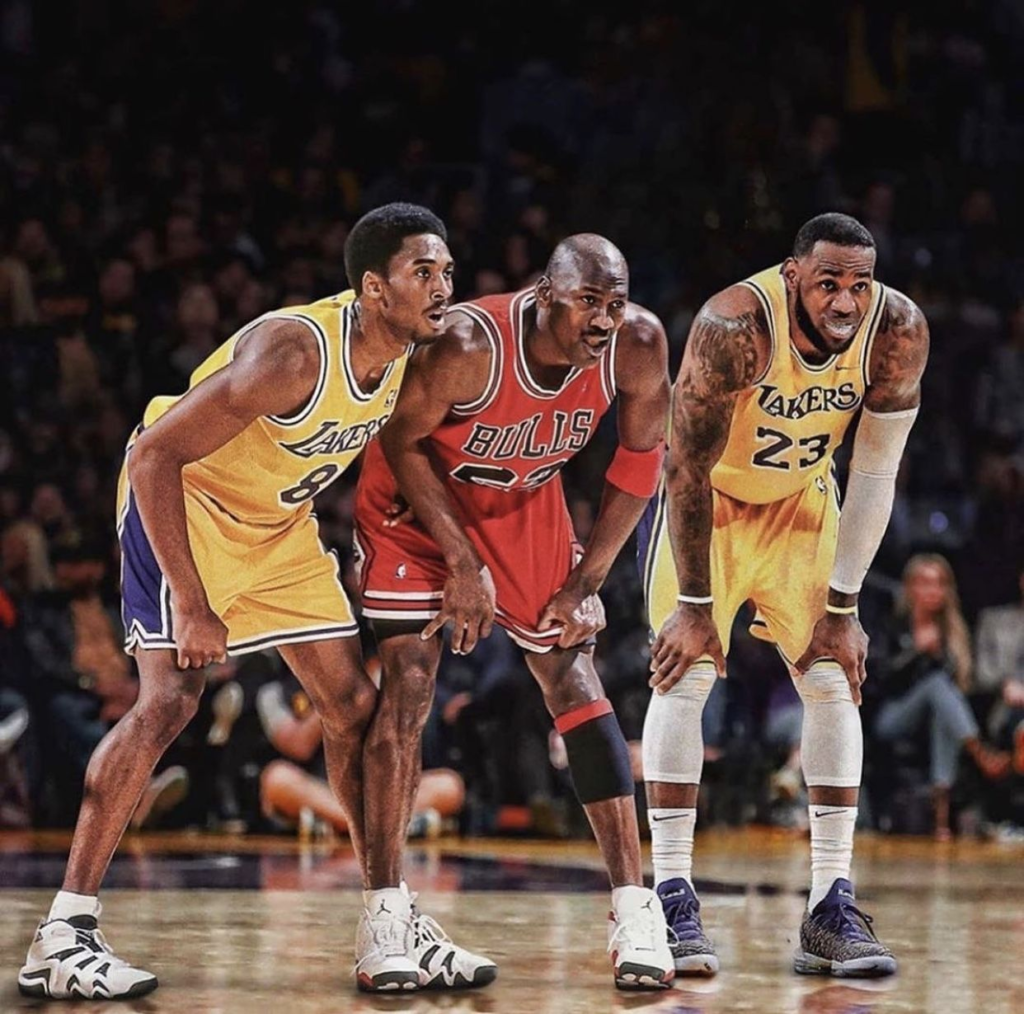
Today’s NBA stars don’t play like legends—and they never will.
Not because they lack heart.
Not because they lack greatness.
But because legends were products of a world that no longer exists.
The rules changed.
The incentives changed.
The culture changed.
Greatness didn’t disappear.
It evolved.
And once fans stop searching for the past inside the present, the modern NBA becomes much easier—and far more enjoyable—to understand.
About the Author


 Marcus Reed
 Alex Turner