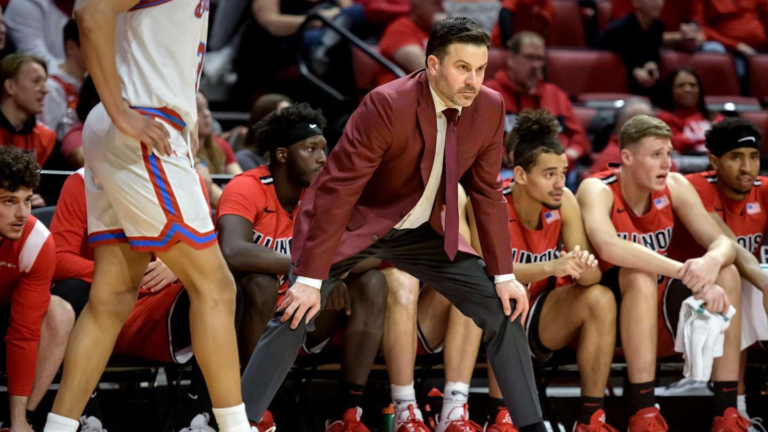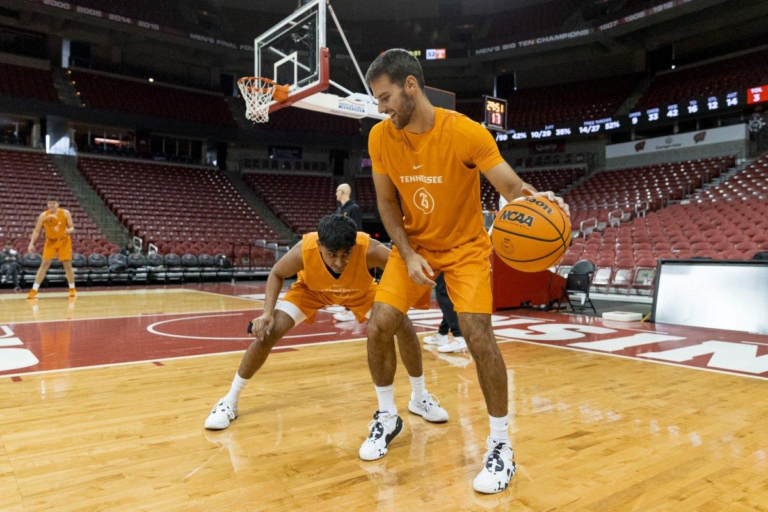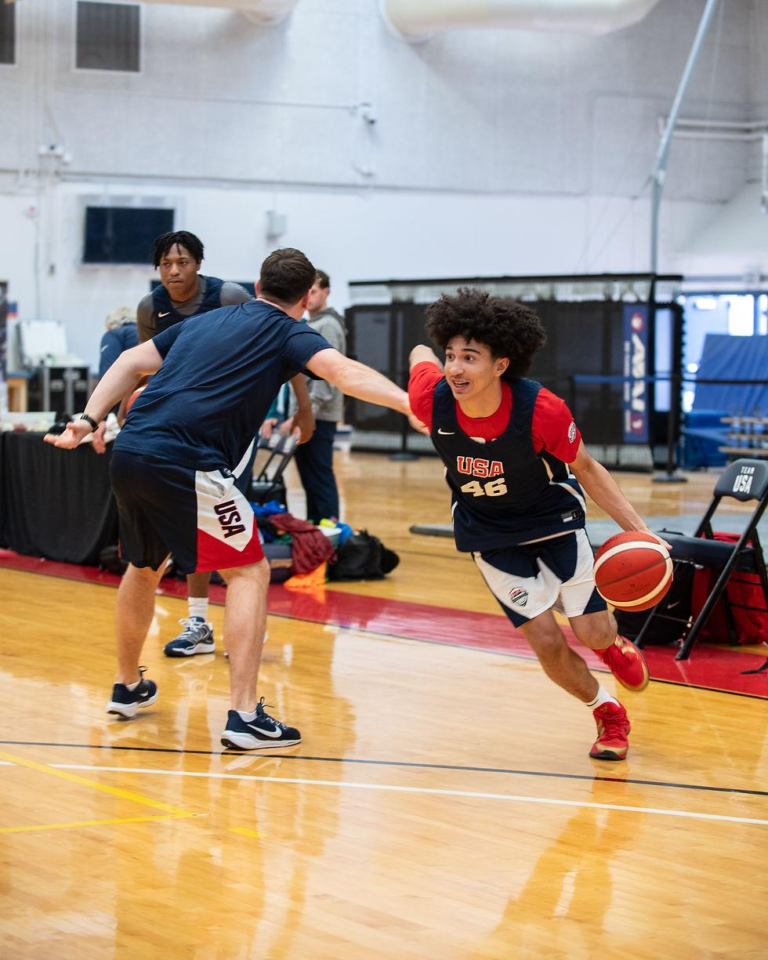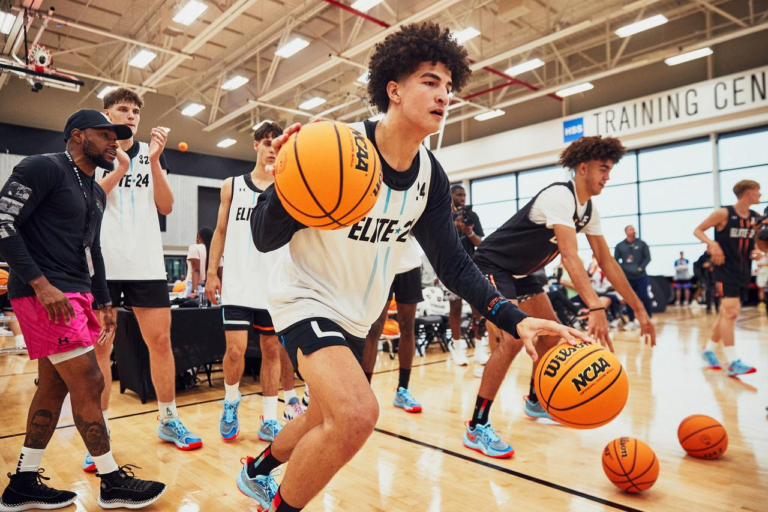
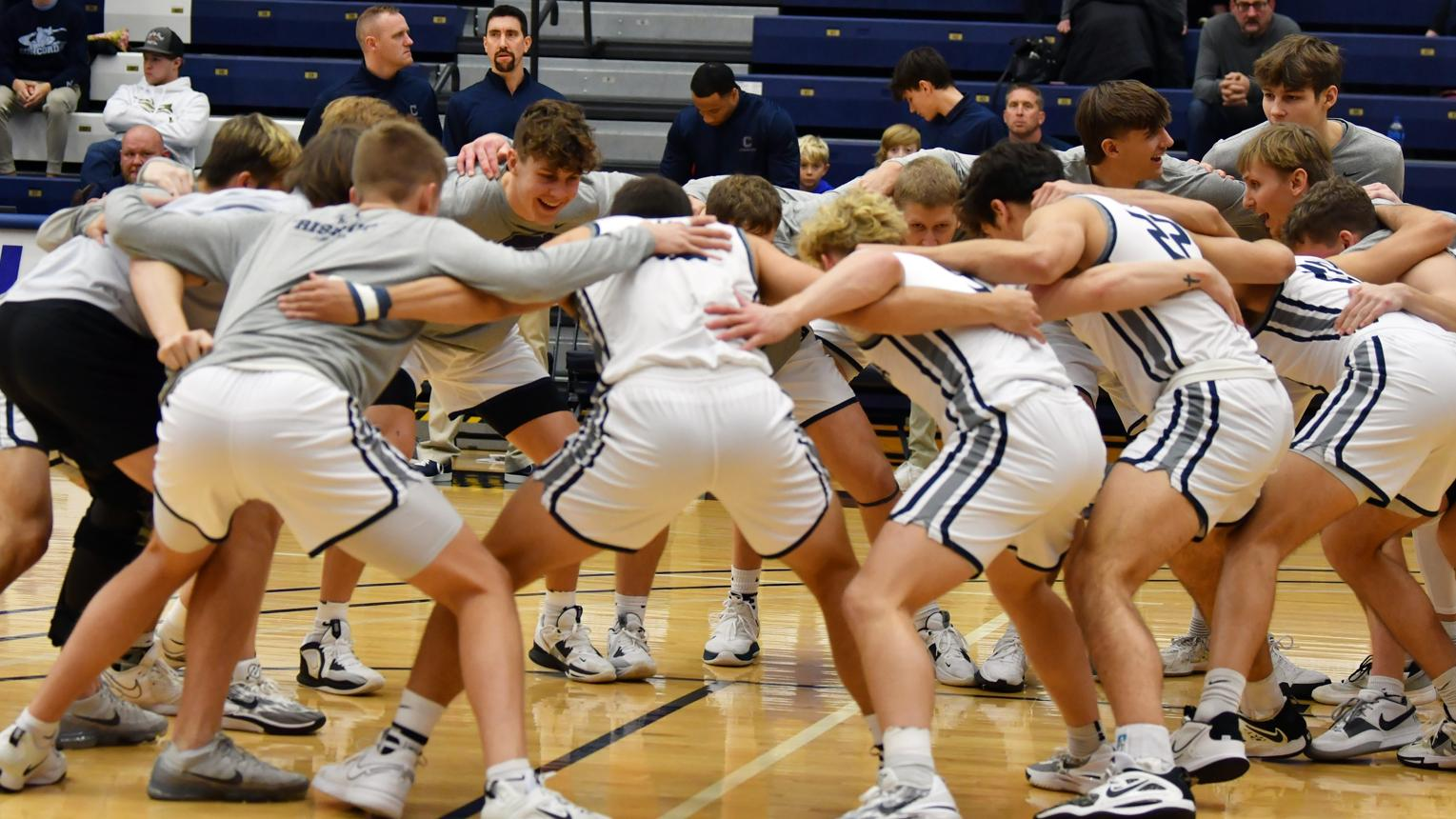
The biggest trend shaping NCAA basketball heading into the next season is the continued transformation of roster building through the transfer portal, NIL opportunities, and increased player movement. Coaches are adapting recruiting strategies, analysts are reevaluating team projections, and fans are learning to follow roster construction almost as closely as game results. Understanding this shift helps explain how teams are built, why programs rise quickly, and what may determine success in the coming season.
Why Everyone Is Talking About Roster Construction
For decades, college basketball followed a relatively predictable formula. Programs recruited high school talent, developed players over multiple seasons, and built team chemistry through continuity. While transfers always existed, they were typically limited and less influential than traditional recruiting.
That model has changed dramatically.
Today, coaches spend significant portions of the offseason evaluating transfer portal prospects, managing NIL opportunities, and rebuilding rosters that can change substantially from year to year. In some cases, a team may return only a handful of scholarship players from the previous season.
As a result, roster construction has become one of the most discussed topics in NCAA basketball.
Fans now follow offseason movement with the same intensity once reserved for conference tournaments and March basketball. Analysts devote entire segments to portal rankings. Coaches increasingly describe the offseason as a second recruiting season.
The trend is not simply about players transferring. It is about how college basketball programs now build competitive teams in a rapidly evolving environment.
How the Transfer Portal Changed NCAA Basketball
The NCAA transfer portal was introduced to streamline the transfer process and provide greater transparency for athletes seeking new opportunities.
Over time, several policy changes increased player mobility. The ability for many athletes to transfer and become immediately eligible significantly altered roster dynamics.
The impact has been substantial.
Programs that previously needed multiple years to rebuild can now add experienced players quickly. Teams no longer rely exclusively on incoming freshmen. Instead, coaches often target players who have already proven themselves at the college level.
For example:
- A mid-major guard averaging 18 points per game may transfer to a power conference program.
- A reserve player seeking more minutes may move to a smaller school.
- A veteran center can fill an immediate roster need for a championship contender.
- Teams can address specific weaknesses without waiting for freshmen to develop.
This flexibility has created a more dynamic and competitive environment across Division I basketball.
Why Coaches Are Adjusting Their Recruiting Strategies
Recruiting remains essential, but its role is changing.
Many coaching staffs now divide recruiting resources between traditional high school prospects and transfer portal evaluations.
Several questions guide modern recruiting decisions:
- Does a team need immediate contributors?
- Is a player capable of helping within one season?
- How does the athlete fit existing roster needs?
- Can the player adapt quickly to a new system?
In previous eras, coaches often recruited based on long-term potential. Today, immediate impact frequently carries greater value.
Programs competing for conference championships often prioritize experienced transfers because they arrive with proven college-level production.
This does not mean high school recruiting has become irrelevant. Elite freshmen remain highly valuable, especially at major programs. However, roster balance has become more important than ever.
Successful coaches increasingly combine:
- Freshman talent
- Returning veterans
- Transfer portal additions
- International prospects
The ability to blend these groups effectively may become one of the defining coaching skills of the modern era.
The Growing Influence of NIL Opportunities
No discussion about current NCAA basketball trends is complete without considering Name, Image, and Likeness opportunities.
NIL has changed how athletes evaluate potential destinations.
Players now consider factors such as:
- Market visibility
- Brand-building opportunities
- Community support
- Collective resources
- Long-term earning potential
Importantly, NIL is not solely affecting elite programs.
Many schools have developed creative approaches to supporting athletes through local partnerships, business relationships, and community engagement opportunities.
For coaches, NIL introduces another layer of roster management.
Recruiting conversations increasingly involve discussions about:
- Personal branding
- Career development
- Media exposure
- Financial opportunities
Programs that successfully align athletic success with player development often gain a competitive advantage.
Why Team Chemistry Matters More Than Ever
One of the most interesting side effects of increased player movement is the challenge of building chemistry.
A roster filled with talented players does not automatically become a successful team.
Coaches must answer critical questions:
- Can players accept defined roles?
- Will transfers adapt to a new culture?
- How quickly can teammates develop trust?
- Can leadership emerge from a newly assembled group?
Historically, many successful teams benefited from years of shared experience.
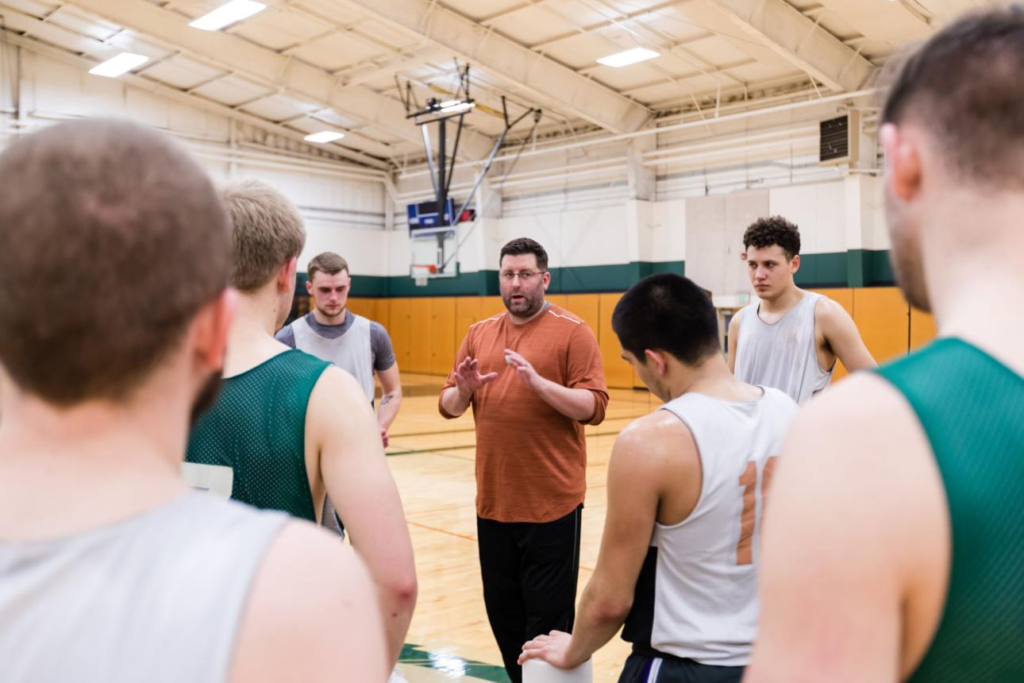
Today, coaches often have only a few months to establish cohesion before conference play begins.
Programs that build strong locker-room cultures frequently outperform expectations because chemistry can compensate for roster turnover.
Analysts increasingly examine continuity metrics when evaluating championship contenders. Returning experience remains valuable even in an era dominated by transfers.
What Analysts Are Watching Closely This Offseason
Predicting college basketball has become more difficult.
In the past, preseason rankings relied heavily on returning starters and recruiting classes.
Now analysts must evaluate:
- Transfer portal additions
- NIL-related roster decisions
- Incoming freshmen
- International recruits
- Coaching changes
- Team continuity
Assembling accurate projections requires more extensive roster analysis than ever before.
Several indicators are receiving increased attention:
Returning Minutes
Teams returning a significant percentage of playing time often adapt faster during the early season.
Experienced Guards
Veteran guard play remains one of the strongest predictors of success in March.
Defensive Continuity
Programs maintaining defensive systems despite roster turnover often achieve greater consistency.
Frontcourt Depth
The physical demands of conference play make experienced frontcourt depth particularly valuable.
Coaching Stability
Programs with established coaching staffs frequently integrate transfers more effectively.
These factors help analysts distinguish between teams with talent and teams capable of sustained success.
How Fans Are Following Teams Differently
Fans are becoming increasingly engaged with roster management.
A decade ago, offseason conversations focused primarily on recruiting rankings.
Today, fans track:
- Portal commitments
- Returning players
- NIL developments
- Coaching hires
- International additions
Social media has accelerated this shift.
Supporters often learn about roster changes in real time and immediately discuss how those moves affect team outlooks.
This has transformed the offseason into a year-round cycle of engagement.
For many fan bases, roster construction has become nearly as fascinating as the games themselves.
The trend reflects a broader evolution in sports consumption, where fans seek deeper understanding of organizational decision-making rather than simply following results.
Which Programs May Benefit Most From the Current Environment?
Not every program experiences the transfer era in the same way.
Some schools have adapted exceptionally well.
Programs with the following characteristics often thrive:
- Strong coaching continuity
- Clear player development systems
- Competitive NIL support
- Positive program culture
- Proven track records of success
At the same time, smaller programs continue to discover opportunities.
Strong coaching staffs can identify undervalued talent and build competitive teams through strategic recruiting.
The modern environment creates challenges, but it also provides pathways for rapid improvement.
Several recent NCAA tournament teams have demonstrated that effective roster construction can elevate programs faster than traditional rebuilding cycles once allowed.
What Could Define Success Next Season?
As the next season approaches, success will likely depend on more than raw talent.
The programs best positioned to compete will likely excel in several areas:
Talent Acquisition
Recruiting and transfer evaluations remain foundational.
Roster Fit
Complementary skill sets often outperform collections of individual stars.
Leadership
Experienced players help navigate adversity during conference schedules.
Adaptability
Teams capable of adjusting roles and lineups gain important advantages.
Culture
Strong internal accountability frequently separates contenders from underachievers.
The coming season will provide another test of how effectively programs can balance these priorities.
Is Traditional Player Development Still Important?
Absolutely.
Despite growing attention on transfers, player development remains central to winning basketball.
In fact, development may be more important than ever.
Programs that improve returning players gain advantages that cannot always be replicated through external additions.
Successful teams often feature:
- Sophomores making major leaps
- Juniors assuming leadership roles
- Veterans expanding their skill sets
- Transfers developing within new systems
The most successful programs generally combine roster acquisition with player development rather than relying exclusively on one approach.
That balance may ultimately determine who thrives in the evolving landscape of NCAA basketball.
Frequently Asked Questions
1. What is the biggest NCAA basketball trend right now?
The most significant trend is the combination of transfer portal activity, NIL opportunities, and increased roster movement across Division I basketball.
2. Why are so many college basketball players transferring?
Players often seek more playing time, better competitive opportunities, improved program fit, or enhanced NIL opportunities.
3. Has the transfer portal improved college basketball?
Many observers believe it provides greater flexibility for athletes, though it has also increased roster volatility for programs.
4. Do freshmen still matter in modern college basketball?
Yes. Elite freshmen remain highly valuable, but many teams now supplement young talent with experienced transfers.
5. How does NIL affect recruiting?
NIL allows athletes to earn compensation through approved opportunities, making brand-building and financial considerations part of recruiting discussions.
6. What do analysts look at when projecting teams?
Analysts evaluate roster continuity, transfer additions, coaching stability, player development, and overall team fit.
7. Can smaller schools still compete?
Yes. Effective talent identification, strong culture, and smart roster management continue to create opportunities for smaller programs.
8. Why is chemistry such a major topic?
Frequent roster turnover means many teams must build trust and cohesion quickly before conference play begins.
9. Are veteran players more valuable now?
Experienced players often provide leadership and consistency, making them especially valuable in today’s environment.
10. What should fans watch before the season starts?
Fans should monitor transfer portal additions, returning starters, coaching changes, NIL developments, and preseason roster construction.
About the Author