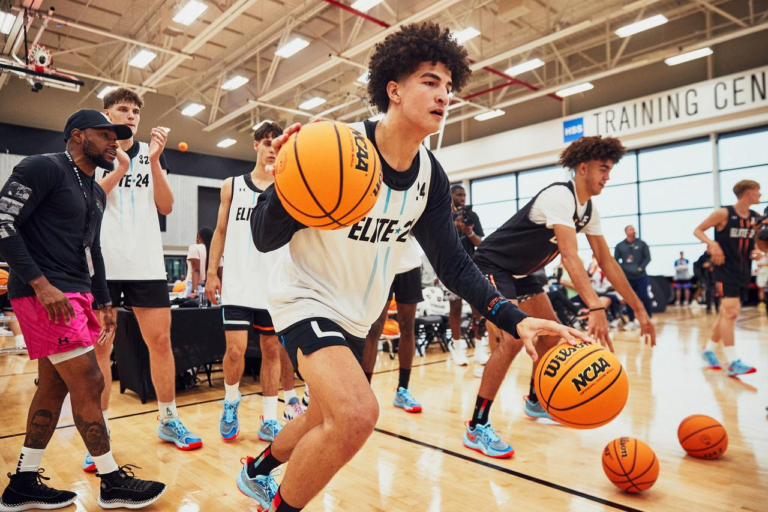
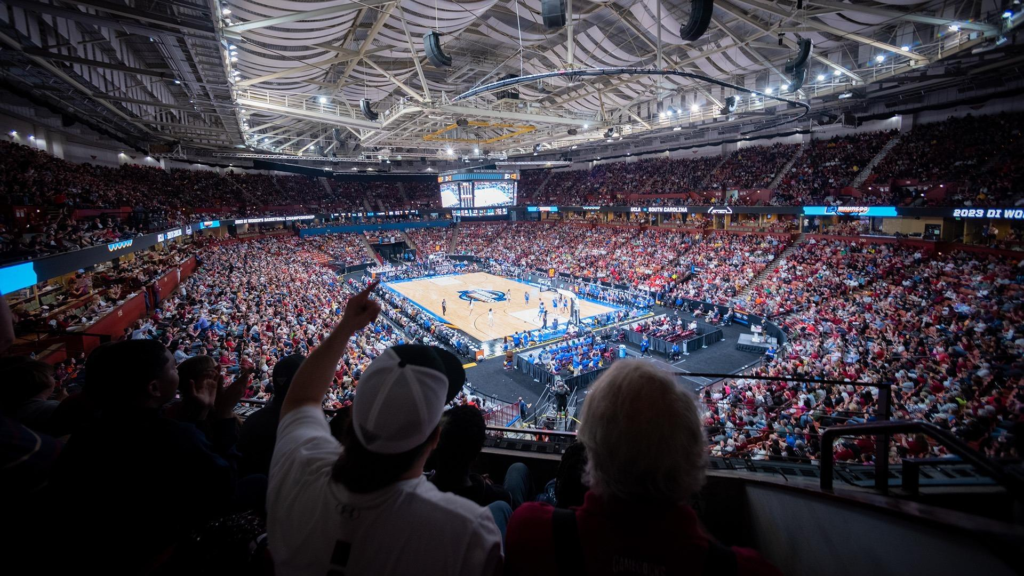
NCAA basketball has become the testing ground for the biggest changes in college sports: athlete compensation, transfer freedom, women’s sports investment, conference realignment, media strategy, and new expectations around player welfare. What happens in men’s and women’s basketball increasingly shapes policy far beyond the court. For schools, athletes, fans, and brands, understanding NCAA basketball now means understanding where college sports is headed next.
College football still drives the largest television contracts and the loudest headlines, but NCAA basketball is doing something just as consequential: it is quietly becoming the sport that prototypes the future of college athletics. If you want to understand where college sports in America is going—how athletes will be paid, how rosters will be built, how women’s sports will be monetized, how conferences will behave, and how schools will balance competition with education—college basketball is one of the clearest places to look.
That is true for several reasons. Basketball has a year-round calendar that keeps the sport in public view beyond a single fall season. It has a large, national postseason product in March Madness that reaches casual fans as well as die-hard alumni. It has both a men’s and women’s game with major national relevance. It also sits at the center of many of the most disruptive changes in modern college sports: NIL deals, transfer portal movement, collective-driven recruiting, athlete rights litigation, scholarship reform, and the business question of what college sports should look like after the House settlement era.
For many Americans, the most useful question is not whether college basketball is “better” or “more important” than football. It is this: why does so much of the future of college sports seem to be showing up first—or most visibly—in NCAA basketball? The answer is that basketball compresses nearly every pressure point in college athletics into one ecosystem. A roster can be transformed quickly. One star player can change a program’s visibility. Women’s basketball now has enough audience momentum to materially change investment decisions. And because the sport exists at every level of Division I, it reveals the widening gap between power-conference business models and everyone else’s.
Why NCAA basketball matters more to the future of college sports than many fans realize
Basketball’s importance starts with scale and structure. More than 350 Division I schools field men’s basketball programs, and women’s basketball is a core part of the competitive and institutional identity of many of those same campuses. Unlike football, which is concentrated heavily among a smaller group of schools with the biggest budgets, basketball reaches nearly every corner of Division I. That makes it a revealing policy laboratory. When the NCAA, conferences, courts, or schools test new ideas, basketball is often where the effects become visible across a broad range of institutions.
The sport also occupies a unique business position. March Madness is not just a tournament; it is one of the NCAA’s most valuable commercial assets and one of the most recognizable annual events in American sports. The NCAA’s own history page notes that the Division I men’s basketball championship’s television, internet, and wireless rights deal with CBS and Turner was worth $10.8 billion when announced in 2010, underscoring how central basketball revenue has long been to the association’s economics. While the media and rights landscape has evolved since then, the broader point remains: basketball is deeply tied to how the NCAA funds championships, distributes money, and defines its national relevance.
At the same time, basketball is where fans can see the collision between old college-sports assumptions and a new labor-market reality. In the old model, a program’s identity was built slowly through coaching stability, recruiting classes, and a recognizable playing style. In the new model, a roster can be remade in a single offseason through transfers, NIL opportunities, and coaching movement. That does not make tradition irrelevant, but it does make roster management, fundraising, and athlete retention more central than ever.
The transfer portal changed basketball first in ways the rest of college sports can study
If you want one example of how NCAA basketball is reshaping the broader college-sports model, start with the transfer portal. In basketball, roster turnover can change the trajectory of a season immediately. A football roster is large and specialized; replacing a quarterback, left tackle, or pass rusher matters, but wholesale change is slower and more diffuse. In basketball, adding or losing two or three high-level players can alter a team’s ceiling overnight.
That has changed how coaches recruit, how general managers and staff roles are structured, and how fans evaluate continuity. Many programs now recruit in three lanes at once:
- High school prospects who can become multi-year culture builders or future stars
- Transfers who fill immediate needs, from shot creation to rim protection
- Retention targets already on the roster who might leave if their role, exposure, or NIL outlook changes
This three-lane model is not unique to basketball, but basketball has made it especially visible because the roster is smaller and the results show up quickly. A mid-major that develops a star guard may now spend every spring wondering whether it can keep him. A power-conference school that misses on one recruiting cycle can rebuild through transfers in a matter of weeks. A coach’s job is no longer only to teach offense, defense, and player development; it is also to maintain a year-round personnel strategy.
For fans, this helps explain why college basketball now feels more fluid than it did even five years ago. Familiarity still matters, but the old expectation that a team would grow together over three or four seasons has weakened. That is not always negative. Transfers can rescue careers, expand opportunity, and give athletes more control over their futures. But it also creates a more transactional environment, one that requires schools to invest in support systems if they want continuity rather than annual churn.
NIL turned college basketball into a faster, more visible marketplace
Name, image, and likeness rules did not create athlete value; they formalized and accelerated a market that was already there. Basketball has been one of the clearest places to see that market take shape because the sport naturally produces visible personalities, portable highlights, and brand-friendly stars. A guard who can score 25 points on national television, go viral on social media, and carry a team in March is an easier marketing proposition than many athletes in less visible sports.
The NCAA’s recent governance changes have reinforced that momentum. In 2024, Division I changed NIL rules to allow schools to help student-athletes identify NIL opportunities and facilitate deals between athletes and third parties, according to the NCAA’s official history timeline. That matters because it moved NIL further away from a passive compliance exercise and closer to a school-supported ecosystem.
What does that mean in practice? It means basketball programs increasingly operate at the intersection of athletics, donor strategy, media production, and personal branding. A player’s value may come from on-court production, but it is often amplified by visibility, social reach, local market fit, and postseason exposure. It also means that NIL is no longer just a star-player issue. Rotation players, women’s basketball standouts, and athletes in strong regional markets can all become meaningful beneficiaries if a school has the infrastructure to support them.
This is one reason NCAA basketball is rewriting the future of college sports rather than merely adapting to it. The sport is showing schools what a modern athlete marketplace actually requires:
- Content and storytelling support, because athlete visibility drives value
- Business education and legal guidance, because deals are now part of the athlete experience
- Donor coordination and collective strategy, because external funding ecosystems influence roster retention
- Clear internal policies, because schools need guardrails that are practical, not just theoretical
Schools that understand NIL only as a recruiting tool are likely to fall behind. The better view is that NIL is now part of athlete services, roster management, and institutional brand strategy all at once.
Women’s college basketball is forcing a broader rethink of how college sports values audience growth
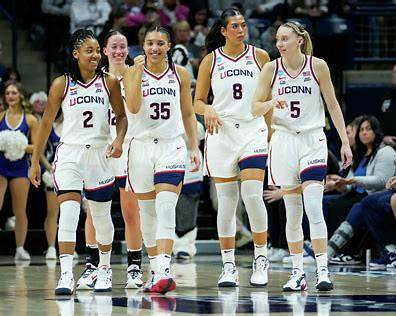
One of the most important developments in college sports is that women’s basketball is no longer treated merely as a companion property to men’s basketball. It is increasingly a business driver, a brand builder, and a visibility engine in its own right. That shift matters far beyond basketball because it challenges long-held assumptions about where schools, media companies, and sponsors should invest.
For years, women’s college basketball had passionate followings at select schools, but the national business conversation around college sports often treated it as secondary. That is no longer sustainable. Audience growth, star power, improved television windows, stronger tournament storytelling, and rising fan engagement have changed the economics and the expectations. Athletic departments now have stronger evidence that women’s sports can deliver measurable return in ticket sales, sponsorship value, alumni engagement, and national relevance.
This is one of the clearest ways basketball is rewriting the future of college sports. Women’s basketball is demonstrating that investment can create demand rather than merely respond to it. Better scheduling, stronger promotion, upgraded game presentation, and more consistent media coverage do not just make the product look better; they help build a larger market.
That lesson applies far beyond hoops. Volleyball, softball, gymnastics, and women’s soccer are all part of a larger conversation about whether college sports leaders are willing to treat women’s sports as growth assets rather than obligations. Basketball has become the most visible proof point that they should.
Revenue sharing and scholarship reform are about to change roster-building logic
The next major shift is not theoretical. It is already underway. In June 2025, a federal judge approved the House settlement, and the NCAA says the agreement allows Division I schools to provide up to 22% of average Autonomy 5 athletic, media, ticket, and sponsorship revenue to student-athletes, beginning at $20.5 million in the 2025–26 academic year. The settlement also includes roughly $2.78 billion in back damages over 10 years and replaces scholarship limits with roster-limit structures for schools that opt in.
For basketball, this is a major turning point. It raises a practical question every athletic department now has to answer: how much of the new revenue-sharing pool should go to men’s basketball, women’s basketball, football, and other sports? At football-driven schools, football will likely command the largest share. But basketball still matters because it has a high visibility-to-roster-size ratio. A relatively small number of athletes can materially affect wins, tournament bids, donor enthusiasm, and media relevance.
The NCAA also formalized changes tied to the settlement in 2025, including replacing sport-specific scholarship limits with roster limits for schools that opt in, while allowing those schools the option to offer scholarships to any and all student-athletes on those rosters. The NCAA said this could dramatically increase scholarship availability, including more than doubling the possible number of scholarships available to women.
That could reshape basketball in several ways. Programs with deep resources may become even more aggressive in using scholarships, revenue-sharing, and NIL together. Mid-major schools may face harder retention battles if they cannot match the total compensation environment of wealthier programs. Women’s basketball could benefit from a broader scholarship opportunity set at institutions willing to invest seriously. And athletic directors will have to make difficult choices about equity, competitive priorities, and sustainability.
NCAA basketball is exposing the growing divide between the biggest brands and everyone else
Another reason basketball matters is that it reveals the fragmentation of college sports in real time. The gap between the biggest athletic departments and everyone else is not new, but basketball makes the consequences more visible because nearly every Division I school participates in the same ecosystem, at least nominally. Everyone can dream of a tournament run. Not everyone can fund a modern roster.
That divide shows up in several ways:
- Resource disparity: Some programs can fund robust NIL opportunities, larger staffs, analytics departments, nutrition support, and player-development infrastructure. Others are trying to keep pace with far less.
- Retention pressure: A successful season at a smaller school can now function as an audition for its best players and even its coach.
- Scheduling and exposure: Power-conference programs often control the visibility economy, from television windows to neutral-site events.
- Risk tolerance: Wealthier schools can survive a recruiting miss or portal gamble more easily than schools that rely on precision.
Yet basketball also remains one of the few sports where the underdog story is still structurally plausible. A smart coach, an elite guard, veteran continuity, and good health can still produce a tournament team from outside the biggest leagues. That tension—between widening inequality and persistent unpredictability—is part of why basketball remains such a revealing lens for the future of college sports. It shows both where power is concentrating and where competitive disruption can still occur.
What this means for coaches, athletic directors, and athletes
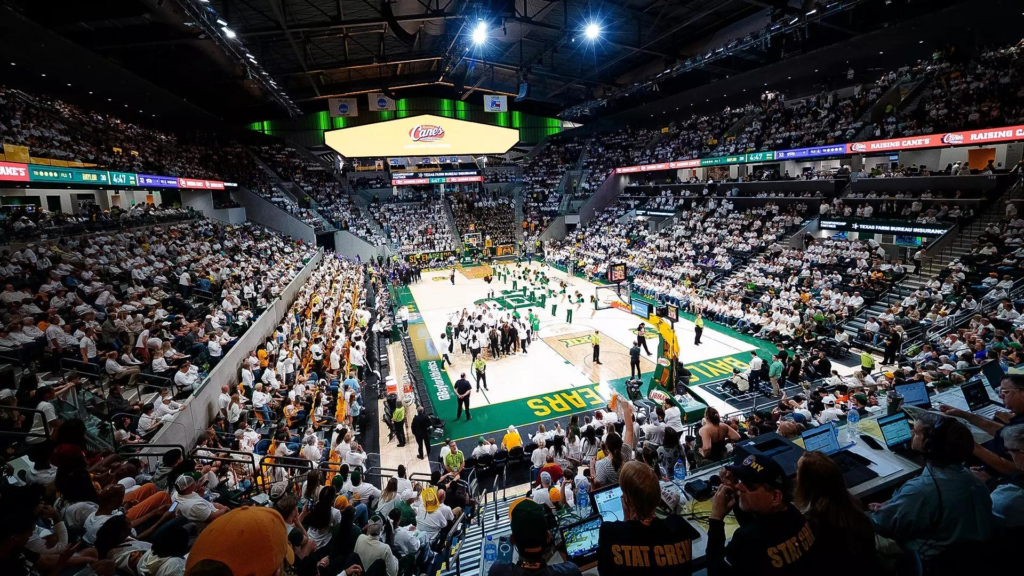
For decision-makers inside college sports, NCAA basketball now functions less like a traditional team sport and more like a hybrid of coaching, personnel management, fundraising, compliance, and media strategy. The best-run programs are not just teaching pick-and-roll coverages or scouting opponents. They are building systems that connect roster construction, athlete support, donor communication, and long-term brand value.
For coaches, the job description has expanded. Recruiting is now inseparable from retention. Player development is inseparable from relationship management. Public messaging matters because athletes, families, and donors all listen differently than they once did. A head coach increasingly needs the instincts of a program builder and the adaptability of an executive.
For athletic directors, basketball is no longer just one line item on a department-wide budget sheet. It is one of the clearest tests of whether the school understands the new economics of college sports. If an athletic department has no coherent NIL strategy, no plan for revenue sharing, and no athlete-support structure that addresses mental health, financial literacy, and career planning, basketball will expose those weaknesses quickly.
For athletes, the picture is mixed but undeniably more empowered than before. The NCAA’s 2024 core guarantees expanded scholarship protections, health-care coverage expectations, and support services such as academic services, career counseling, financial literacy education, and NIL education for Division I athletes. Immediate eligibility reforms and more flexible transfer rules have also increased mobility. But greater freedom also means greater complexity. Athletes now have more choices to navigate, more financial decisions to make, and more pressure to think like professionals while still functioning as students.
The fan experience is changing too, even if it does not always look obvious on game night
Fans often feel these changes before they can fully name them. A roster looks different every year. A star player leaves after one season or transfers after a breakout campaign. A women’s basketball game draws more national attention than it would have five years earlier. A school that once built patiently through development starts operating like a yearly acquisition market. All of that can create a sense that college basketball is losing some of its old continuity.
But there is another way to see it. Basketball is not abandoning its identity so much as renegotiating it. The traditions that fans care about—campus environments, rivalries, conference tournaments, March drama, coaching personalities, student sections—still matter. What is changing is the infrastructure beneath those traditions. The sport is becoming more honest about money, more open about athlete value, and more dependent on administrative competence.
For fans, that means the most useful way to follow college basketball now is to pay attention not only to scores and rankings, but also to roster-building strategy, school investment, women’s basketball growth, and the policy changes coming out of the NCAA and the courts. Those are no longer side stories. They are central to what the sport is becoming.
What Americans are really asking: Is NCAA basketball still college sports, or something closer to pro sports?
This may be the defining question of the moment, and the honest answer is that NCAA basketball is now both less purely amateur and still not fully professional. It remains tied to campuses, academic calendars, school identity, and NCAA governance. But it also increasingly resembles a talent marketplace with compensation, mobility, agent involvement, and year-round roster strategy.
That does not automatically mean the college model is doomed. It means the old version of the model has already changed. The schools and conferences that thrive will be the ones that stop pretending otherwise and instead build structures that fit the reality in front of them: athletes with real market value, fans who want both tradition and transparency, and a sports business environment that rewards adaptability.
Basketball is not rewriting the future of college sports because it has solved these tensions. It is rewriting the future because it is where those tensions are most visible, most marketable, and most impossible to ignore.
Where the next era will be decided
The next chapter of college sports will not be written only in courtrooms, conference boardrooms, or television negotiations. It will also be written in basketball offices deciding how to split revenue-sharing budgets, in women’s programs proving the commercial upside of sustained investment, in mid-majors trying to retain their best players, and in locker rooms where athletes expect both support and leverage.
That is why NCAA basketball matters so much right now. It is not merely reflecting the changes around college sports. It is helping define which changes become normal.
If the past decade was about breaking the old model open, the next few years will be about building the replacement. And on many campuses across America, basketball is where that work is already happening.
FAQ: NCAA Basketball and the Future of College Sports
1) Why is NCAA basketball so important to the future of college sports?
Because it sits at the intersection of the biggest changes in college athletics: NIL, the transfer portal, women’s sports growth, media rights, and athlete compensation. Basketball also touches a very large number of Division I schools, so policy changes are visible quickly across the sport.
2) How has the transfer portal changed college basketball?
It has made roster-building much more fluid. Coaches now recruit high school players, transfer prospects, and their own returning roster at the same time. Teams can improve quickly, but they can also lose continuity just as fast.
3) Is NIL affecting men’s and women’s college basketball equally?
Not equally, but it is affecting both in meaningful ways. Men’s basketball still commands more traditional attention in many markets, but women’s basketball has gained significant visibility and commercial momentum, creating stronger NIL opportunities for top players and programs.
4) What is the House settlement, and why does it matter for basketball?
The House settlement approved in 2025 allows eligible Division I schools to share revenue directly with athletes, beginning with a cap structure tied to athletic revenue. That matters for basketball because schools must now decide how much of those funds go to men’s basketball, women’s basketball, football, and other sports.
5) Will NCAA basketball become fully professional?
Not in the traditional sense, at least not soon. It is still embedded in colleges, NCAA championships, and academic institutions. But it is becoming more professional in how athletes are compensated, how rosters are managed, and how programs operate.
6) Why has women’s college basketball become such a major story?
Because audience demand, star power, media visibility, and institutional investment have all increased. Women’s basketball is now a central growth area for many athletic departments rather than a side property.
7) Are smaller basketball programs at a disadvantage now?
In many cases, yes. Wealthier programs generally have stronger NIL ecosystems, more staff support, and more flexibility in a revenue-sharing era. But basketball still allows smaller programs to stay competitive through coaching, continuity, player development, and smart portal use.
8) What should fans pay attention to besides wins and losses?
Watch roster retention, transfer additions, coaching stability, NIL infrastructure, women’s basketball investment, and how a school talks about athlete support. Those factors increasingly shape long-term success.
9) Are scholarship rules changing in college basketball?
Yes. Following the House settlement, schools that opt into the new framework are moving from sport-specific scholarship limits to roster-limit structures, with broader flexibility in how scholarships can be offered.
10) Does any of this affect athletes outside basketball?
Absolutely. Basketball is often where these issues become visible first, but the implications extend across college sports, especially around athlete compensation, scholarship structure, health protections, and transfer freedom.
About the Author