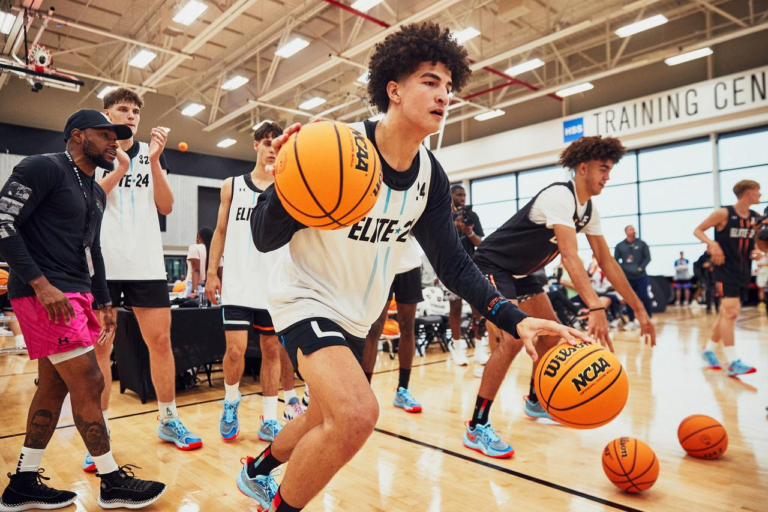
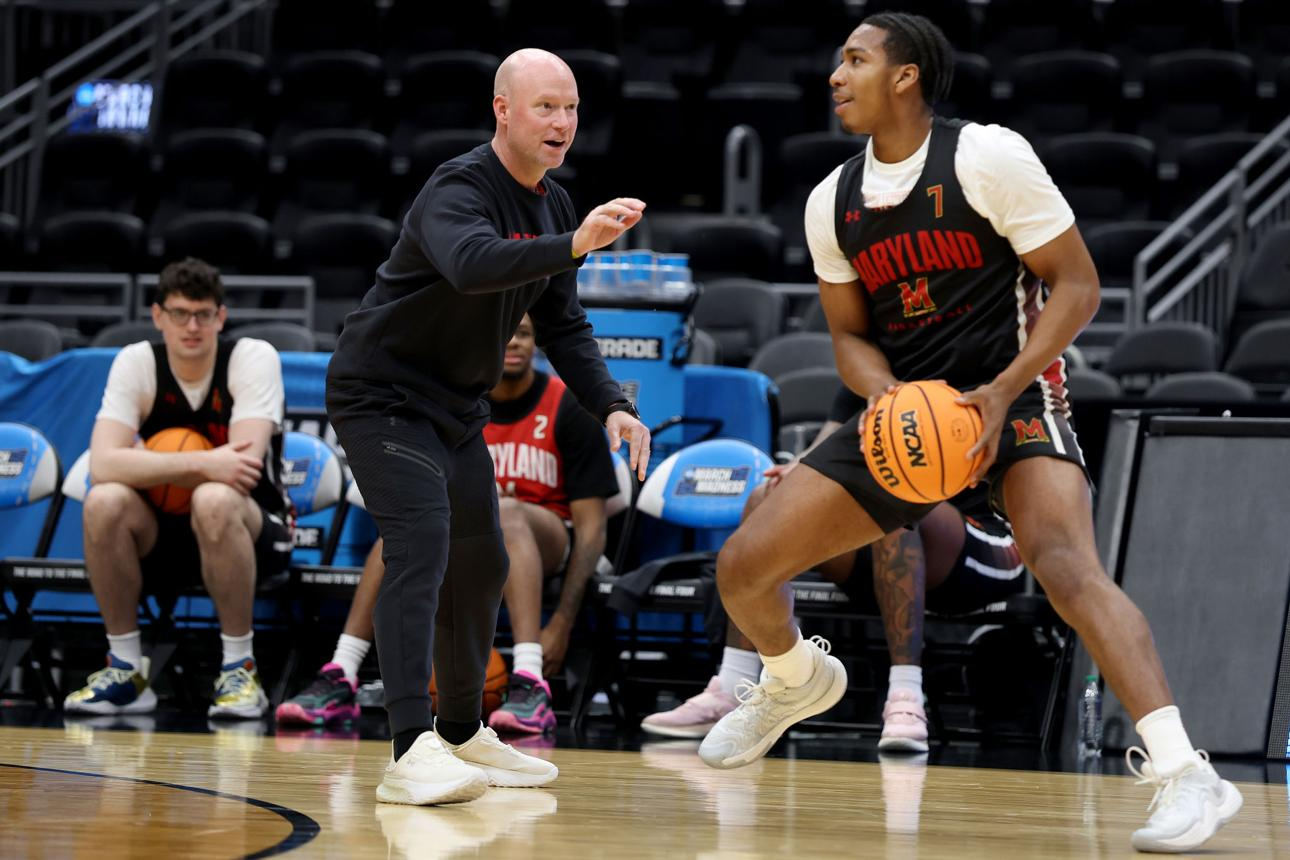
College basketball’s balance of power is being redrawn by three forces at once: NIL money, transfer-portal recruiting, and conference realignment. For the 2026 season, roster building is less about signing one elite freshman and more about assembling a sustainable talent portfolio across high school recruiting, veteran transfers, and financial resources. The result is a new map of contenders, pressure points, and long-term risks.
College basketball has always changed in cycles. Coaching trees rise and fade. Blue-blood programs reload. Mid-majors break through, then get raided. But the 2026 season feels different because the sport’s underlying business model has changed alongside its competitive structure. If you want to understand why some programs look stronger than ever, why others are struggling to hold their footing, and why roster continuity has become so fragile, you have to look at three interconnected forces: recruiting, NIL, and conference realignment.
For fans, the biggest visible change is obvious on the floor. Rosters turn over faster. A team that looked stable in February can look almost unrecognizable by June. For coaches and athletic departments, the bigger issue is strategic: how do you build a roster when the recruiting calendar, player compensation landscape, and league affiliations are all moving at once?
That is the real story behind NCAA basketball’s new power map in 2026. The schools best positioned now are not simply the ones with the most tradition. They are the ones most capable of blending old-school player development with modern roster economics, donor-backed NIL strategy, transfer evaluation, and conference-level resource advantages.
Why the 2026 season feels like a turning point
The shift did not happen overnight, but the 2025–26 and 2026–27 cycle has sharpened it. The House settlement era opened the door for direct athlete compensation models at participating schools beginning in 2025, with revenue-sharing structures layered on top of the existing NIL marketplace. Legal and industry analyses have noted that participating institutions can distribute up to a capped amount tied to a percentage of average Power conference athletics revenue, which gives the biggest departments a structural advantage in athlete compensation planning.
That matters in basketball because roster building now lives in a hybrid market:
- High school recruiting still matters, especially for elite shot creators, lead guards, and NBA-level wings.
- The transfer portal has become the fastest way to fix roster weaknesses or add immediate production.
- NIL and revenue-sharing resources influence retention, transfer decisions, and even how aggressively schools can recruit roster depth.
- Conference affiliation affects media visibility, travel demands, scheduling strength, and athletic-department revenue.
Put simply, the best programs are no longer just evaluating players. They are managing a talent portfolio under shifting financial and institutional rules.
The old power map is not gone, but it is no longer enough
Traditional powers still matter. Schools such as Kansas, Kentucky, Duke, North Carolina, UConn, Arizona, and Michigan State still have brand equity, recruiting relationships, TV exposure, and fan bases that most of the sport cannot match. But brand alone is no longer a sufficient moat.
A decade ago, a major program could survive a bad portal cycle if it signed a top-five recruiting class and developed it well. In 2026, that margin for error is smaller. If a school loses a starting guard to the portal, misses on a rim protector, and cannot retain a breakout sophomore because another program can offer a stronger financial package and a clearer role, the roster can unravel quickly.
That is why the power map now looks less like a fixed hierarchy and more like tiers of adaptability.
Tier 1 in 2026: programs built for the modern roster economy
The schools with the clearest edge heading into 2026 are generally the ones that can do four things at once:
- Sign top-25 high school talent.
- Land proven high-major transfers.
- Retain at least part of their core through NIL and role clarity.
- Fund the infrastructure required to evaluate, support, and re-recruit their own roster every offseason.
That group includes many familiar names, but for different reasons than in the past. Kansas, Houston, Arizona, Texas, Kentucky, UConn, and several Big 12 and SEC programs increasingly look built for this environment because they can recruit at multiple entry points. They do not have to win only with freshmen or only with veteran transfers. They can mix both.
That flexibility matters because the sport’s roster cycle is now too volatile to rely on a single pipeline.
Recruiting still matters, but not in the same way
If you are asking whether high school recruiting still matters in the portal era, the answer is yes—but the value of a recruiting class has changed.
In the one-and-done era, elite recruiting classes were often treated as the entire foundation of a contender. In 2026, they are more like a premium layer on top of a broader roster strategy. The highest-end recruits still change ceilings. A future NBA wing or dynamic scoring guard can raise a team from good to national-title caliber. But the modern question is not “How good is the freshman class?” It is “How does the freshman class fit with the returning players and portal additions?”
247Sports’ composite rankings for the 2025 and 2026 classes show that top-end talent is still concentrated among major brands, with elite prospects clustering around the usual national contenders. But that talent is now entering rosters with different expectations. Coaches are increasingly selective about which freshmen can handle immediate minutes and which should be developmental pieces.
A good example of the new model is how programs now recruit by timeline as much as by talent. Coaches ask:
- Is this player a likely one-year starter?
- Will he stay two seasons if he does not become a first-round pick?
- Can we keep him if he outperforms expectations?
- Does he fill a premium role we cannot easily find in the portal?
That last question is crucial. Lead guards, switchable wings, and mobile bigs who can defend in space are expensive and scarce in the portal. If a staff believes it can sign that profile out of high school and develop it in-house, the long-term value is enormous.
NIL is not just about stars anymore
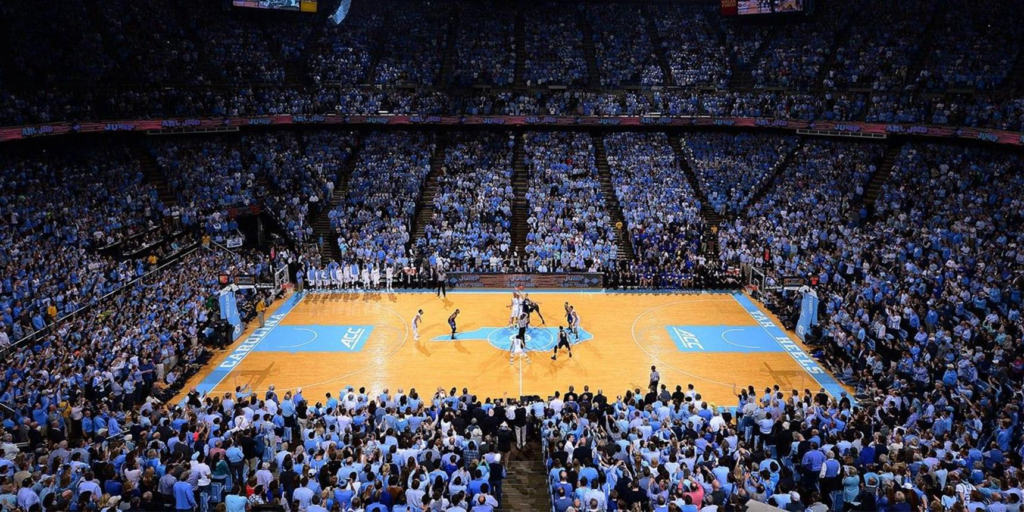
Public conversation about NIL often focuses on headline numbers, but the more important story in basketball is how NIL has changed roster behavior in the middle of the roster.
At the top end, NIL can help land elite recruits or proven transfers. But where it may be reshaping the sport most is in retention. A sophomore who averaged 11 points a game at a mid-major used to be a classic breakout candidate who might test the NBA or simply return. Now he is also a portal target. A bench guard who defended well in a power conference but wanted a larger role might once have waited his turn. Now he can seek both minutes and a better financial package elsewhere.
That is why NIL has become less about splashy deals and more about roster maintenance. Schools need enough funding and enough structure to keep the players they actually want to build around.
For coaches, that changes the offseason job description. It is no longer enough to evaluate incoming talent. They also have to re-recruit their own roster every spring. Exit meetings now function partly like free-agency negotiations: role, usage, development path, and financial opportunity all matter.
The programs with the healthiest NIL ecosystems in 2026 are often the ones that have moved beyond ad hoc booster collectives and toward a more coordinated model involving donors, compliance, player-brand support, and transparent expectations. That does not eliminate tampering concerns or bidding wars, but it does reduce chaos.
The transfer portal is now the sport’s fastest correction mechanism
If NIL is the incentive layer, the transfer portal is the mechanism that turns incentives into movement.
The portal has changed the rhythm of team building because it allows programs to correct mistakes almost instantly. Missed on a point guard in high school? Add one in April. Lost a veteran center unexpectedly? Find an older rebounder with two years of production at a lower level. Need shooting around a ball-dominant star? There are now dozens of perimeter options to sort through every offseason.
The upside is obvious: good staffs can rebuild quickly. The downside is that continuity is harder to preserve, and evaluation mistakes are more expensive because portal players expect immediate roles.
This is one reason certain coaching profiles are thriving. The best modern staffs are not simply great game tacticians; they are strong evaluators of translation risk. They can tell the difference between a 19-point scorer in a mid-major league who will scale up cleanly and one whose production came from a system that will not translate against high-major length and pace.
The portal also rewards honesty. Coaches who clearly define role, usage, and development path tend to retain players better than coaches who recruit every player as a future star and sort it out later.
Conference realignment is changing basketball in quieter but meaningful ways
Football still drives most realignment decisions, but basketball absolutely feels the effects. Realignment changes not only brand matchups and travel schedules, but also budget assumptions, recruiting pitch decks, and the competitive density of leagues.
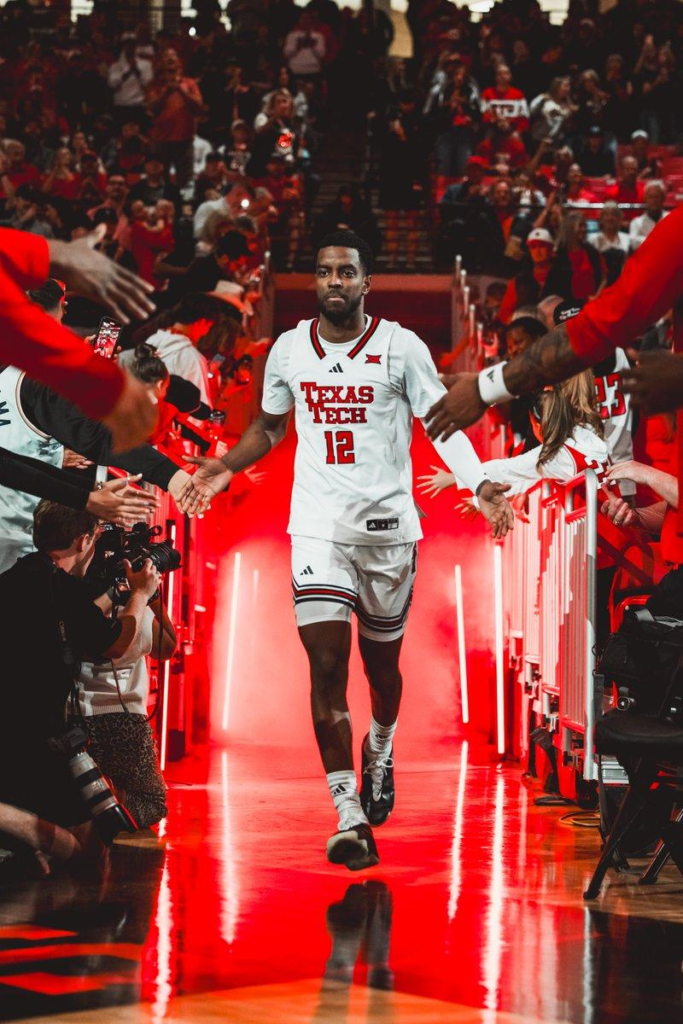
The Big 12 is a good example of how a conference can become a basketball arms race. With schools such as Kansas, Houston, Arizona, Baylor, Texas Tech, Iowa State, BYU, and others pushing aggressively in roster construction, the league has become one of the deepest week-to-week environments in the sport. That depth helps prepare teams for March, but it also raises the cost of staying relevant. You cannot coast through the middle of the standings in a league like that if your roster has two glaring weaknesses.
The SEC is undergoing a similar basketball investment surge. Historically, the conference’s identity was football-first, but basketball spending, coaching hires, and recruiting ambition have risen sharply. That matters because the SEC can now offer a mix of money, exposure, and league-wide momentum that is increasingly persuasive to recruits and transfers.
The Big Ten remains powerful, but it faces its own strategic tension: it has money, scale, and major brands, yet it must navigate long travel, uneven basketball identities across the league, and the challenge of turning resources into March-level roster flexibility. The Big East, meanwhile, retains a distinct advantage as a basketball-centric conference with strong brands, strong urban recruiting ties, and less football-driven distraction—though its schools do not all have equal financial firepower.
Realignment affects basketball in four practical ways
- Travel and recovery: Longer trips matter in a sport with two-game weeks, academic obligations, and smaller rosters than football.
- Recruiting geography: Conference affiliation can either strengthen or complicate regional recruiting pipelines.
- Media visibility: Better windows and bigger matchups can help with both recruiting and NIL value.
- Competitive density: A stronger league can improve NCAA tournament résumés, but it can also expose roster flaws earlier and more often.
Who benefits most from the new power map?
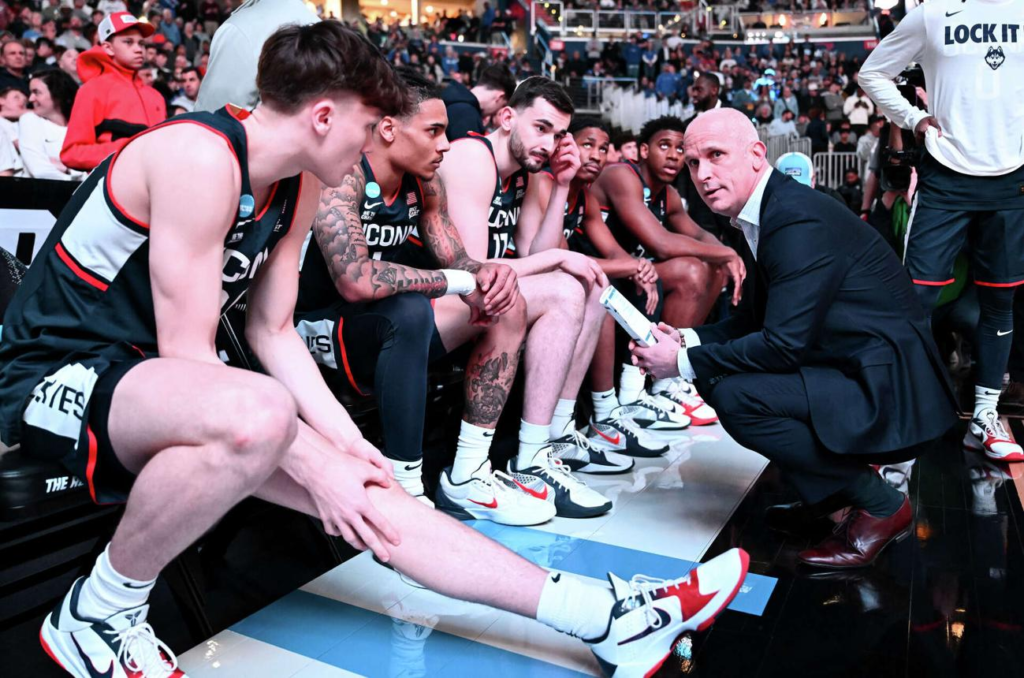
In practical terms, the biggest winners tend to be programs that sit at the intersection of money, identity, and roster clarity.
Programs best positioned in 2026 usually share these traits
- A coach with a clear roster blueprint rather than a year-to-year improvisational approach.
- Access to strong NIL support and, increasingly, a plan for direct athlete compensation.
- A conference home that boosts exposure and recruiting rather than diluting it.
- Enough recruiting gravity to sign at least one or two premium players every cycle.
- An analytics and scouting operation capable of evaluating portal fit, not just portal stats.
Houston is a useful example of modern stability. The Cougars’ rise has not depended on celebrity recruiting alone. It has come from a repeatable identity: defensive toughness, disciplined guard play, older lineups, and careful roster layering. UConn has shown another version of the model—elite player development, strong system continuity, and the ability to keep recruiting at a high level even after major success. Kansas remains a case study in brand plus adaptation: it still recruits nationally, but it also understands that the portal is now essential, not optional.
Who is at risk of falling behind?
The vulnerable programs are not necessarily the ones with the fewest resources. Often they are the ones with resources but no coherent operating model for the new era.
That can look like several things:
- A school that still treats NIL as a side issue rather than a central roster-retention tool.
- A coaching staff that over-signs portal scorers without solving defense or rebounding.
- An athletic department that underestimates how conference positioning affects basketball recruiting.
- A program that churns through players so quickly it never develops lineup chemistry.
Mid-majors face the hardest structural challenge. They can still win, and some will still make deep NCAA tournament runs, but retaining breakout talent has become harder. The best mid-major players are now more visible than ever and more easily poached. That means smart mid-major programs increasingly have to build with a “two-window” strategy: recruit and develop under-recruited high school players, then immediately replace likely departures with their own portal targets.
That is not impossible. It is just harder than it was five years ago.
What should fans watch before the 2026 season starts?
If you are trying to predict who is genuinely built to contend, do not stop at preseason rankings or recruiting headlines. Look for signs of roster coherence.
Five useful questions to ask about any contender
- Did the team keep its best decision-makers? Returning lead guards and connective wings matter more than splashy offseason headlines.
- Did portal additions solve actual weaknesses? A team that needed rim protection and got two more volume scorers may still be flawed.
- How many players require the ball to be effective? Fit matters as much as talent.
- Does the team have enough shooting around its stars? Modern college basketball punishes cramped spacing.
- How old is the rotation? Experience is not everything, but older teams usually defend, scout, and close games better in March.
That framework is especially helpful in 2026 because the market encourages activity. Some of the busiest offseasons will produce the best teams. Others will simply produce the most headlines.
The next edge may be organizational, not just financial
The easy story is that college basketball is becoming a bidding war. Money absolutely matters more than it used to. But the more durable edge may be organizational competence.
The best programs in 2026 are not only spending. They are coordinating. Their coaches, general-manager-style staffers, collectives, compliance teams, player-development coaches, and donor networks are aligned around the same roster plan. They know when to spend on a proven transfer, when to save a scholarship for a developmental freshman, when to fight to retain a returning starter, and when to move on.
That sounds basic, but in a sport where the rules and incentives have changed this quickly, operational discipline has become a competitive advantage.
FAQs
1) How is NIL changing NCAA basketball in 2026?
NIL is changing basketball most by influencing roster retention and transfer decisions. It still matters in elite recruiting, but its day-to-day impact is often felt in whether a school can keep a productive sophomore, convince a veteran to stay, or attract an experienced transfer into a specific role.
2) Does high school recruiting still matter if the transfer portal is so important?
Yes. Elite high school recruiting still raises a team’s ceiling, especially when it delivers NBA-level athleticism or shot creation. The difference is that freshmen are now one part of a broader roster strategy rather than the whole plan.
3) Which conferences look strongest for men’s basketball heading into 2026?
The Big 12 remains one of the sport’s deepest basketball leagues, while the SEC’s basketball investment continues to rise. The Big Ten, Big East, and ACC still have major brands and tournament-caliber teams, but the gap between the best-run programs and the rest has widened.
4) What does conference realignment have to do with basketball if football drives the moves?
Realignment affects basketball through travel, scheduling quality, media visibility, recruiting geography, and revenue. Even when football makes the decision, basketball lives with the consequences.
5) Are blue-blood programs still safer bets than everyone else?
They are still better positioned than most because of brand, donor support, and recruiting reach. But they are not immune to roster mismanagement. A poorly constructed blue-blood roster can be more vulnerable now than it was a decade ago.
6) Why do some mid-major stars transfer after breakout seasons?
Because the portal creates a direct path to a bigger role, stronger NIL opportunities, and a higher-profile conference. Mid-majors now have to recruit their own stars every offseason, not just incoming freshmen.
7) What matters more in 2026: freshmen or veteran transfers?
For most contenders, veteran transfers are more important to the floor of the team, while elite freshmen can raise the ceiling. The best rosters usually have both.
8) How should fans judge an offseason without overreacting?
Focus on fit, retention, and role balance. Ask whether the team improved at point guard, rim protection, rebounding, and shooting rather than just counting star ratings or transfer rankings.
9) Will direct athlete compensation change basketball even more over the next few years?
Almost certainly. As revenue-sharing systems mature, schools with the most organized and sustainable compensation models should gain a stronger retention and recruiting edge.
10) What is the biggest hidden factor in building a contender now?
Organizational alignment. The programs that coordinate recruiting, NIL, portal evaluation, player development, and donor support are the ones most likely to win consistently.
Reading the Court Before Tipoff
The biggest mistake in evaluating the 2026 season is assuming the sport still works like it did in 2019. It does not. The power map now reflects institutional readiness as much as basketball tradition. Recruiting still matters, but it is no longer the whole story. NIL still grabs the headlines, but its most important effect may be retention rather than splashy commitments. Conference realignment still sounds like a football issue, but it is quietly reshaping basketball schedules, recruiting, and resource distribution.
That does not mean the old powers are gone. It means the terms of power have changed. The programs most likely to thrive are the ones that treat roster building as a year-round system rather than a collection of individual wins. In 2026, college basketball is not just about who has the best starting five. It is about who has built the most resilient basketball operation.
What This Means on Selection Sunday and Beyond
- The best 2026 teams will likely be the ones that combine returning guards, targeted portal upgrades, and at least one high-end recruit.
- NIL is now a retention tool as much as a recruiting tool, especially for proven second- and third-year players.
- Conference depth matters more than ever because it stress-tests rosters before March.
- Programs with money but no roster blueprint can still underperform.
- Mid-majors can still matter nationally, but roster retention is now one of their toughest challenges.
- The long-term edge belongs to schools that treat roster construction like a coordinated front office operation.
About the Author