Summary:
NCAA basketball enters 2026 in a period of major transition, shaped by expanded athlete compensation, the transfer portal, changing roster strategies, evolving coaching models, and a deeper connection between college and professional basketball. For fans, the next era will be defined not only by star players, but also by how programs build sustainable teams in a rapidly changing environment.
The College Basketball Landscape Is Changing
College basketball in 2026 looks increasingly different from the version many longtime fans grew up watching. The fundamentals remain familiar—40-minute games, packed arenas, conference rivalries and March tournament pressure—but the business and roster environment surrounding those games has changed substantially.
The transfer portal, name, image and likeness opportunities, new approaches to athlete compensation, conference realignment and the growing influence of professional basketball have altered how programs construct their teams. Coaches are no longer simply recruiting high school players and developing them over several seasons. They are managing rosters more like evolving competitive portfolios, balancing recruiting classes, returning veterans, transfers and professional opportunities.
That shift is creating an interesting question for fans: What will make a college basketball program successful in this new era?
The answer is becoming less about one recruiting class or one superstar and more about adaptability. Programs need strong scouting operations, effective player development, financial resources, a recognizable identity and the ability to retain the right players while replacing those who leave.
For the 2026-27 season, those factors could become even more important as college athletics continues adjusting to a new economic structure.
Why the Transfer Portal Is Reshaping Team Building
The transfer portal has moved from being a secondary roster mechanism to one of the central components of college basketball strategy.
For players, transferring can provide a chance to find a better role, pursue a different competitive environment or reset their development. For programs, the portal offers an opportunity to address weaknesses without waiting several recruiting cycles.
Consider a team that loses its starting point guard and two frontcourt players after a season. Under the traditional model, coaches might rely heavily on freshmen and returning reserves. In today’s environment, they can search nationally for experienced replacements.
That creates advantages, but it also introduces complications. Chemistry becomes more difficult to predict when several players arrive from different programs. A talented roster can still struggle if its pieces do not complement one another.
The strongest teams are therefore likely to focus less on collecting recognizable names and more on identifying specific needs.
Successful roster construction increasingly involves questions such as:
- Does the team have enough reliable ball handling?
- Who creates shots late in games?
- Can the roster defend multiple styles?
- Is there enough size and rebounding?
- Which players can operate effectively without dominating possessions?
- Does the team have experienced depth behind its best players?
Those questions sound familiar to basketball analysts, but the speed at which rosters can now change makes them much more important.
NIL and Athlete Compensation Are Becoming Part of Competitive Strategy
The financial side of college sports is another defining feature of NCAA basketball’s next era.
Following the House settlement and broader changes in college athletics, schools are operating in an environment where athlete compensation and revenue distribution have become central considerations. The result is a system in which athletic departments have to think carefully about how resources are allocated across sports and rosters.
For basketball programs, that can affect recruiting, retention and roster continuity.
A player who performs well may attract opportunities from other programs. A program that wants to maintain continuity must therefore create reasons for valuable players to remain, while also managing the financial realities of a larger athletic department.
This changes the definition of recruiting.
Recruiting is no longer only about convincing a teenager that a particular campus offers excellent coaching and a path to the NBA. It can involve the entire player experience: development, playing time, facilities, academic support, visibility, compensation opportunities and professional preparation.
That makes program infrastructure increasingly important.
The Next Generation of Players Will Enter a Different College Game
The players entering college basketball in 2026 are also arriving with different expectations.
Elite prospects have more information available to them than previous generations. Young players can study advanced statistics, follow professional development models, build personal brands and evaluate programs nationally before ever stepping onto a college campus.
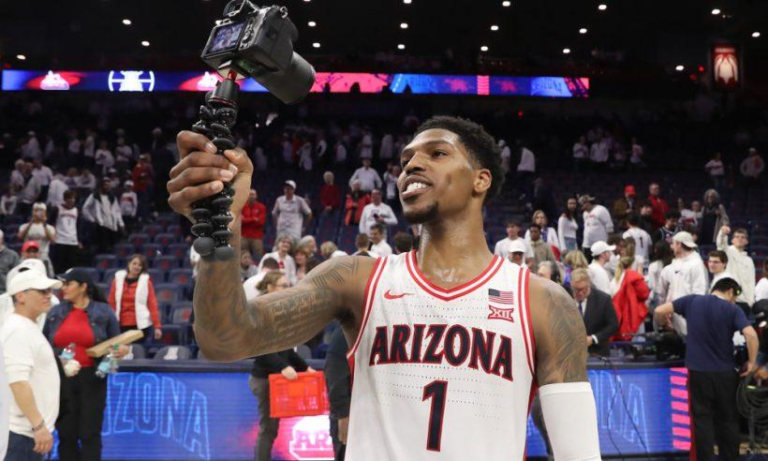
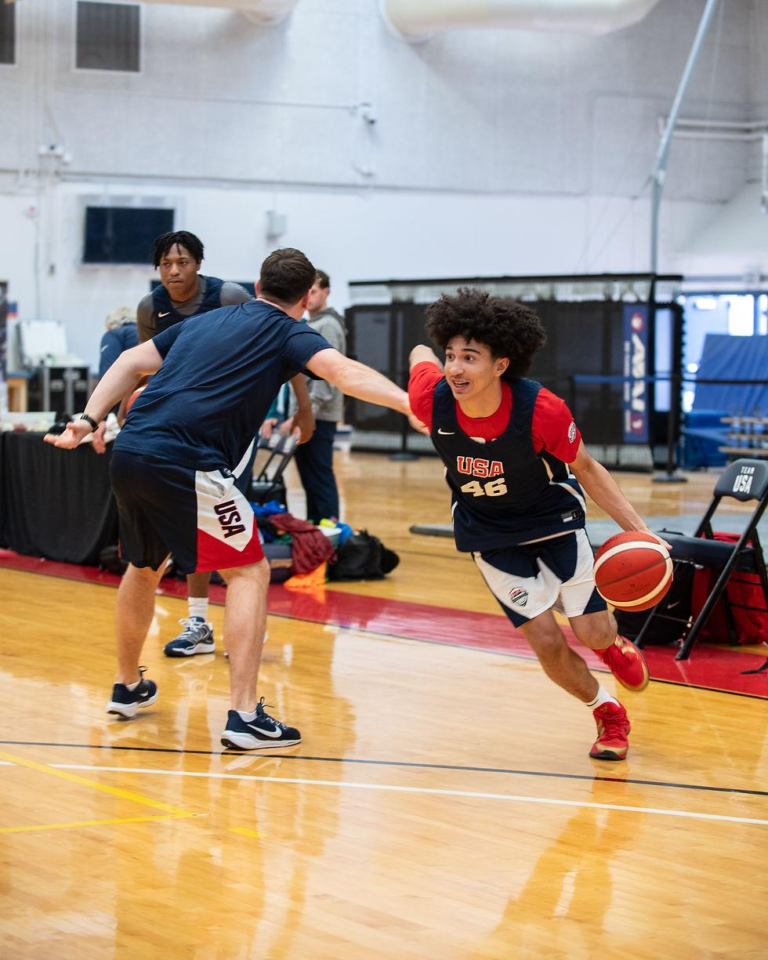
At the top of the recruiting landscape, players such as Cameron Boozer and Darryn Peterson represent the type of high-level prospects who can attract national attention before playing a college game. Their development will be closely watched because elite freshmen continue to influence how programs balance immediate performance with longer-term roster planning.
But the more important story may be what happens behind the biggest names.
Modern college basketball rewards players who can fill specific roles. A reliable perimeter defender, efficient three-point shooter, versatile forward or experienced backup guard can become enormously valuable even without being a household name.
That means fans may increasingly hear analysts discuss fit, efficiency, defensive versatility and role rather than simply points per game.
Why Player Development Still Matters
It would be easy to assume that the transfer portal has made player development less important. In reality, it may make development more valuable.
A program that can take a promising player and improve his shooting, decision-making, strength or defensive awareness has an advantage that cannot be replicated simply by signing another player.
The best coaching staffs are likely to combine both approaches.
A team might bring in an experienced transfer to stabilize its backcourt while simultaneously developing a younger player who could eventually take over the position. Another program might recruit a highly regarded freshman, surround him with experienced veterans and gradually increase his responsibility.
This hybrid model is becoming increasingly important because roster turnover can make long-term planning difficult.
For players, the practical lesson is equally significant: choosing a college should not be based solely on immediate playing time. The quality of coaching and player development can influence professional opportunities several years later.
The Programs Best Positioned for 2026 and Beyond
The programs most capable of thriving in this environment are not necessarily the schools with the biggest historical reputations. Brand strength helps, but it is only one component.
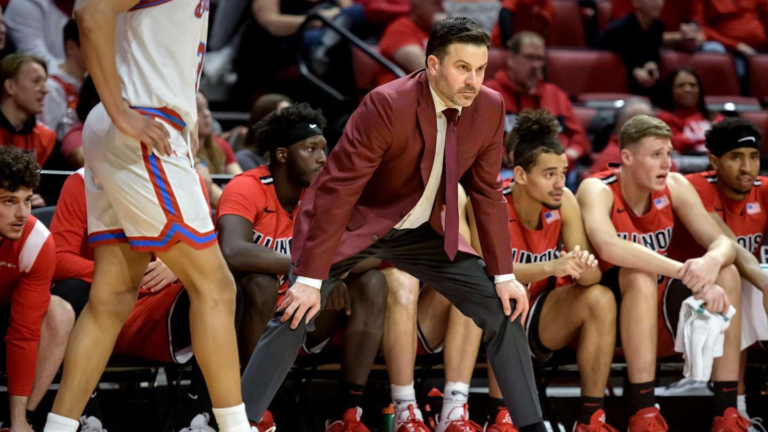
Programs with strong resources, established recruiting networks and experienced coaching staffs have obvious advantages. However, a smaller or emerging program can compete if it identifies undervalued players, develops them effectively and builds a clear identity.
There are several characteristics worth watching.
1. Strong roster evaluation
Programs need sophisticated scouting capable of identifying how players will fit together rather than simply ranking individual talent.
2. Player development infrastructure
Shooting development, strength training, analytics and individualized coaching can make a significant difference.
3. Retention strategy
Keeping the right players may be just as important as recruiting new ones.
4. Adaptable coaching
Coaches increasingly need to manage changing personalities, expectations and roster compositions.
5. Financial and administrative support
Modern competitive success requires resources extending beyond the basketball staff itself.
This could make the gap between well-organized programs and poorly managed programs more noticeable.
Conference Realignment Could Change the Competitive Map
Conference realignment is another factor influencing NCAA basketball.
Major conferences have expanded their geographic footprints, creating new travel demands and introducing matchups that previously would have been unusual during the regular season. The expanded national visibility of conferences can also affect recruiting and media exposure.
For fans, this means traditional conference identities may continue evolving.
A program’s path through conference play can become more demanding when it regularly faces multiple nationally competitive opponents. At the same time, additional high-profile games can create more opportunities for players to demonstrate their abilities against elite competition.
The practical consequence is that conference strength matters when evaluating a team’s record.
A 25-win season in one conference may not tell the same story as a 22-win season in another. As schedules become more difficult and conferences become deeper, advanced metrics and quality wins will remain important tools for understanding team performance.
Analytics Are Becoming More Visible to Everyday Fans
Basketball analytics are no longer limited to front offices and coaching staffs.
Fans increasingly encounter statistics involving effective field-goal percentage, turnover rate, offensive rebounding, shot selection and opponent efficiency. These numbers can provide valuable context that traditional box-score statistics sometimes miss.
For example, a team averaging 78 points per game may appear more productive than one averaging 73. But if the first team plays at a much faster pace, the comparison becomes less meaningful.
Similarly, a high-scoring player may not necessarily be the most efficient offensive player on his team.
Analytics can help answer more useful questions:
- How efficiently does a team score per possession?
- How often does it turn the ball over?
- Does it create quality three-point opportunities?
- Can it prevent opponents from getting easy shots?
- How well does it rebound on both ends?
Fans do not need to become statisticians to benefit from these measures. Even a basic understanding can make watching games more informative.
What March Madness Could Look Like in This New Environment
The NCAA Tournament remains one of the most unpredictable events in American sports, and the new roster environment may make tournament preparation even more complicated.
Teams with experienced players who have already faced pressure could have an advantage. A roster assembled through several transfer additions may have enormous talent but limited postseason chemistry. Conversely, a veteran team with strong continuity may outperform expectations despite having fewer nationally recognized players.
The tournament also magnifies matchup problems.
A team that struggles against physical interior play may encounter a difficult opponent even if its overall statistical profile is strong. A perimeter-oriented team could suddenly become dangerous if its shooting improves at the right time.
This is why March success cannot be reduced to recruiting rankings.
The programs that survive the tournament’s single-elimination environment usually combine talent with execution, adaptability and composure.
What Fans Should Watch During the 2026-27 Season
For casual fans, following every recruiting development or transfer announcement can become exhausting. A more practical approach is to focus on a handful of indicators.
First, watch how quickly new players integrate into their team’s system. Talent matters, but role clarity often determines whether a collection of good players becomes a good team.
Second, pay attention to defensive consistency. Offense can fluctuate from game to game, while teams with reliable defensive principles often have a stronger floor.
Third, watch the development of younger players. A freshman who becomes noticeably more effective between November and February may be more important to his team’s March prospects than an established scorer whose role remains unchanged.
Finally, watch how teams perform against quality opponents. Strong records against weak schedules can be misleading, while competitive performances against elite teams can reveal a program’s real potential.
The New Meaning of a “College Basketball Power”
For decades, college basketball power was closely associated with championships, recruiting reputation and tradition.
Those factors still matter, but the definition is broadening.
A modern power may be a traditional blue blood capable of combining massive resources with elite recruiting. It may also be an emerging program with a sophisticated development system, a strong transfer strategy and an effective coaching staff.
The distinction between established and emerging programs could become increasingly interesting.
Some historically successful schools may struggle if they fail to adapt, while less traditional programs may use the changing environment to accelerate their rise.
That creates a healthier competitive question for fans: Which programs are actually built for the modern college game rather than simply benefiting from their historical reputation?
How Fans Can Follow NCAA Basketball More Intelligently
The changing environment also gives fans more reasons to look beyond rankings.
Instead of asking only, “Who is ranked No. 1?” consider the underlying story of each team. Look at schedule strength, efficiency, roster continuity, injuries, player development and performance against high-quality opponents.
It is also worth distinguishing between recruiting rankings and actual college production. A highly rated prospect may need time to adjust to the college game, while a less celebrated recruit may become a crucial contributor after several years of development.
For people filling out brackets or following conference races, this approach can produce a more informed understanding of why teams win and lose.
The best analysis does not eliminate uncertainty. It simply provides better information for evaluating it.
Frequently Asked Questions About NCAA Basketball in 2026
1. What is changing most in NCAA basketball in 2026?
The biggest changes involve athlete compensation, transfer-portal activity, roster management, conference realignment and the growing influence of professional basketball on college players and programs.
2. Why is the transfer portal so important in college basketball?
The transfer portal allows players to change programs and gives coaches a faster way to address roster weaknesses. It has become a major part of roster construction rather than a secondary recruiting tool.
3. Will NIL still affect college basketball recruiting?
Yes. Financial opportunities and athlete compensation remain important considerations for programs and players, although the structure surrounding those opportunities continues to evolve.
4. Are freshmen still important in modern NCAA basketball?
Absolutely. Elite freshmen can make an immediate impact, while younger players can also become valuable contributors through development. The difference is that programs now have more ways to supplement freshmen with experienced transfers.
5. Which type of NCAA program is best positioned for the future?
Programs combining strong recruiting, player development, analytics, financial resources, retention and adaptable coaching are likely to be best positioned.
6. How can fans tell whether a college basketball team is actually good?
Look beyond its win-loss record. Offensive and defensive efficiency, schedule strength, quality wins, turnover rates, rebounding and performance against strong opponents provide useful context.
7. Why does conference realignment matter to basketball fans?
It changes schedules, travel, competition levels and traditional rivalries. It can also influence a program’s national exposure and recruiting opportunities.
8. Does the transfer portal make team chemistry harder?
It can. Teams with significant turnover have less continuity, but experienced transfers can also solve specific roster problems. Coaching and role definition become especially important.
9. Are analytics useful for everyday college basketball fans?
Yes. Basic metrics such as points per possession, turnover rate, effective field-goal percentage and rebounding can provide a clearer picture of team quality than raw scoring averages.
10. What should fans watch most closely during the 2026-27 season?
Watch roster chemistry, defensive consistency, player development, performance against quality opponents and how effectively teams integrate transfers and younger players.
When the Roster Becomes the Story
The most important development in NCAA basketball’s next era may not be a single rule, player or program. It may be the growing importance of how every piece of a roster fits together.
College basketball is moving toward a model in which recruiting, transfers, development, compensation, analytics and coaching are increasingly interconnected. Programs that understand those connections will have more opportunities to build sustainable success, while teams relying exclusively on tradition or individual talent may find the new environment less forgiving.
For fans, that creates a deeper version of the sport to follow. The story is no longer simply who has the best player. It is who has assembled the right group, developed it effectively and prepared it to perform when the stakes rise.
The 2026 College Hoops Signals Worth Watching
- Roster continuity may become as important as recruiting rankings.
- Transfer additions will be judged increasingly by fit rather than name recognition.
- Player development remains a major differentiator for successful programs.
- Analytics can provide useful context beyond traditional box-score statistics.
- Conference strength and schedule quality deserve greater attention.
- Financial resources will increasingly influence roster management.
- Coaching adaptability may become one of the defining competitive advantages.
- Young players who develop rapidly could reshape conference races.
- March success will still depend heavily on matchup quality and execution.
- The most sustainable programs will likely combine talent, development and organizational stability.
About the Author