The NBA enters its next chapter with a reshaped competitive landscape, major player movement, emerging young stars, and a new financial environment. From Giannis Antetokounmpo’s move to Miami and LeBron James joining Philadelphia to San Antonio’s rising core and the Knicks’ championship defense, the 2026-27 season could redefine which teams, players, and strategies shape the league.
The NBA Is Entering a Different Kind of Season
The NBA offseason can sometimes feel like a waiting period before the real story begins. This year, that description does not quite fit. The league has already undergone significant changes, and the 2026-27 season is positioned to begin with several teams looking dramatically different from where they finished the previous campaign.
The most important developments are not limited to individual trades. They involve broader questions about how teams build contenders, how established stars fit into new environments, how young players take control of franchises, and how financial rules influence roster construction.
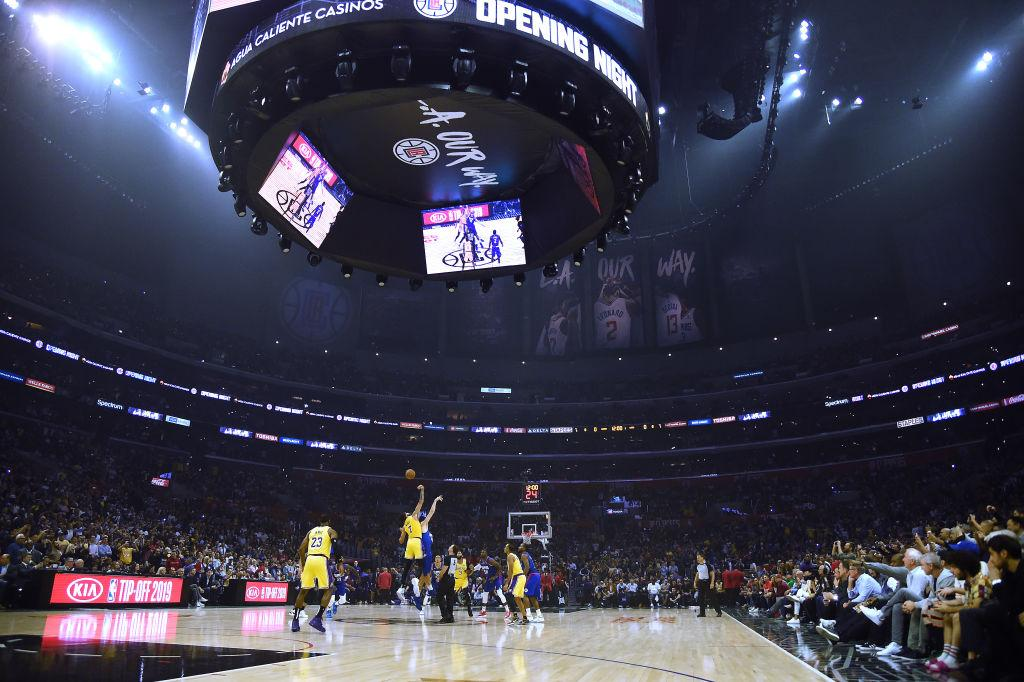
The league’s official 2026-27 schedule reinforces that sense of transition. The season opens October 20, with the New York Knicks raising their championship banner against the Philadelphia 76ers while San Antonio hosts Oklahoma City in a Western Conference Finals rematch. The schedule also features major reunions and first meetings created by the offseason’s roster movement.
For fans trying to understand the latest NBA news, the bigger story is not simply who changed teams. It is what those changes reveal about where the league may be heading.
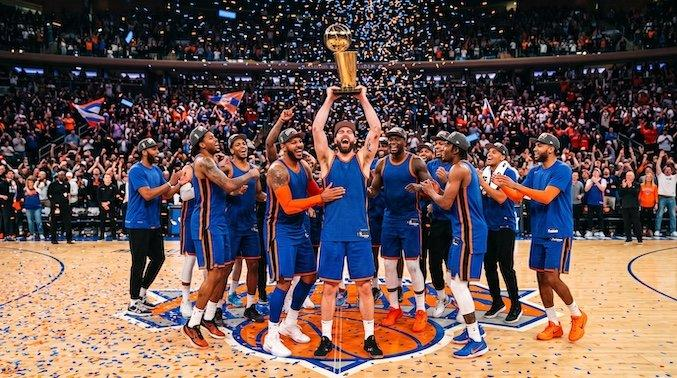
1. The Knicks Are No Longer Chasing the Championship — They Are Defending It
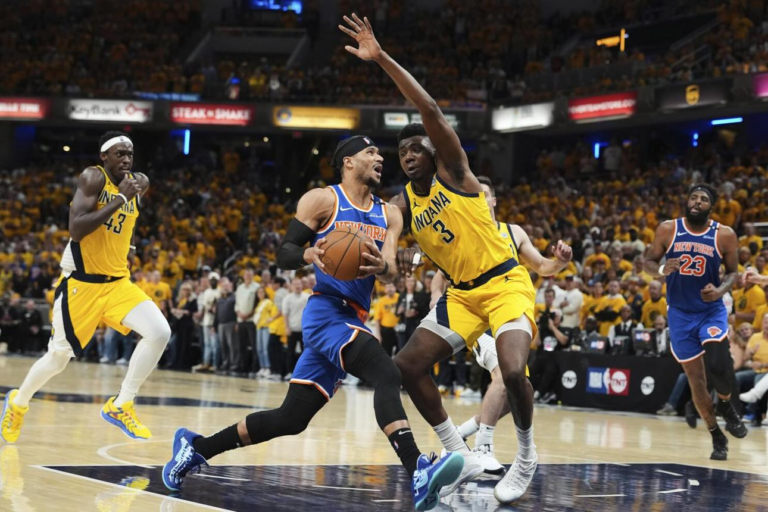
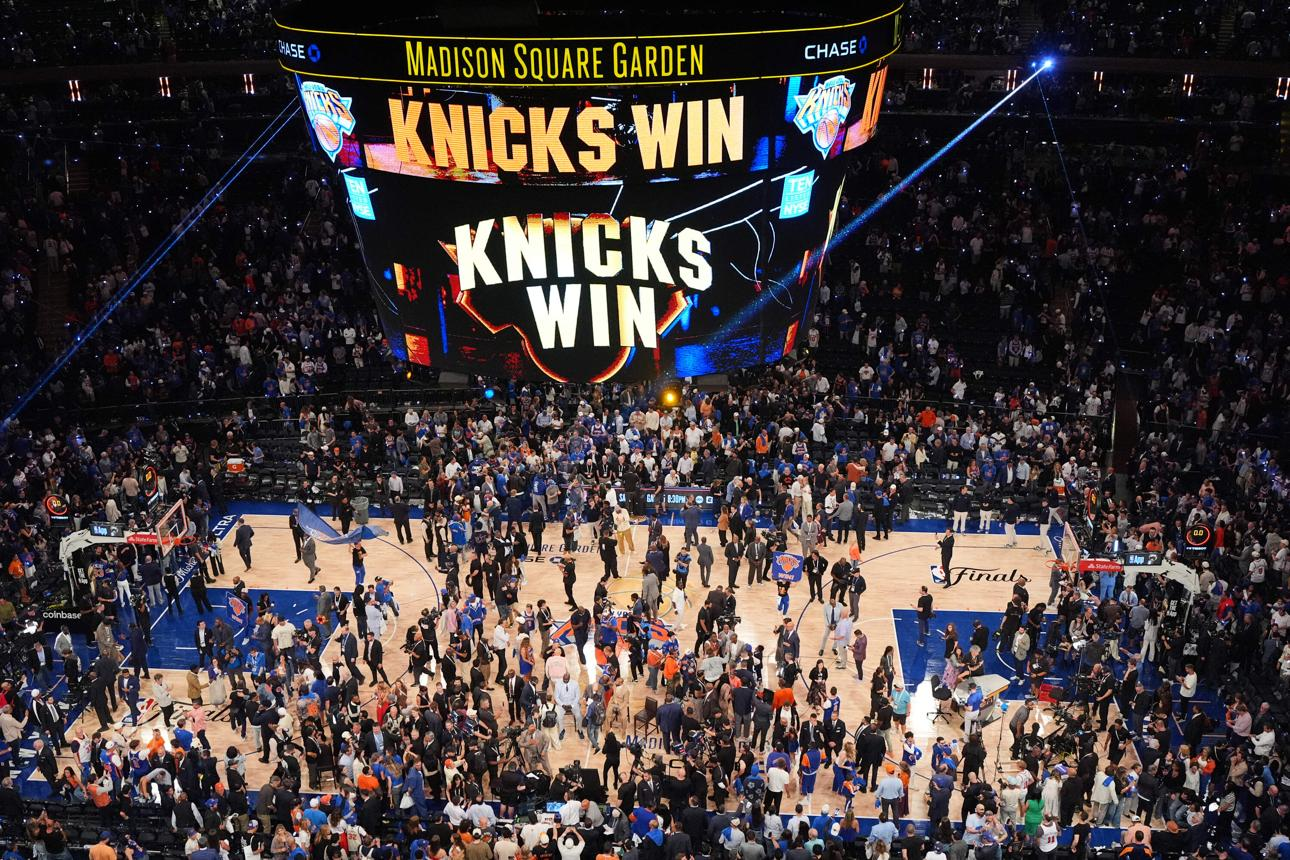
The New York Knicks enter the new season with a different level of responsibility.
Winning a championship changes the way a team is evaluated. A promising roster can be judged on potential, but a champion is judged against the standard it just established. The Knicks now have to prove that their success was sustainable rather than the product of a single postseason run.
That makes their opening-night matchup with Philadelphia particularly interesting. The 76ers have added LeBron James, while the Knicks will begin the season in front of their home crowd as defending champions. The contrast is useful: one team represents continuity after reaching the top, while the other represents an aggressive attempt to change its trajectory.
For Knicks fans, the practical question is whether the roster can maintain its defensive discipline, half-court execution and postseason toughness over a full season.
Championship teams also face a less obvious challenge: everyone prepares differently against them. Opponents have more information, fewer surprises remain, and every regular-season matchup carries additional psychological weight.
The Knicks therefore represent one of the clearest tests of whether the NBA’s competitive balance is shifting or simply experiencing another temporary cycle.
2. Giannis Antetokounmpo’s Move to Miami Changes the Eastern Conference
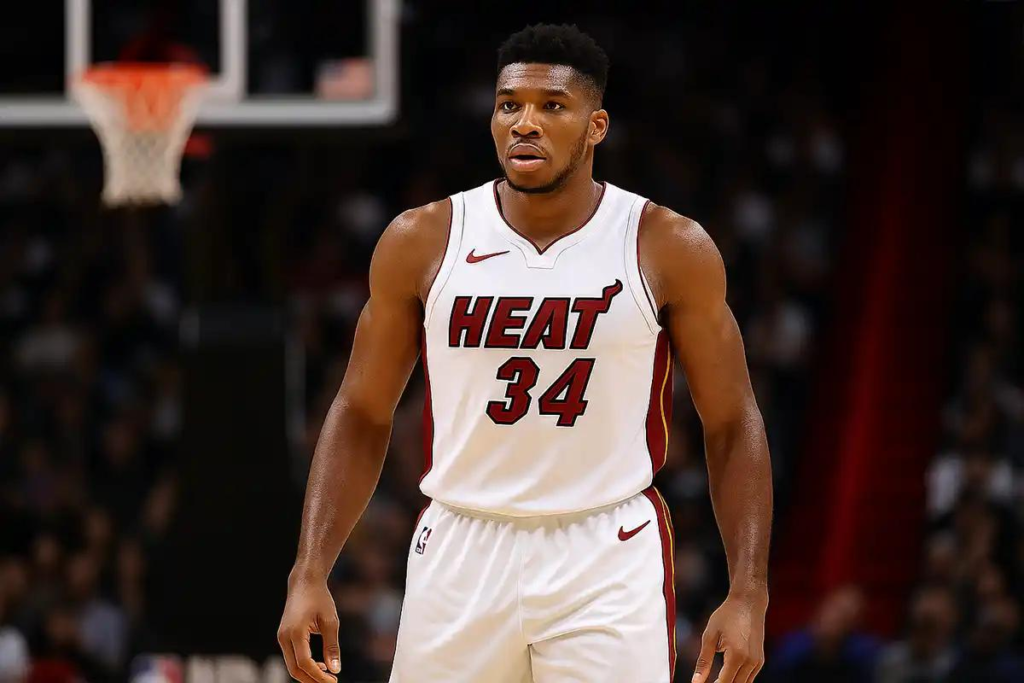
Few offseason developments have greater potential strategic importance than Giannis Antetokounmpo leaving Milwaukee for the Miami Heat.
The move gives Miami one of the league’s most established two-way superstars while ending an era in Milwaukee centered around Antetokounmpo. It also creates a fascinating question about roster construction: can Miami build an effective system around a player whose greatest value comes from combining transition pressure, interior scoring, playmaking and defensive versatility?
The answer will depend on more than Antetokounmpo’s individual production.
A useful example is how teams have historically adjusted around superstar players. The best supporting cast is not necessarily the one with the most recognizable names. It is the one that addresses the star’s weaknesses, creates spacing, defends multiple positions and gives the coaching staff enough lineup flexibility to survive playoff adjustments.
Miami’s challenge will be translating a major talent acquisition into consistent team basketball.
For Milwaukee, the question is different. The franchise must determine what comes next after losing the player who defined its modern identity. That could mean rebuilding around younger pieces, competing immediately with a different core, or taking a longer view.
Either way, the Eastern Conference has become harder to evaluate using last season’s assumptions.
3. LeBron James in Philadelphia Creates a New NBA Timeline
LeBron James joining the Philadelphia 76ers is another storyline that extends beyond one roster.
James has spent much of his career functioning as both a superstar and an organizational force. His move to Philadelphia places him alongside a franchise attempting to maximize its championship window while also managing the reality that James is at a very different stage of his career from the younger players entering the league.
That creates a fascinating basketball experiment.
Philadelphia does not need James to carry every possession as he did earlier in his career. Instead, the more sustainable approach could involve using his playmaking, decision-making and experience selectively while allowing other players to carry larger scoring responsibilities.
The 2026-27 schedule has already turned that transition into a major storyline. Philadelphia opens the season against the defending champion Knicks, and James is scheduled to return to Los Angeles during the season after leaving the Lakers.
For American basketball fans, this is also a reminder that the NBA’s star-driven era is evolving. The question is increasingly not whether veteran superstars can still influence winning, but how teams should use them efficiently as younger stars take larger roles.
4. San Antonio Could Become the League’s Next Defining Team
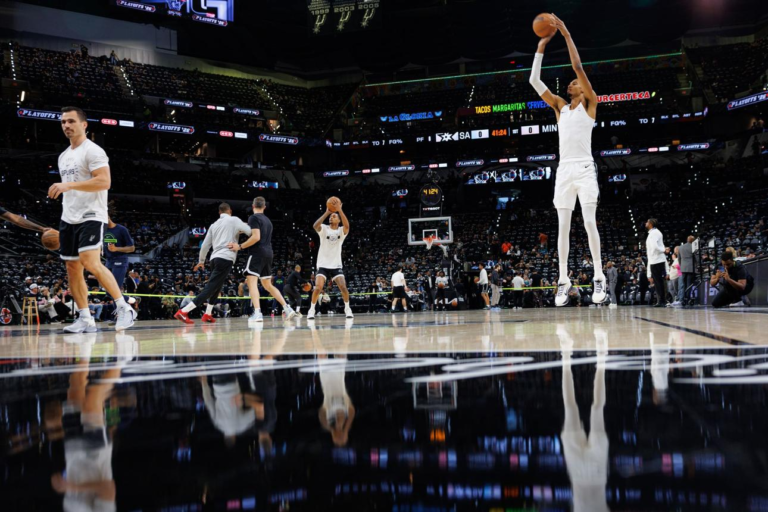
If there is one young franchise that could shape the NBA’s next era, the San Antonio Spurs deserve close attention.
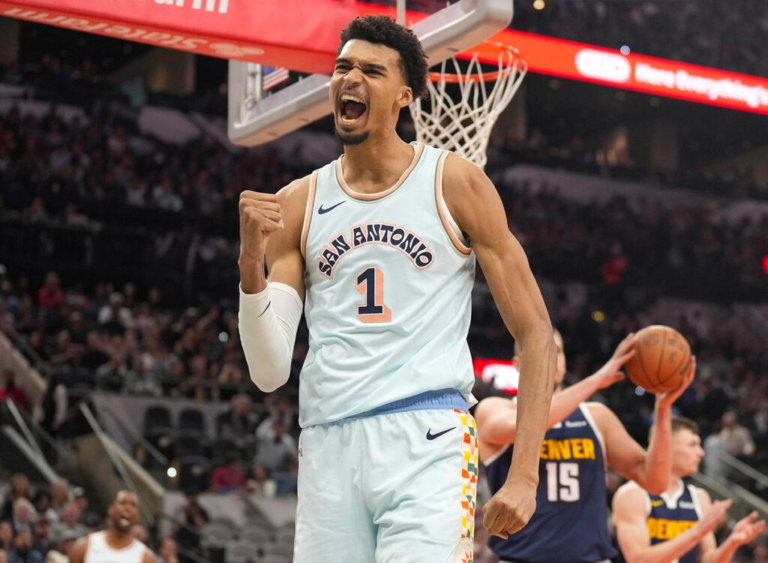
The Spurs’ trajectory is built around Victor Wembanyama, whose combination of size, mobility, shooting ability and defensive range gives San Antonio unusual flexibility. But the more important development is whether the franchise can transform individual talent into a sustainable team structure.
San Antonio will begin the season by hosting Oklahoma City in a rematch of the Western Conference Finals, immediately placing the young Spurs in a high-level competitive environment.
That matters because development changes once a team moves from rebuilding to contending.
Young players are no longer simply evaluated on flashes of potential. They must make better decisions under pressure, maintain defensive habits for 82 games and learn how opponents will attack them in playoff series.
The Spurs’ progress could therefore tell us a great deal about the next generation of NBA contenders.
5. The Western Conference May Be Defined by Depth Rather Than One Favorite
The Western Conference continues to offer a difficult forecasting environment.
Oklahoma City remains central to the conversation after reaching the NBA Finals, while San Antonio has emerged as a major challenger. Other established Western teams are also trying to determine whether their current cores are capable of competing with younger, deeper rosters.
That makes regular-season positioning particularly important.
In today’s NBA, a team can have a strong record and still face a difficult postseason path. Injuries, matchup-specific weaknesses and the play-in structure can all alter the route to the Finals.
For fans, this means conference standings should be interpreted alongside roster health and style of play rather than viewed as a simple ranking of talent.
6. The NBA’s New Financial Environment Is Becoming a Basketball Story
Salary-cap mechanics may sound like a front-office issue, but they increasingly determine what fans see on the court.
The NBA has set the 2026-27 salary cap at $164.961 million, with the tax level at $200.428 million. The first apron is $209.015 million and the second apron is $221.686 million.
Those numbers matter because teams operating near the upper salary thresholds face more restrictions and fewer conventional roster-building options.
A front office can no longer simply collect expensive talent and assume it will have unlimited flexibility to make corrections later.
That changes how general managers evaluate:
- Long-term contracts
- Veteran depth
- Draft picks
- Midseason trades
- Luxury-tax exposure
- Young players on inexpensive contracts
The practical lesson for fans is straightforward: when a team declines to make a seemingly obvious signing or trade, financial restrictions may be as important as basketball considerations.
The modern NBA roster is increasingly an economic puzzle as much as a talent puzzle.
7. Player Movement Is Making Familiar Teams Harder to Recognize
The offseason’s transaction activity has produced changes across the league. NBA.com’s official tracker includes major moves involving players such as Ja Morant, LaMelo Ball, Miles Bridges, Luguentz Dort and Zaccharie Risacher, among others.
That level of movement has an important consequence: preseason expectations become less reliable.
A player can be individually productive in one system and struggle to reproduce the same impact elsewhere. Coaches may use different roles. Teammates may demand different spacing. Defensive responsibilities can change dramatically.
Consider a hypothetical guard moving from a team that gives him extensive on-ball responsibility to one where he becomes a secondary creator. His scoring average might decline even if the team becomes better.
This is why evaluating offseason trades strictly by points per game or reputation can be misleading.
The more useful question is: Does the new role allow the player to solve a problem his new team actually has?
8. The 2026 Draft Class Adds Another Layer to the Transition
The NBA’s next generation is not limited to players already established in the league.
The 2026 draft produced two particularly prominent young prospects, AJ Dybantsa and Darryn Peterson, whose first NBA seasons will be watched closely. The league schedule has already created a February 27 matchup between the two players, giving fans an early opportunity to compare their development.
For teams, however, rookie development is rarely immediate.
The most successful young players typically need time to adjust to the speed, physicality and tactical complexity of the NBA. Their early statistics can be useful, but they do not tell the whole story.
A rookie who shoots inconsistently but makes strong defensive rotations may be contributing more to winning than his box score suggests. Similarly, a high-scoring young player may need several seasons to improve his decision-making.
The next chapter of the NBA will therefore depend not only on which rookies become stars, but on which organizations develop them effectively.
9. The NBA Cup Is Becoming Part of the Regular-Season Story
The Emirates NBA Cup is entering another season as an increasingly familiar part of the league calendar.
The 2026-27 group stage begins October 30, followed by knockout rounds in December and a championship game at Hinkle Fieldhouse in Indianapolis on December 11.
The significance of the Cup extends beyond the trophy.
It creates additional high-stakes games during a portion of the regular season when teams traditionally have to maintain focus without the immediate urgency of the playoffs. For younger teams, that experience can be useful.
The Cup also gives coaches another opportunity to evaluate how their teams perform when the game carries unusual consequences.
Over time, that may influence how franchises approach the early months of the schedule.
10. What NBA Fans Should Watch Beyond the Headlines
The easiest way to follow NBA news is to track major trades and player performances. A more useful approach is to watch the underlying signals that indicate whether those changes are actually working.
Fans can pay particular attention to:
- Lineup stability: Are new teammates developing chemistry?
- Defensive consistency: Can teams maintain strong defense against elite offenses?
- Young-player development: Which prospects earn meaningful fourth-quarter minutes?
- Star workload: Are veteran stars being managed effectively?
- Cap flexibility: Which teams still have room to make changes?
- Clutch performance: Which teams consistently execute late in games?
- Depth: Can teams maintain their level when injuries affect the starting lineup?
These indicators provide a clearer picture than a single winning streak or viral highlight.
What Americans Are Really Asking About the NBA Right Now
For casual fans, the most useful question is often not “Who is the best team?” but “What has actually changed?”
The answer is that the NBA is becoming more fluid. Stars are changing teams, young players are moving into leadership positions, financial rules are influencing basketball decisions, and franchises are increasingly willing to reshape rosters rather than remain attached to previous plans.
That makes the 2026-27 season particularly interesting because several different generations are overlapping.
Established stars still influence the league, but younger players are increasingly responsible for determining its long-term direction.
Frequently Asked Questions
1. What are the biggest NBA storylines heading into the 2026-27 season?
The biggest storylines include the Knicks defending their championship, Giannis Antetokounmpo’s move to Miami, LeBron James joining Philadelphia, San Antonio’s emergence around Victor Wembanyama, and the changing competitive landscape across both conferences.
2. When does the 2026-27 NBA season begin?
The regular season begins October 20, 2026. The schedule includes several major opening-night matchups, including Philadelphia at New York and Oklahoma City at San Antonio.
3. What is the NBA salary cap for 2026-27?
The NBA salary cap is $164.961 million for the 2026-27 season. The tax level is $200.428 million.
4. Why does the NBA salary cap matter to fans?
The salary cap and apron rules influence which players teams can sign, trade or retain. Financial restrictions can directly affect roster depth and a team’s ability to respond to injuries or disappointing performance.
5. Is Giannis Antetokounmpo playing for Miami?
Yes. Antetokounmpo was traded from Milwaukee to Miami during the 2026 offseason, making the Heat one of the league’s most closely watched teams entering the new season.
6. Which young NBA team deserves the most attention?
San Antonio is one of the most compelling young teams to watch because of Victor Wembanyama and the organization’s broader development trajectory. Its early-season matchup with Oklahoma City should provide an important competitive test.
7. What should fans watch when evaluating an NBA trade?
Look beyond individual scoring averages. Fit, defensive responsibilities, playmaking, shooting, contract structure, lineup compatibility and future flexibility can all determine whether a trade succeeds.
8. When does the 2026 NBA Cup begin?
Group play for the 2026 Emirates NBA Cup begins October 30, with the championship scheduled for December 11 in Indianapolis.
9. Why are NBA young players becoming more important?
Teams operating under tighter financial constraints can gain significant value from productive players on rookie-scale contracts. Developing young talent can therefore be both a basketball strategy and a financial strategy.
10. Where can fans find the official NBA schedule and transactions?
The NBA’s official website publishes the league calendar, schedule information and transaction updates, making it a useful starting point for verifying major developments.
The Next NBA Chapter Will Be Built on More Than Star Power
The most interesting part of the NBA’s next chapter may be how different forces begin interacting.
Superstars still matter enormously, but championship teams increasingly need depth, financial discipline, adaptable coaching and effective player development. The Knicks have to prove that a championship foundation can last. Miami must integrate a transformational star. Philadelphia must balance veteran experience with long-term planning. San Antonio must convert extraordinary young talent into consistent winning.
That is why the 2026-27 season should be viewed less as a collection of blockbuster moves and more as a test of different team-building philosophies.
The most important stories may ultimately be the ones that become visible only after the games begin.
The Storylines Worth Following as the Season Approaches
- The Knicks begin their title defense under a new level of scrutiny.
- Miami’s integration of Giannis could reshape the Eastern Conference.
- Philadelphia enters a new era with LeBron James.
- San Antonio’s young core faces an important test against established contenders.
- Oklahoma City remains central to the Western Conference picture.
- The NBA’s salary-cap and apron structure will continue influencing roster decisions.
- The 2026 draft class adds another generation of potential franchise players.
- The NBA Cup is becoming a more established part of the regular-season calendar.
- Player movement means last season’s assumptions may no longer apply.
- The most meaningful developments will likely emerge from how new rosters actually function together.
About the Author