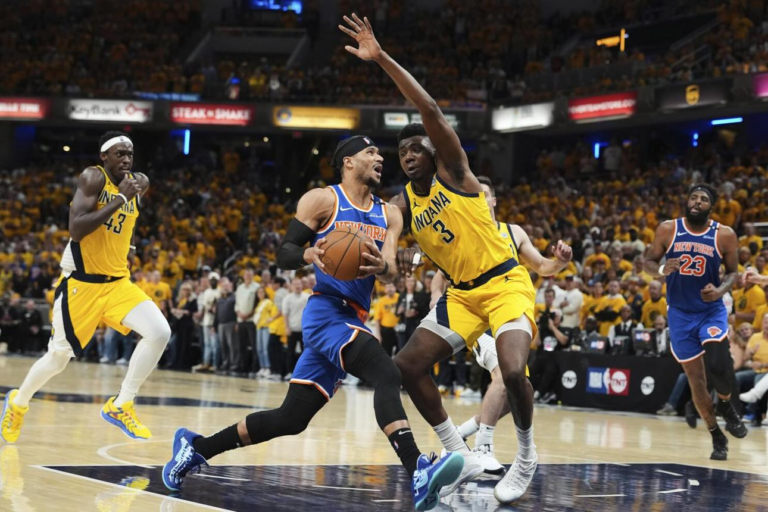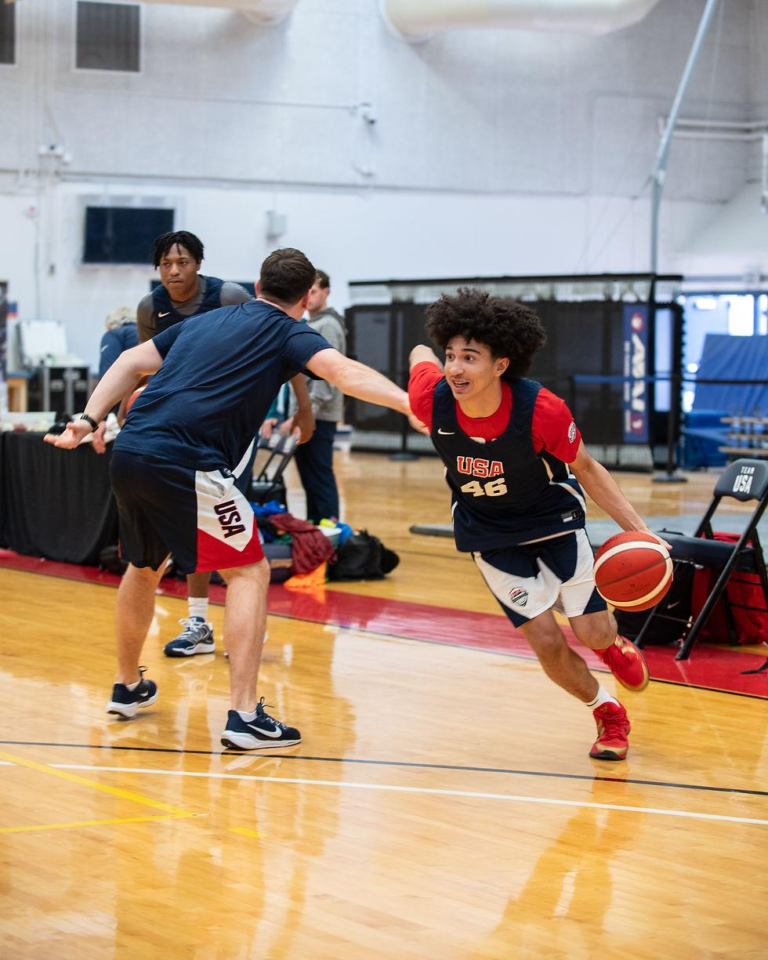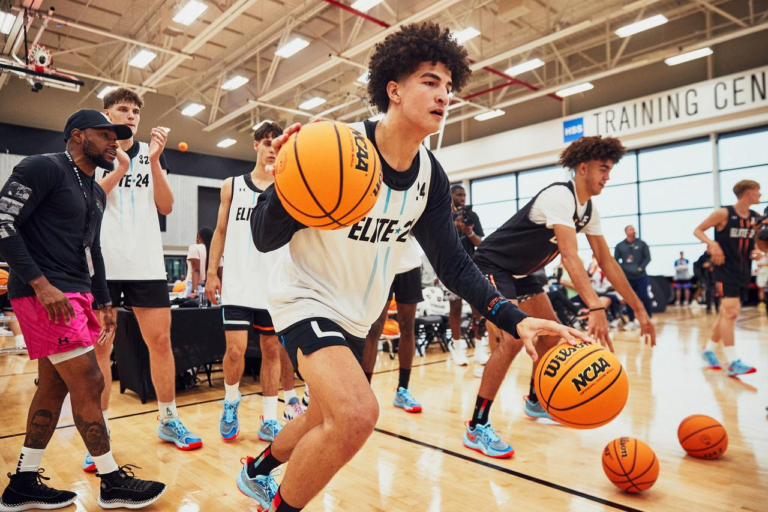
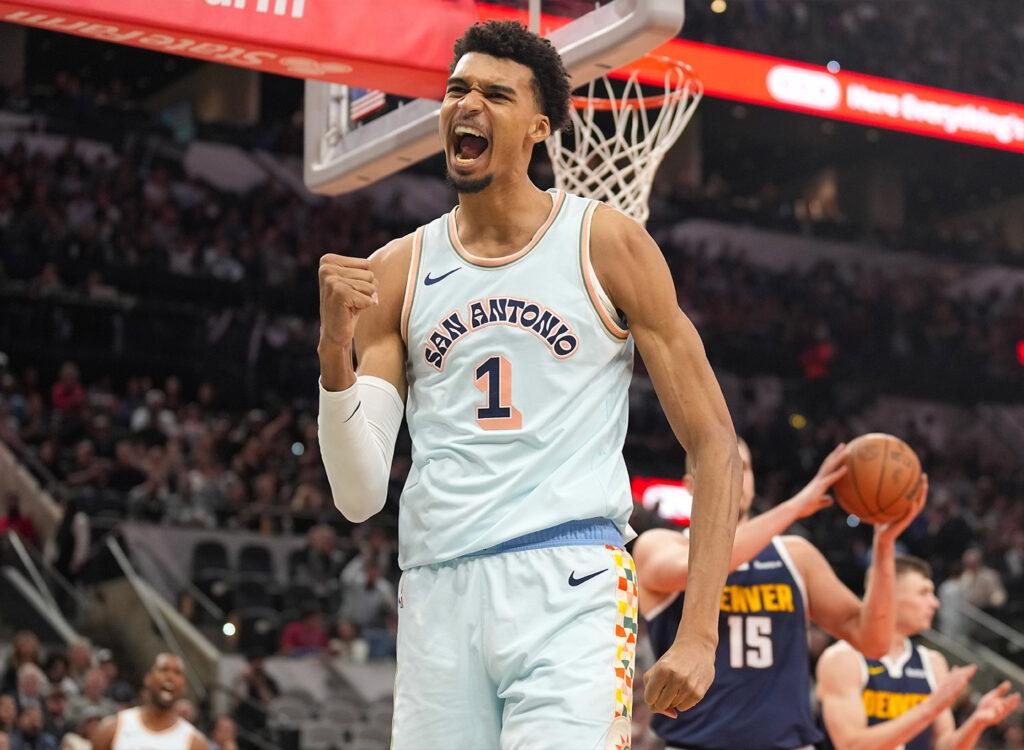
The NBA continues to evolve through player movement, emerging young stars, coaching innovation, advanced analytics, and changing roster strategies. These developments influence how teams compete, how fans experience the game, and how the league continues to grow globally. Understanding this season’s biggest storylines provides valuable context for evaluating team performance, player development, and the direction of professional basketball.
Why This NBA Season Feels Different
Every NBA season brings fresh expectations, but some years represent meaningful turning points. The current landscape is shaped by a combination of established superstars, rapidly improving young talent, new coaching philosophies, salary cap management, and increasingly sophisticated front-office decision-making.
For fans, these storylines extend well beyond nightly scores. They influence championship races, trade discussions, television ratings, fantasy basketball strategies, and long-term franchise planning.
The NBA has also become more competitive than ever. Recent seasons have produced multiple different champions, highlighting greater parity across the league. Organizations now understand that sustainable success depends not only on acquiring star players but also on developing talent, building roster depth, investing in player health, and embracing modern analytics.
The Rise of the League’s Next Generation
One of the NBA’s defining themes is the emergence of younger stars prepared to lead franchises into the future.
Several organizations have shifted from veteran-heavy lineups toward developing players in their early twenties. These athletes enter the league with extensive international experience, advanced skill development, and years of elite competition before reaching the NBA.
This evolution has changed how teams approach rebuilding.
Instead of focusing solely on draft position, organizations increasingly prioritize:
- Player development programs
- Modern training technology
- Sports science
- Skill-specific coaching
- Long-term roster flexibility
Fans now watch player development almost as closely as game results, following how prospects mature into franchise cornerstones.
Championship Contenders Face Higher Expectations
Contending teams rarely stand still.
Front offices constantly evaluate whether their current roster is capable of competing through four demanding playoff rounds. Even successful organizations continue adjusting rotations, adding veteran depth, and improving defensive versatility.
Championship teams generally share several characteristics:
- Elite two-way players
- Consistent defensive effort
- Reliable three-point shooting
- Strong bench production
- Experienced coaching staffs
History shows that regular-season success alone rarely guarantees postseason results. Matchups, injuries, and execution during high-pressure moments often determine playoff outcomes.
Why Roster Depth Matters More Than Ever
Today’s NBA schedule demands contributions from far more than just five starters.
Teams increasingly rely on nine- or ten-player rotations to manage workloads over an 82-game season.
Depth becomes especially valuable when:
- Star players miss games
- Back-to-back scheduling creates fatigue
- Young players need development opportunities
- Coaches seek matchup advantages
Organizations with balanced rosters often remain competitive despite temporary injuries, while teams overly dependent on one or two stars may struggle during extended absences.

Analytics Continue to Shape Basketball Decisions
Advanced statistics have become an essential part of NBA decision-making.
Rather than replacing traditional scouting, analytics complement it by providing additional insight into player efficiency, lineup combinations, defensive impact, and shot selection.
Common areas influenced by analytics include:
- Three-point attempt rates
- Shot quality
- Defensive matchups
- Pace of play
- Lineup optimization
However, successful organizations typically combine statistical analysis with experienced coaching, player communication, and real-world observation.
The Importance of Health Throughout the Season
Player availability has become one of the league’s biggest competitive advantages.
Sports medicine departments now work alongside coaching staffs to monitor recovery, conditioning, sleep, nutrition, and injury prevention.
Load management remains a topic of discussion because organizations recognize that maintaining player health across an entire season can significantly affect postseason success.
For fans, this means understanding that long-term availability sometimes outweighs short-term gains during the regular season.
Coaching Continues to Evolve
Modern NBA coaches manage far more than offensive and defensive systems.
Today’s coaching responsibilities include:
- Player development
- Leadership
- Communication
- Analytics integration
- Rotation management
- Culture building
The league’s most respected coaches consistently adjust strategies based on personnel rather than forcing players into rigid systems.
This flexibility has become increasingly valuable as player skill sets continue expanding.
How Trades Could Reshape the Season
Trade discussions remain among the NBA’s most closely followed storylines.
Midseason moves can alter conference standings, strengthen playoff contenders, or accelerate rebuilding efforts.
Successful trades usually balance both immediate competitiveness and future flexibility.
Front offices consider numerous factors before making major decisions, including salary cap implications, draft assets, player fit, age profiles, and long-term organizational goals.
For fans, understanding these factors helps explain why seemingly straightforward trades often require months of negotiation.
The Expanding Global Influence of the NBA
Basketball’s international growth continues reshaping the league.
Players now arrive from numerous countries, bringing diverse playing styles and expanding the NBA’s worldwide audience.
International participation benefits the league by:
- Increasing talent depth
- Growing global fan engagement
- Expanding youth participation
- Creating broader commercial opportunities
This international influence has become one of professional basketball’s defining strengths.
What Fans Should Watch During the Season
Beyond wins and losses, several indicators often reveal which teams are improving.
Watch for:
- Defensive consistency
- Ball movement
- Bench production
- Late-game execution
- Player development
- Coaching adjustments
- Injury recovery
- Chemistry between new teammates
These factors frequently provide better long-term insight than isolated winning streaks.

Frequently Asked Questions
1. What are the biggest NBA storylines this season?
Player development, championship contenders, trade activity, coaching adjustments, roster depth, and emerging young stars remain among the league’s most important themes.
2. Why is roster depth so important?
An 82-game season requires consistent contributions from multiple players, especially when injuries or fatigue affect starters.
3. How do analytics influence NBA teams?
Analytics help evaluate efficiency, optimize lineups, improve shot selection, and support coaching decisions alongside traditional scouting.
4. Why do teams emphasize player development?
Developing young talent creates sustainable success while improving long-term roster flexibility.
5. What makes an NBA championship contender?
Balanced scoring, elite defense, strong coaching, roster depth, and consistent health typically separate contenders from other playoff teams.
6. How important are trades during the season?
Strategic trades can improve playoff chances, address roster weaknesses, or strengthen future rebuilding efforts.
7. Why are international players increasingly important?
Global scouting has expanded the talent pool while increasing basketball’s worldwide popularity.
8. What should casual fans pay attention to besides scores?
Team chemistry, defensive effort, coaching adjustments, and player improvement often reveal future success.
9. Does regular-season success guarantee playoff success?
No. Playoff basketball emphasizes matchups, execution, health, and adaptability under greater pressure.
10. Why do NBA teams invest heavily in sports science?
Improved recovery and injury prevention help maximize player availability across the demanding season.
About the Author