Basketball in 2026 continues to evolve through smarter analytics, positionless play, sports science, NIL-driven college recruiting, growing women’s basketball audiences, and rapid advances in player development technology. From the NBA to youth leagues, coaches, players, and fans are adapting to a faster, more efficient game where versatility, decision-making, and data matter as much as athleticism.
Basketball Is Changing Faster Than Ever
Basketball has always evolved. Every generation introduces new playing styles, coaching philosophies, and technological advances that reshape how the game is played and understood. What makes 2026 different is the speed of that evolution.
Professional organizations, college programs, high school teams, and youth academies now have access to tools that were once reserved for elite franchises. Advanced video analysis, wearable performance tracking, AI-assisted scouting, and detailed shot analytics are influencing everyday decisions on and off the court.
At the same time, fans are consuming basketball differently. Streaming platforms, social media highlights, player-created content, and advanced statistics have made audiences more informed than ever before. Rather than simply watching games, many fans now analyze offensive efficiency, defensive ratings, lineup combinations, and player development trends.
Understanding today’s basketball trends provides valuable insight whether you’re a player hoping to improve, a coach building a roster, a parent supporting a young athlete, or simply someone who enjoys following the sport.
Positionless Basketball Continues to Expand
Perhaps the biggest strategic shift remains the continued rise of positionless basketball.
Instead of assigning rigid positions like point guard, shooting guard, small forward, power forward, and center, modern teams prioritize versatility.
Today’s players are increasingly expected to:
- Handle the basketball
- Defend multiple positions
- Shoot from long range
- Pass effectively
- Switch defensively
- Make quick decisions
NBA teams increasingly value players who can perform multiple roles depending on matchups rather than specializing in one narrow responsibility.
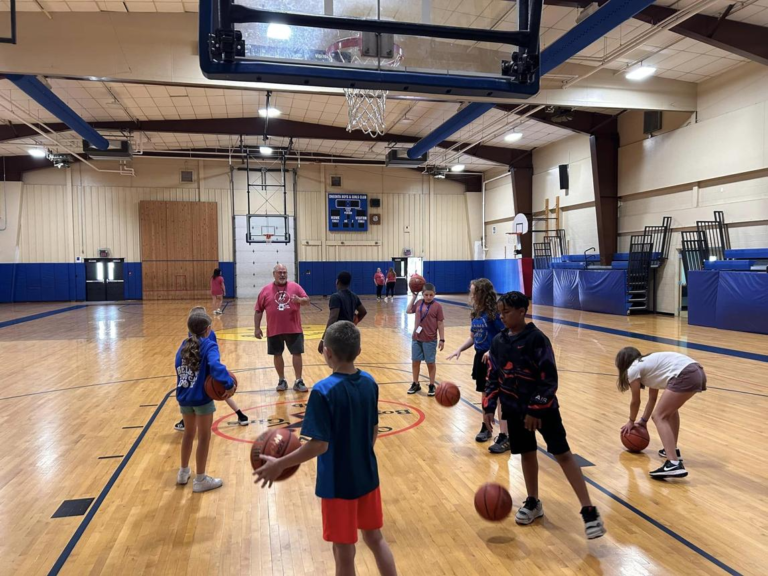
Youth coaches have followed this trend by encouraging taller players to develop ball-handling skills while helping guards improve rebounding and interior defense.
This broader skill development often produces more complete athletes over the long term.
Three-Point Shooting Has Become More Sophisticated
Three-point shooting is hardly new, but its application continues to mature.
Rather than simply increasing volume, teams now emphasize:
- Shot quality
- Spacing
- Timing
- Ball movement
- Offensive efficiency
Analytics consistently show that open three-point attempts generated through multiple passes outperform contested perimeter shots.
Players now spend significant practice time working on:
- Catch-and-shoot situations
- Movement shooting
- Transition threes
- Corner shooting
- Relocation after passing
Instead of treating three-point shooting as a specialty, many organizations now consider it a foundational basketball skill.
Defense Is Becoming More Flexible
While offensive innovation receives most headlines, defensive systems have also evolved dramatically.
Switch-heavy defenses have become common across many competitive levels.
Instead of fighting through every screen, defenders frequently exchange assignments to reduce open shooting opportunities.
Modern defensive priorities include:
- Communication
- Rotations
- Help defense
- Closeout technique
- Transition defense
- Defensive versatility
Many coaches now evaluate basketball IQ alongside physical ability because defensive recognition often separates strong teams from average ones.
Data Is Influencing Nearly Every Decision
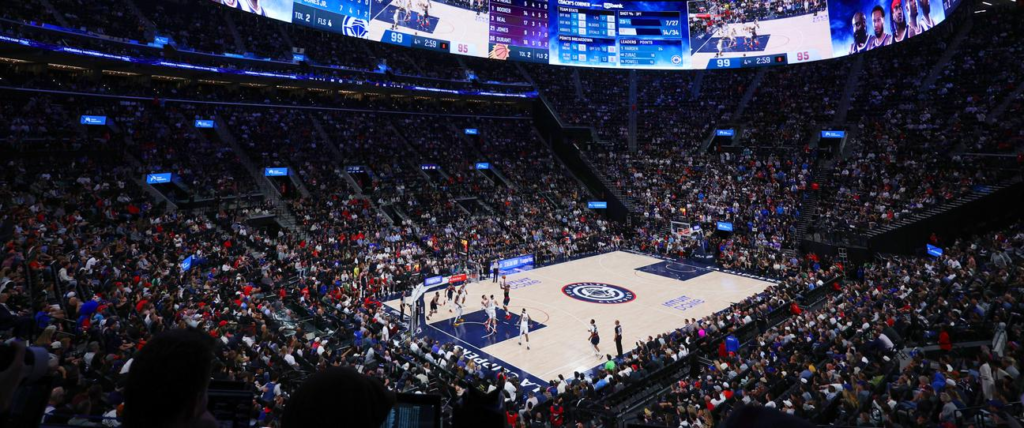
Analytics now extend far beyond professional basketball.
Many colleges, prep schools, and even competitive youth organizations track performance metrics that include:
- Effective field goal percentage
- Shot location
- Pace
- Turnover rate
- Defensive efficiency
- Rebounding percentage
- Player workload
These numbers help coaches identify strengths and weaknesses that traditional statistics might overlook.
For example, a player averaging 14 points may contribute greater offensive efficiency than someone scoring 20 points on lower shooting percentages.
According to publicly available NBA statistical resources, teams increasingly evaluate overall efficiency rather than raw scoring totals.
Sports Science Is Helping Players Stay Healthier
Player availability has become one of basketball’s biggest competitive advantages.
As a result, organizations continue investing heavily in sports science.
Common areas of emphasis include:
- Sleep quality
- Recovery protocols
- Nutrition
- Hydration
- Injury prevention
- Strength training
- Mobility work
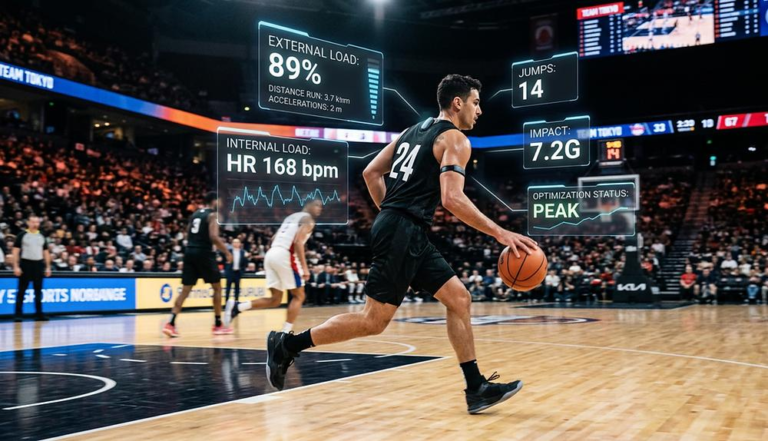
Wearable technology helps monitor player workloads throughout practices and games.
Rather than simply practicing harder, many organizations now prioritize practicing smarter.
Youth programs have also become more aware of overuse injuries, encouraging proper rest between tournaments and limiting year-round specialization.
Artificial Intelligence Is Entering Basketball Operations
AI has become an increasingly valuable tool across basketball.
While coaches still make final decisions, AI can assist by organizing enormous amounts of information.
Current applications include:
- Video tagging
- Opponent scouting
- Shot pattern analysis
- Practice planning
- Player development tracking
- Draft preparation
These technologies reduce administrative work and allow coaching staffs to spend more time teaching players.
AI is enhancing decision-making rather than replacing basketball expertise.
College Basketball Continues to Evolve
College basketball remains one of the most dynamic levels of the sport.
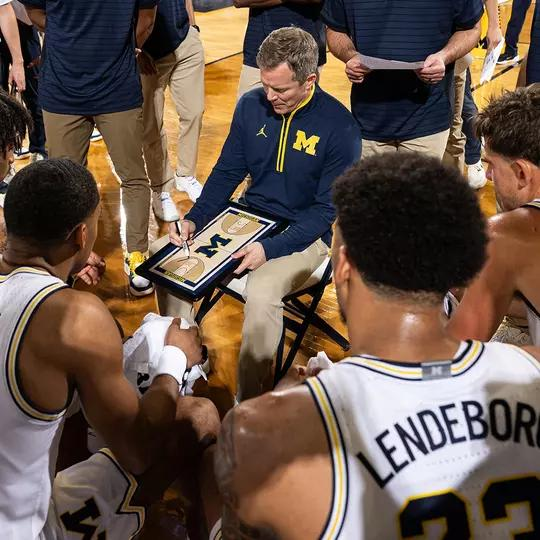
The transfer portal and Name, Image, and Likeness (NIL) opportunities have changed roster construction significantly.
Programs now balance:
- High school recruiting
- Transfer recruiting
- Player retention
- NIL opportunities
- Academic support
- Long-term development
Roster continuity has become more challenging, leading coaches to emphasize adaptability throughout each season.
Fans are also paying closer attention to roster movement during the offseason than ever before.
Women’s Basketball Keeps Building Momentum
Women’s basketball continues experiencing substantial growth in attendance, television audiences, sponsorships, and media coverage.
Professional and college competitions have attracted larger audiences thanks to exceptional talent, increased visibility, and expanded broadcast opportunities.
This growth benefits:
- Youth participation
- Coaching investment
- Grassroots development
- Corporate partnerships
- Facility improvements
More young athletes now have visible role models and clearer professional pathways than previous generations.
Technology Is Changing Player Development
Video review has become standard practice across nearly every competitive level.
Players can immediately analyze:
- Shooting mechanics
- Footwork
- Defensive positioning
- Decision-making
- Passing angles
- Transition habits
Some organizations also use virtual simulation tools to help athletes recognize offensive and defensive situations before they occur in games.
Instead of relying solely on repetition, coaches increasingly combine repetition with detailed visual feedback.
Basketball Fans Are Consuming the Game Differently
Fans in 2026 have unprecedented access to basketball content.
Many follow games using:
- Advanced statistics
- Podcasts
- Film breakdowns
- Team-specific newsletters
- Streaming platforms
- Social media analysis
- Interactive broadcasts
Rather than waiting for postgame television coverage, fans often consume highlights within minutes and explore detailed tactical breakdowns shortly afterward.
This has created a more informed audience that appreciates coaching decisions alongside individual performances.
Youth Basketball Places Greater Emphasis on Complete Development
Parents and coaches have gradually shifted away from measuring success only through scoring.
Many respected development programs now prioritize:
- Decision-making
- Passing
- Defensive effort
- Communication
- Leadership
- Team play
- Consistency
A player who understands spacing, rotates correctly on defense, and makes smart passing decisions often attracts as much attention from recruiters as someone who scores frequently.
This reflects the broader direction of basketball at every competitive level.
What Basketball Skills Matter Most in 2026?
Although every player develops differently, several skills consistently appear across successful athletes.
These include:
- Efficient shooting
- Ball handling under pressure
- Defensive versatility
- Court vision
- Basketball IQ
- Physical conditioning
- Communication
- Adaptability
- Emotional resilience
Players who combine technical ability with sound decision-making often experience the most sustained improvement.

Frequently Asked Questions
1. What is the biggest basketball trend in 2026?
Positionless basketball remains one of the most influential trends, encouraging players to develop complete skill sets rather than specializing in one traditional position.
2. Why are basketball analytics so important?
Analytics help coaches evaluate efficiency, lineup performance, shot quality, and player impact beyond traditional box-score statistics.
3. Is three-point shooting still becoming more important?
Yes. Teams continue emphasizing efficient perimeter shooting while focusing more on shot quality than sheer shooting volume.
4. How is AI affecting basketball?
AI assists with scouting, video analysis, player development, opponent preparation, and performance evaluation while supporting—not replacing—coaching decisions.
5. What skills should young basketball players prioritize?
Strong fundamentals, shooting, ball handling, decision-making, defensive versatility, conditioning, and communication remain essential.
6. Why is sports science becoming so important?
Recovery, injury prevention, workload monitoring, nutrition, and sleep management help athletes maintain consistent performance throughout long seasons.
7. How has college basketball changed?
The transfer portal and NIL opportunities have transformed roster management, recruiting strategies, and player movement.
8. Why is women’s basketball growing so quickly?
Greater media exposure, outstanding player talent, stronger professional opportunities, and increased investment have expanded audiences and participation.
9. Are advanced statistics replacing traditional coaching?
No. Analytics complement coaching experience by providing additional insights for decision-making.
10. Where is basketball likely headed next?
Future developments will likely include continued technology integration, enhanced player tracking, smarter injury prevention, and even more versatile playing styles.
About the Author