Basketball in 2026 is evolving through smarter analytics, positionless lineups, advanced player development, sports science, and expanding fan technology. Coaches are making faster in-game adjustments, players are becoming more versatile, and viewers are consuming games in entirely new ways. Understanding these trends helps athletes, parents, coaches, and fans better appreciate where basketball is headed at every level.
Basketball Is Changing Faster Than Ever
Basketball has always evolved. The three-point revolution transformed offensive strategy, sports science extended careers, and advanced analytics reshaped decision-making across professional and collegiate programs. Now, 2026 represents another significant stage in the sport’s evolution.
Today’s game emphasizes versatility more than specialization. Teams increasingly value players capable of defending multiple positions, initiating offense, and adapting to different lineups throughout a game. Meanwhile, technology provides coaches with deeper insights into player performance, while fans enjoy richer viewing experiences through enhanced statistics and interactive broadcasts.
From youth basketball to the NBA, many of the same trends are influencing how the game is played, coached, and experienced.
Positionless Basketball Has Become the Standard
One of the biggest shifts over the past decade has become fully established in 2026: traditional positions matter less than overall versatility.
Instead of asking whether someone is strictly a point guard or power forward, coaches now focus on questions such as:
- Can this player defend multiple positions?
- Can they make quick decisions?
- Can they space the floor?
- Can they handle the ball under pressure?
- Can they switch defensively without creating mismatches?
Many successful teams now prioritize players with broad skill sets rather than specialists confined to one role.
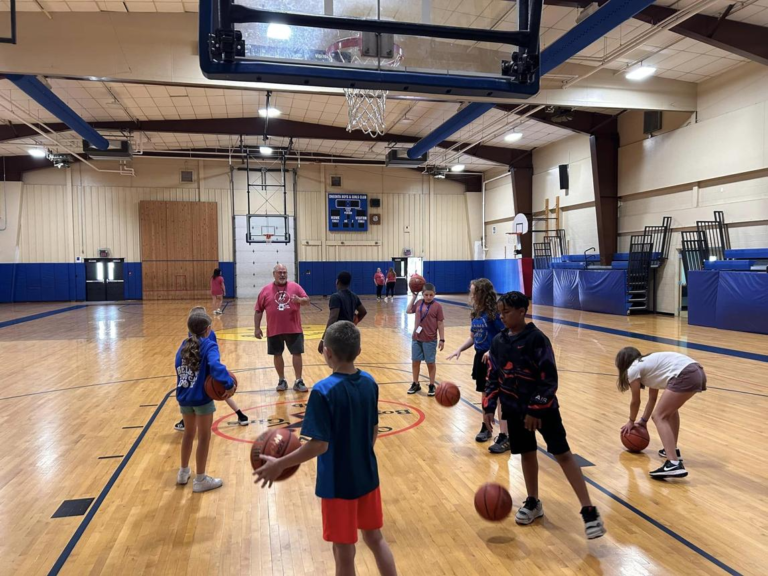
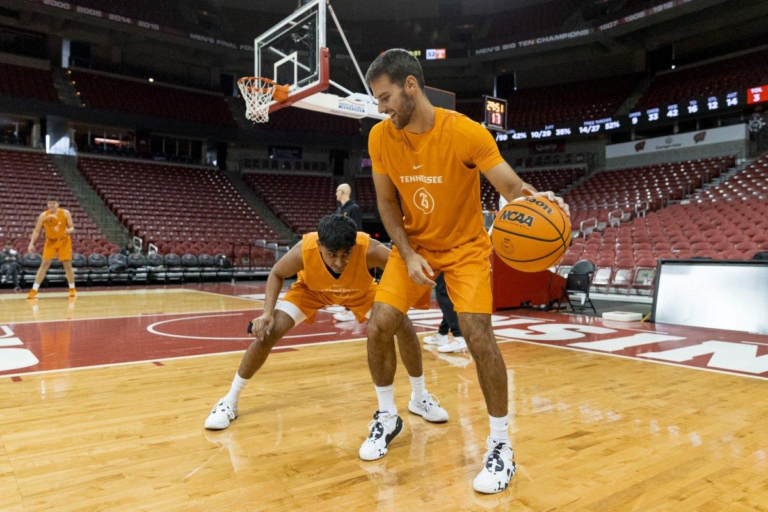
For younger athletes, this means developing complete basketball fundamentals instead of focusing on a single position too early.
Three-Point Shooting Continues to Evolve
The three-point shot remains one of basketball’s defining strategic elements, but the conversation has matured.
Rather than simply attempting more three-pointers, elite teams now focus on:
- Shot quality
- Ball movement before the shot
- Spacing efficiency
- Catch-and-shoot opportunities
- Corner-three creation
- Transition shooting
Analytics consistently show that efficient three-point shooting paired with strong rim finishing creates highly effective offenses. Coaches increasingly teach decision-making rather than encouraging players to simply shoot from long range.
At youth levels, instructors also emphasize proper shooting mechanics before range, reducing the risk of poor habits developing early.
Sports Science Is Extending Careers
Recovery has become nearly as important as training.
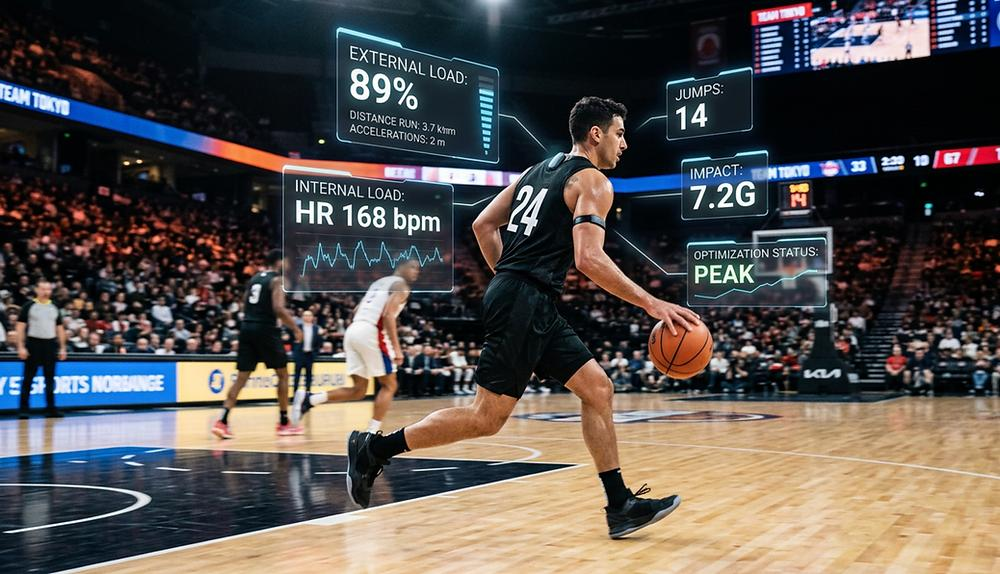
Professional organizations now invest heavily in:
- Sleep monitoring
- Recovery protocols
- Hydration tracking
- Force-plate testing
- Workload management
- Injury prevention programs
These practices are increasingly filtering into college and high school programs.
Rather than rewarding athletes for constant high-volume training, many coaches recognize that smarter recovery often produces better long-term performance.
This balanced approach helps reduce overuse injuries while maintaining consistent player availability throughout demanding seasons.

Data Is Supporting Better Coaching Decisions
Analytics are no longer reserved for professional front offices.
Today’s coaches frequently review:
- Shot-location efficiency
- Defensive matchups
- Transition scoring
- Lineup performance
- Rebounding percentages
- Turnover trends
- Pace metrics
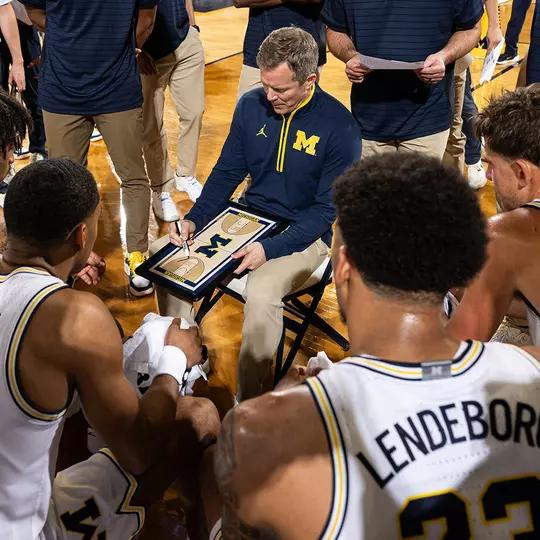
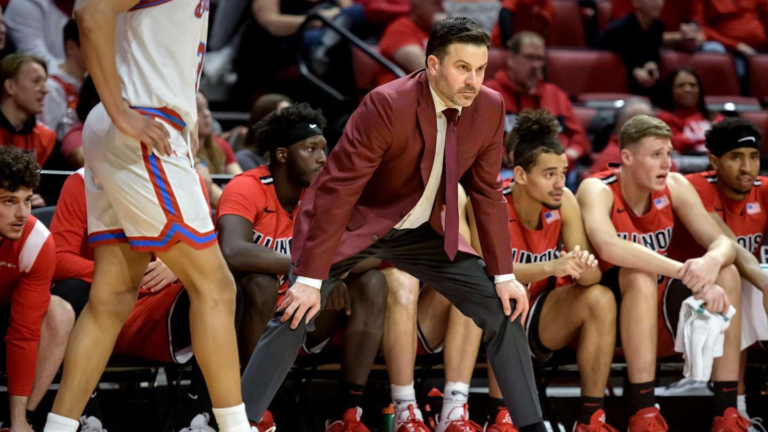
Rather than replacing coaching instincts, data provides another layer of information.
For example, a coach may notice that a lineup consistently produces higher defensive efficiency despite scoring fewer points. That insight can influence substitution patterns late in close games.
Organizations including the NBA continue expanding advanced statistical resources that support these evaluations.
Defensive Strategy Is Becoming More Flexible
Offenses receive much of the attention, but defense continues evolving rapidly.
Modern defensive systems increasingly rely on:
- Switching
- Rotational help defense
- Communication
- Closeout discipline
- Transition defense
- Defensive versatility
Instead of relying exclusively on traditional man-to-man assignments, teams frequently adjust coverages depending on matchups and game situations.
Players capable of guarding multiple positions have become some of the league’s most valuable contributors because they create lineup flexibility throughout games.
Player Development Starts Earlier—but Looks Different
Parents often ask:
“What should young basketball players focus on today?”
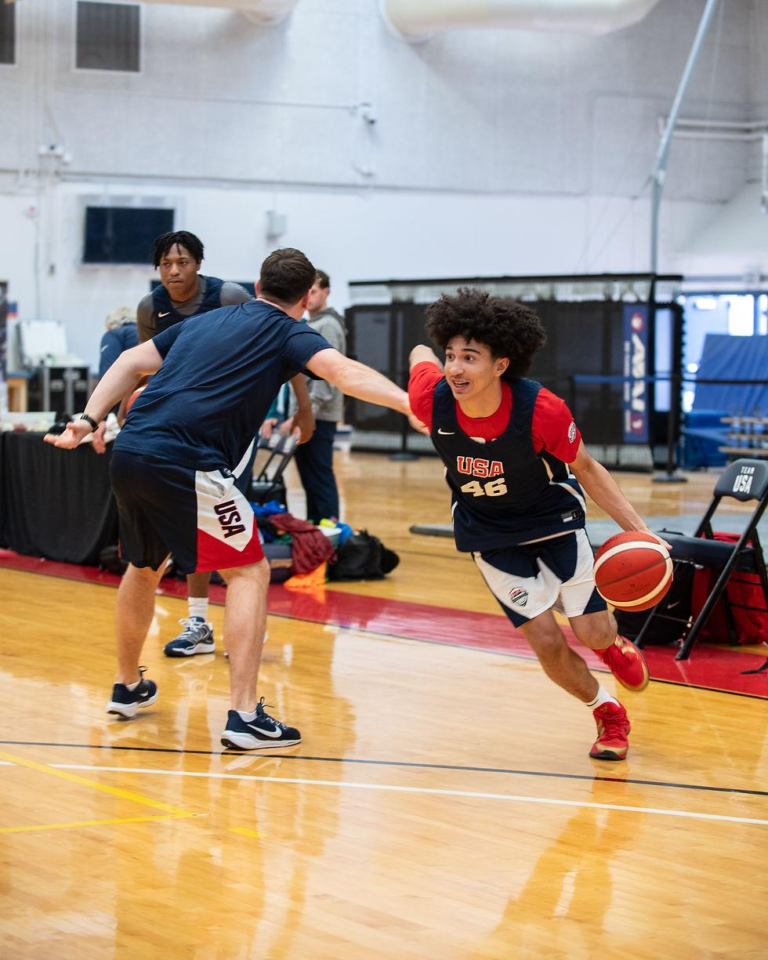
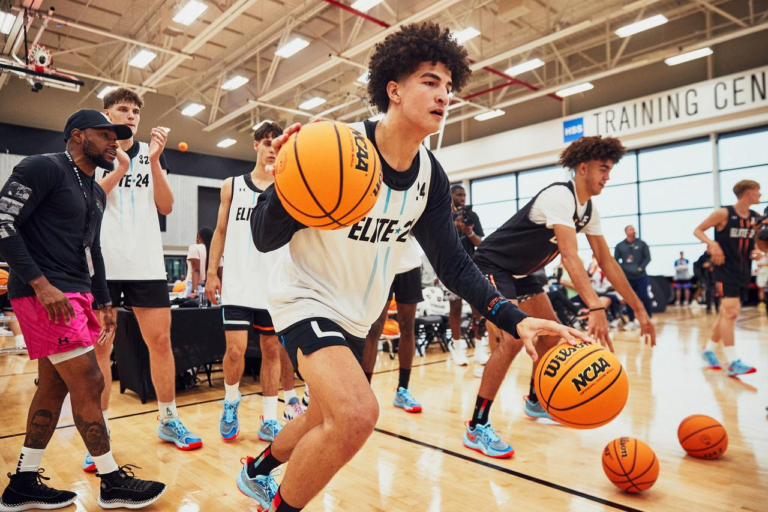
Many experienced player development specialists recommend emphasizing overall athletic development before specialization.
That includes:
- Footwork
- Passing
- Decision-making
- Defensive fundamentals
- Body control
- Basketball IQ
- Coordination
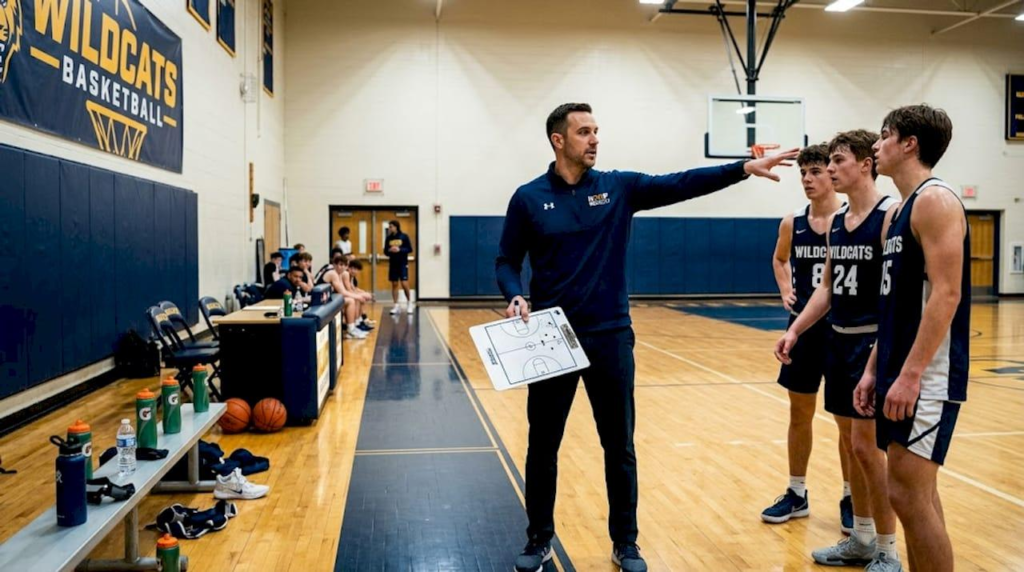
Rather than spending countless hours practicing difficult step-back shots, younger players often benefit more from mastering movement, balance, and reading defenses.
Many elite professional players developed broad foundational skills long before becoming offensive stars.
Artificial Intelligence Is Entering Basketball Operations
Artificial intelligence has become another important tool across basketball.
Organizations increasingly use AI to assist with:
- Video breakdown
- Opponent scouting
- Practice planning
- Shot pattern analysis
- Injury risk identification
- Player workload evaluation
Importantly, AI supports coaching rather than replacing it.
Human judgment remains essential when evaluating leadership, chemistry, motivation, and competitive instincts—areas where experienced coaches continue providing tremendous value.
Women’s Basketball Continues Expanding Its Influence
Women’s basketball has experienced sustained growth through increasing attendance, television audiences, youth participation, and professional visibility.
More young athletes now have opportunities to watch elite competition throughout the year, encouraging participation across all levels.
The growth also encourages greater investment in:
- Coaching
- Facilities
- Broadcasting
- Youth development
- Analytics
- Sports medicine
Many tactical innovations now spread across both men’s and women’s basketball rather than developing separately.
Fan Experiences Continue Becoming More Interactive
Watching basketball has become much more engaging than simply viewing a television broadcast.
Fans increasingly enjoy:
- Advanced live statistics
- Multiple camera angles
- Interactive shot charts
- Player tracking graphics
- Fantasy integration
- Second-screen experiences
- Personalized highlights
Streaming platforms and digital technology continue changing how audiences consume basketball, especially younger viewers accustomed to customized content.
This shift also allows broadcasters to explain strategy more effectively through visual analysis.
NIL and College Basketball Continue Evolving
Name, Image, and Likeness (NIL) opportunities continue influencing college basketball.
Athletes now navigate:
- Personal branding
- Sponsorship opportunities
- Financial literacy
- Media training
- Transfer decisions
Coaches increasingly evaluate not only basketball talent but also leadership, maturity, and adaptability in an evolving collegiate landscape.
Programs investing in player support services often provide athletes with additional resources beyond on-court development.
International Basketball Is Raising the Global Standard
Basketball continues becoming increasingly global.
Players from Europe, Africa, Asia, Australia, and Latin America contribute diverse playing styles that influence the sport worldwide.
International development has emphasized:
- Ball movement
- Team concepts
- Passing
- Skill versatility
- Tactical discipline
Many NBA organizations now blend international concepts with traditional American athleticism, producing more balanced and creative styles of play.
What Basketball Fans Should Watch During 2026
Several storylines are worth following throughout the season:
- Continued evolution of positionless lineups
- Increased use of AI-assisted coaching tools
- Growth of women’s professional basketball
- Expanded player recovery technologies
- Development of younger versatile prospects
- Smarter defensive switching systems
- College basketball adaptation to NIL
- International tactical influence on NBA offenses
These trends are likely to shape basketball well beyond 2026.
Frequently Asked Questions
1. What is the biggest basketball trend in 2026?
Positionless basketball combined with versatile player development remains one of the most influential trends across professional and amateur levels.
2. Is analytics replacing basketball coaches?
No. Analytics supports coaching decisions but does not replace leadership, communication, or experience.
3. Why is versatility so valuable?
Players who can perform multiple roles allow coaches greater flexibility with rotations and defensive matchups.
4. How important is sports science today?
Sports science plays a major role in recovery, injury prevention, workload management, and long-term player health.
5. Are youth basketball training methods changing?
Yes. Many coaches now emphasize complete skill development instead of early position specialization.
6. How is AI being used in basketball?
AI assists with video analysis, scouting reports, workload monitoring, and performance evaluation.
7. Why has women’s basketball grown so quickly?
Greater media exposure, improved investment, stronger competition, and expanding youth participation have all contributed.
8. Is three-point shooting still becoming more important?
Yes, but teams increasingly prioritize shot quality rather than simply increasing shot volume.
9. How has international basketball influenced the NBA?
International players have popularized ball movement, versatility, spacing, and team-oriented offensive concepts.
10. What skills should young basketball players develop first?
Strong fundamentals, passing, footwork, decision-making, defense, and basketball IQ remain the best long-term investments.
About the Author