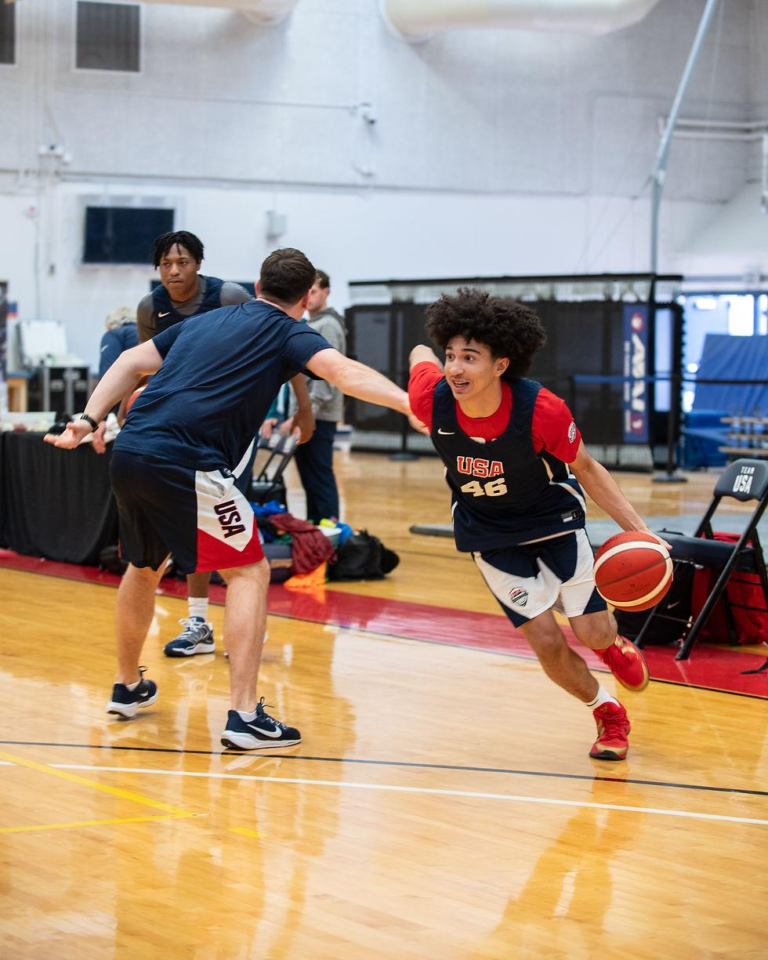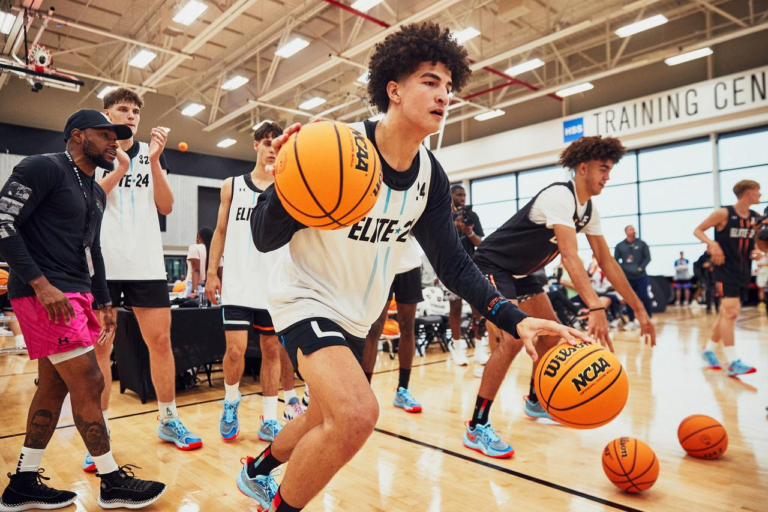
USA Basketball’s next generation reflects more than emerging talent—it highlights how player development, coaching, technology, and youth participation are reshaping American basketball. From grassroots programs to international competition, today’s young athletes are developing broader skill sets and higher basketball IQ than ever before. Understanding these trends offers valuable insight into where American hoops is headed over the next decade.
What USA Basketball’s Next Generation Reveals About the Future of American Hoops
For decades, USA Basketball has represented the highest standard of the sport. Olympic gold medals, FIBA championships, and countless NBA stars have reinforced America’s reputation as a basketball powerhouse. Yet today’s story is no longer simply about winning international tournaments. Instead, attention is increasingly focused on the players who will define the next era of American basketball.
The newest generation of USA Basketball athletes has grown up in a completely different environment than previous stars. Advanced analytics, year-round training, sports science, NIL opportunities, social media, and international competition have all become normal parts of their development.
These changes are creating players with broader offensive skills, greater positional flexibility, and stronger decision-making abilities. At the same time, coaches and organizations are reconsidering how young athletes should develop to succeed over long careers rather than achieving only early success.
A Different Development Path Than Previous Generations
Twenty years ago, many elite American players relied heavily on athleticism and physical dominance during their youth. Today’s prospects still possess exceptional athletic ability, but coaches increasingly emphasize basketball intelligence alongside physical development.
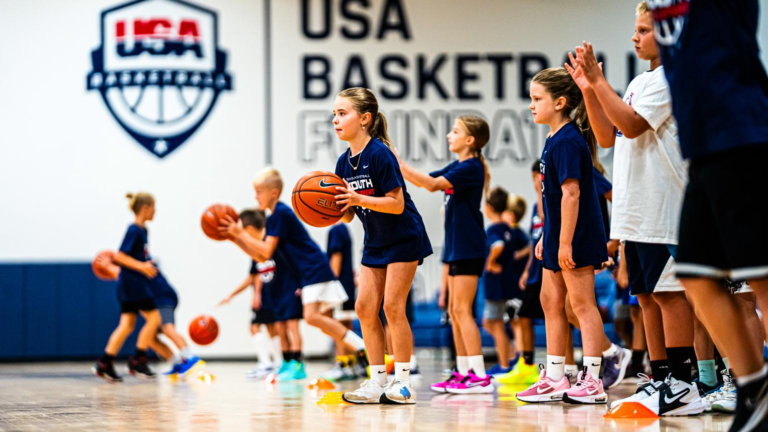
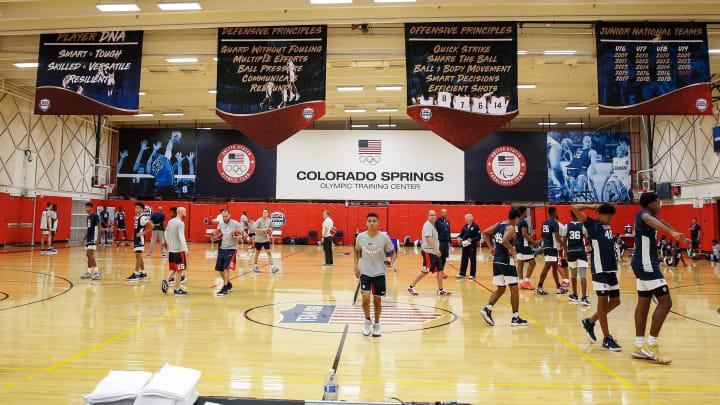
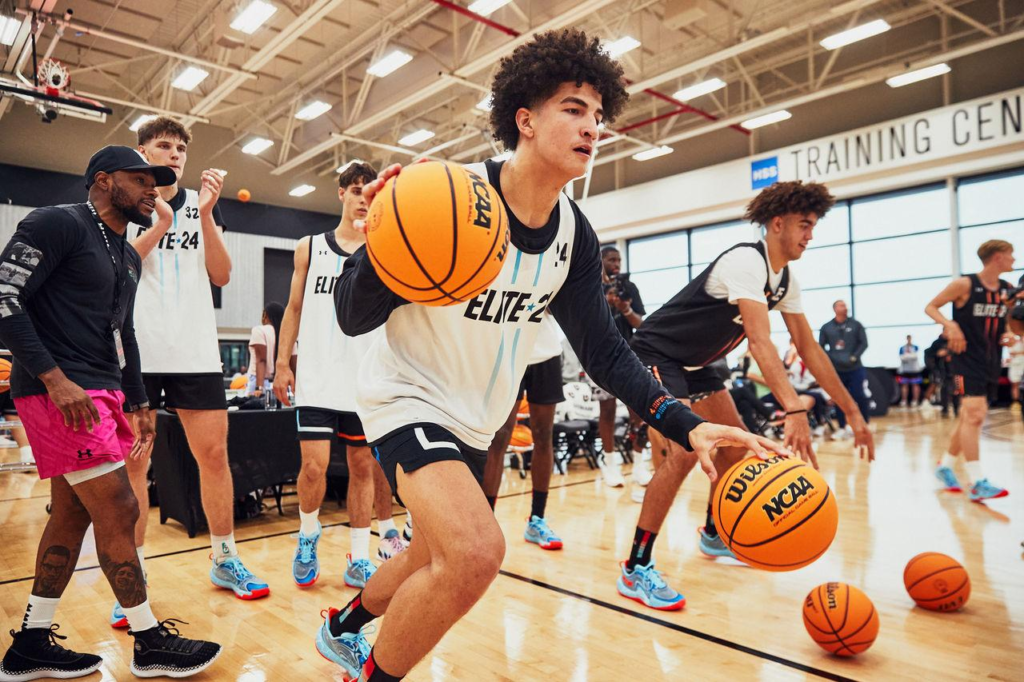
USA Basketball has significantly expanded its Youth & Sport Development initiatives, including coach education, regional camps, youth clinics, and national development pathways designed to improve long-term player growth rather than focusing only on elite competition.
This shift reflects an important realization:
- Basketball IQ matters as much as athletic ability.
- Decision-making develops through quality practice.
- Team concepts create better professionals.
- Healthy development reduces burnout and injuries.
The result is a generation that often enters college or professional basketball with a more complete understanding of spacing, passing, defensive rotations, and offensive reads.
Positionless Basketball Is Becoming the Standard
One of the clearest signs of basketball’s evolution is the disappearance of rigid positions.
Modern USA Basketball prospects are expected to:
- Handle the ball regardless of height.
- Defensively guard multiple positions.
- Shoot consistently from long range.
- Pass under pressure.
- Read defenses quickly.
Instead of developing “point guards” or “power forwards” exclusively, many youth coaches now prioritize complete basketball players.
This mirrors what successful NBA organizations increasingly value.
A six-foot-eight forward who can initiate offense is no longer considered unusual. Likewise, taller centers are expected to stretch the floor, switch defensively, and facilitate ball movement.
Young athletes entering USA Basketball programs often begin developing these versatile skills much earlier than previous generations.
International Competition Has Raised the Standard
America remains one of basketball’s strongest nations, but the competitive gap has narrowed considerably.
Countries across Europe, Australia, Canada, Africa, and South America continue investing heavily in player development.
Instead of viewing international tournaments as routine victories, USA Basketball increasingly treats them as valuable learning opportunities.
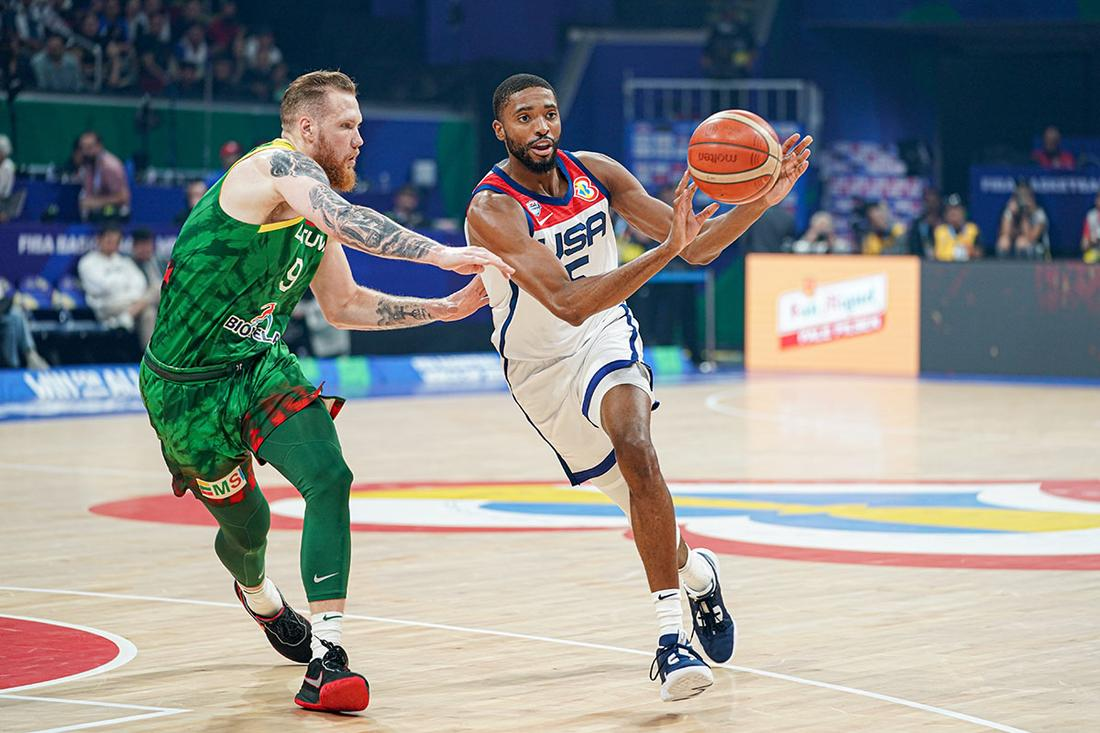
Recent U17 and junior national teams compete against highly disciplined opponents whose systems emphasize passing, spacing, and tactical execution.
That experience benefits American players by exposing them to multiple playing styles before reaching college or professional basketball.
USA recently captured its eighth consecutive FIBA U17 Basketball World Cup title, extending an unbeaten record in tournament history while continuing to test young players against elite international competition.
Why Basketball IQ Is Becoming More Valuable
Today’s basketball moves faster than ever.
Teams rely on:
- Quick reads.
- Efficient shot selection.
- Defensive communication.
- Off-ball movement.
- Transition decision-making.
Players who process information rapidly often outperform athletes who rely solely on physical gifts.
USA Basketball development programs increasingly incorporate film study, tactical instruction, leadership training, and decision-making exercises alongside traditional skill work.
For example, many youth national team camps now include classroom sessions covering NCAA eligibility, leadership, and life skills in addition to on-court instruction.
That holistic approach better prepares athletes for the responsibilities they’ll face at higher competitive levels.
The Growing Importance of Smart Player Development
Perhaps the biggest lesson emerging from today’s youth system is that more basketball is not always better basketball.
USA Basketball and the NBA jointly recommend age-appropriate participation, scheduled rest, delayed single-sport specialization until at least age 14, and development models that prioritize health alongside performance.
Their guidelines encourage:
- Regular recovery periods.
- Appropriate game volume.
- Multiple-sport participation during childhood.
- Healthy sleep habits.
- Progressive skill development.
These recommendations reflect growing evidence that overtraining and excessive competition can increase injury risk and reduce long-term enjoyment of the sport.
Technology Is Changing How Young Players Improve
Another defining feature of USA Basketball’s next generation is access to technology.
Young athletes now regularly use:
- Video analysis.
- Shot-tracking systems.
- Wearable performance devices.
- Advanced strength testing.
- Digital scouting reports.
Rather than relying solely on intuition, coaches can measure shooting consistency, workload, movement efficiency, and recovery.
Technology does not replace coaching, but it provides objective information that helps players improve more efficiently.
For example, shooting mechanics can be analyzed frame by frame, allowing coaches to correct habits before they become ingrained.
Strength coaches can also better monitor workloads to reduce injury risks during demanding tournament schedules.
Leadership Is Becoming a Core Basketball Skill
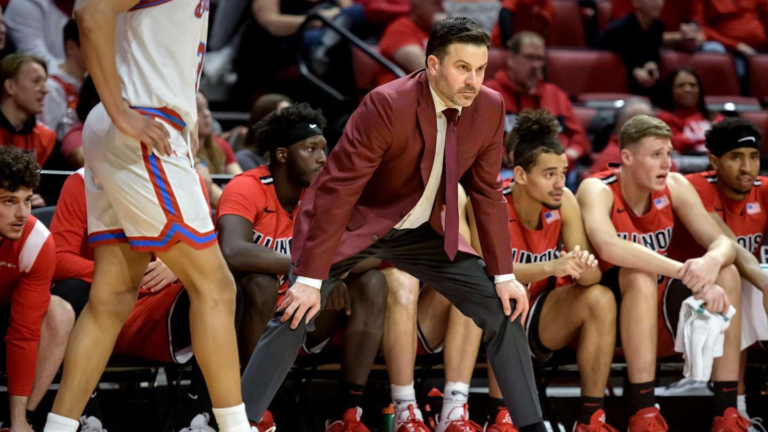
Elite talent alone rarely determines long-term success in USA Basketball. Coaches increasingly look for athletes who communicate effectively, adapt during games, and elevate teammates. Leadership is no longer reserved for point guards or veteran players—it is expected across the roster.
National team camps often place athletes in situations that require collaboration, accountability, and quick problem-solving. These experiences prepare players for college programs, professional organizations, and international tournaments where chemistry can be just as important as individual ability.
A practical example is how many successful youth teams rotate leadership responsibilities during practices or scrimmages. Allowing different players to lead huddles, defensive calls, or film discussions helps build confidence while strengthening team culture.
The College Path Is Evolving
College basketball remains an important step for many USA Basketball athletes, but the journey looks different than it did a decade ago.
The introduction of Name, Image, and Likeness (NIL) opportunities and the transfer portal has given athletes greater flexibility when making career decisions. Rather than choosing a school based only on tradition, many prospects now evaluate coaching fit, player development, academic support, and playing opportunities.
For USA Basketball participants, international experience often provides an advantage before they even arrive on campus. Competing against elite global competition develops maturity, resilience, and confidence that translates well into NCAA basketball.
Why Fans Should Watch the Next Generation Closely
Many future NBA stars first gain national recognition through USA Basketball programs. Watching these teams offers a glimpse of where the sport itself is heading.
Several trends stand out:
- More versatile athletes capable of playing multiple positions.
- Greater emphasis on teamwork over individual statistics.
- Improved shooting across nearly every position.
- Better defensive communication and switching.
- Increased focus on long-term athlete health.
For basketball fans, these developments make youth and international tournaments more meaningful than ever before. They reveal not only tomorrow’s stars but also the strategic direction of the game itself.
What This Means for the Future of American Basketball
America’s basketball identity is evolving without abandoning its strengths.
Athleticism remains an important advantage, but it is increasingly paired with technical skill, tactical awareness, and global experience.
Future USA Basketball teams are likely to feature players who:
- Can score from multiple areas of the floor.
- Defend multiple positions.
- Make faster decisions under pressure.
- Understand sophisticated offensive systems.
- Adapt quickly to different international playing styles.
These qualities should help American basketball remain highly competitive while continuing to evolve alongside the rapidly improving global game.
Frequently Asked Questions
1. What is USA Basketball?
USA Basketball is the national governing body responsible for selecting and developing men’s and women’s national basketball teams in the United States.
2. Why is the next generation receiving so much attention?
Young players are entering higher levels of competition with broader skill sets, improved basketball IQ, and more international experience than previous generations.
3. How does USA Basketball develop young athletes?
Through regional camps, youth clinics, junior national teams, coaching education, and structured development programs that emphasize both skills and character.
4. What does “positionless basketball” mean?
It refers to players developing multiple skills regardless of height or traditional positions, allowing greater versatility on both offense and defense.
5. How important is international competition?
International tournaments expose athletes to different playing styles, improving adaptability, teamwork, and tactical understanding.
6. Does technology really improve player development?
Yes. Video analysis, performance tracking, and sports science help coaches make more informed decisions about training, recovery, and skill improvement.
7. Are youth players specializing too early?
Many experts recommend delaying full specialization because participating in multiple sports can improve overall athletic development and reduce injury risk.
8. How does USA Basketball influence future NBA talent?
Many NBA players gain valuable experience through USA Basketball’s youth national teams before reaching college or professional basketball.
9. What qualities define today’s top young American players?
Versatility, shooting ability, basketball intelligence, defensive flexibility, leadership, and adaptability.
10. What should parents and young athletes learn from these trends?
Long-term development, quality coaching, balanced training, and consistent skill improvement are generally more valuable than chasing early recognition.
About the Author