Basketball in 2026 continues evolving through advanced analytics, positionless play, sports science, player development, and changing fan experiences. Professional, college, and youth programs increasingly rely on technology while maintaining a focus on fundamentals. Understanding these trends helps players improve, coaches adapt strategies, parents support development, and fans better appreciate how today’s game is changing both on and off the court.
Basketball Is Entering Another Era
Basketball has always evolved. The introduction of the three-point line, the rise of international talent, improvements in conditioning, and the widespread use of analytics have each reshaped how the sport is played. In 2026, those changes are accelerating rather than slowing down.
Today’s game is influenced by technology, data analysis, global player development, improved training methods, and an increasingly informed fan base. Whether someone watches the NBA, WNBA, NCAA basketball, high school competitions, or local youth leagues, many of the same trends appear across every level.
For players, success now requires versatility. For coaches, strategic flexibility has become essential. For organizations, identifying talent goes well beyond traditional statistics. Meanwhile, fans enjoy unprecedented access to detailed analysis, advanced metrics, and behind-the-scenes content that creates a deeper understanding of the sport.
Several respected organizations—including the NBA, NCAA, USA Basketball, and sports science researchers—continue publishing data showing how pace, spacing, player workload management, and shooting efficiency have transformed modern basketball over the past decade.
Positionless Basketball Continues to Redefine Roles
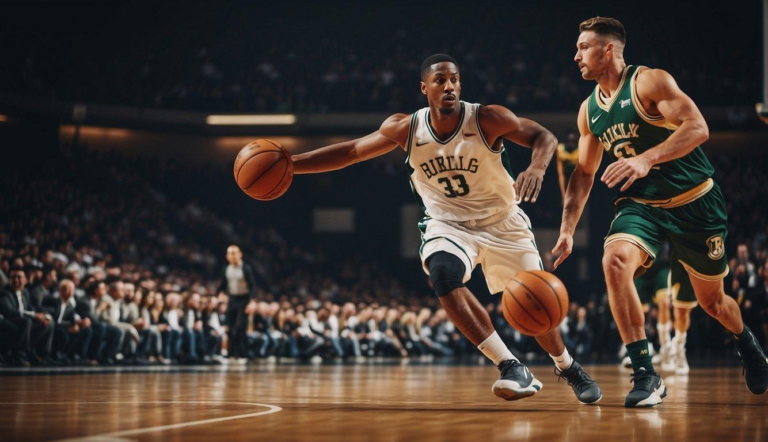
One of the biggest basketball trends in 2026 is the continued move toward positionless basketball.
Traditional labels such as point guard, shooting guard, small forward, power forward, and center still exist, but coaches increasingly emphasize skills over position.
Modern players are expected to:
- Handle the basketball
- Defensively guard multiple positions
- Shoot from long range
- Make quick passing decisions
- Switch seamlessly during defensive possessions
Instead of assigning rigid responsibilities, coaches often build offensive systems around versatility.
For example, taller players are now frequently developing guard skills at an early age, while smaller guards spend more time strengthening their defensive versatility and rebounding ability.
This flexibility creates lineups capable of adapting to different opponents without making wholesale substitutions.
Three-Point Shooting Has Matured Beyond Volume
Several years ago, conversations centered on simply attempting more three-pointers.
In 2026, the discussion has shifted toward taking better three-point shots.
Analytics departments evaluate:
- Shot quality
- Defender distance
- Ball movement before the shot
- Catch-and-shoot efficiency
- Off-the-dribble accuracy
- Expected points per possession
Rather than encouraging every player to shoot frequently from long range, coaching staffs emphasize selecting efficient opportunities within offensive systems.
Elite teams increasingly prioritize spacing, movement, and timing instead of relying solely on high-volume perimeter shooting.
This evolution has produced offenses that appear more balanced while remaining highly efficient.
Sports Science Is Becoming Part of Everyday Basketball
Player availability often determines team success across long seasons.
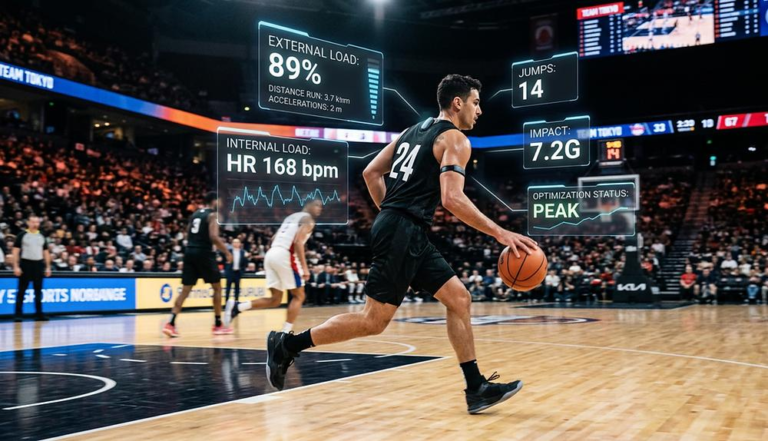
As a result, sports science has become an essential component of modern basketball.
Teams now monitor factors including:
- Training load
- Recovery time
- Sleep quality
- Nutrition
- Hydration
- Injury risk indicators
- Jump counts
- Sprint intensity
Wearable technology and performance tracking help medical staffs identify potential fatigue before injuries occur.
Load management has also become more individualized. Instead of applying broad rest strategies, organizations increasingly tailor recovery plans based on player history, age, travel schedules, and workload.
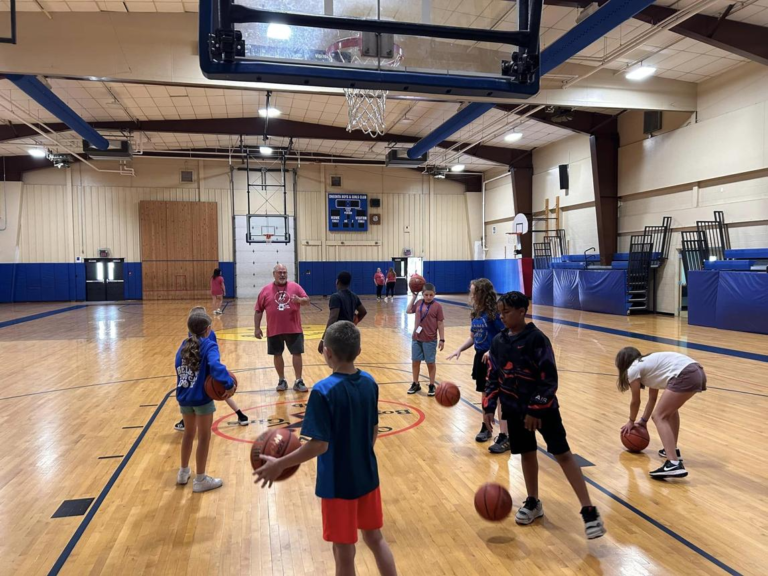
Youth programs are also adopting safer training practices by reducing year-round overuse while encouraging multi-sport participation for younger athletes.

Player Development Starts Earlier—and Looks Different
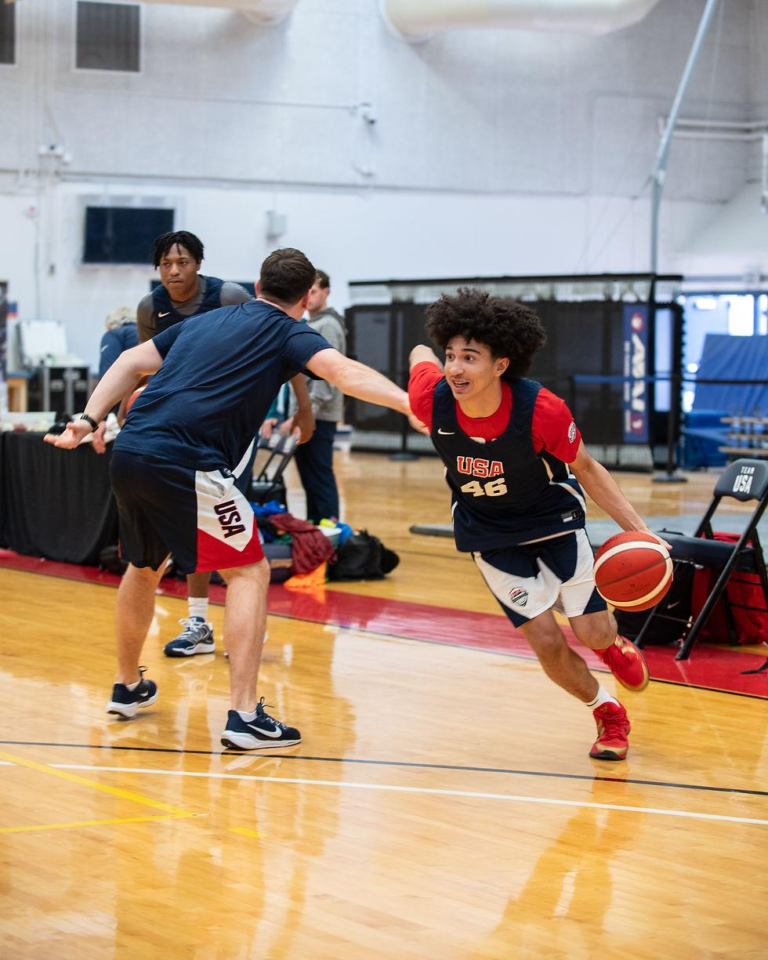
Young athletes now have access to training resources that previous generations rarely experienced.
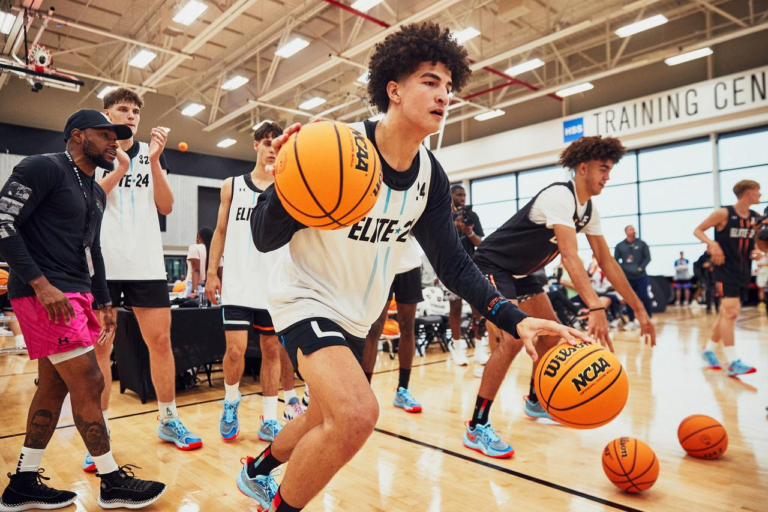
Video analysis, online coaching, specialized skill trainers, and year-round development opportunities have significantly changed player preparation.
However, many experienced coaches continue emphasizing that fundamentals remain the foundation of long-term success.
The most effective development programs typically prioritize:
- Footwork
- Defensive positioning
- Passing decisions
- Basketball IQ
- Finishing through contact
- Communication
- Consistency
Instead of focusing exclusively on highlight plays, successful athletes spend countless hours mastering basic skills that consistently translate to higher levels of competition.
Analytics Continue Influencing Coaching Decisions
Advanced statistics have become standard tools rather than niche resources.
Today’s coaching staffs frequently analyze metrics beyond points, rebounds, and assists.
Common areas of evaluation include:
- Offensive rating
- Defensive rating
- Effective field goal percentage
- Turnover percentage
- Lineup efficiency
- Transition scoring
- Rim protection
- Defensive matchup success
Importantly, analytics rarely replace coaching judgment.
Instead, successful organizations combine statistical insights with film study, player communication, and firsthand observation.
This balanced approach allows coaches to make informed decisions while recognizing that numbers cannot fully measure leadership, chemistry, or competitive resilience.
Defensive Strategy Has Become More Dynamic
While offense often receives the most attention, defensive innovation remains one of basketball’s fastest-changing areas.
Teams increasingly emphasize:
- Switching defensive assignments
- Rotational versatility
- Help-side communication
- Closing out without fouling
- Limiting transition opportunities
- Protecting the paint while contesting perimeter shots
Rather than relying on a single defensive system, many coaches prepare multiple approaches depending on opponent tendencies.
Video scouting allows teams to identify offensive patterns with remarkable detail, leading to highly customized defensive game plans.
International Basketball Continues Expanding Its Influence
Basketball’s global growth remains one of the sport’s defining developments.
Players from Europe, Africa, Australia, Canada, South America, and Asia continue contributing significantly across professional leagues.
International coaching philosophies have introduced greater emphasis on:
- Ball movement
- Team spacing
- Passing creativity
- Decision-making
- Skill development for all positions
Meanwhile, American basketball continues influencing global athleticism, pace, and individual skill training.
The result is a richer international exchange of playing styles that benefits the sport worldwide.
Women’s Basketball Continues Building Momentum
Women’s basketball continues experiencing remarkable growth in visibility, attendance, youth participation, television audiences, and sponsorship opportunities.
Professional and collegiate programs have attracted increased investment while producing highly skilled athletes whose games emphasize teamwork, spacing, and technical excellence.
More young players now have role models competing on national television, encouraging broader participation across youth basketball.
The continued success of women’s basketball represents one of the sport’s most significant long-term developments.
Technology Is Changing Coaching and Fan Engagement
Technology influences nearly every aspect of basketball.
Teams increasingly utilize:
- AI-assisted video breakdowns
- Automated performance tracking
- Digital playbooks
- Virtual scouting reports
- Motion capture analysis
- Shot tracking systems
Fans also benefit through enhanced broadcasts featuring advanced statistics, player tracking graphics, interactive viewing experiences, and deeper tactical analysis.
Social media platforms have further expanded access to coaching clinics, player interviews, and instructional content.
The result is a more informed basketball community at every level.
Mental Performance Is Receiving Greater Attention
Basketball places enormous psychological demands on athletes.
Pressure situations, travel schedules, performance expectations, injuries, and constant evaluation can affect confidence and consistency.
Many organizations now include mental performance specialists who help athletes develop:
- Focus routines
- Stress management
- Confidence under pressure
- Communication skills
- Emotional regulation
- Competitive resilience
Mental preparation is increasingly viewed as another trainable skill rather than an overlooked aspect of performance.
NIL and College Basketball Continue Evolving
Name, Image, and Likeness (NIL) opportunities continue reshaping college basketball.
Student-athletes increasingly balance athletic development with personal branding, partnerships, financial literacy, and media responsibilities.
Coaches now recruit not only athletic talent but also maturity, adaptability, and leadership.
As NCAA policies continue evolving, schools are investing more resources into athlete education, compliance, and long-term career preparation.
What Parents, Players, and Coaches Should Prioritize
The rapid evolution of basketball can make it tempting to chase every new trend.
However, experienced coaches consistently recommend balancing innovation with timeless fundamentals.
Players benefit most by:
- Developing complete skill sets
- Improving basketball IQ
- Prioritizing health and recovery
- Learning multiple positions
- Building consistent shooting mechanics
- Becoming dependable teammates
- Studying game film
- Maintaining long-term development goals
Coaches should remain open to new technologies while remembering that communication, teaching ability, and leadership remain essential.
Parents can best support young athletes by encouraging enjoyment of the game, gradual improvement, academic success, and healthy competition rather than early specialization alone.
Frequently Asked Questions
1. What is the biggest basketball trend in 2026?
The continued rise of versatile, positionless basketball remains one of the sport’s defining trends, allowing players to contribute in multiple ways regardless of traditional positions.
2. Is three-point shooting still the most important offensive strategy?
Three-point shooting remains valuable, but teams increasingly focus on shot quality, spacing, and offensive efficiency rather than simply attempting more perimeter shots.
3. How has analytics changed coaching?
Analytics help coaches evaluate efficiency, lineup combinations, defensive effectiveness, and player performance while complementing traditional scouting and film review.
4. Why is sports science becoming more important?
Sports science helps reduce injury risk, improve recovery, manage workloads, and maximize player availability throughout long seasons.
5. Are traditional basketball positions disappearing?
Traditional positions still exist, but many teams now prioritize versatile skill sets that allow players to perform multiple roles.
6. How is technology improving basketball training?
Technology provides video analysis, motion tracking, shooting data, wearable performance monitoring, and AI-assisted coaching tools that improve player development.
7. Why is women’s basketball growing so quickly?
Increased media exposure, higher competition levels, improved investment, and expanding youth participation have all contributed to sustained growth.
8. Should young players specialize in one position?
Many development experts recommend learning multiple positions early because versatility often creates more opportunities as competition increases.
9. What skills matter most for future basketball players?
Basketball IQ, shooting consistency, defensive versatility, decision-making, conditioning, communication, and adaptability remain highly valuable.
10. Will analytics replace traditional coaching?
No. Analytics provide valuable information, but successful coaching still depends on leadership, teaching, communication, and understanding individual players.
About the Author