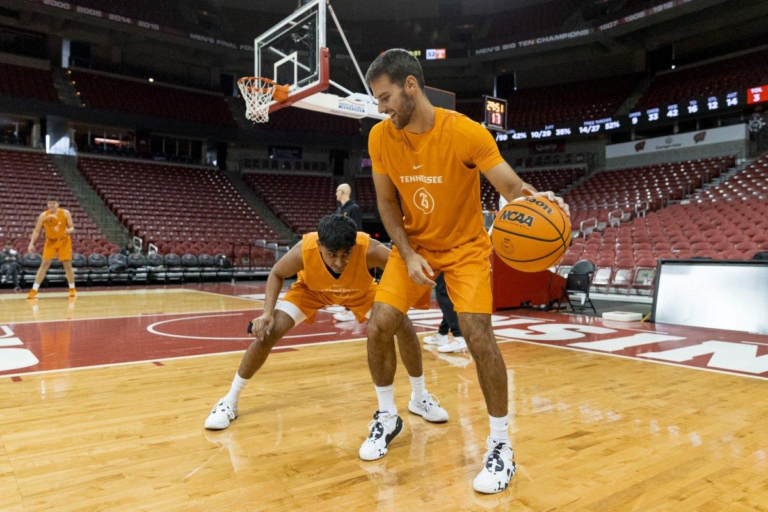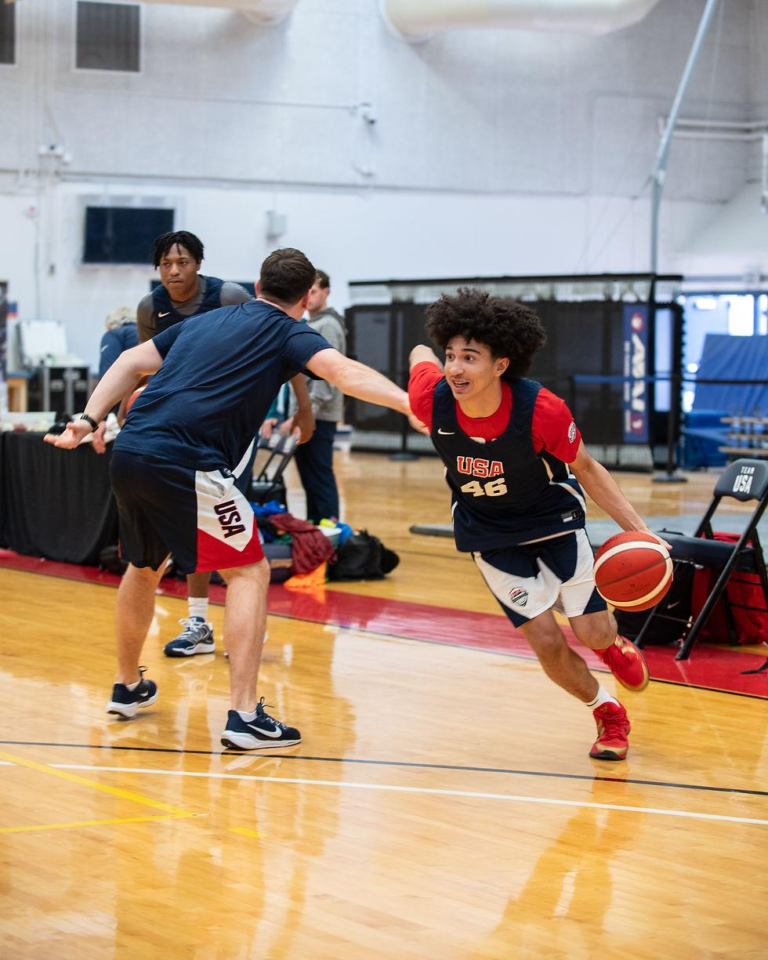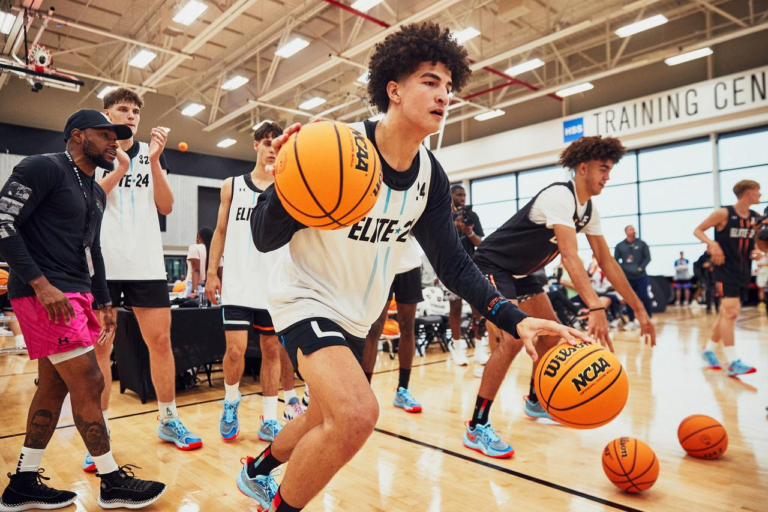
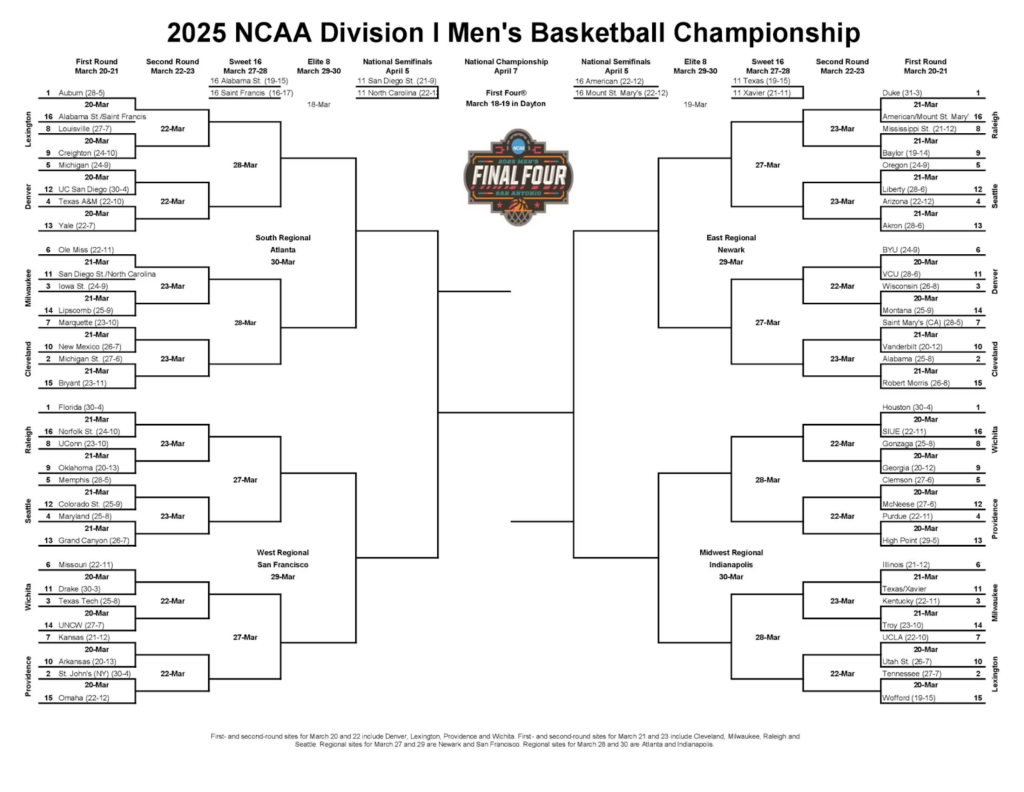
Every March, at least one underdog team shocks the NCAA tournament by defeating higher seeds and shattering bracket predictions nationwide. Historical data shows double-digit seeds consistently advance beyond early rounds, and some even reach the Final Four. This year’s tournament field again includes overlooked teams with strong guard play, defensive grit, and late-season momentum—key ingredients for the next unforgettable Cinderella story.
March Madness remains one of the most thrilling events in American sports not just because a champion is crowned, but because unknown programs suddenly rise to national fame.
Fans don’t just remember champions—they remember buzzer-beaters, improbable runs, and schools few people had even heard of before March suddenly defeating college basketball powerhouses. Entire campuses erupt, communities rally around unexpected heroes, and players become legends overnight.
The NCAA tournament’s magic lies in its unpredictability.
Every season, millions of fans fill out brackets believing they have cracked the code, only to watch early-round chaos dismantle their predictions. Office pools collapse by day two. Betting odds flip. Favorites fall.
And somewhere in the bracket, an underdog team begins a run nobody saw coming.
So the question emerges again:
Is this the year we see the next unforgettable Cinderella story?
Let’s break down why these upsets happen, what signs fans should watch for, and how underdogs continue to rewrite tournament history year after year.
Why March Madness Creates Perfect Conditions for Upsets
Unlike professional basketball playoffs, which are decided in best-of-seven series, the NCAA tournament is single elimination.
That difference changes everything.
One cold shooting night. One injury. One hot underdog performance. That’s all it takes for a top seed’s championship hopes to vanish.
College athletes, many of whom are 18 to 22 years old, experience tournament pressure intensely. Momentum swings quickly, emotions run high, and confidence can flip outcomes.
Key tournament dynamics that fuel chaos include:
• Single-game elimination leaves no room for recovery
• Short preparation time prevents detailed scouting adjustments
• Neutral arenas remove true home-court advantage
• Momentum shifts influence young teams dramatically
• Unfamiliar matchups create strategic surprises
Unlike professional leagues, talent gaps in college basketball are smaller than people assume. Experienced mid-major teams often feature older, cohesive lineups capable of challenging elite programs.
That’s why surprises are not exceptions in March—they’re expectations.
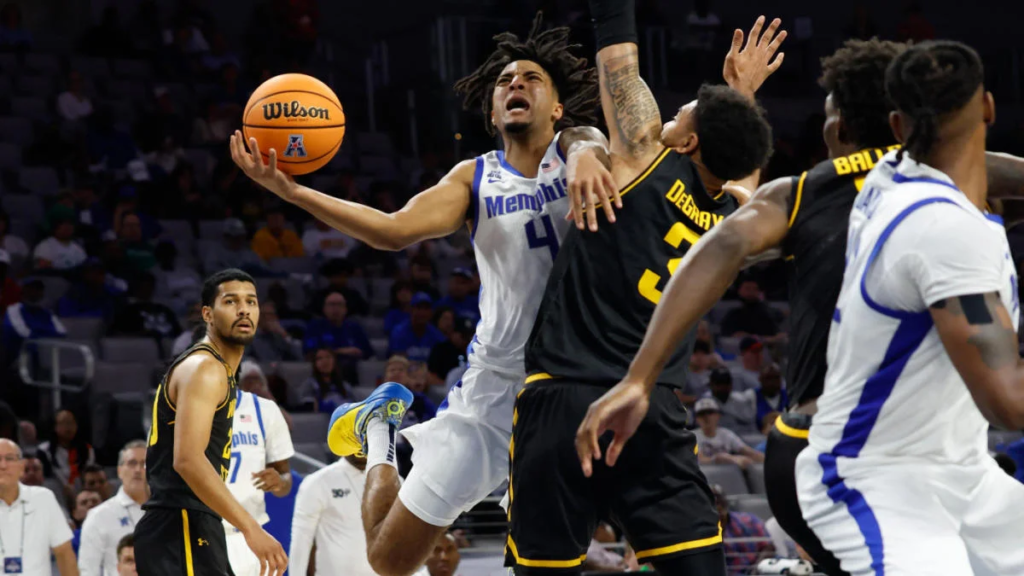
What Defines a Cinderella Team?
A Cinderella team is typically a lower-seeded program that unexpectedly advances deep into the NCAA tournament by defeating multiple higher-ranked opponents.
These runs are rarely accidental.
Common Cinderella traits include:
• Fearless style of play with nothing to lose
• Strong leadership from experienced upperclassmen
• Excellent guard play under pressure
• Defensive intensity that disrupts favorites
• Momentum entering the tournament
Underdogs often rely on teamwork, chemistry, and discipline rather than elite athleticism. Many players on these teams were overlooked by major programs, giving them motivation to prove themselves on the biggest stage.
And once confidence builds, anything becomes possible.
Historical Cinderella Runs Prove Anything Can Happen
Tournament history is filled with unforgettable underdog stories.
Several legendary Cinderella runs include:
• Villanova winning the national championship in 1985 as an eighth seed
• George Mason reaching the Final Four in 2006
• VCU storming from the First Four to the Final Four in 2011
• Loyola Chicago captivating the nation in 2018
• Florida Atlantic reaching the Final Four in 2023
In each case, teams entered overlooked and left as legends.
These moments become part of tournament folklore because they remind fans that games are won on the court—not on paper.
Guard Play: The Secret Weapon of Tournament Underdogs
Ask veteran coaches and analysts, and most agree: tournaments are often decided by guards.
Guards control tempo, handle pressure defense, and make late-game decisions. When games tighten in the final minutes, experienced backcourt players become invaluable.
Qualities that strong tournament guards share include:
• Low turnover rates under pressure
• Reliable free-throw shooting late in games
• Confidence handling defensive traps
• Ability to create scoring opportunities
When underdogs have guards capable of controlling the pace, they neutralize talent gaps against higher seeds.
Many Cinderella teams relied heavily on elite guard leadership.
Defense: The Equalizer in Tournament Basketball
Flashy offenses grab headlines, but defense wins upsets.
Underdogs rarely overwhelm opponents offensively, but they can frustrate them defensively. Strong defense disrupts rhythm, creates turnovers, and keeps games close.
Defensive strengths common among upset teams include:
• Aggressive perimeter pressure
• Strong rebounding fundamentals
• Ability to slow elite offenses
• Communication and discipline
When favorites struggle to score comfortably, pressure shifts quickly—and underdogs thrive.
Momentum Matters Entering March
Teams peaking late in the season often outperform expectations.
Confidence builds when squads enter tournaments on winning streaks or strong conference tournament performances.
Signs an underdog may be ready include:
• Late-season wins against top opponents
• Strong performance in conference tournaments
• Improved defensive consistency
• Clutch performances in close games
Meanwhile, warning signs for favorites include injuries, inconsistent offense, or late-season losses.
Momentum matters in elimination environments.
Why Fans Love Cinderella Stories
Ask longtime basketball fans about their favorite tournament memories, and many recall underdog runs rather than championships.
Fans remember:
• Last-second buzzer-beaters
• Unknown players becoming national heroes
• Small schools shocking giants
• Entire communities celebrating unexpected success
Cinderella stories unite campuses and cities, creating memories that last generations.
These stories capture why sports remain emotionally powerful.
Practical Advice for Filling Out Your Bracket
Fans trying to predict tournament outcomes should balance logic with calculated risk.
Helpful strategies include:
• Avoid picking favorites in every matchup
• Study defensive rankings and guard play
• Monitor conference tournament performances
• Evaluate coaching experience
• Consider close-game records
Tournament success often depends more on matchups than rankings.
Smart bracket predictions combine research with intuition.
Why Upsets Will Continue to Define March Madness
The NCAA tournament format ensures unpredictability will remain part of its identity.
Young athletes play with passion, desperation, and belief. Talent gaps shrink when teams execute well under pressure.
Every season presents opportunity for unknown teams to seize national attention.
The real question isn’t whether an upset will occur—it’s which team will capture the spotlight this time.
Because someone always does.
Key Takeaways for Fans
To summarize the most important insights:
• Single-elimination format creates unpredictability
• Guard play often determines tournament success
• Defense fuels underdog victories
• Momentum entering March matters greatly
• Cinderella runs happen nearly every year
Expect surprises. History says they’re coming.
Final Thoughts: Prepare for Another Wild March
Every year, brackets crumble, favorites fall, and underdogs rise.
That unpredictability is precisely why millions tune in every March.
This year’s tournament will almost certainly produce another Cinderella story—another unknown team that suddenly captures national attention.
And when that happens, fans everywhere will once again be reminded why March Madness remains unmatched in sports drama.
Because in March, anything truly is possible.

Frequently Asked Questions About March Madness Cinderella Stories
1. What is a Cinderella team in March Madness?
Ans. A Cinderella team is a lower-seeded school that unexpectedly advances deep into the NCAA tournament by defeating higher-ranked opponents.
2. How often do Cinderella teams reach the Final Four?
Ans. While uncommon, multiple double-digit seeds have reached the Final Four over the past two decades, proving it remains possible.
3. Which seeds create the most upsets?
Ans. Historically, 11th and 12th seeds frequently upset higher seeds in early rounds.
4. Why do top seeds sometimes lose early?
Ans. Single-elimination pressure, poor shooting nights, and matchup disadvantages often lead to surprises.
5. Do mid-major schools have advantages in March Madness?
Ans. Yes. Experienced players and strong team chemistry often help mid-major programs compete with larger schools.
6. What statistics predict tournament success best?
Ans. Defensive efficiency, turnover control, and strong guard play correlate strongly with success.
7. Can a Cinderella team win the national championship?
Ans. It is rare but possible. Lower seeds have occasionally reached championship games and won titles.
8. Why are Cinderella stories so memorable?
Ans. They represent hope, unpredictability, and the thrill of underdogs succeeding against expectations.
9. Should fans pick multiple upsets in their brackets?
Ans. Yes, but balancing risk with logical matchups improves chances of success in bracket pools.
10. What should fans watch for in early tournament games?
Ans. Momentum swings, guard control, and defensive intensity often signal potential upset teams.
About the Author