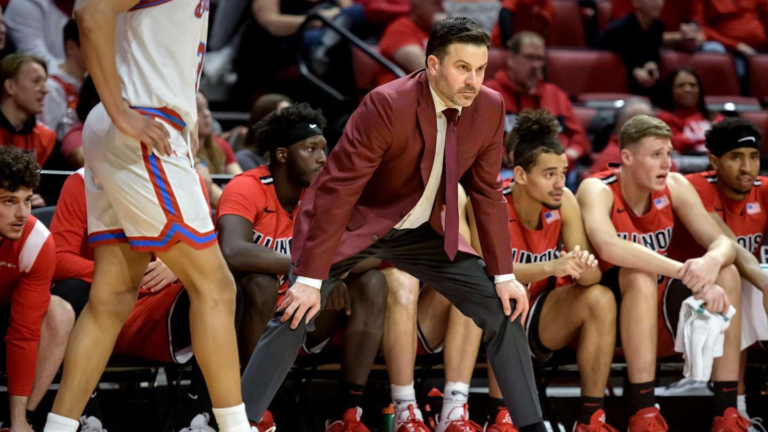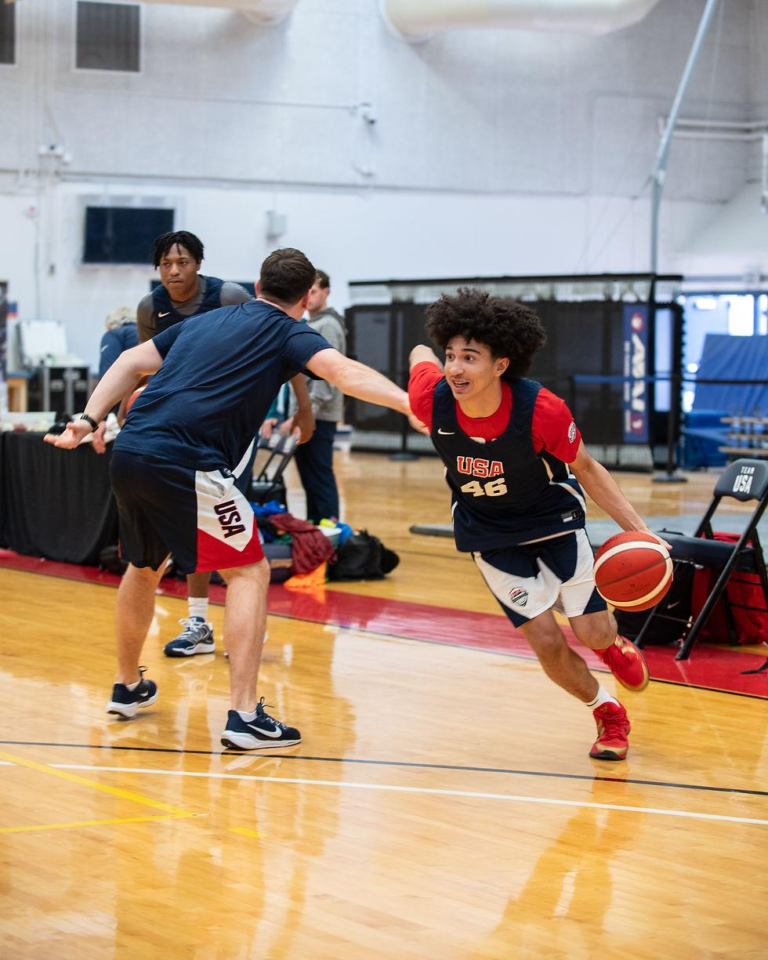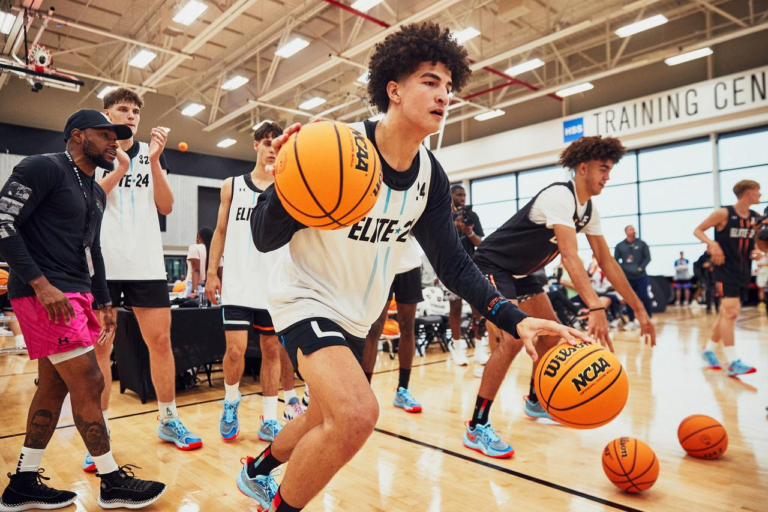
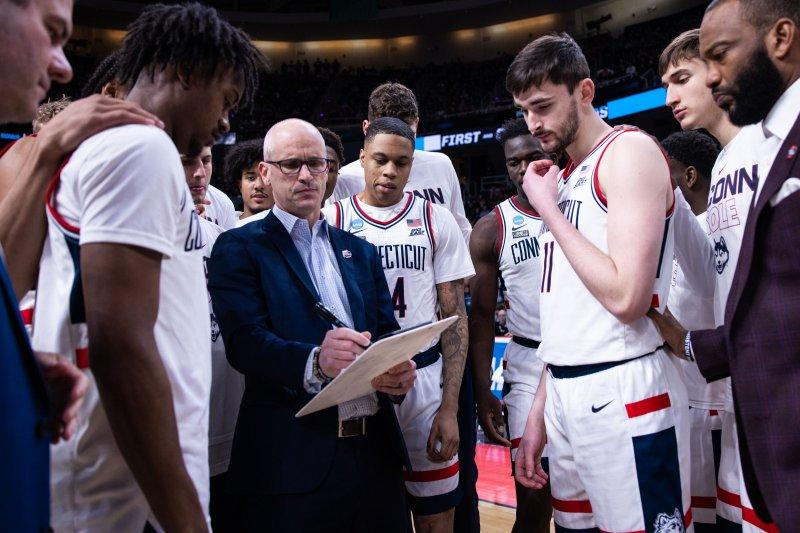
NCAA basketball is undergoing one of the most significant transformations in its history. The transfer portal, NIL opportunities, and changing recruiting dynamics have altered how successful programs build winning teams. Coaches are no longer relying solely on traditional recruiting pipelines. Instead, they are combining high school talent, transfer acquisitions, player development, and roster management strategies to remain competitive in a rapidly evolving environment.
Introduction
For decades, the formula for success in NCAA basketball seemed relatively straightforward. Recruit elite high school prospects, develop them over multiple seasons, build team chemistry, and compete for conference titles and NCAA Tournament success.
That model still exists, but it is no longer sufficient on its own.
The emergence of the transfer portal, expanded athlete mobility, and the introduction of Name, Image, and Likeness (NIL) opportunities have fundamentally changed how programs operate. Coaches now function as talent evaluators, roster architects, relationship managers, and strategic planners simultaneously.
Programs that adapt quickly are finding success. Those relying exclusively on old methods are discovering how difficult it has become to maintain consistency.
The modern era of college basketball rewards flexibility, roster balance, and continuous talent evaluation more than ever before.
Why NCAA Basketball Is Experiencing Such Dramatic Change
The NCAA transfer portal has become one of the most influential forces in college sports.
Players now have significantly greater freedom to transfer between programs, often without sitting out a season. Combined with NIL opportunities, athletes possess more control over their careers than previous generations.
As a result, coaches face a constantly shifting talent marketplace.
A roster that appears stable in March can look entirely different by June.
Programs must now recruit in three distinct areas:
- High school prospects
- Transfer portal athletes
- Existing players already on the roster
Retention has become nearly as important as recruiting.
Many coaches now describe roster management as a year-round responsibility rather than an offseason activity.
The Rise of the Transfer Portal as a Team-Building Tool
One of the biggest questions fans ask is:
Can teams still win primarily through traditional recruiting?
The answer is yes—but increasingly, the most successful programs blend recruiting with strategic transfer additions.
Recent NCAA Tournament contenders have demonstrated that experienced transfers can provide immediate value in ways freshmen often cannot.
Transfers frequently arrive with:
- College-level game experience
- Physical maturity
- Proven production
- Leadership capabilities
- Familiarity with high-pressure environments
Programs can fill specific roster gaps much faster through transfers than by waiting several years for younger players to develop.
For example, a team needing perimeter shooting, rim protection, or veteran ball-handling may target experienced transfers who can contribute immediately.
This approach reduces uncertainty and accelerates competitive timelines.
Why Player Development Still Matters More Than Many People Think
Despite the attention given to the transfer portal, player development remains one of the strongest indicators of long-term program success.
Programs consistently competing at the highest levels continue to invest heavily in:
- Skill development
- Strength training
- Sports science
- Nutrition
- Mental performance coaching
- Film analysis
The difference is that development now occurs alongside roster movement rather than replacing it.
Successful coaches understand that transfers often require development too.
A player averaging eight points at a mid-major school may become a double-digit scorer in a different system. Likewise, highly recruited freshmen still need coaching to reach their potential.
Programs that combine strong development systems with smart portal acquisitions are creating sustainable competitive advantages.
How Elite Programs Are Balancing Freshmen and Transfers
One challenge facing coaches is determining the right mix of roster experience.
Too many freshmen can create inconsistency.
Too many transfers can limit long-term chemistry.
The most successful teams increasingly pursue balance.
A modern NCAA roster often includes:
- Impact freshmen
- Sophomores and juniors developed internally
- Veteran transfers
- Graduate transfers
- Experienced role players
This combination creates stability while maintaining flexibility.
Several Final Four teams in recent years have featured veteran-heavy rotations built around players with multiple years of college experience.
Experience often translates directly into:
- Better decision-making
- Lower turnover rates
- Defensive discipline
- Late-game execution
- Leadership under pressure
These qualities become especially important during March Madness.
What Coaches Are Really Looking For in Transfer Recruits
The public often focuses on scoring averages when evaluating transfers.
Coaches take a much broader view.
They analyze:
Basketball Fit
A player’s style must align with the team’s system.
Character and Culture
Locker room chemistry remains critical.
Adaptability
Can the player accept a different role?
Defensive Reliability
Many coaches prioritize defense over offensive statistics.
Durability
Availability remains one of the most valuable traits in college athletics.
A transfer who fits the culture and system often contributes more than a statistically impressive player who struggles to integrate.
This reality has made roster construction increasingly sophisticated.
The Growing Importance of Analytics
Data analytics now play a major role in college basketball decision-making.
Programs use advanced metrics to evaluate recruits, transfers, and game strategy.
Key analytical categories include:
- Offensive efficiency
- Defensive efficiency
- Shot quality
- Turnover percentage
- Rebounding rate
- Player impact metrics
- Lineup performance
Analytics help coaches identify players whose contributions may not appear in traditional box scores.
For example, a player averaging modest scoring numbers might rank exceptionally high in defensive impact or lineup efficiency.
Those hidden advantages can become critical during tournament play.
Many programs now employ dedicated analytics staff to support coaching decisions.
NIL’s Influence on Recruiting and Retention
Name, Image, and Likeness opportunities have added another layer of complexity.
NIL has not replaced coaching, culture, or development, but it has become a significant factor in decision-making.
Athletes increasingly evaluate:
- Playing opportunities
- Coaching relationships
- Academic support
- Development pathways
- NIL potential
Programs that effectively communicate value across all these areas often have stronger recruiting and retention outcomes.
Importantly, successful NIL strategies tend to complement strong basketball programs rather than substitute for them.
Players still want opportunities to compete, improve, and reach professional levels.
How Mid-Major Programs Are Adapting
One of the most fascinating developments involves mid-major schools.
Historically, these programs relied heavily on developing overlooked talent over several seasons.
Today, they face increased competition because successful players may transfer to larger programs.
However, many mid-majors have adapted effectively.
Their strategies often include:
- Recruiting undervalued prospects
- Identifying overlooked transfers
- Building strong developmental cultures
- Expanding scouting networks
- Leveraging analytics aggressively
Some programs have become exceptionally skilled at identifying talent before larger schools recognize it.
As a result, competitive balance remains stronger than many observers expected.
What Parents and Recruits Should Understand About the New Landscape
Families navigating college basketball recruitment face a much different environment than previous generations.
Many athletes focus heavily on rankings, social media attention, or NIL discussions.
Experienced coaches often emphasize different priorities.
Questions worth asking include:
- Will the player receive meaningful development?
- Does the coaching staff have a strong track record?
- Is there a clear pathway to playing time?
- How stable is the program?
- What academic support is available?
- How does the team culture function daily?
The best long-term outcomes often emerge from environments that prioritize development alongside opportunity.
Why Culture Has Become an Even Bigger Competitive Advantage
As player movement increases, culture becomes increasingly important.
Programs with strong cultures tend to:
- Retain players longer
- Integrate transfers more effectively
- Maintain accountability
- Develop leadership internally
- Navigate adversity successfully
Culture influences everything from offseason workouts to late-game performance.
Coaches frequently describe culture as the foundation that allows talent to flourish.
In an era of constant roster change, a strong culture provides continuity.
That continuity can become a significant competitive edge.
What NCAA Basketball May Look Like in the Next Five Years
While predicting the future is difficult, several trends appear likely to continue.
Programs will probably place even greater emphasis on:
- Sophisticated roster management
- Advanced analytics
- Transfer evaluation
- Retention strategies
- NIL infrastructure
- Player wellness programs
The distinction between recruiting and roster management will continue to blur.
Successful programs will likely resemble professional organizations in many operational areas while maintaining the educational mission of college athletics.
The teams that adapt most effectively will not necessarily be those with the largest budgets. Rather, they will be those capable of integrating talent acquisition, development, culture, and strategy into a unified system.

Frequently Asked Questions
1. What is the NCAA transfer portal?
The transfer portal is a database that allows student-athletes to indicate their intention to transfer schools, enabling other programs to recruit them.
2. Are transfers replacing high school recruiting?
No. Most successful programs continue recruiting high school athletes while strategically adding transfers to address specific roster needs.
3. How important is NIL in modern college basketball?
NIL is significant, but coaching, development, playing opportunities, and program culture remain highly influential factors.
4. Why are experienced players becoming more valuable?
Experience often improves decision-making, leadership, defensive consistency, and performance in high-pressure situations.
5. Do freshmen still make an immediate impact?
Yes. Elite freshmen continue to contribute significantly, though many teams now rely more heavily on experienced players.
6. How do coaches evaluate transfer players?
They assess basketball skills, system fit, character, leadership, durability, and cultural compatibility—not just statistics.
7. Are analytics changing recruiting?
Yes. Programs increasingly use advanced metrics to identify undervalued players and evaluate potential recruits more accurately.
8. Can mid-major programs still compete nationally?
Absolutely. Many mid-majors have adapted successfully through player development, analytics, and strategic recruiting.
9. What role does player development play today?
Development remains essential and often separates consistently successful programs from short-term contenders.
10. What is the biggest challenge for coaches today?
Managing roster continuity while balancing recruiting, retention, transfers, NIL considerations, and player development.
About the Author