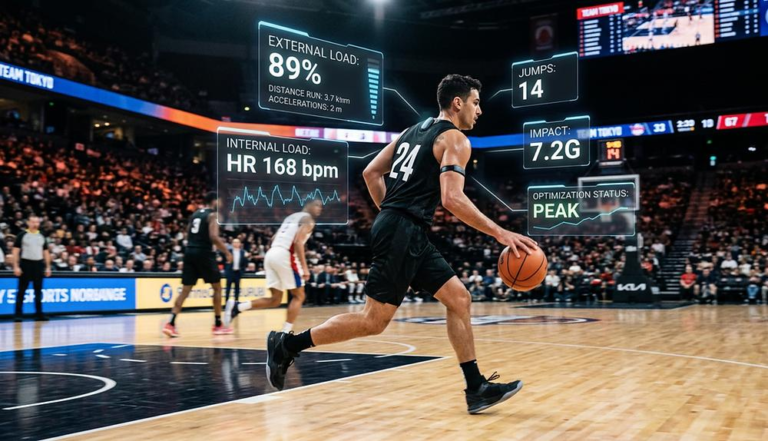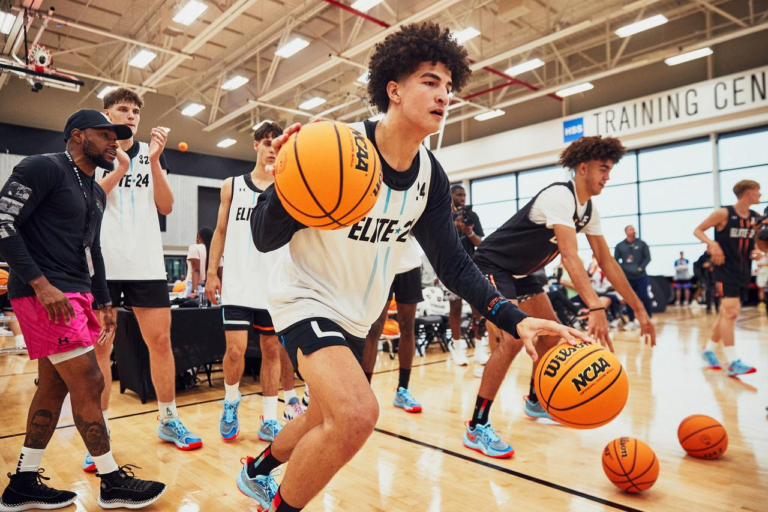
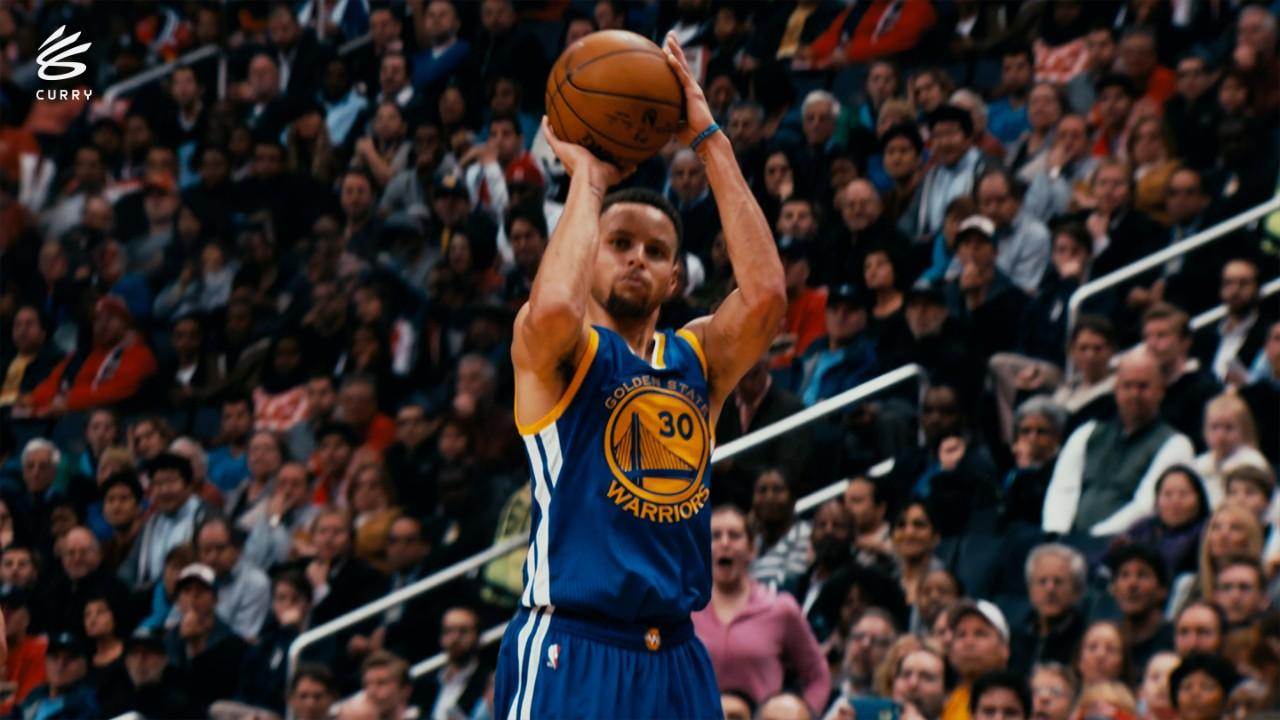
Basketball in America is undergoing significant transformation. Advances in analytics, player development, sports science, digital media, and fan engagement are changing how teams compete and how audiences consume the sport. From three-point-heavy offenses to personalized streaming experiences, modern basketball reflects broader technological and cultural shifts that are influencing every level of the game, from youth leagues to professional competition.
The Changing Face of American Basketball
Basketball has always evolved. The sport has moved from a post-dominated game to one emphasizing speed, spacing, and versatility. Yet the current period represents one of the most significant transitions in basketball history.
Across the United States, coaches, players, executives, broadcasters, and fans are adapting to new realities. Professional teams rely heavily on advanced analytics. Youth programs increasingly focus on skill versatility rather than rigid positions. Viewers consume games through streaming platforms, social media clips, and interactive digital experiences rather than traditional television alone.
These shifts are not isolated trends. Together, they are reshaping how basketball is taught, played, analyzed, marketed, and enjoyed.
Why Are Three-Point Shots Dominating Modern Basketball?
One of the most frequently searched basketball questions today is simple: Why does every team seem to shoot so many three-pointers?
The answer lies largely in efficiency.
Advanced statistical analysis has demonstrated that three-point shots often generate more expected value than mid-range attempts. Even when a team’s shooting percentage decreases slightly from longer distances, the additional point available on each successful shot frequently produces a higher overall scoring return.
The impact is visible across professional basketball. Teams now design offenses specifically to create open perimeter opportunities through spacing, ball movement, and player movement.
Modern offenses emphasize:
- Floor spacing
- Pick-and-roll actions
- Corner three-point opportunities
- Drive-and-kick passing
- Positionless offensive roles
Players who can consistently shoot from long range have become among the most valuable assets in the sport.
This strategic evolution has also influenced college basketball, high school programs, and youth development systems nationwide.
The Rise of Positionless Basketball
For decades, basketball positions were clearly defined.
Point guards handled the ball. Centers stayed near the basket. Power forwards operated primarily inside the paint.
That distinction is becoming increasingly blurred.
Today’s elite players often possess skills that traditionally belonged to multiple positions. A seven-foot player may initiate offense from the perimeter, while guards are expected to rebound, defend multiple positions, and contribute as playmakers.
Positionless basketball has emerged because versatility creates matchup advantages.
Modern coaches increasingly seek players who can:
- Guard multiple positions
- Handle the ball under pressure
- Shoot from distance
- Create offense
- Switch defensively
This flexibility allows teams to adapt more effectively during games and reduces the predictability of offensive and defensive schemes.
At the youth level, many development programs now encourage young athletes to learn all aspects of the game rather than specializing too early.
How Analytics Are Influencing Coaching Decisions
Few developments have transformed basketball more dramatically than data analytics.
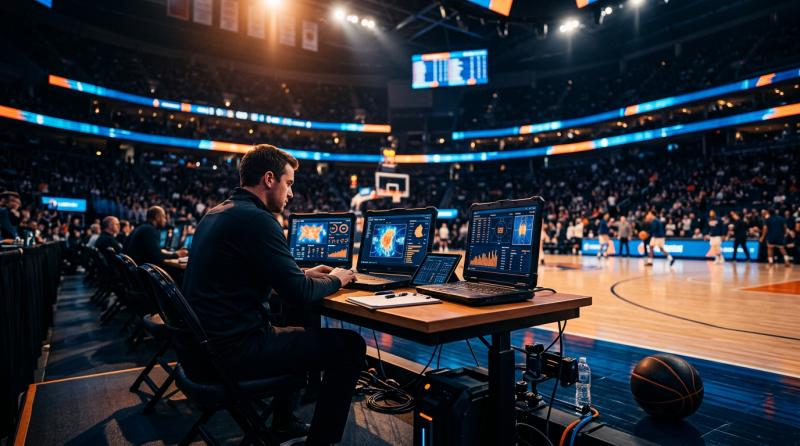
Professional franchises now employ entire departments dedicated to statistical analysis. Coaches and front offices use data to evaluate player performance, optimize lineups, and identify strategic advantages.
Analytics influence decisions involving:
- Shot selection
- Rotation management
- Defensive matchups
- Player workload
- Draft evaluations
- Free-agent acquisitions
For example, teams now understand which offensive actions generate the highest percentage scoring opportunities and which defensive alignments limit opponent efficiency most effectively.
The growing influence of analytics does not mean coaching intuition has disappeared. Rather, successful organizations combine quantitative analysis with experience-based decision-making.
The result is a more informed approach to strategy across all levels of basketball.
Sports Science Is Extending Careers
Modern basketball is not only becoming smarter strategically—it is becoming smarter physically.
Sports science has become a critical component of player development and performance management.
Professional organizations invest heavily in:
- Biomechanics analysis
- Recovery technology
- Sleep monitoring
- Nutrition planning
- Injury prevention programs
- Performance tracking systems
Many athletes now work with multidisciplinary teams that include trainers, nutritionists, physiotherapists, and performance specialists.
This scientific approach helps players maintain peak performance longer than many previous generations.
The impact is particularly visible among veteran athletes who continue competing at elite levels well into their thirties and beyond.
Sports science is also filtering into college programs, elite high schools, and youth academies throughout the United States.

The Growth of Skills-Based Development
Basketball development philosophies have changed significantly over the past decade.
Historically, young athletes were often assigned fixed positions based largely on height and physical attributes.
Today’s development model prioritizes complete skill acquisition.
Coaches increasingly encourage players to develop:
- Ball-handling ability
- Shooting consistency
- Passing vision
- Defensive versatility
- Basketball IQ
- Decision-making skills
A young center may spend substantial practice time developing perimeter skills. Likewise, guards are often encouraged to improve rebounding and post-play understanding.
This broader approach prepares athletes for the demands of modern basketball, where adaptability is highly valued.
Parents and coaches are increasingly seeking development environments that emphasize long-term growth rather than early specialization.
How Fans Are Watching Basketball Differently
The way Americans consume basketball has changed dramatically.
Traditional television remains important, but digital viewing habits continue to expand rapidly.
Modern fans increasingly engage through:
- Streaming platforms
- Mobile applications
- Social media highlights
- Podcasts
- Short-form video content
- Interactive statistics platforms
Many viewers no longer watch entire games from beginning to end. Instead, they follow key moments, highlights, analysis clips, and live updates throughout the day.
Younger audiences, in particular, often consume basketball through multiple screens simultaneously.
This evolution has forced leagues, broadcasters, and media companies to rethink content delivery strategies.
The goal is no longer simply broadcasting games—it is creating an ongoing digital experience that keeps fans engaged throughout the season.
The Influence of Social Media on Basketball Culture
Social media has become a major force in basketball’s growth and visibility.
Players now communicate directly with fans without relying exclusively on traditional media outlets.
This shift has transformed athlete branding, fan engagement, and basketball storytelling.
Platforms provide opportunities for:
- Behind-the-scenes content
- Training insights
- Community engagement
- Personal brand development
- Real-time interaction
For fans, social media offers unprecedented access to players, coaches, analysts, and teams.
At the same time, increased visibility has created new challenges involving public scrutiny, misinformation, and online criticism.
Nevertheless, social platforms remain central to how basketball culture is experienced across America.
Women’s Basketball Is Experiencing Historic Momentum
One of the most important developments in American basketball is the growing popularity of women’s basketball.
Attendance figures, television ratings, sponsorship investments, and media coverage have all increased significantly in recent years.
Several factors have contributed to this growth:
- Increased visibility of elite athletes
- Expanded media coverage
- Strong collegiate competition
- Growing investment from brands
- Enhanced fan engagement initiatives
Women’s basketball is attracting new audiences while also creating additional opportunities for athletes, coaches, broadcasters, and business partners.
The momentum reflects broader shifts in sports consumption and audience interests.
For basketball as a whole, this represents one of the most significant growth opportunities currently underway.
Technology Is Creating Smarter Fan Experiences
Technology is influencing far more than gameplay.
Modern basketball organizations increasingly use technology to improve fan experiences both inside and outside arenas.
Examples include:
- Mobile ticketing systems
- Personalized content recommendations
- Augmented reality experiences
- Interactive statistics dashboards
- Real-time game tracking
- Enhanced streaming features
Fans can now access detailed performance data that was once available only to coaches and analysts.
This deeper level of engagement has helped transform casual viewers into more informed and invested followers.
As technology continues advancing, fan experiences will likely become even more personalized and interactive.
What Do These Trends Mean for Youth Basketball?
Many parents wonder how professional basketball trends affect young athletes.
The answer is significant.
Youth programs increasingly reflect the strategic priorities seen at higher levels of competition.
Current developmental priorities include:
- Fundamental skill development
- Decision-making
- Versatility
- Team-oriented play
- Basketball IQ
- Long-term athletic development
Experts generally recommend avoiding excessive specialization at very young ages.
Instead, athletes benefit from exposure to multiple sports, diverse skill experiences, and age-appropriate training environments.
Programs that emphasize enjoyment, learning, and holistic development often produce better long-term outcomes than those focused exclusively on short-term results.

Frequently Asked Questions
1. Why are NBA teams shooting more three-pointers than ever?
Analytics have demonstrated that three-point shots often provide greater scoring efficiency compared with many mid-range attempts, making them a central component of modern offensive strategy.
2. What is positionless basketball?
Positionless basketball refers to a style where players perform multiple roles rather than being restricted to traditional position responsibilities.
3. How important are analytics in basketball today?
Analytics play a major role in roster construction, game planning, player evaluation, and strategic decision-making throughout the sport.
4. Is youth basketball becoming too specialized?
Many experts believe early specialization can limit overall athletic development. Balanced skill development remains widely recommended.
5. How has technology changed basketball training?
Technology provides advanced performance tracking, biomechanical analysis, injury prevention tools, and personalized development programs.
6. Why are basketball players playing longer careers?
Improved sports science, nutrition, recovery techniques, and workload management contribute to greater longevity.
7. How are fans consuming basketball differently?
Streaming services, mobile devices, social media platforms, and on-demand content have significantly diversified viewing habits.
8. What skills are most valuable in modern basketball?
Versatility, shooting, decision-making, defensive adaptability, and basketball IQ are among the most sought-after skills.
9. Why is women’s basketball growing so quickly?
Increased visibility, stronger media coverage, growing fan interest, and expanded commercial investment have fueled significant growth.
10. Will analytics eventually replace traditional coaching?
Most experts view analytics as a tool that complements coaching experience rather than replacing it.
About the Author