Summary
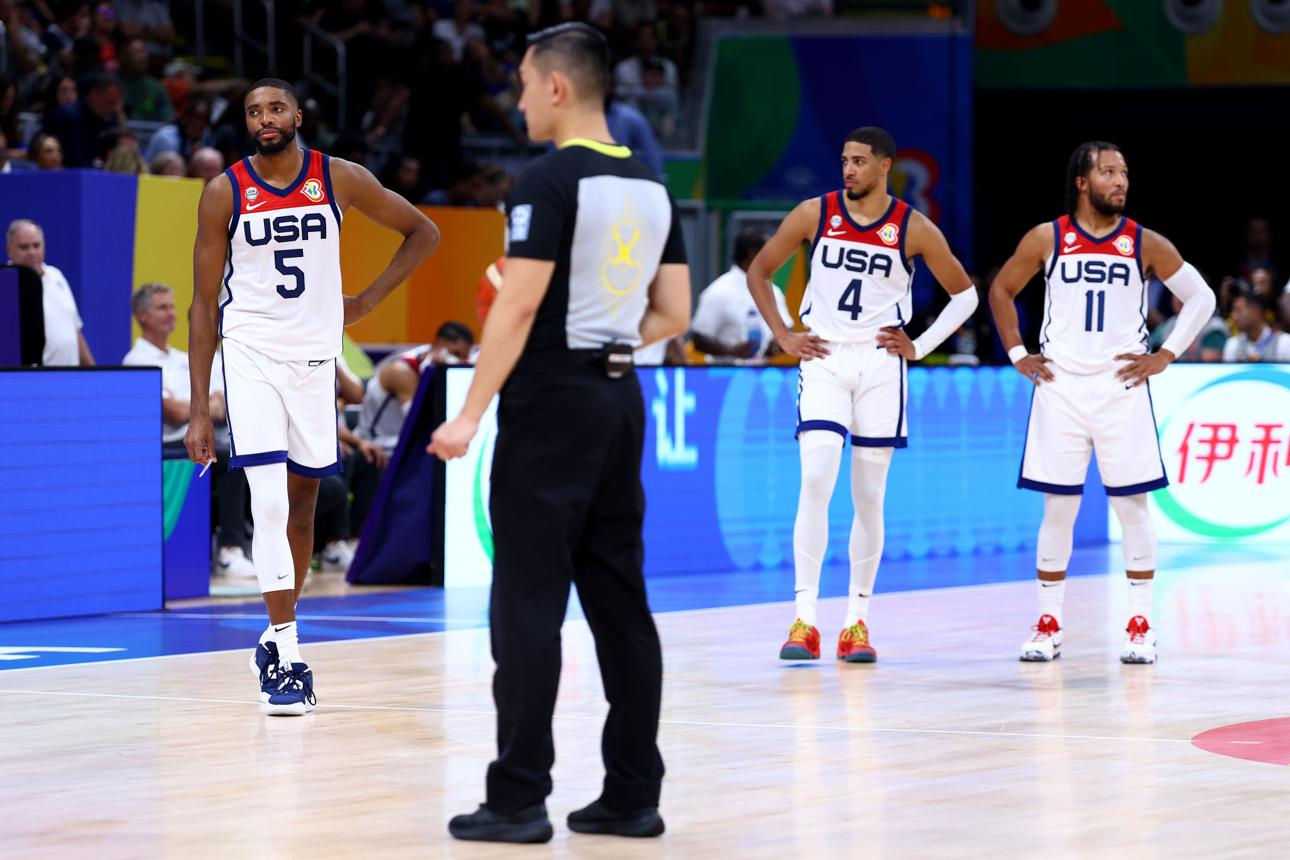
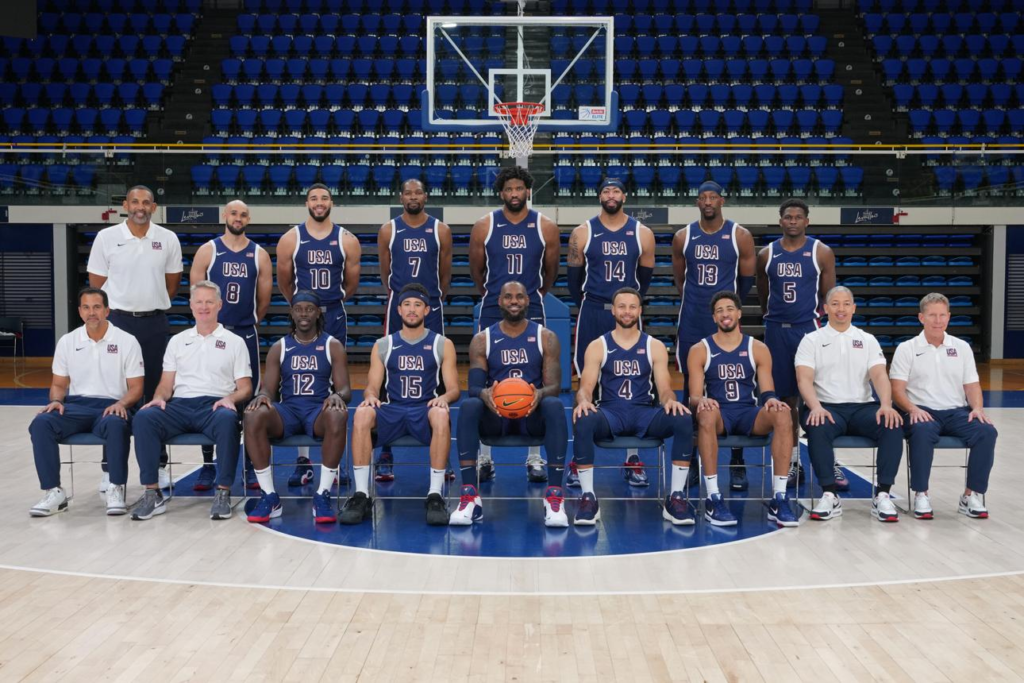
USA Basketball remains one of the most successful programs in international sports, but the landscape is changing. Emerging American stars are entering a world where global competition is stronger than ever. This article explores how the next generation of U.S. talent could shape future Olympic and international success, examining player development, global trends, coaching strategies, and the challenges ahead.
The Evolution of American Basketball Excellence
For decades, American basketball has occupied a unique position in global sports. From the dominance of the original Dream Team in 1992 to multiple Olympic gold medals and international championships, the United States has consistently set the standard for basketball excellence.
Yet the future of American dominance is no longer guaranteed by reputation alone. International basketball has evolved dramatically over the past two decades. Elite players now emerge from every corner of the world, and national teams have become more organized, experienced, and competitive.
As veteran American stars gradually move toward the later stages of their careers, attention is shifting toward a new generation of players who will define the country’s basketball future. The central question is not whether the United States will remain competitive—it almost certainly will. The more important question is whether the next generation can sustain the level of dominance that Americans have come to expect.
The answer depends on a combination of talent, development systems, international experience, and adaptability in an increasingly sophisticated global game.
Why Global Basketball Is More Competitive Than Ever
One of the biggest misconceptions among casual fans is that American basketball still enjoys the overwhelming advantage it possessed in previous decades.
The reality is far different.
International basketball has benefited from significant investments in youth development, coaching education, sports science, and professional league infrastructure. Countries across Europe, South America, Africa, and Asia have established pathways capable of producing elite-level talent.
Recent NBA seasons illustrate this trend clearly. Many of the league’s most influential players have come from outside the United States. International athletes have won MVP awards, led championship teams, and become central figures in the sport’s global growth.
Several factors explain this shift:
- Improved youth academies worldwide
- Greater access to elite coaching
- Advanced sports science programs
- Increased international competition opportunities
- Strong professional leagues outside the United States
- Earlier skill development among young players
As a result, international tournaments now feature deeper rosters and more sophisticated team systems than ever before.
This growing parity means future American teams cannot rely solely on athletic superiority. Success increasingly depends on preparation, chemistry, and tactical execution.
Who Represents USA Basketball’s Next Generation?
The next generation of American basketball talent is already emerging across the NBA and collegiate ranks.
Young stars are entering the league with advanced skill sets that reflect the modern game. Unlike previous eras that emphasized specialization, today’s elite prospects often possess versatility across multiple positions.
Many young American players now arrive at the professional level capable of:
- Shooting efficiently from long range
- Defending multiple positions
- Creating offense as playmakers
- Operating in fast-paced systems
- Contributing immediately in international-style basketball
This versatility is especially important because international competition often rewards adaptability over pure athleticism.
The future core of USA Basketball will likely feature players who can seamlessly switch between offensive and defensive roles while functioning within team-oriented systems. Such flexibility aligns well with the evolving nature of international basketball.
How Youth Development Has Changed in America
One reason for optimism is the significant evolution of player development in the United States.
Youth basketball today looks very different from the environment that produced earlier generations of stars.
Modern prospects gain exposure to advanced training methods at younger ages. Video analysis, performance tracking, strength programs, and individualized skill development have become commonplace.
Elite players often receive year-round instruction focused on:
- Shooting mechanics
- Ball handling
- Decision-making
- Defensive positioning
- Athletic conditioning
- Injury prevention
At the same time, development pathways have diversified. Players can emerge from high school programs, college basketball, developmental leagues, or alternative professional routes.
This flexibility creates more opportunities for talent to develop according to individual needs rather than a single traditional model.
However, some experts argue that excessive focus on individual skill development can sometimes come at the expense of team concepts. International programs often emphasize collective play from an early age, an area where American basketball continues to seek balance.

Can USA Basketball Maintain Its Talent Advantage?
Talent remains America’s greatest strength.
The United States continues to possess one of the largest and deepest basketball talent pools in the world. Millions of young athletes participate in organized basketball programs, creating a level of competition few countries can match.
This depth provides a significant advantage when constructing national teams.
Even when injuries, scheduling conflicts, or personal decisions affect player availability, USA Basketball can still assemble highly competitive rosters.
The country’s developmental ecosystem also remains remarkably strong. Key contributors include:
- High school basketball programs
- NCAA competition
- Development leagues
- Professional training organizations
- NBA franchises
- Sports performance specialists
Together, these systems create a continuous pipeline of elite athletes.
While other nations may occasionally produce extraordinary individual stars, few can consistently match the overall volume of high-level talent generated by the United States.
The Growing Importance of International Experience
One lesson from recent international competitions is the value of experience.
Many international players spend years competing together within national team systems. They understand one another’s tendencies and develop strong chemistry over time.
American teams often face a different challenge.
Because NBA schedules are demanding, roster continuity can vary significantly from tournament to tournament. Players frequently join national teams with limited preparation time.
The next generation may need to approach international competition differently.
Greater participation in:
- Youth national teams
- International exhibitions
- Development camps
- Multi-year national team commitments
could help create stronger continuity and improve long-term performance.
Experience in FIBA-style basketball is particularly valuable because international rules, officiating, spacing, and game flow differ from NBA competition.
Players who become comfortable with those differences early in their careers may be better positioned to succeed on the global stage.
What Role Will Coaching Play?
Talent alone does not win international tournaments.
Coaching has become increasingly important as global basketball systems grow more advanced.
Today’s successful international programs rely heavily on:
- Strategic preparation
- Defensive versatility
- Efficient offensive execution
- Detailed scouting
- Situational decision-making
American coaches have adapted significantly in recent years, integrating many concepts commonly seen in international basketball.
Future success may depend on continuing this evolution.
The next generation of USA Basketball players will benefit from coaches capable of blending American athletic advantages with the structured, team-oriented principles that characterize many successful international programs.
This hybrid approach could prove essential in maintaining competitive superiority.
How Technology Is Reshaping Player Development
Technology is becoming one of the most influential forces in basketball development.
Modern players have access to tools that previous generations could hardly imagine.
Training programs increasingly incorporate:
- Motion tracking systems
- Shot analysis technology
- Biomechanical assessments
- Wearable performance devices
- AI-assisted video review
- Recovery monitoring systems
These technologies provide coaches and athletes with detailed insights into performance and improvement opportunities.
For USA Basketball, this creates the potential to identify talent earlier, optimize development pathways, and maximize player performance.
The next generation may become the most technically prepared group of American players ever assembled.
What Challenges Could Threaten Future Dominance?
Despite its advantages, USA Basketball faces several meaningful challenges.
The first is international improvement. Other countries continue investing heavily in player development and infrastructure.
The second is roster continuity. Building chemistry becomes difficult when team composition changes frequently.
The third challenge involves balancing individual success with team-oriented basketball.
International competition often rewards discipline, patience, and collective execution. American teams must consistently align individual talent with cohesive team play.
Additional challenges include:
- Increased global scouting
- More sophisticated opponents
- Player workload management
- Injury concerns
- Scheduling conflicts
None of these issues are insurmountable, but they require thoughtful planning and long-term commitment.
Why the Future Still Looks Strong for Team USA
Despite growing global competition, there are strong reasons to believe the future remains bright.
The United States continues to produce exceptional athletes across every position.
The country’s basketball infrastructure remains among the most advanced in the world.
Youth participation remains high, professional opportunities continue expanding, and development resources are more accessible than ever before.
Perhaps most importantly, the next generation is entering basketball during a period of unprecedented global knowledge sharing.
Young American players are learning not only from domestic coaches but also from international systems, overseas professionals, and worldwide basketball trends.
This broader perspective may ultimately strengthen American basketball rather than weaken it.
Instead of relying solely on traditional advantages, future teams can combine elite athletic talent with a more complete understanding of the global game.

Questions Fans Frequently Ask About the Future of USA Basketball
1. Is USA Basketball still the best national basketball program in the world?
The United States remains the deepest talent-producing basketball nation, although international competition has become significantly stronger.
2. Why are international teams improving so quickly?
Investments in youth development, coaching, infrastructure, and professional leagues have accelerated player development worldwide.
3. Will future Olympic teams be as dominant as past generations?
Future teams may face tougher competition, but the United States still possesses significant advantages in talent depth and resources.
4. What makes modern American players different from previous generations?
Today’s players tend to be more versatile, skilled across multiple positions, and experienced with advanced training technologies.
5. Does college basketball still matter for national team development?
Yes. College basketball continues to provide valuable competitive experience and player development opportunities.
6. Why is international experience important?
FIBA competition involves different rules, styles, and strategies that require adjustment and familiarity.
7. What role does the NBA play in USA Basketball success?
The NBA provides elite competition, coaching, development resources, and exposure to global playing styles.
8. Can international stars challenge American dominance?
Individual international stars can have major impacts, but national team success depends on overall roster depth and cohesion.
9. How important is coaching in international tournaments?
Coaching has become increasingly important as teams become more tactically sophisticated.
10. What is the biggest advantage the United States still holds?
The depth and breadth of its basketball talent pipeline remain unmatched globally.
Looking Beyond the Next Olympic Cycle
The future of USA Basketball will not be defined by a single tournament or generation. Instead, it will be shaped by the country’s ability to adapt to an evolving global sport while preserving the strengths that have made American basketball successful for decades.
The next generation enters an environment where international opponents are stronger, smarter, and more experienced than ever before. Yet those same challenges may ultimately produce more complete, versatile, and globally aware American players.
If USA Basketball continues investing in development, embraces international learning, and builds long-term team cohesion, its position at the top of world basketball can remain remarkably strong for years to come.
Key Signals to Watch in the Years Ahead
- International competition is stronger than at any point in basketball history.
- The United States still possesses unmatched talent depth.
- Versatile young players fit the demands of modern basketball.
- International experience is becoming increasingly valuable.
- Coaching and team chemistry matter more than ever.
- Technology is transforming player development.
- Future success will require adaptation, not complacency.
- Long-term roster continuity could become a competitive advantage.
- Global basketball growth is raising performance standards.
- USA Basketball remains well-positioned for sustained success.
About the Author