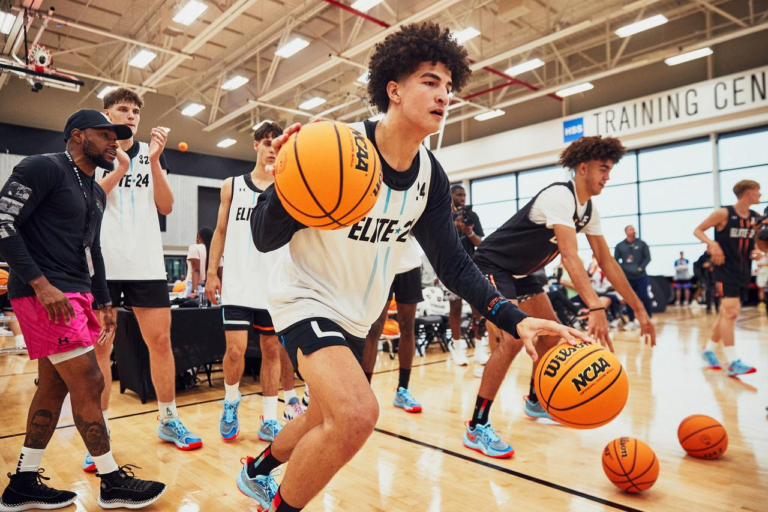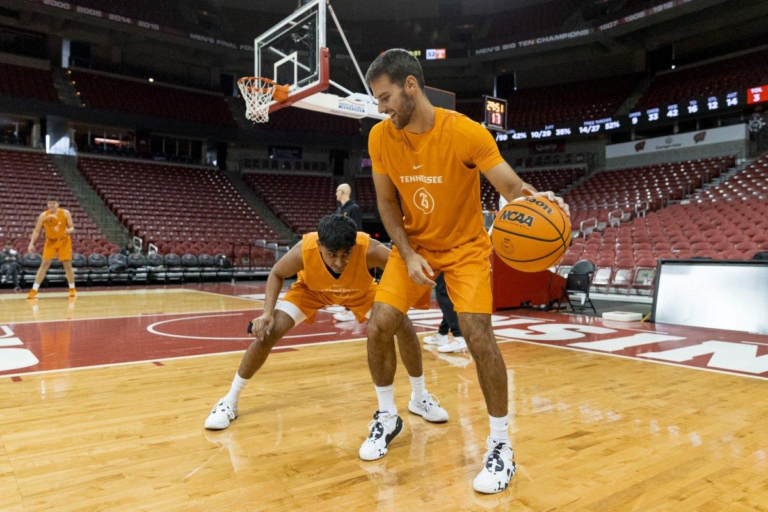
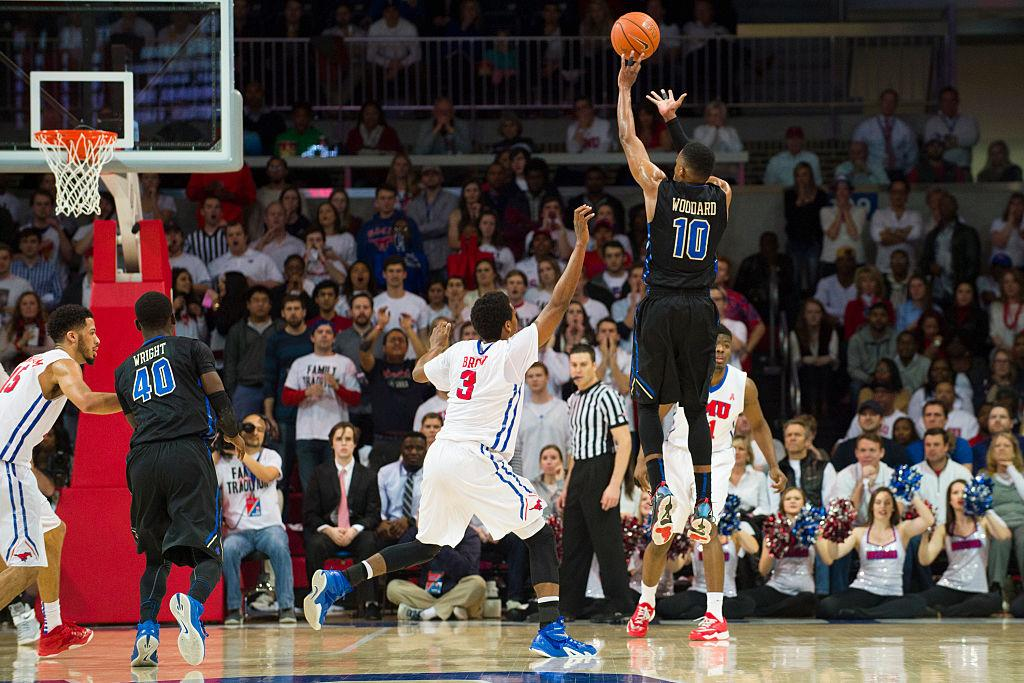
Basketball in 2026 is being reshaped by faster pace, more spacing, deeper shooting, year-round skill training, the rise of women’s basketball, and a college model transformed by NIL and the transfer portal. From youth gyms to NBA front offices, the game is moving toward versatility, decision-making, and player development systems that prioritize efficiency, adaptability, and business realities as much as talent.
Basketball in 2026: why the game feels different at every level
Basketball has always evolved in cycles. One era prizes dominant centers, another celebrates iso scorers, another leans into pace and space. What makes 2026 different is that the changes are happening simultaneously across the full basketball ecosystem. Youth coaches are rethinking how to teach the game. High school players are being evaluated differently. College programs are building rosters in a transfer-and-NIL environment. The WNBA is growing its audience and footprint. The NBA continues to push skill, spacing, and decision speed to new extremes.
That matters because basketball trends no longer stay confined to one level for long. A player-development concept tested in youth training can show up in high school club basketball, then in college practice design, then in NBA summer workouts. A tactical shift in the NBA—more five-out spacing, more pull-up threes, more positionless screening actions—can quickly influence what parents expect from a 12-year-old guard.
For players, coaches, parents, and fans, the most useful question is not simply “What’s new?” It’s “What actually changes how the game is played, taught, recruited, and watched?” In 2026, the answer comes down to several connected trends: the continued dominance of spacing and shooting, a more sophisticated view of skill development, a college basketball economy driven by movement and money, a stronger women’s basketball pipeline, and a growing emphasis on versatility over traditional positions.
1) The three-point era is no longer a trend—it’s the baseline
The easiest place to see basketball’s evolution is the shot map. In the NBA, the long-running move toward threes and shots at the rim is no longer experimental. It is the default offensive architecture. Teams build around spacing, paint pressure, drive-and-kick reads, and players who can make quick decisions with the ball. Even league commentary reflects it: analysts now discuss three-point rate, shot quality, corner spacing, and weak-side help rotations almost as routinely as points per game.
The effect on roster building is significant. In the modern game, a “good shooter” is no longer enough. Teams want players who can do one or more of the following:
- Shoot on the move
- Shoot off the catch with little dip or delay
- Shoot off relocation after making a pass
- Punish a closeout with one or two dribbles
- Make the next pass after drawing help
- Defend well enough to stay on the floor in space
That shift shows up in youth basketball too. More players are growing up taking threes earlier, and more coaches are teaching spacing principles younger than they did a decade ago. The best youth programs are careful not to turn that into bad shot selection. But they are increasingly teaching footwork, balance, and decision-making around perimeter play because that is what the game rewards later.
The NBA’s own data ecosystem and league analysis keep reinforcing this direction. Teams are not simply shooting more threes because it looks modern; they are doing it because math, spacing, and lineup construction all point in the same direction. NBA tracking and season data continue to show how central three-point volume and efficiency are to offensive identity.
What this means in practice
If you coach or develop players in 2026, “teaching shooting” should no longer mean only form shooting and stationary reps. It also means teaching when to shoot, how to get into shots from game actions, and how to connect shooting to passing and decision-making.
A useful example is the modern high school wing. Ten years ago, a coach may have been satisfied if that player could hit spot-up threes from the corner. In 2026, the same player is more valuable if he or she can sprint into a dribble handoff, read a switch, hit a pull-up if the defender goes under, and make a simple pocket pass if the big helps. The shot still matters. But the processing around the shot matters almost as much.
2) “Positionless” basketball is now a development model, not just an NBA buzzword
For years, “positionless basketball” sounded like a pro-only phrase. In 2026, it’s a youth and college development reality. Players are still labeled guards, wings, and bigs, but the responsibilities inside those roles are expanding.
A modern big is expected to do far more than screen, rebound, and finish. Even if he or she is not a high-volume shooter, coaches increasingly want some combination of these skills:
- Passing from the elbows or short roll
- Switching or at least surviving in space defensively
- Handling dribble handoffs cleanly
- Making quick reads against help defenders
- Running the floor and playing in early offense
The same is true in reverse for perimeter players. A high-level guard now has to rebound in traffic, defend multiple actions, and finish through size. Wings are expected to be connective tissue players—someone who can guard up or down a position, keep the ball moving, and avoid being schemed off the floor.
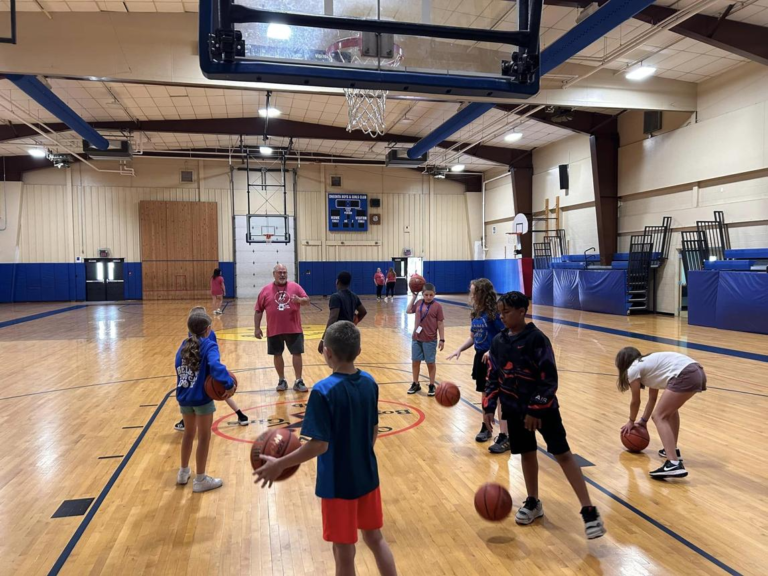
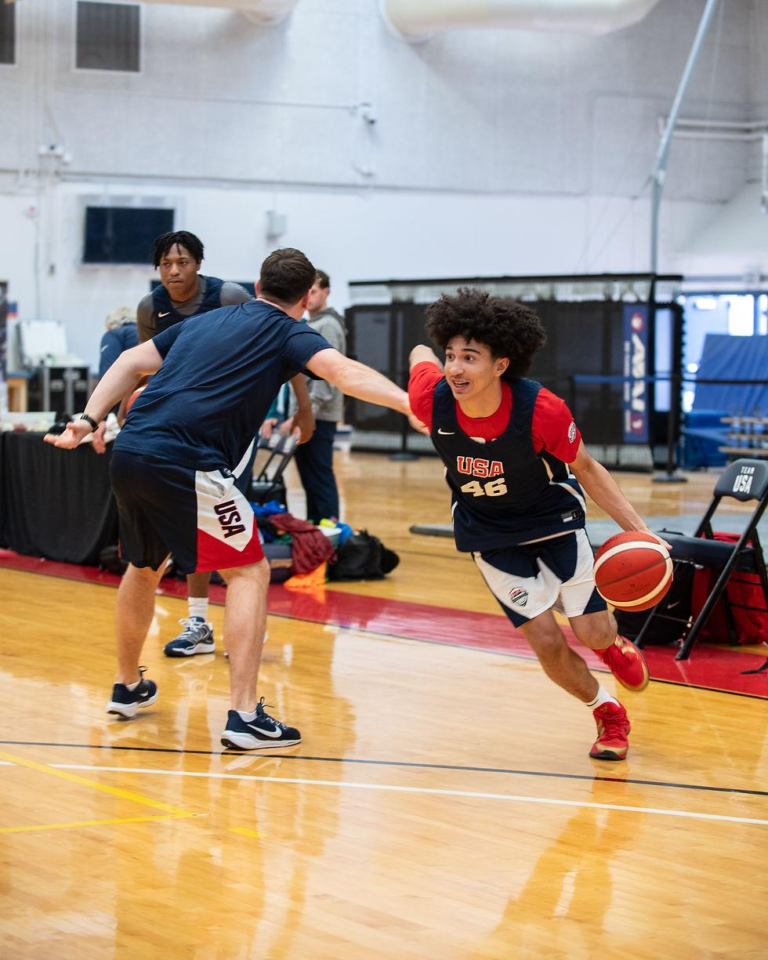
At the youth level, this is changing training priorities. Good player-development programs are moving away from assigning 12-year-olds rigid identities like “post player only” or “point guard only.” Instead, they are trying to build broader skill foundations before specialization narrows the role. USA Basketball’s youth guidelines and development resources have pushed that broader, age-appropriate approach for years, and it aligns with where the game is headed.
The real advantage of positionless development is not aesthetic. It is practical. Basketball is increasingly a game of advantage creation and advantage maintenance. The more players on the floor who can dribble, pass, shoot, and think quickly, the harder it is to break an offense or target a weak link.
3) Youth basketball is shifting from “play more games” to “develop better players”
One of the most important 2026 trends is not about strategy at all. It’s about how young players spend their time.
For years, many families equated improvement with volume: more tournaments, more travel weekends, more games, more exposure. That model is still alive, especially in club and AAU circuits, but the smartest youth basketball operators are moving toward a different balance. They are emphasizing structured skill work, small-sided games, age-appropriate rules, and better practice design rather than endless game accumulation.
There are several reasons for this shift.
First, there is growing awareness that over-scheduling can work against development. Young players need repetition, but they also need repetition with purpose. If a player is spending every weekend playing four games in two days without enough time for skill acquisition, recovery, and athletic development, the long-term return can be limited.
Second, coaches are more aware of transferability. Five-on-five games matter, but many core skills are learned more efficiently in constrained environments: 3-on-3, 2-on-2, guided decision drills, short-clock situations, and read-based shooting. USA Basketball’s youth development materials and 3×3 teaching models reflect that philosophy, emphasizing more touches, more decisions, and more space for learning.
Third, parents are asking better questions. Instead of “How many games will my child play?” many are now asking, “Who is teaching my child? What exactly happens in practice? Are they improving footwork, balance, finishing, and decision-making—or just collecting tournament T-shirts?”
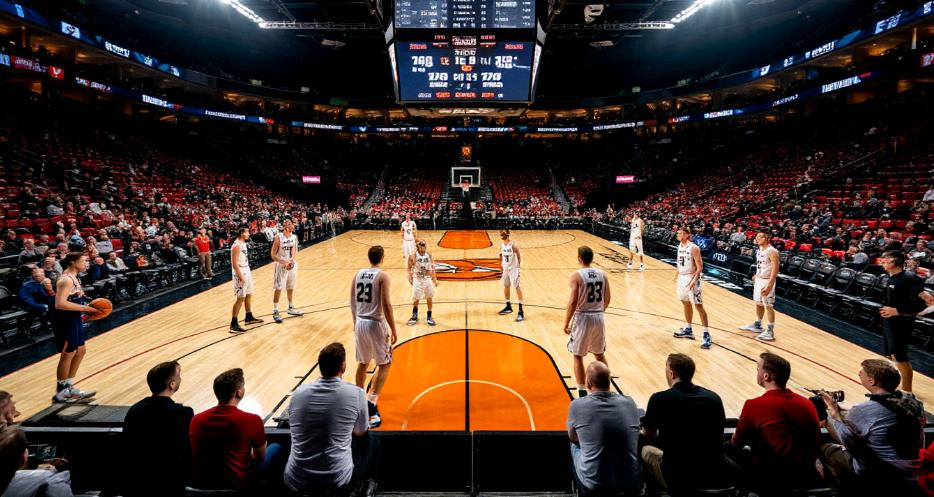
What better youth development looks like in 2026
The most effective youth environments tend to share a few traits:
- Age-appropriate structure: Younger players get simpler concepts, smaller-sided games, and fewer adult systems layered on too early.
- High repetition with decision-making: Players get a lot of touches, but not empty touches. Drills ask them to read, react, and solve problems.
- Movement quality and injury prevention: Warmups, landing mechanics, deceleration, and general athletic development matter more than they used to.
- Role expansion: A tall 13-year-old is still allowed to handle the ball and learn perimeter skills instead of being parked on the block.
That last point is especially important. In a sport that increasingly rewards versatility, locking players into a narrow identity too early can limit their ceiling.
4) 3×3 and small-sided basketball are influencing how players learn
One of the more underappreciated influences on 2026 basketball is the rise of 3×3 and small-sided training concepts. This is not because traditional five-on-five is disappearing. It is because small-sided formats are excellent teaching tools.
In 3×3, the game is faster, the space is tighter, the shot clock is shorter, and players are forced to make repeated decisions without hiding. USA Basketball’s 3×3 framework highlights exactly why coaches value it: more actions per player, more reads, more defensive accountability, and more chances to work on skill under pressure.
That translates well to development. A 14-year-old guard who spends time in 3×3 has to learn how to create an angle, finish through contact, make a quick kick-out read, and defend in space. A forward has to screen, short roll, pass, and recover defensively. Everyone is more involved.
This is also changing practice design at the high school and grassroots level. More coaches are using:
- 3-on-3 advantage games
- 4-on-4 no-corner or no-dribble constraints
- short-clock transition drills
- decision-based finishing games
- competitive shooting with movement and defensive reads
These are not gimmicks. They are ways to train the actual problems players will face in games.
5) College basketball in 2026 is being reshaped by NIL, revenue-sharing pressure, and the transfer portal
No part of the sport has changed more structurally than college basketball. The game on the floor still matters, but roster construction is now inseparable from NIL, transfer movement, legal uncertainty, and the broader economics of college sports.
For coaches, building a team is no longer just about high school recruiting, player development, and retention. It now involves balancing returning players, portal additions, NIL opportunities, and increasingly complex roster planning. In practical terms, college basketball programs are operating more like pro organizations than they did even five years ago.
The transfer portal has become central to roster construction. Recent reporting around the 2026 cycle shows how quickly programs pivot from tournament play to portal strategy, and how heavily successful teams now rely on experienced transfers rather than only freshmen.
At the same time, the NIL environment remains fluid. AP reporting on deal review and enforcement offers a useful snapshot of where the market stands: there is real money moving through the system, but there is also scrutiny, rejection of some deals, and continued uncertainty over rules and contracts.
How this changes the college game itself
The portal-and-NIL era affects style of play in subtle ways.
Programs are leaning more heavily on older, physically mature players who have already played college minutes. That can mean more tactical sophistication, fewer long developmental timelines, and lineups built around immediate fit rather than pure upside. Coaches are often looking for:
- an experienced lead guard who can organize offense
- a wing who can defend multiple positions and hit open threes
- a stretch big or short-roll passer
- players who have already proven they can handle college physicality
This may also be one reason some coaches believe the tournament landscape is shifting. When top programs can patch holes quickly through the portal and retain key contributors with NIL support, the gap between established contenders and mid-majors can widen.
For recruits and families, the practical takeaway is clear: college fit in 2026 is not only about school prestige. It is about opportunity, role clarity, developmental pathway, roster stability, and how a program manages the portal economy.
6) Women’s basketball is not just growing—it’s reshaping the business and visibility of the sport
One of the biggest basketball stories entering 2026 is the continued rise of women’s basketball as a major audience, media, and development force. This is not a niche trend anymore. It is a structural shift in who basketball serves, how it is consumed, and where investment is flowing.
The WNBA’s recent growth numbers make that hard to ignore. The league has reported record-setting attendance and audience growth, and it continues to expand its national footprint through broader media distribution and future team expansion. WNBA reporting from 2024 and 2025 highlighted double-digit attendance growth across all teams, record-setting fan engagement, and a larger national platform. The league’s 2026 media slate also expanded significantly, with a record number of televised and streamed games.
That has downstream effects far beyond the professional level.
Girls’ basketball benefits when there is a visible professional pathway, more stars with national recognition, and a media environment that treats the sport as a major property rather than an afterthought. It affects sponsorships, camp attendance, recruiting attention, and even the confidence with which young players imagine a future in the sport.
It also changes coaching priorities. The women’s game is influencing the broader basketball conversation around spacing, ball movement, screen craft, and team execution. That influence is healthy. It broadens the examples coaches use, the film players watch, and the tactical vocabulary available across the sport.
7) Sports science, workload management, and recovery are moving down the ladder
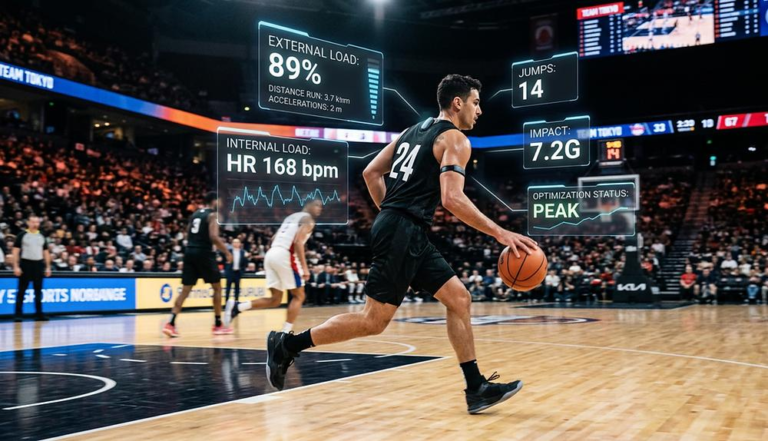
Load management is often discussed as an NBA issue, but in 2026 the bigger story is that performance science is moving into younger levels of basketball culture. High-end prep programs, academies, and serious club organizations are increasingly paying attention to recovery, movement screening, sleep, landing mechanics, and cumulative workload.
This does not mean every 15-year-old needs a professional performance staff. It means more people in the basketball world understand that development is not just “work harder.” It is also “recover well enough to keep improving.”
That is particularly relevant in a year-round basketball culture where many players stack school seasons, club seasons, camps, individual training, and strength work with little downtime. The risk is not only injury. It is stagnation. A player who is always competing but never absorbing training may look busy without actually getting better.
The smarter approach in 2026 is integrated development:
basketball skill work, strength and movement training, planned rest, and enough unstructured time for the body and mind to reset. Parents increasingly need to think like long-term managers, not just schedulers.
8) Basketball IQ is being taught more intentionally
For years, “high basketball IQ” was treated like a mysterious trait some players simply had. In 2026, more coaches are trying to teach it directly.
That means helping players understand:
- where the next pass is likely to be
- how defenders rotate out of help
- what spacing should look like when a teammate drives baseline
- how to read a switch versus a hedge
- when to cut, relocate, or clear a side
- how to defend actions before they happen, not after
Film study has become more accessible, but the bigger change is conceptual clarity. Better youth and high school coaches are building practices around the “why” of the game, not just the “what.” Instead of saying “swing it,” they explain what the swing pass is supposed to shift. Instead of saying “tag the roller,” they show how that tag changes the offense’s next read.
This matters because the speed of basketball is no longer just physical. It is cognitive. Players who process quickly create advantages even if they are not the best athletes on the floor.
9) What basketball families, coaches, and players should actually do with these trends
It’s easy to read about basketball trends as if they are abstract industry observations. They are not. They should change how people make decisions.
If you’re a parent of a young player
Look for a development environment, not just a schedule. Ask how practices are run, how skills are taught, and whether your child is learning multiple parts of the game. Be cautious of programs that promise exposure before they can explain development.
If you’re a high school player
Build a broad skill base. Shooting matters, but so do decision-making, defensive versatility, finishing through contact, and playing without the ball. If you want to be recruited, become easy to fit around good players.
If you’re a coach
Audit your practice. How much of it reflects real game problems? How much time are players spending making decisions at speed? Are your bigs learning to pass and your guards learning to rebound and defend bigger bodies?
If you follow college basketball recruiting
Pay attention to roster logic, not just star ratings. In 2026, age, experience, fit, and retention strategy can matter as much as raw talent.
If you’re an NBA or WNBA fan trying to understand the modern game
Watch what happens after the first action. The game is increasingly about second and third decisions—how teams punish help, how they space around stars, and which players can keep an advantage alive.
FAQs About Basketball Trends in 2026
1) Why does basketball in 2026 seem faster than it used to?
Because more teams at every level prioritize pace, spacing, quick decisions, and transition offense. The influence of NBA spacing, shot-clock pressure, and skill-based development has pushed the game toward faster reads and more possessions.
2) Is the three-point shot still becoming more important?
Yes, but the bigger story is how teams create threes. In 2026, the most valuable shooting often comes from actions—drive-and-kick play, relocation, dribble handoffs, and players who can shoot while also making the next read.
3) What does “positionless basketball” actually mean for young players?
It means players should develop multiple skills instead of being locked into one narrow role too early. A tall player still needs ball skills and decision-making; a guard still needs rebounding, defense, and finishing ability.
4) Is AAU basketball still the best path for getting recruited?
It can be helpful, but it is not enough by itself. Coaches still value exposure, but they also want skill, decision-making, consistency, and fit. A strong development environment often matters more than simply playing the maximum number of tournaments.
5) How has NIL changed college basketball?
NIL has made roster building more transactional and more fluid. Programs now recruit high school players, retain current players, and pursue transfers while also managing compensation opportunities and roster economics.
6) Why is the transfer portal such a big deal in basketball now?
Because experienced players can change a team quickly. Coaches increasingly use the portal to fill immediate needs, add older players, and reduce uncertainty compared with relying entirely on freshmen.
7) Is women’s basketball really influencing the broader sport?
Absolutely. The growth of the WNBA and women’s college basketball is changing media coverage, youth participation, sponsorship, and the tactical conversation around the game.
8) What should youth players focus on most in 2026?
Shooting fundamentals, footwork, finishing, passing, defensive movement, and decision-making. Just as important: playing in environments that teach the game well instead of only emphasizing game volume.
9) Is 3×3 basketball actually useful for development?
Yes. It creates more touches, more reads, more space to learn, and more accountability. It can be an excellent tool for teaching decision-making, spacing, and one-on-one responsibility.
10) What skill is most underrated in modern basketball?
Processing speed. Players who can read the floor, make quick decisions, and stay connected to team spacing often outperform players with similar athletic ability but weaker game understanding.
The Shape of the Next Basketball Decade
The most important thing to understand about basketball in 2026 is that the sport is no longer changing in isolated pockets. The tactical game, the youth pipeline, the college business model, and the women’s game are all influencing one another. That makes basketball more demanding, but also more interesting.
For players, the future belongs to versatility, shooting, decision-making, and adaptability. For coaches, it belongs to smarter teaching and better developmental systems. For parents, it means asking tougher questions about where improvement actually happens. And for fans, it means watching a sport that is becoming more interconnected, more skilled, and more strategically layered every year.
About the Author