Basketball is undergoing one of the most significant transformations in its history. Advances in analytics, modern training methods, sports science, and skill development are changing how teams build rosters, coach players, and compete. From three-point shooting and positionless basketball to personalized player development programs, the modern game reflects a new blueprint that prioritizes efficiency, versatility, and continuous improvement.
Introduction
Basketball has always evolved. The game played in the 1980s looks dramatically different from the style that dominated in the early 2000s, and today’s version continues to push boundaries. Across professional, collegiate, and youth levels, coaches, executives, and athletes are embracing new strategies that challenge long-standing assumptions about how basketball should be played.
Fans frequently ask questions such as: Why do teams shoot so many three-pointers? What role does analytics play in modern basketball? How are players training differently than previous generations? The answers reveal a sport experiencing a profound strategic shift.
The modern basketball blueprint is not defined by a single trend. Instead, it combines advanced statistical analysis, innovative player development, sports science, and tactical flexibility. Together, these elements are reshaping the game from youth gyms to the biggest professional arenas.
The Rise of Analytics in Basketball Decision-Making
One of the most influential developments in modern basketball has been the widespread adoption of analytics. While statistics have always been part of sports, today’s organizations use data in ways that were unimaginable just a few decades ago.
Teams now evaluate nearly every aspect of performance, including:
- Shot location efficiency
- Defensive positioning
- Player movement patterns
- Lineup effectiveness
- Transition opportunities
- Fatigue indicators
Research consistently shows that shots near the rim and three-point attempts typically produce higher scoring efficiency than mid-range jumpers. This realization has dramatically altered offensive strategies.
As a result, teams increasingly design offenses that prioritize spacing, ball movement, and high-value scoring opportunities. Rather than relying heavily on difficult contested shots, modern systems seek to generate efficient looks through calculated decision-making.
Analytics has also influenced roster construction. Front offices now examine advanced metrics that measure player impact beyond traditional statistics such as points and rebounds. This broader evaluation process helps organizations identify talent that may previously have been overlooked.
Why Three-Point Shooting Has Become So Important
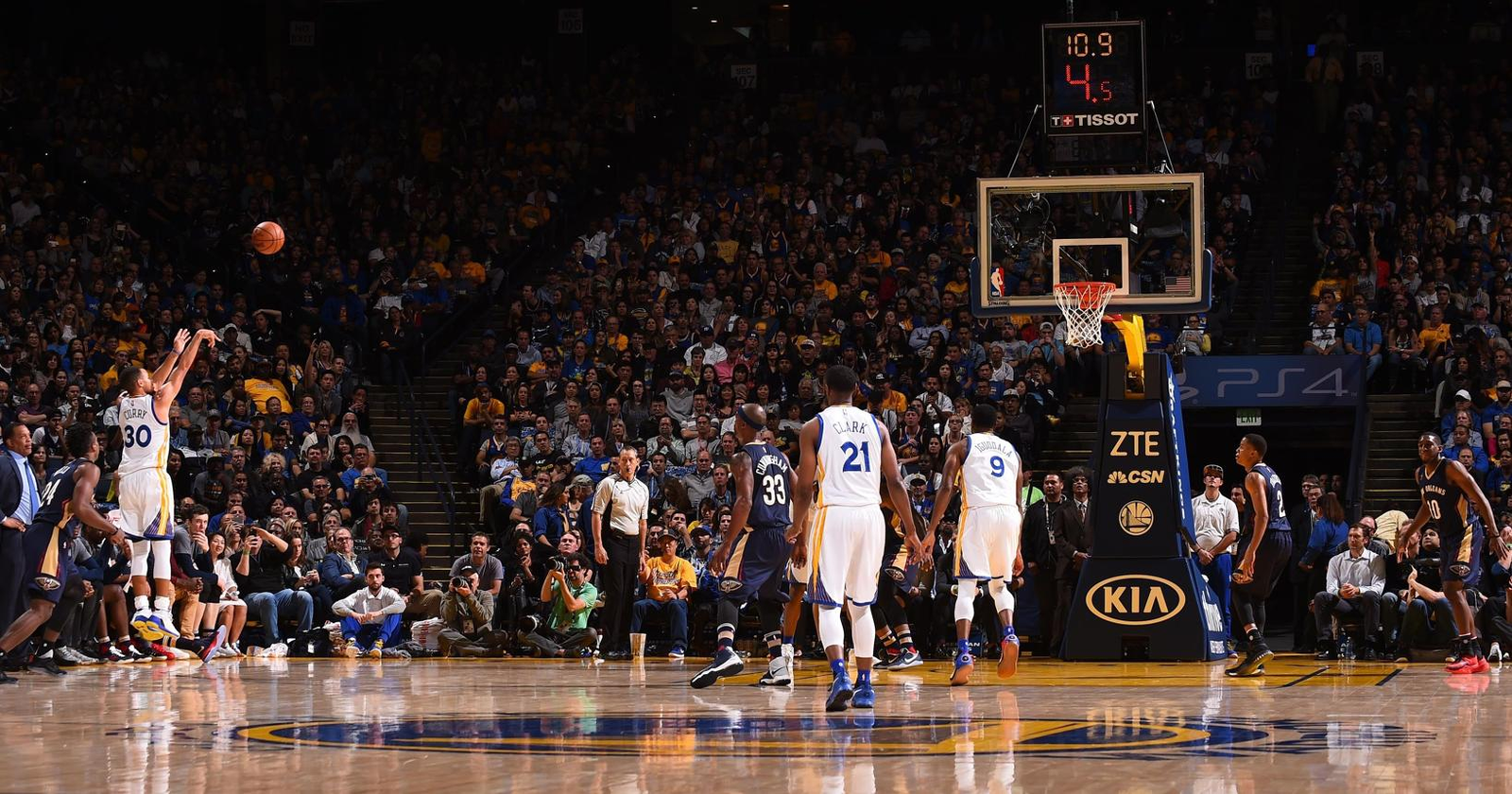
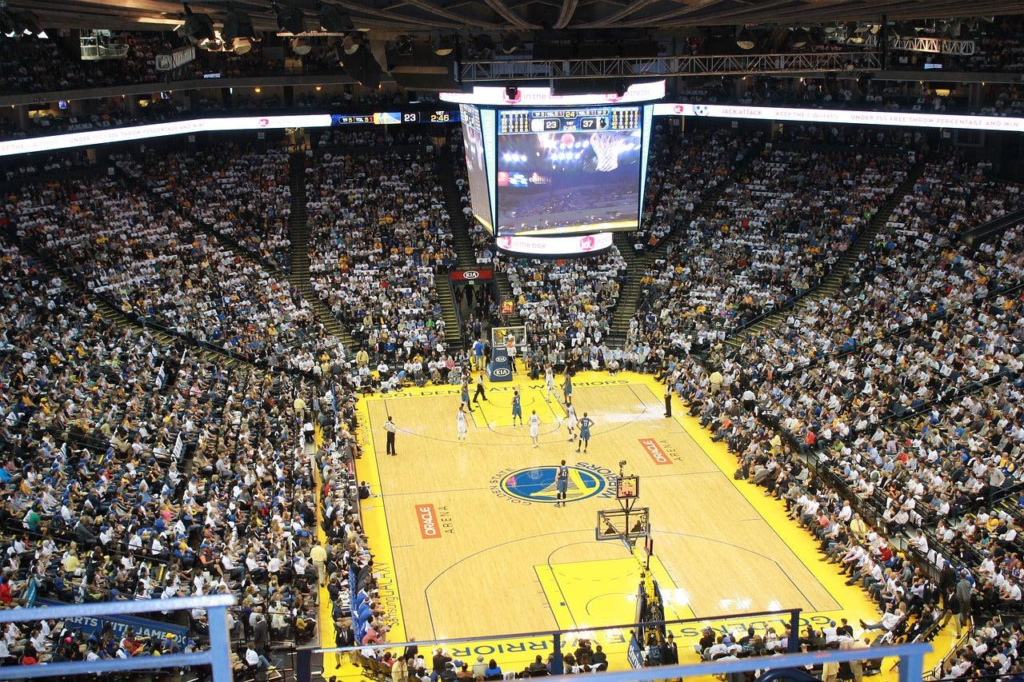
One of the most visible changes in basketball is the growing emphasis on three-point shooting.
For many fans, the increase in long-range attempts appears dramatic compared to previous eras. The reason is relatively straightforward: three-point shots often provide greater scoring value when converted at efficient rates.
A player shooting 38% from three can generate comparable offensive efficiency to a player converting significantly higher percentages on two-point attempts.
This shift has influenced nearly every level of the sport.
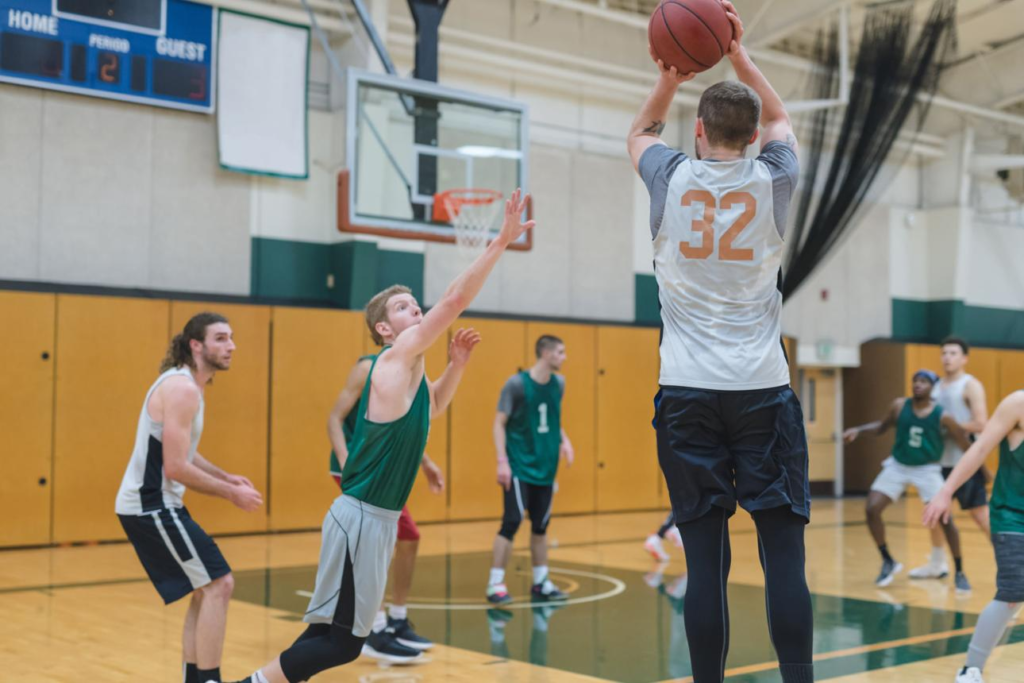
High school athletes spend more time developing perimeter skills. College programs prioritize floor spacing. Professional teams seek players who can stretch defenses and create additional offensive opportunities.
However, the modern game is not simply about shooting more threes. Successful teams understand that three-point shooting works best when paired with:
- Strong ball movement
- Effective screening
- Rim pressure
- Transition offense
- Defensive versatility
The most effective offenses use the threat of outside shooting to create opportunities throughout the court.
The Emergence of Positionless Basketball
Traditional basketball once featured clearly defined roles.
Point guards handled the ball. Centers played near the basket. Forwards occupied distinct responsibilities between those positions.
Today’s game is far more fluid.
Many coaches now prioritize versatility over specialization. Players are increasingly expected to handle multiple responsibilities regardless of their listed position.
A modern forward may:
- Initiate offensive possessions
- Defend multiple positions
- Shoot from long range
- Create scoring opportunities for teammates
Likewise, many centers are now expected to pass, shoot, and switch defensively on perimeter players.
This evolution has contributed to the rise of what many analysts call “positionless basketball.”
The concept does not eliminate positions entirely. Rather, it emphasizes adaptable skill sets that allow teams to respond to various situations without major lineup adjustments.
Versatility has become one of the most valuable traits in player evaluation because it provides coaches with greater strategic flexibility.
How Player Development Has Changed
Perhaps no area of basketball has experienced more transformation than player development.
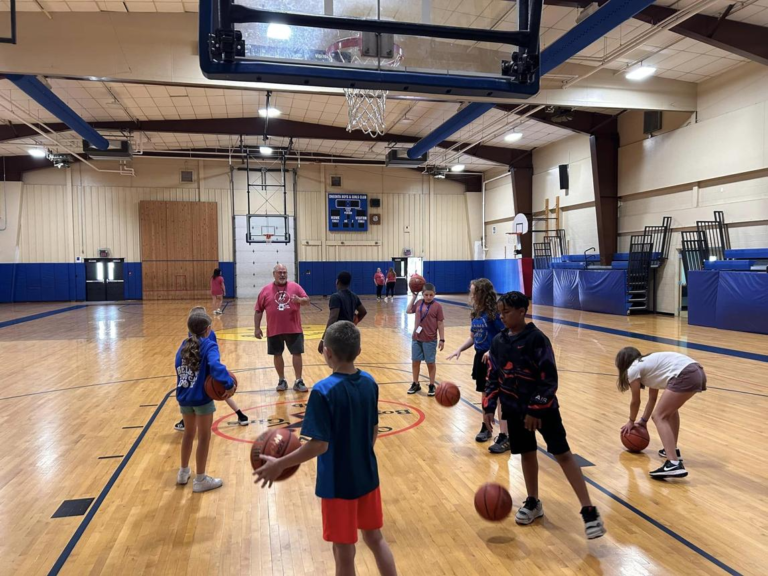
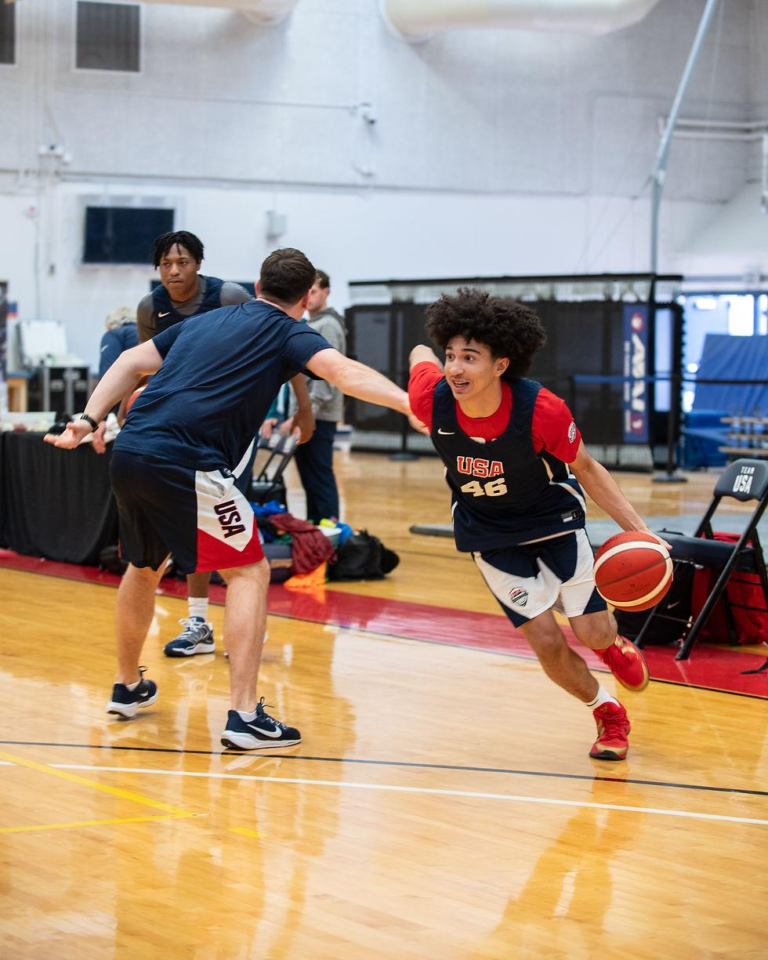
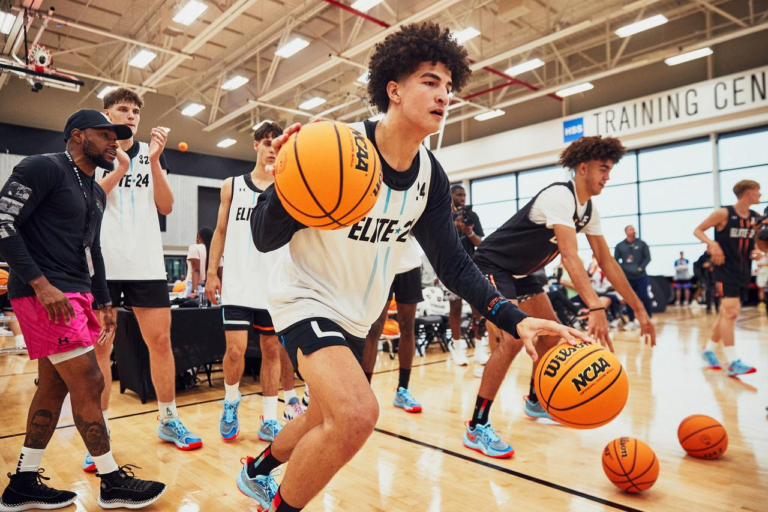
In previous generations, athletes often relied heavily on team practices for improvement. Today’s players frequently engage in year-round development programs that address technical, physical, and mental performance.
Modern player development often includes:
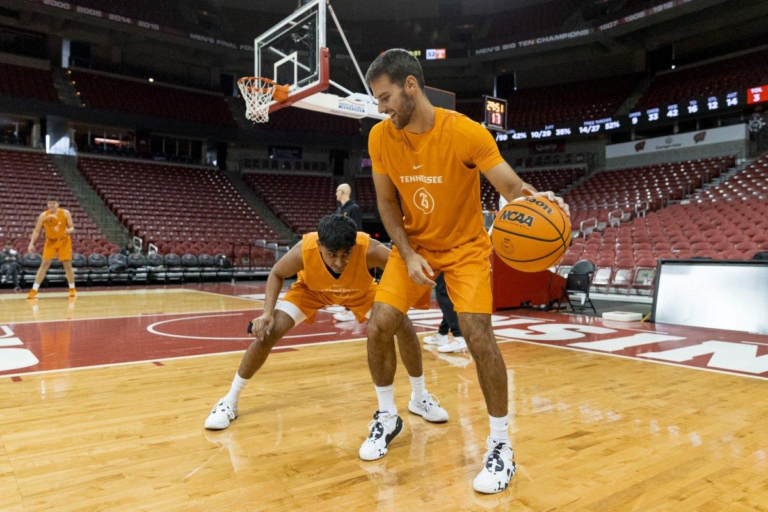
- Individual skill training
- Video analysis
- Strength and conditioning programs
- Recovery protocols
- Sports psychology
- Nutrition planning
Young athletes now have access to specialized coaching that was once available only to elite professionals.
Technology has accelerated this trend. Coaches can review shooting mechanics frame by frame, analyze movement efficiency, and provide immediate feedback.
As a result, players often arrive at college or professional levels with more advanced skill sets than previous generations.
The growing emphasis on development has also increased career longevity. Athletes are finding ways to maintain peak performance deeper into their careers through improved recovery and workload management.
The Expanding Role of Sports Science
Sports science has become an essential component of modern basketball operations.
Organizations invest significant resources in understanding how physical performance influences outcomes on the court.
Areas of focus commonly include:
- Injury prevention
- Recovery optimization
- Sleep quality
- Hydration monitoring
- Workload management
- Movement assessment
Many teams now employ specialists who analyze player health data throughout the season.
The goal is not merely to improve performance but also to reduce injury risk.
Research across professional sports suggests that proper recovery and workload management can help athletes maintain consistent performance over long seasons.
While sports science cannot eliminate injuries entirely, it provides teams with valuable information that supports informed decision-making.
How Technology Is Influencing Basketball Training
Technology has expanded the tools available to coaches and athletes.
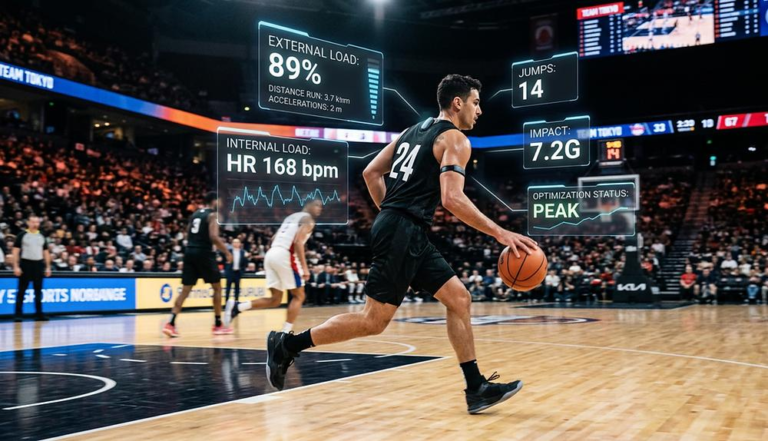
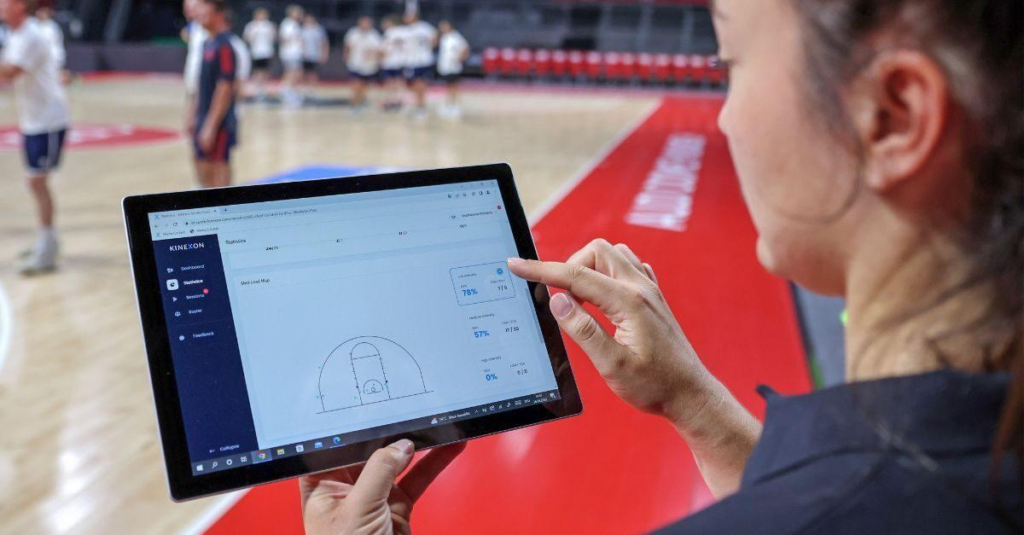
Training sessions increasingly incorporate advanced systems that capture performance data in real time.
Examples include:
- Motion-tracking systems
- Wearable performance devices
- Automated shooting machines
- Video breakdown software
- Virtual training platforms
These tools allow athletes to receive detailed feedback on everything from shooting form to movement efficiency.
For example, a player working on perimeter shooting can track thousands of attempts over time and identify patterns that may not be visible through observation alone.
Technology also helps coaches create individualized development plans tailored to each athlete’s strengths and weaknesses.
The result is a more precise and evidence-based approach to improvement.
The Evolution of Defensive Strategy
Offensive innovation has forced defenses to evolve as well.
The spacing created by modern offenses places significant pressure on defenders. Teams must now cover more ground while maintaining discipline against both perimeter and interior threats.
Defensive systems increasingly emphasize:
- Switching assignments
- Communication
- Help-side rotations
- Perimeter containment
- Versatile defenders
The ability to guard multiple positions has become increasingly valuable.
Coaches often prioritize players who can effectively defend various matchups without requiring constant adjustments.
This trend has contributed to the demand for athletic, adaptable players capable of thriving in multiple defensive schemes.
What Modern Coaches Are Looking For
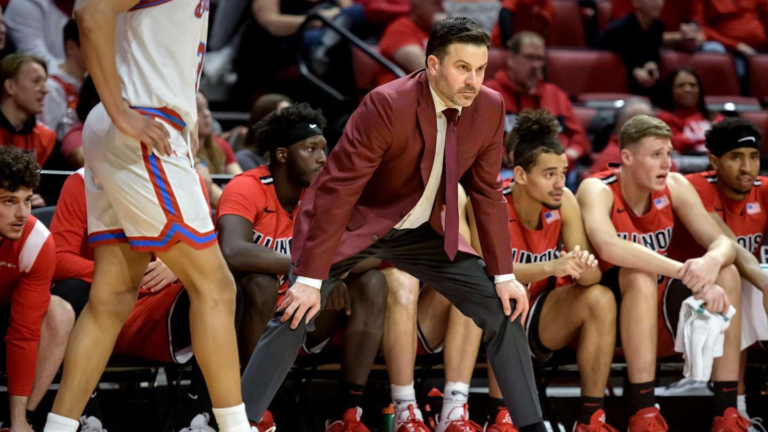
Coaching philosophies continue to evolve alongside the game itself.
While talent remains important, many coaches now prioritize a broader range of attributes.
Key qualities often include:
- Basketball intelligence
- Decision-making ability
- Adaptability
- Defensive effort
- Team-oriented play
- Skill versatility
Players who can process information quickly and make effective decisions often fit modern systems particularly well.
The growing pace and complexity of the game require athletes to react rapidly to changing situations.
As a result, mental skills have become nearly as important as physical tools.
How Youth Basketball Is Adapting
The influence of modern basketball trends is increasingly visible at youth levels.
Many development programs now focus on creating well-rounded athletes rather than assigning rigid positional roles at an early age.
Young players are encouraged to:
- Develop ball-handling skills
- Improve shooting range
- Learn passing concepts
- Understand spacing principles
- Build defensive fundamentals
This broader approach can help athletes adapt as they grow and their physical characteristics change.
At the same time, many experts caution against excessive specialization too early in an athlete’s development.
Fundamental skills, decision-making, and overall athletic development remain critical foundations for long-term success.
What Basketball Fans Often Misunderstand About Analytics
A common misconception is that analytics replaces coaching instincts or basketball knowledge.
In reality, analytics functions as a decision-support tool rather than a replacement for experience.
Successful organizations typically combine:
- Statistical analysis
- Scouting observations
- Coaching expertise
- Player feedback
- Contextual evaluation
Data can identify trends and opportunities, but human judgment remains essential.
For example, a statistic may suggest a particular lineup performs well. Coaches must still determine whether that lineup can succeed in specific game situations.
The strongest basketball organizations integrate both quantitative and qualitative perspectives.
Frequently Asked Questions
1. Why are NBA and college teams shooting more three-pointers?
Data shows that efficient three-point shooting often produces higher scoring value than many mid-range attempts, leading teams to prioritize those opportunities.
2. What is positionless basketball?
Positionless basketball refers to a style in which players perform multiple roles rather than being limited to traditional positional responsibilities.
3. How important is analytics in basketball today?
Analytics plays a major role in player evaluation, game planning, roster construction, and performance analysis at nearly every competitive level.
4. Are traditional centers disappearing?
Not entirely. Centers remain important, but many now possess broader skill sets, including passing, shooting, and perimeter defense.
5. How has player training changed?
Training now includes skill development, sports science, recovery protocols, nutrition planning, video analysis, and mental performance coaching.
6. Does analytics make basketball less creative?
Most experts argue the opposite. Analytics often helps teams discover new strategic approaches and innovative ways to maximize player strengths.
7. What skills are most valuable in modern basketball?
Versatility, shooting ability, decision-making, defensive adaptability, and basketball intelligence are highly valued.
8. How does sports science help basketball players?
Sports science supports injury prevention, recovery, workload management, and overall performance optimization.
9. Is youth basketball changing because of professional trends?
Yes. Many youth programs emphasize versatile skill development and position flexibility influenced by modern professional strategies.
10. What might the future of basketball look like?
The future will likely involve even greater integration of technology, analytics, personalized training, and versatile player development.
About the Author