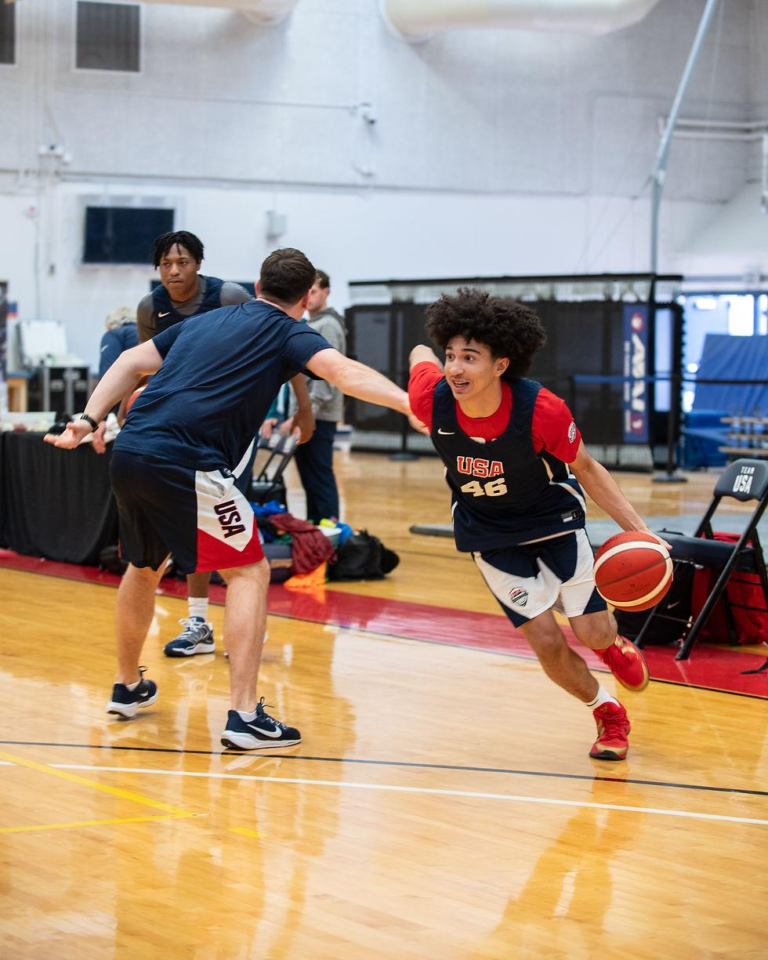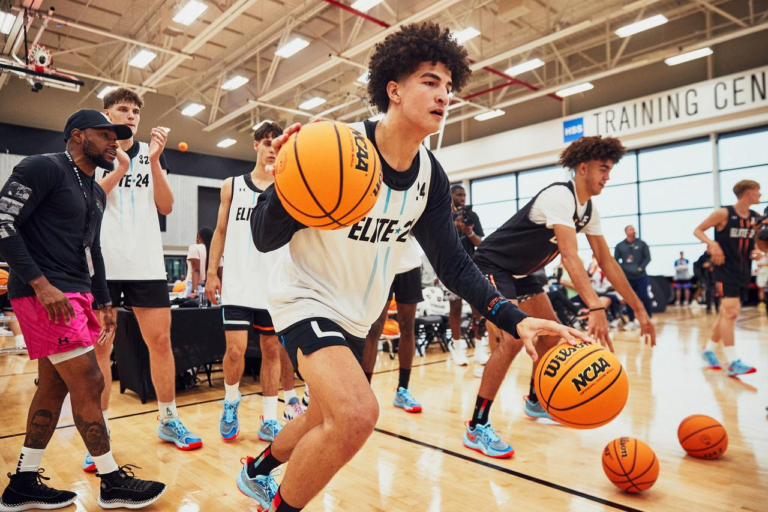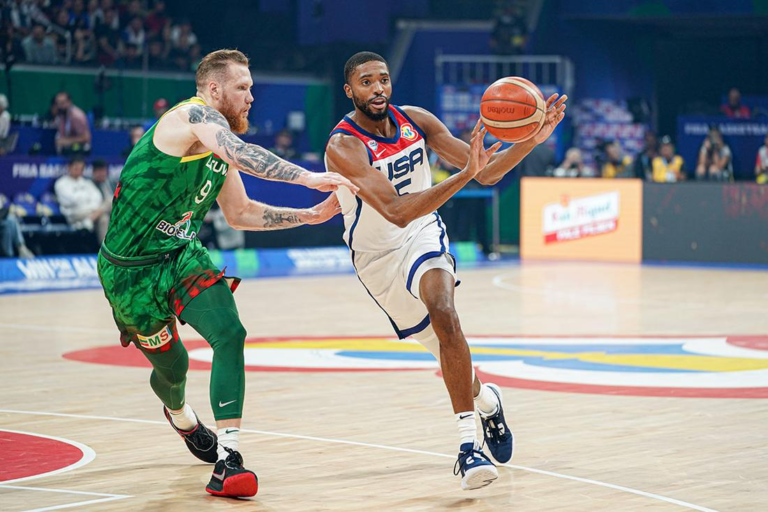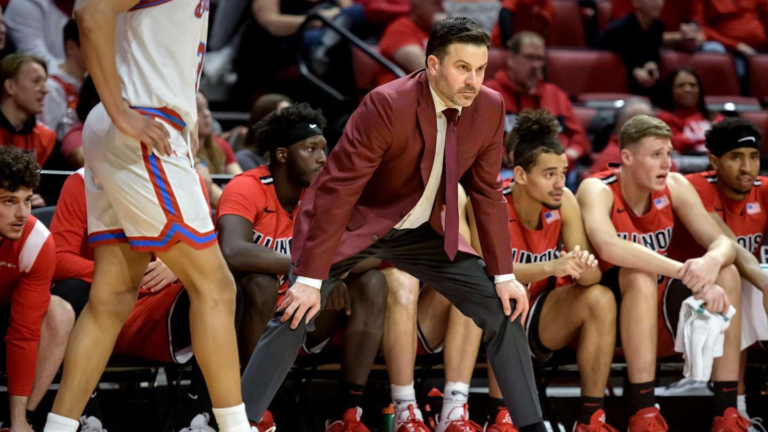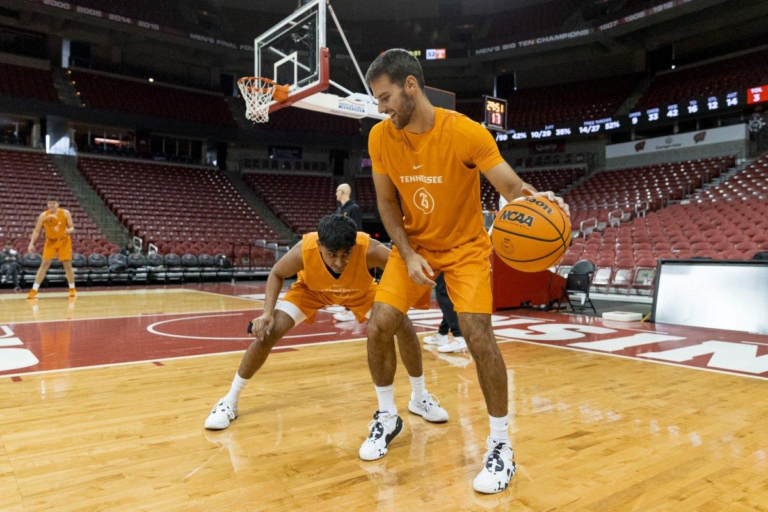
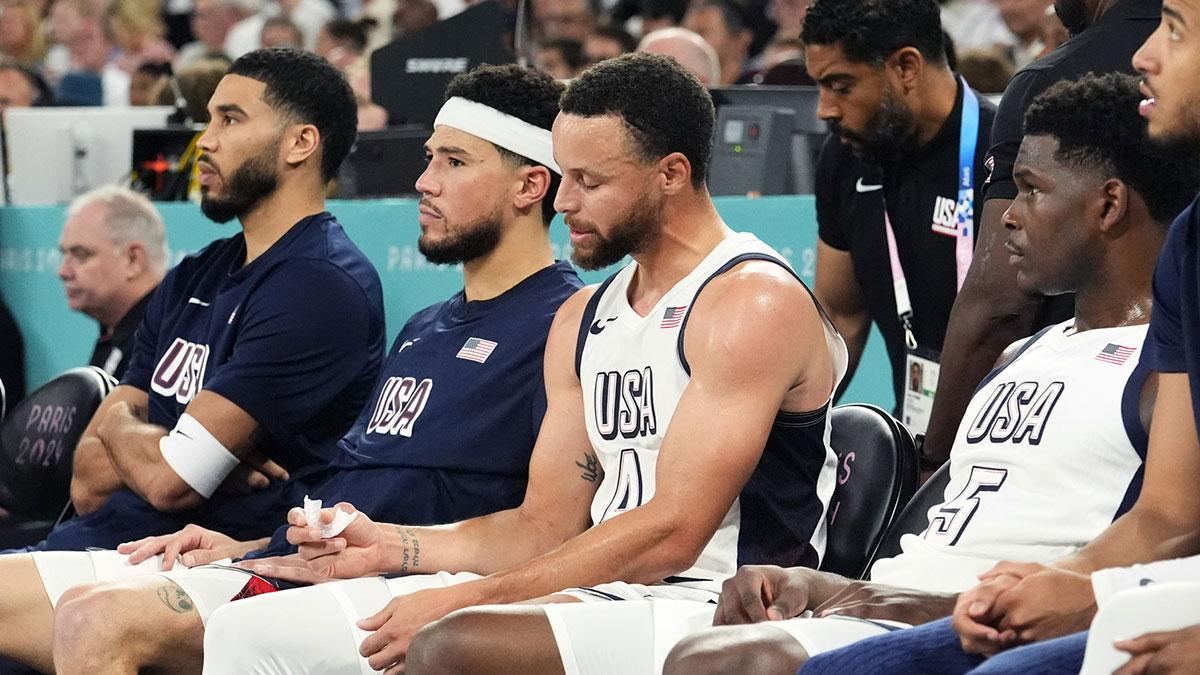
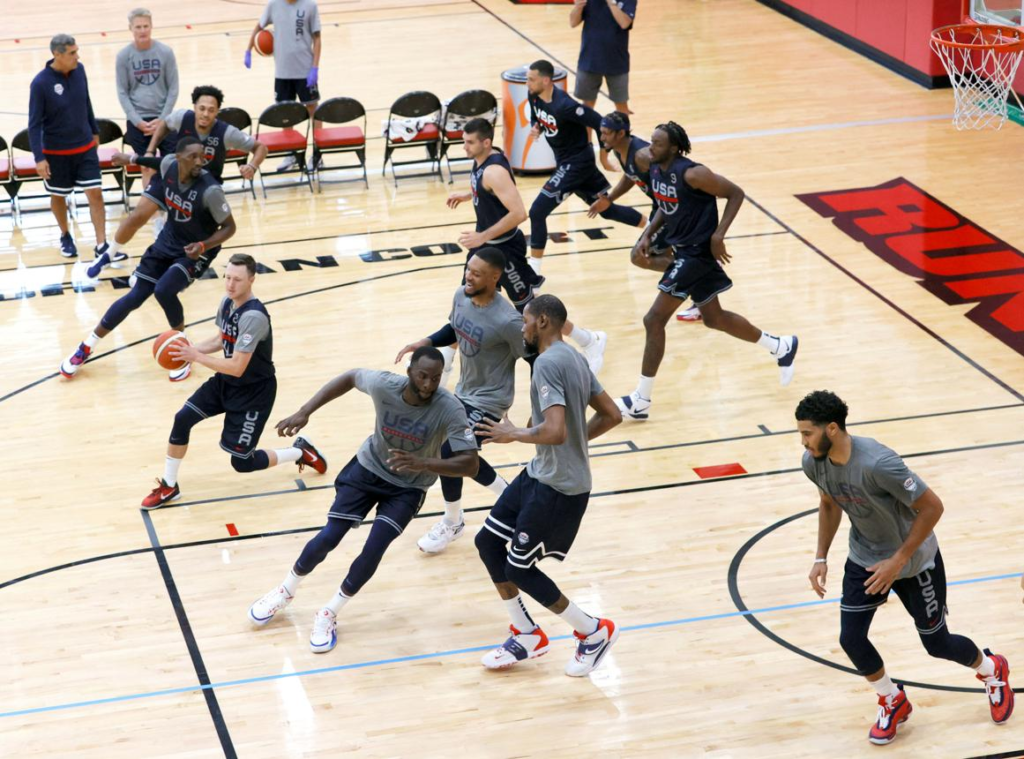
Team USA’s next basketball roster is shaping up to be more than a list of stars for the 2027 FIBA World Cup and the 2028 Los Angeles Olympics. It’s a preview of where American basketball is heading: younger, more versatile, more positionless, and more dependent on development systems that now stretch from grassroots circuits to the NBA, WNBA, college basketball, and specialized international training.
The next Team USA roster matters for more than one tournament
For decades, Americans have treated Team USA as both a gold-medal favorite and a running referendum on the state of the sport. When the roster is loaded with Hall of Fame talent, the conversation becomes about dominance. When the field narrows, the conversation shifts to whether the United States still develops the right kinds of players to stay ahead of the rest of the world.
That is why the next Team USA era deserves a closer look. The roster that forms over the next two summers—through national team camps, the 2027 FIBA World Cup cycle, and eventually the 2028 Los Angeles Olympics—will say a great deal about how USA Basketball is adapting to a global game that has changed rapidly. The future of the sport is no longer just about having the best isolation scorer or the deepest bench. It is about lineup flexibility, shooting, defensive switching, ball security, role acceptance, and whether the American player-development system is still producing the kinds of stars who can thrive under FIBA rules and international pressure.
In practical terms, Team USA is entering a transition phase. The gold-medal team from Paris 2024 leaned heavily on veteran greatness. That formula worked, but it also underscored how much of the team’s identity rested on older superstars. ESPN reported in February 2026 that USA Basketball is now staring at a different challenge: building toward Los Angeles 2028 with a younger core while still deciding how much room remains for established veterans such as Kevin Durant. The same reporting pointed to a likely youth movement built around players such as Anthony Edwards, Bam Adebayo, Devin Booker, Tyrese Haliburton, Paolo Banchero, Cade Cunningham, and rising prospects like Cooper Flagg.
That matters because roster turnover is never just about names. It reveals what the sport values next.
Why Americans are paying closer attention to the Team USA transition
There are a few reasons this roster conversation feels bigger than a normal Olympic handoff.
First, the 2028 Summer Olympics are in Los Angeles. A home Olympics changes the pressure, the marketing, the public visibility, and the emotional stakes. USA Basketball is not just trying to win; it is trying to present a credible vision of American basketball on home soil.
Second, the global competition is stronger than it was even a decade ago. International basketball is no longer a side stage where the U.S. can simply show up with superior athleticism and coast. France, Serbia, Canada, Germany, Spain, and other programs now have continuity, established systems, and NBA-level talent. The United States still has the deepest player pool in the world, but depth alone is not a strategy.
Third, the domestic pipeline has changed. NIL money, the transfer portal, NBA skill specialization, private training ecosystems, early-brand building, and year-round basketball have altered how players develop and how they relate to national team play. The next roster will reflect whether those changes are helping USA Basketball or forcing it to rethink its evaluation model.
The biggest shift: Team USA is moving from star accumulation to roster architecture
The easiest way to understand the next era is to stop thinking of Team USA as a simple “best 12 players” exercise.
At the highest level, roster building now looks more like architecture than celebrity casting. In international basketball, a flawed fit can matter more than an All-NBA résumé. FIBA games are shorter, the lane looks different, officiating allows more physicality, and turnovers are more damaging because there are fewer possessions to recover from. A player who dominates in an NBA spacing environment may not automatically be the best international option if he needs the ball constantly, struggles with role compression, or can’t defend multiple actions without fouling.
That is why the next roster will likely prioritize a few specific traits:
- Size across the perimeter, especially at guard and wing
- Decision-making under pressure, including low-turnover play
- Defensive versatility, particularly switchability and help instincts
- Quick processing without the ball, since stars won’t dominate possessions the same way they do in the NBA
- Reliable shooting without high usage
- Comfort in role-based basketball, where some elite NBA players may become secondary or tertiary options
This is not theoretical. Team USA’s recent roster-building choices already show it. The Paris group leaned into role balance, defense, and shooting around its biggest stars. The next cycle may double down on that logic because the stars themselves will be younger and less established in FIBA settings.
What the likely player pool says about the future of American men’s basketball
If the projected next wave holds, Team USA’s core will probably be built around players in their early-to-mid 20s rather than players in their mid-to-late 30s. That alone tells us something important: American basketball is entering a phase where its future leaders are longer, more interchangeable, and more comfortable in hybrid roles.
1) The next face of Team USA may be a wing, not a traditional point guard
For years, American basketball revolved around the elite shot-creating guard. That archetype is still valuable, but the next Team USA roster suggests a different center of gravity. Anthony Edwards, Devin Booker, Jayson Tatum if healthy, Paolo Banchero, Scottie Barnes–style connectors, and eventually Cooper Flagg all fit a modern profile: big wings or wing-forwards who can score, defend, and initiate offense without fitting neatly into one position.
That matters because the sport is moving away from rigid role labels. Team USA is likely to favor players who can bring the ball up one possession, defend a bigger wing the next, and make the extra pass without needing the offense to revolve around them. In other words, the American game is increasingly rewarding multi-tool creators over narrow specialists.
2) Size at guard is becoming a competitive advantage, not a luxury
One of the subtler lessons from recent international play is that smaller guards can be harder to build around in FIBA competition unless they are truly exceptional. Physicality is higher, switching is more punishing, and every defensive weak spot gets hunted.
That doesn’t mean smaller guards are out. It does mean the roster calculus changes when comparing someone like Tyrese Haliburton or Cade Cunningham to a more traditional undersized scoring guard. Haliburton brings size, passing vision, and pace control. Cunningham offers positional flexibility and a larger defensive footprint. Those traits matter when the U.S. is trying to defend multiple styles across a two-week tournament.
The implication for the future of the sport is straightforward: American development systems may increasingly reward guards who are 6-foot-4 and above, especially if they can defend up a position and make fast reads.
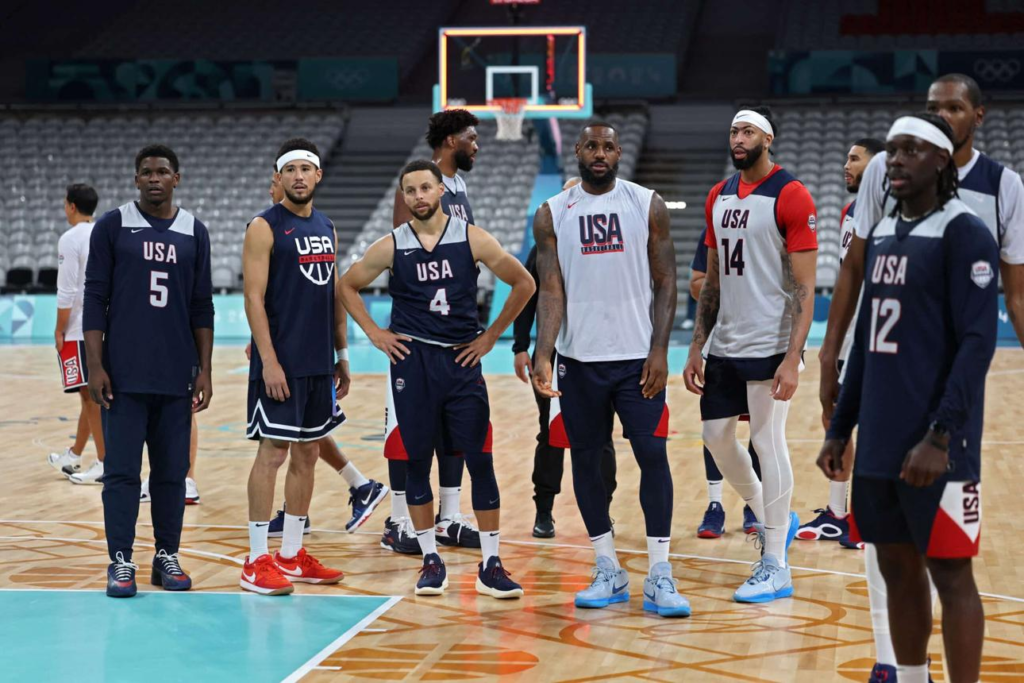
3) Frontcourt versatility is now mandatory
The next Team USA roster is likely to include a blend of Bam Adebayo, Evan Mobley, Chet Holmgren, Jalen Duren, or similar archetypes because the U.S. needs bigs who can survive multiple matchup types. Against one opponent, the priority may be switching onto guards and protecting space. Against another, it may be containing a dominant interior creator or surviving against size without sacrificing pace.
This is one reason Adebayo remains so important. He represents a modern FIBA big: mobile, defensively disciplined, comfortable in short-roll playmaking, and good enough to survive smaller lineups. If Holmgren, Mobley, or Duren become staples, it will confirm that American basketball is moving away from the old “power post scorer” ideal and toward long, mobile bigs who can defend in space.
The Cooper Flagg question is really a question about the next generation of U.S. player development
Whenever a teenage or early-20s prospect enters the Team USA conversation, fans naturally ask whether the hype is getting ahead of reality. But the bigger story is not just whether Cooper Flagg makes an Olympic roster. It is what his candidacy represents.
Flagg symbolizes the modern American prospect pipeline: elite high-school visibility, national camp experience, early exposure to USA Basketball select teams, polished two-way skill development, and a game built around feel rather than one-dimensional athletic dominance. If players like Flagg become central to Team USA earlier than past generations did, it will show that USA Basketball increasingly trusts players who have been integrated into its system long before they become NBA stars.
That is not a small point. USA Basketball’s youth structure remains one of the clearest indicators of where the senior team is headed. In June 2025, USA Basketball announced 31 athletes for its men’s U19 national team training camp, and in June 2026 it announced 36 athletes for its men’s U17 training camp, including multiple returnees from prior youth gold-medal teams. Those camps matter because they are not just tournaments; they are evaluation labs for the next decade of national-team basketball.
The lesson for readers is simple: if you want to understand the future Team USA roster, do not only watch NBA All-Star Weekend or Olympic qualifiers. Watch the youth national team pipeline. It often tells the story earlier.
What Team USA’s next roster says about the health of the American basketball pipeline
The U.S. still produces elite talent at every level. That is not in serious doubt. The more interesting question is whether the American pipeline is producing the right mix of players for the modern international game.
What still works well in the U.S. system
The American ecosystem remains unmatched in several areas:
- Volume of high-end talent from high school through the NBA and WNBA
- Access to specialized skill development at young ages
- Competitive reps against elite athletes year-round
- Positionless experimentation, especially for wings and forwards
- A deep women’s and men’s talent base, which matters for national team continuity across programs
USA Basketball’s infrastructure is still a major asset here. The organization remains the governing body for the sport in the United States and sits at the center of youth, 5-on-5, and 3×3 pathways that feed future national teams.
Where the U.S. still has to adapt
But the American system also has real pressure points:
1. Role adaptation can be uneven.
Top prospects often grow up as primary creators. On Team USA, many of them need to become screeners, secondary defenders, floor spacers, or connectors. That transition is not always smooth.
2. Continuity is harder to build.
European and other international programs often keep their core groups together for years. Team USA, by contrast, regularly rebuilds around availability, NBA schedules, injuries, and Olympic cycles.
3. The incentives are different.
In the U.S., players are pulled by NBA obligations, endorsement schedules, rest considerations, and increasingly year-round professional branding. National team service is still prestigious, but it competes with more demands than it once did.
4. Grassroots basketball still gets criticized for prioritizing exposure over tactical development.
Some of that criticism is overstated, but the underlying concern is worth taking seriously: does the system consistently teach possession value, off-ball discipline, and FIBA-style physical decision-making?
The next Team USA roster will not settle that debate by itself. But it will offer evidence.
The coaching transition may be as important as the player transition
The roster is only half the story. The coach matters because the next phase of Team USA likely requires a different management style than the one used to guide a veteran-laden superteam.
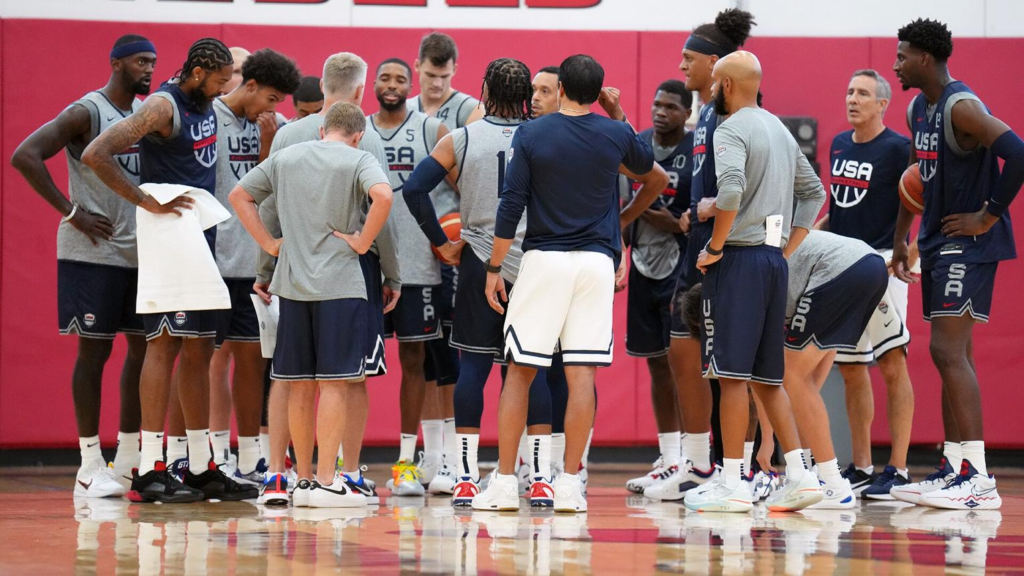
If the player pool gets younger, the coaching emphasis probably shifts toward structure, accountability, and role definition. Younger stars often need clearer lineups, faster correction, and more tactical discipline in international settings. That does not mean they need heavy-handed coaching; it means the margin for confusion gets smaller.
This is one reason the coaching conversation has centered on Erik Spoelstra as a key figure in the next era. Spoelstra’s reputation has long rested on adaptability, defensive clarity, and the ability to get buy-in from players with very different offensive identities. ESPN’s reporting on the 2028 build described Spoelstra as a likely tone-setter for the next cycle and highlighted how his style could matter more with a younger group.
For the future of the sport, that matters because Team USA often acts as a mirror for what elite basketball values. If the next national team leans heavily into Spoelstra-style principles—possession discipline, versatile defense, role definition, and matchup-based rotation decisions—that may further normalize those priorities across American basketball culture.
What about the women’s side? The broader USA Basketball story is about pipeline strength across the sport
Although most public debate about “Team USA’s next roster” focuses on the men’s Olympic team, the future of USA Basketball cannot be understood through the men’s side alone.
The women’s program remains one of the strongest indicators of what a well-run national pipeline looks like: early identification, continuity, high expectations, and a clear connection between youth national teams, college performance, professional readiness, and senior-team opportunity. USA Basketball’s women’s national team minicamps and development events regularly function as both preparation and succession planning. The organization’s 2024 women’s minicamp roster and later developmental stories around emerging players illustrate how deliberately that pipeline is managed.
That matters for the broader future of the sport in the U.S. because it suggests a model: national-team success is not only about superstar depth. It is about consistent integration between development stages. If USA Basketball can do that more seamlessly on the men’s side over the next cycle, the next roster will be stronger for it.
The roster decisions fans should watch most closely over the next two years
If you want to evaluate where Team USA is headed, watch these questions rather than just waiting for the final Olympic roster reveal.
Which players commit to the 2027 FIBA World Cup cycle?
The World Cup often acts as a proving ground for the next Olympic roster. Players who show up, accept roles, and succeed in FIBA play gain an edge because they reduce uncertainty for selectors.
Does Team USA choose two-way connectors over pure scorers?
This is one of the biggest clues to how the sport is evolving. If the roster favors versatile defenders and quick processors over one-dimensional bucket-getters, that tells you what USA Basketball believes wins now.
How much does prior USA Basketball experience matter?
If the next roster leans heavily on players with long USA Basketball résumés—youth teams, select teams, minicamps—it will signal that continuity inside the national-team ecosystem has become more valuable.
Will the team prioritize size even if it means leaving off a more famous name?
This is often where public perception and roster reality diverge. The best Olympic roster is not always the one with the biggest names. It is the one with the fewest tactical weak points.
So what does Team USA’s next roster actually say about the future of basketball in America?
At a high level, it says five things.
First, the American game is becoming more positionless, not less. The next stars are expected to create, defend, pass, and rebound across multiple roles.
Second, versatility is overtaking specialization in national-team value. A player who can do four things well may matter more than one who does one thing brilliantly.
Third, the youth pipeline matters more than ever. The path from U16, U17, and U19 teams to the senior roster is becoming easier to trace, and fans should pay attention to it.
Fourth, international basketball is now a true systems challenge for the U.S., not just a talent exercise. Coaching, continuity, and role acceptance matter more than they used to.
Fifth, the future of the sport in America is still bright—but it is no longer self-executing. The U.S. still has the best overall player pool. The real challenge is converting that depth into a coherent team under international rules against countries that have spent years closing the tactical gap.
That is what makes the next Team USA roster so interesting. It is not just a projection board for Los Angeles 2028. It is a live case study in how American basketball intends to stay ahead.
FAQ: What Americans are asking about Team USA’s next basketball era
1) Who is likely to make the next Team USA men’s basketball roster?
The early conversation centers on players such as Anthony Edwards, Bam Adebayo, Devin Booker, Tyrese Haliburton, Paolo Banchero, Cade Cunningham, Evan Mobley, and possibly Cooper Flagg, with some veterans still in consideration depending on health, fit, and availability. The 2027 World Cup cycle will likely shape the final Olympic picture.
2) Is Team USA expected to get younger before the 2028 Olympics?
Yes. That appears to be the direction of the program. The Paris 2024 team leaned older, and the next cycle is widely expected to feature more players in their early-to-mid 20s.
3) Why does the FIBA World Cup matter for Team USA roster decisions?
Because it gives USA Basketball live information about which players can handle international spacing, physicality, officiating, and role changes. Strong World Cup performances often translate into Olympic trust.
4) Will Kevin Durant still be part of Team USA’s future?
He has publicly expressed interest in continuing to play internationally, but the final decision will depend on health, performance, and how USA Basketball balances veteran leadership with a younger core.
5) Why are bigger guards becoming more important for Team USA?
Size helps defensively in switch-heavy lineups and reduces matchup vulnerabilities in FIBA play. Taller guards can also survive more physical perimeter play and often fit more lineup combinations.
6) How does USA Basketball identify future national team players?
Through a combination of youth national teams, training camps, select teams, college and professional evaluation, and ongoing relationships with players who participate in the USA Basketball system early in their careers.
7) What role does Cooper Flagg play in the Team USA conversation?
He represents the next generation of American two-way prospects—big, versatile, skilled, and already familiar with the USA Basketball ecosystem. Whether or not he makes the final roster immediately, his rise reflects where the sport is going.
8) Is Team USA still clearly the best basketball program in the world?
The U.S. still has the deepest talent pool, but the margin is smaller than it used to be. Other countries now combine NBA talent with strong continuity and international-system experience, which makes tournament play more competitive.
9) How is USA Basketball different from the NBA when it comes to roster building?
NBA teams are built for an 82-game season with long-term chemistry and salary constraints. Team USA is built for short tournaments under FIBA rules, so fit, role acceptance, and defensive flexibility can matter more than pure star power.
10) What should fans watch over the next two years to understand Team USA’s future?
Watch who commits to the 2027 World Cup cycle, who earns repeated USA Basketball invitations, which young wings and bigs become trusted defenders, and how the coaching staff prioritizes fit over fame.
About the Author