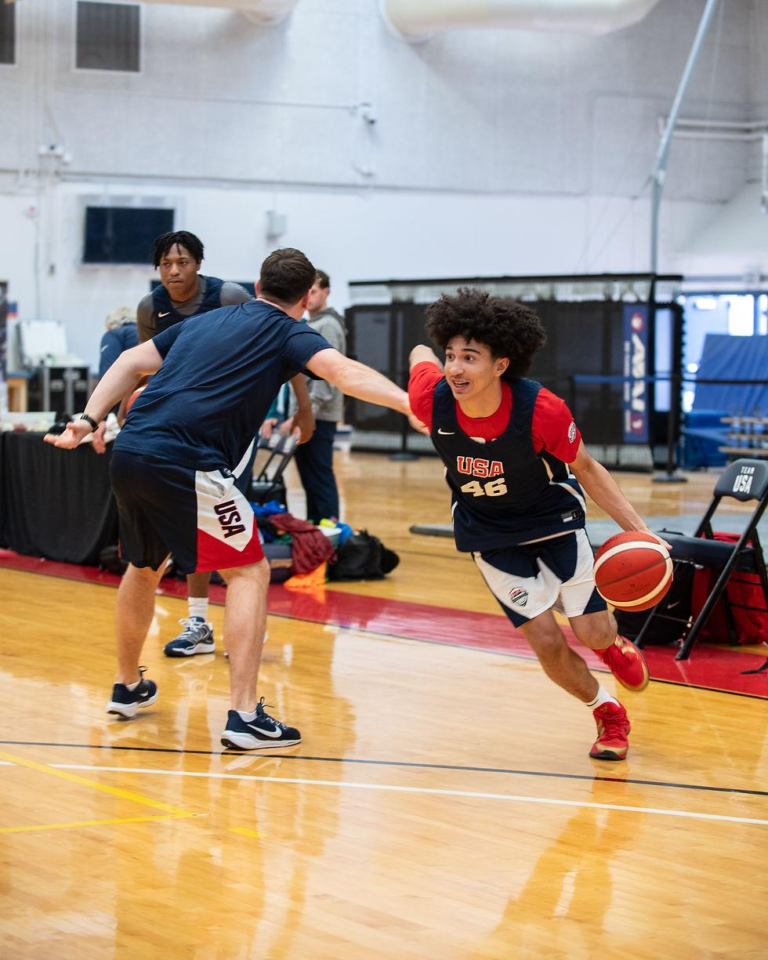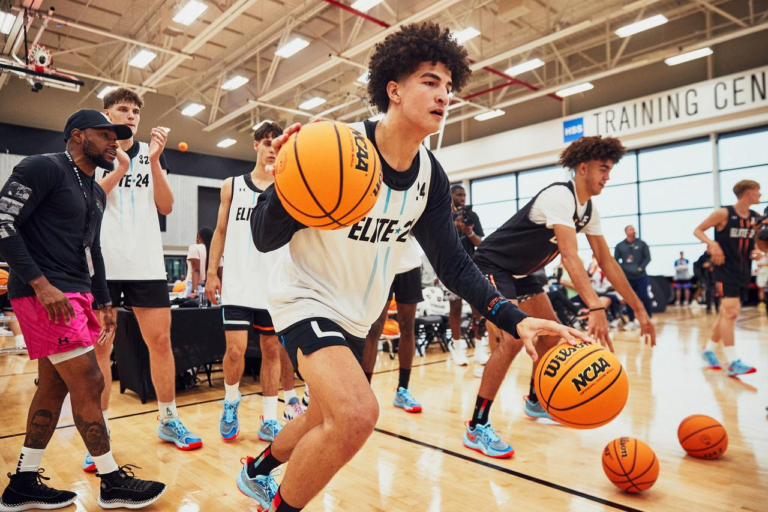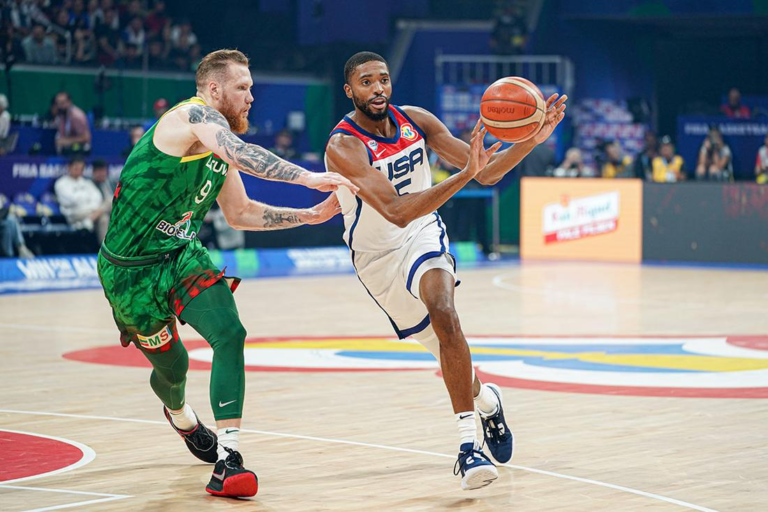
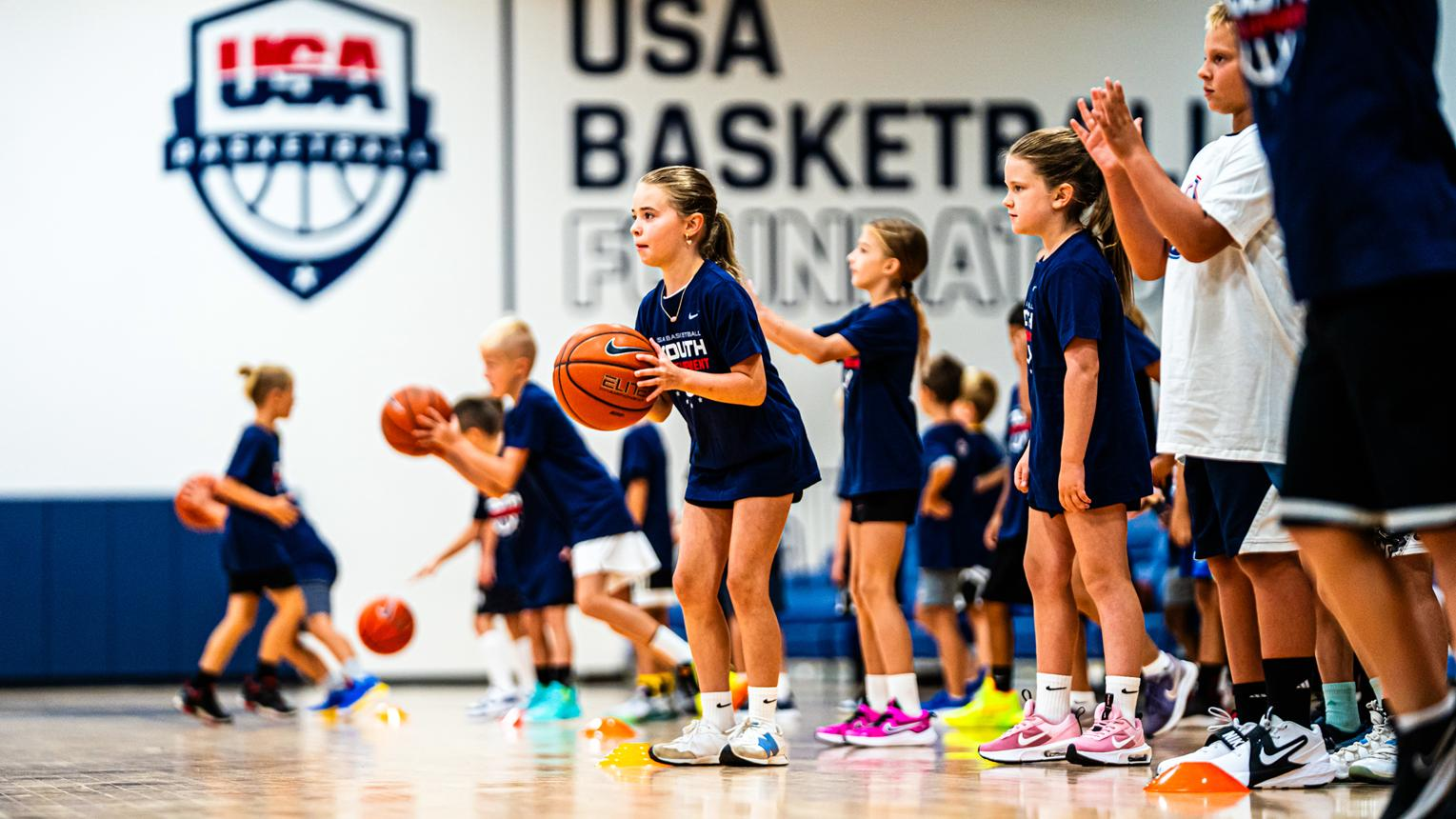
USA Basketball is entering a new era shaped by emerging stars, evolving international competition, advanced player development, and changing fan expectations. While the program remains one of the world’s most successful, today’s teams must adapt to deeper global talent and modern basketball strategies. Understanding these changes helps fans appreciate why every tournament, roster decision, and coaching adjustment now receives unprecedented attention.
USA Basketball: A New Chapter for America’s Most Recognized Basketball Program
For decades, USA Basketball has represented excellence on the international stage. Olympic gold medals, FIBA World Cup appearances, and legendary players have built a reputation that few national sports programs can match. Yet today’s version of USA Basketball faces a dramatically different environment than previous generations experienced.
International basketball has become increasingly competitive. Countries that once struggled to compete against the United States now produce NBA stars, world-class coaches, and sophisticated player development systems. As a result, every international tournament has become more unpredictable, making roster construction, coaching strategies, and team chemistry more important than ever.
American fans have noticed this shift. Instead of assuming every tournament ends with a gold medal, many now follow roster announcements, training camps, exhibition games, and coaching decisions much more closely. That growing attention reflects both the changing nature of global basketball and the continued importance of USA Basketball as one of the sport’s premier organizations.
Why USA Basketball Matters Beyond the Olympics
USA Basketball serves multiple purposes beyond simply competing for international championships.
The organization oversees national teams at various age levels, helping identify future elite players while establishing consistent playing philosophies. Youth development programs create pathways that allow talented athletes to gain international experience before reaching the NBA or WNBA.
For professional players, representing Team USA remains one of basketball’s highest honors. Olympic and World Cup competition provides opportunities to compete alongside elite teammates while facing playing styles different from those seen during the NBA season.
USA Basketball also influences coaching development, sports science, officiating education, and grassroots basketball initiatives across the country.
Its impact extends into:
- Olympic basketball
- FIBA World Cup competitions
- Youth national teams
- Women’s international basketball
- Coach education programs
- Athlete development initiatives
- Grassroots basketball promotion
The Next Generation Is Arriving Faster Than Many Expected
Every era eventually transitions.
After years defined by household names who dominated international basketball, younger NBA stars are increasingly expected to assume leadership responsibilities. That transition isn’t simply about replacing veteran talent—it requires developing new chemistry, leadership styles, and tactical identities.
Today’s emerging players grew up watching previous Olympic teams but developed within a completely different basketball environment. Positionless basketball, increased three-point shooting, pace-and-space offenses, and advanced analytics now influence nearly every aspect of player development.
Many young American stars already enter international tournaments with extensive professional experience despite being relatively early in their careers.
This creates an interesting balance.
Younger rosters often possess greater athleticism and versatility, while veteran players contribute experience, leadership, and familiarity with international competition. Successful USA Basketball teams usually blend both qualities rather than relying exclusively on one generation.
International Basketball Has Never Been More Competitive
Perhaps the biggest reason fans pay closer attention today is simple: winning has become harder.
Countries across Europe, South America, Africa, Asia, and Oceania continue investing heavily in basketball infrastructure.
Modern international programs benefit from:
- Professional domestic leagues
- Elite coaching academies
- Advanced sports medicine
- NBA player participation
- Youth development academies
- International competition beginning at younger ages
As a result, many national teams now feature multiple NBA players alongside experienced international veterans who have played together for years.
Unlike the United States, where national teams are assembled periodically, many competing nations maintain continuity over several tournament cycles.
That familiarity often becomes an advantage during short international tournaments where team chemistry develops quickly.
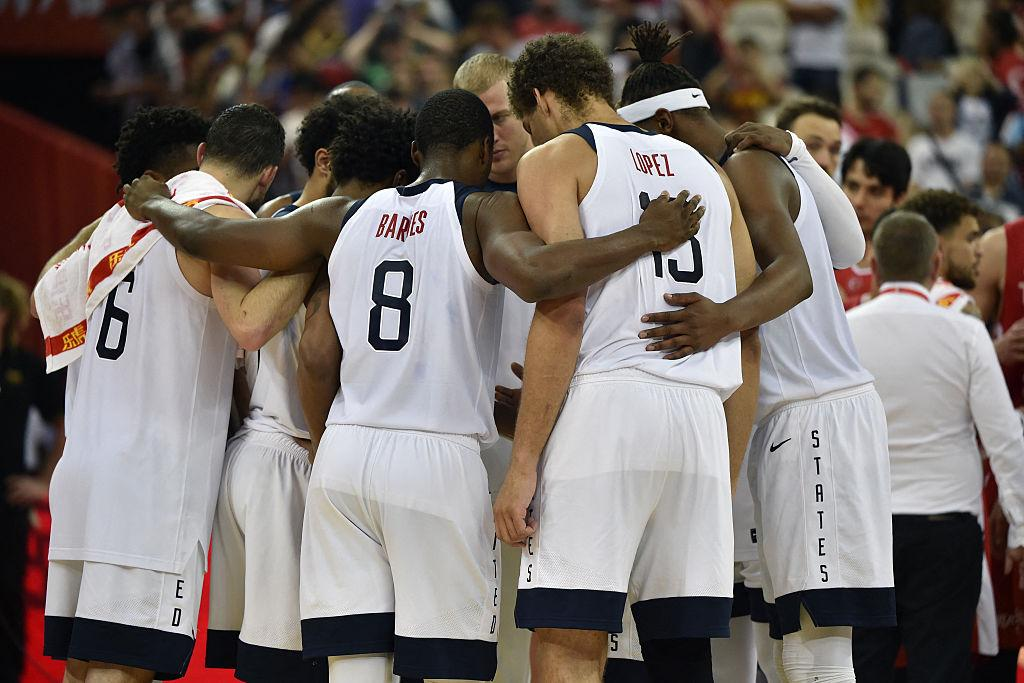
How NBA Experience Helps—and Sometimes Doesn’t
Many casual fans assume NBA success automatically translates into international dominance.
Reality is more complicated.
FIBA basketball differs from NBA basketball in several meaningful ways.
The rules encourage more physical play, defensive strategies vary, court dimensions create different spacing, and tournament schedules require rapid adjustments.
Players accustomed to being primary scoring options during the NBA season often need to embrace different responsibilities.
One player may become a defensive specialist.
Another may focus on rebounding.
A superstar scorer may become more of a facilitator depending on the matchup.
Those role adjustments often determine tournament success more than individual statistics.
Experience also matters because international opponents understand how to exploit unfamiliarity with FIBA rules and officiating.
Team Chemistry Often Determines Championships
Talent remains essential, but chemistry increasingly separates championship teams from disappointing ones.
International tournaments provide limited preparation time.
Unlike NBA franchises that practice together for months, national teams often have only weeks to develop offensive systems and defensive communication.
Successful USA Basketball teams usually demonstrate several characteristics:
- Clear player roles
- Strong leadership
- Defensive commitment
- Willingness to share the ball
- Adaptability against different opponents
- Consistent communication
History has repeatedly shown that the most talented roster does not automatically become the tournament champion.
Players who accept complementary roles frequently help create stronger overall team performance.
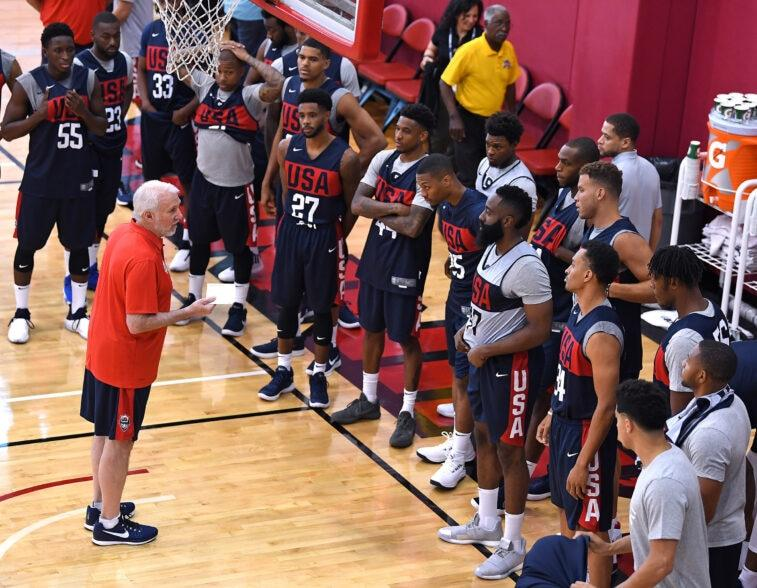
Coaching Has Become More Important Than Ever
International coaching has evolved dramatically.
Modern coaching staffs prepare detailed scouting reports, analyze opponent tendencies through advanced video technology, and develop specialized game plans for every matchup.
USA Basketball coaches must accomplish several difficult tasks simultaneously.
They need to integrate elite players from different NBA systems, establish defensive identity quickly, manage playing time fairly, and adjust strategies within compressed tournament schedules.
Communication also becomes critical.
Players arrive with different offensive habits, defensive terminology, and coaching experiences from their professional teams.
Creating a unified basketball language within weeks requires exceptional preparation.
Why Fans Are Following Roster Decisions More Closely
Years ago, roster announcements generated interest primarily because of superstar names.
Today, fans examine much deeper questions.
They wonder:
- Which players complement each other?
- Is enough size available?
- Does the roster include defensive specialists?
- Who provides perimeter shooting?
- Which players already have international experience?
- How will injuries affect continuity?
These conversations resemble the analysis once reserved primarily for NBA front offices.
Social media, advanced statistics, podcasts, and basketball analytics have encouraged fans to evaluate roster construction more thoughtfully.
Rather than focusing solely on star power, many now appreciate the importance of lineup balance.
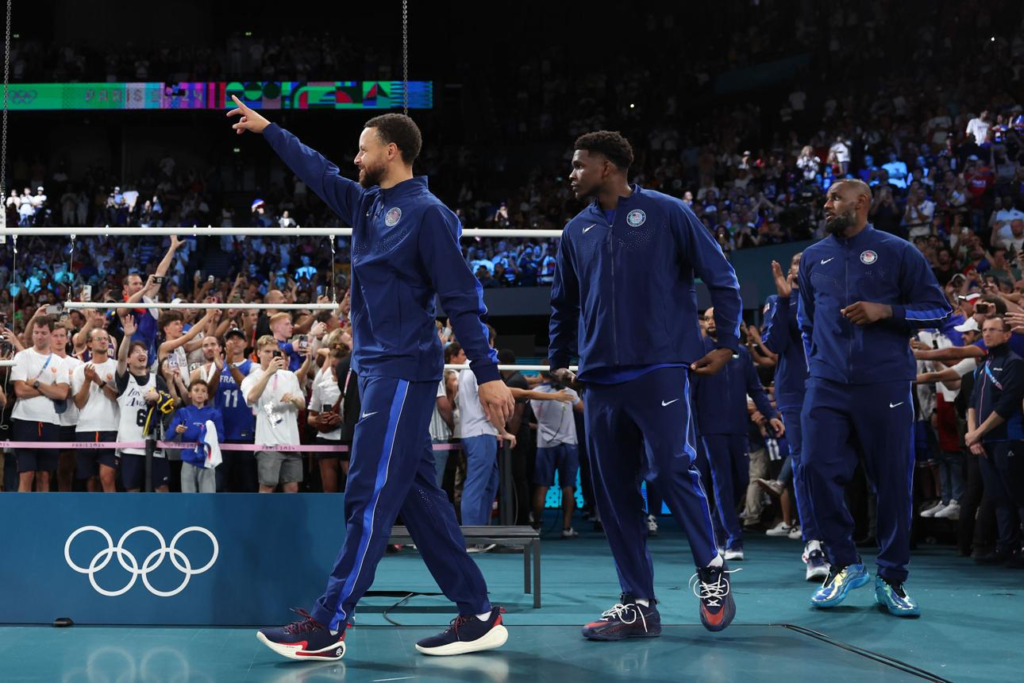
The Growing Influence of Analytics
Basketball analytics continue shaping international competition.
Coaches increasingly evaluate:
- Shot quality
- Defensive efficiency
- Transition scoring
- Lineup combinations
- Rebounding percentages
- Turnover rates
- Three-point efficiency
- Pace of play
These insights help coaching staffs make objective decisions regarding rotations and matchups.
Analytics never replace coaching judgment, but they provide valuable context for identifying strengths and weaknesses.
For fans, publicly available statistics have made basketball discussions more informed than ever.
Youth Development Is Building Long-Term Success
USA Basketball invests heavily in younger age groups because sustained success begins long before Olympic competition.
Youth national teams expose players to:
- International officiating
- Different defensive systems
- Tournament pressure
- Cultural experiences
- Leadership development
- Team-first basketball
Many future NBA and WNBA players first represent the United States during junior competitions.
Those experiences often ease future transitions into senior national teams.
The emphasis on long-term development helps maintain organizational continuity despite changing player generations.
Women’s USA Basketball Continues Setting the Standard
While much public discussion focuses on the men’s program, the women’s national team remains one of the most successful organizations in international sports.
Its sustained excellence reflects decades of investment in player development, coaching consistency, and organizational culture.
The program demonstrates that long-term planning, roster continuity, and clearly defined expectations can produce remarkable consistency across multiple generations.
Its success also contributes to growing interest in girls’ basketball throughout the United States.
What American Fans Want From Team USA Today
Modern fans expect more than victories.
They appreciate:
- Competitive effort
- Strong sportsmanship
- Smart coaching decisions
- Player development
- Transparency regarding roster choices
- Respect for international competition
Many also enjoy learning about emerging stars before they become NBA household names.
International tournaments provide valuable opportunities for younger players to demonstrate leadership against elite global competition.
That developmental aspect keeps fans engaged even between Olympic cycles.
Frequently Asked Questions
1. Why has international basketball become more competitive?
Countries worldwide have invested significantly in youth development, professional leagues, coaching, and sports science, producing more NBA-level talent than ever before.
2. Why doesn’t the United States always win international tournaments?
International basketball features different rules, shorter tournaments, stronger global competition, and limited preparation time for Team USA.
3. What does USA Basketball oversee?
The organization manages men’s and women’s national teams, youth development, coach education, and international competition across multiple age groups.
4. How are Team USA players selected?
Selection committees evaluate talent, positional fit, international experience, availability, health, and overall roster balance.
5. Why is team chemistry so important?
International tournaments allow limited practice time, making communication, role acceptance, and defensive cohesion essential.
6. What is different about FIBA basketball?
FIBA rules differ regarding physicality, court dimensions, officiating, game pace, and strategic approaches compared with the NBA.
7. Why do younger players receive more opportunities today?
Natural generational transitions require emerging stars to gain international experience while veteran players gradually pass leadership responsibilities.
8. How does USA Basketball develop future talent?
Youth national teams, regional camps, coaching education, and international competition help prepare athletes for future senior-level success.
9. Why do roster announcements receive so much attention?
Fans increasingly analyze lineup balance, defensive versatility, shooting, experience, and overall team fit rather than focusing only on star names.
10. Why does USA Basketball remain important globally?
Its influence extends beyond championships through youth development, coaching innovation, women’s basketball, and the continued global growth of the sport.
Keeping the Gold Standard in a Global Game
USA Basketball remains one of the world’s most respected sports organizations, but its future success depends less on overwhelming talent alone and more on adaptability, preparation, and collective commitment. As basketball continues expanding worldwide, every international tournament becomes an opportunity to demonstrate not only athletic excellence but also organizational strength.
The next generation inherits enormous expectations, yet it also benefits from improved player development, advanced coaching resources, and unprecedented basketball knowledge. Fans are paying closer attention because the margins between victory and defeat have narrowed, making every roster decision, strategic adjustment, and leadership choice more meaningful than ever. That evolving landscape ensures USA Basketball will remain one of the most compelling stories in global sports for years to come.
About the Author