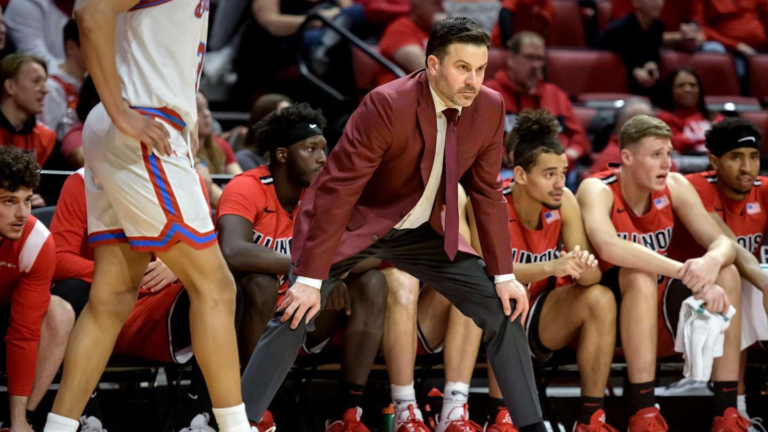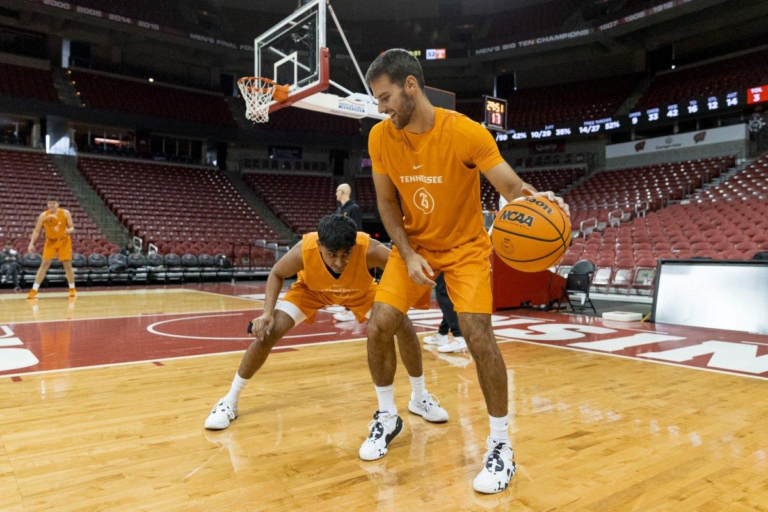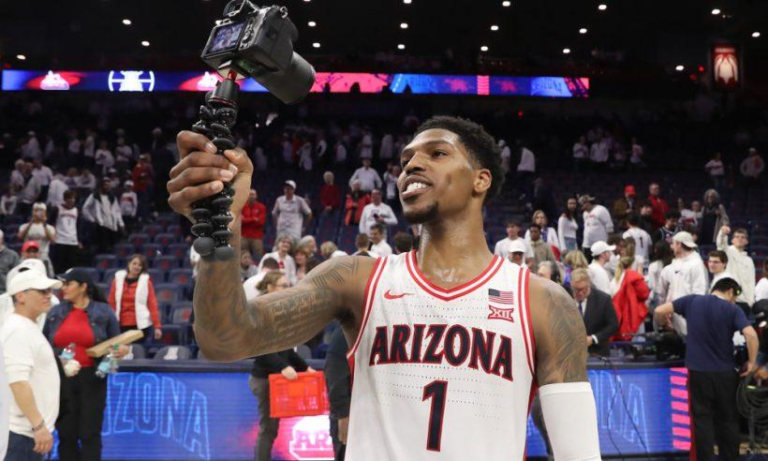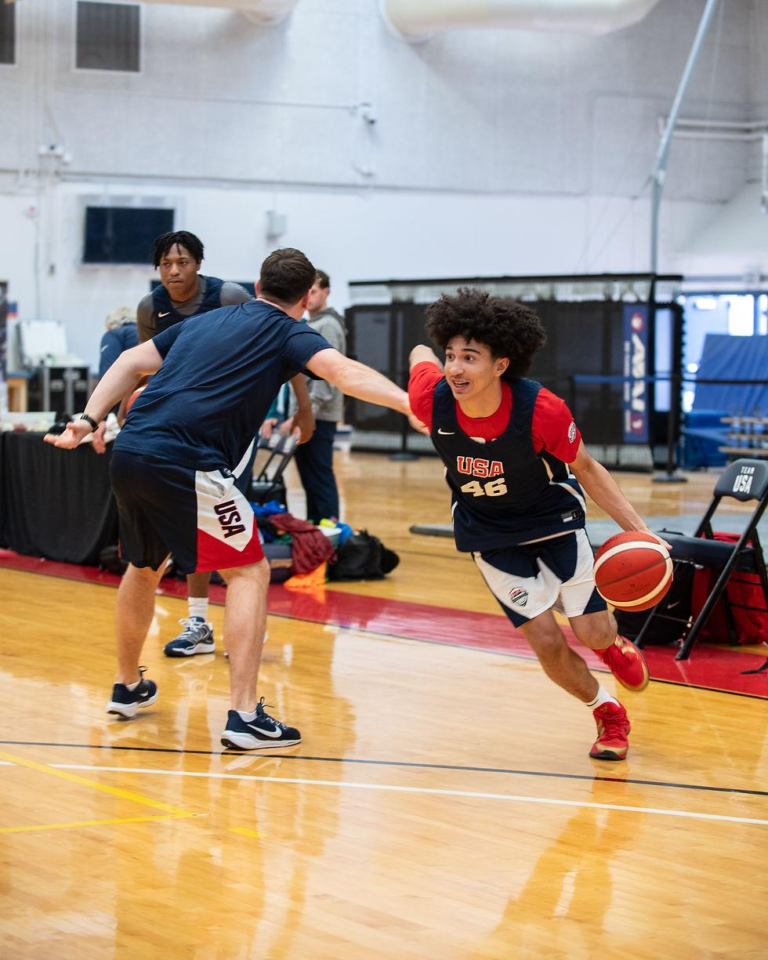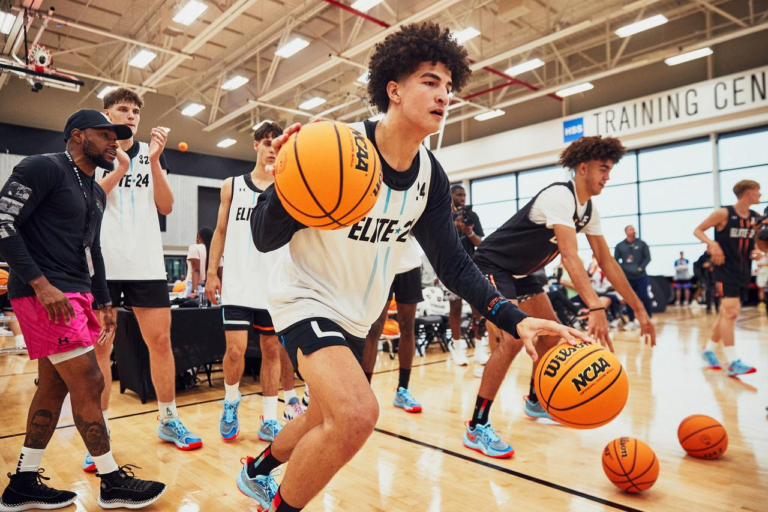
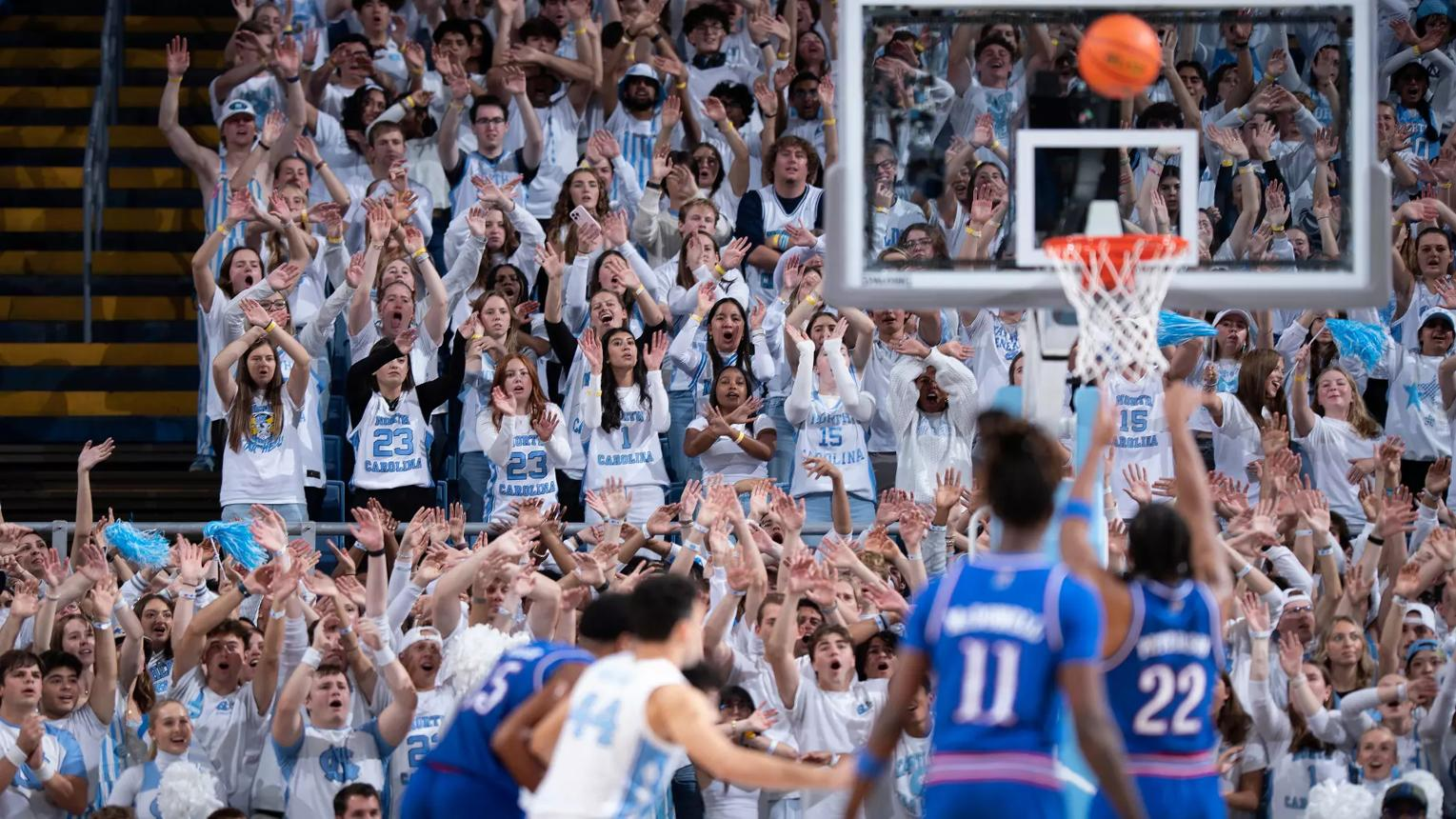
NCAA basketball is entering a transformative era shaped by player mobility, NIL opportunities, advanced analytics, and evolving coaching philosophies. These changes are influencing roster construction, player development, recruiting, and game strategy across Division I programs. Understanding these trends helps fans appreciate why teams succeed, how players adapt, and what to expect throughout today’s increasingly competitive college basketball season.
Introduction
College basketball has always been one of America’s most compelling sports. Every season introduces breakout stars, championship contenders, dramatic rivalries, and unforgettable March moments. Yet today’s NCAA landscape looks noticeably different from just a few years ago.
The introduction of Name, Image, and Likeness (NIL) opportunities, expanded transfer portal rules, sophisticated analytics, and changing recruiting strategies have reshaped nearly every aspect of the sport. Coaches are building teams differently. Players have greater flexibility in choosing programs. Fans are watching a faster, more tactical version of basketball.
For anyone following college hoops, understanding these developments provides valuable context for evaluating teams beyond their win-loss records.
The Transfer Portal Has Changed Team Building
Perhaps no development has influenced modern NCAA basketball more than the transfer portal.
Years ago, successful programs relied heavily on recruiting high school talent and patiently developing players over several seasons. Today, coaches often rebuild significant portions of their roster within a single offseason.
Many successful programs now combine:
- Experienced transfers
- Returning veterans
- Freshman recruits
- International prospects
- Specialized role players
This approach allows coaches to address weaknesses much faster than traditional recruiting cycles once allowed.
For example, a team needing perimeter shooting may recruit an experienced transfer instead of waiting for a freshman to develop over multiple seasons.
NIL Opportunities Are Reshaping Recruiting
Name, Image, and Likeness rules have introduced new financial opportunities for student-athletes.
Players can now earn income through:
- Sponsorship agreements
- Social media partnerships
- Local business endorsements
- Merchandise sales
- Personal appearances
While NIL has generated significant discussion, it has also encouraged many players to remain in college longer instead of immediately pursuing professional basketball.
Experienced upperclassmen often improve the overall quality of NCAA competition by bringing leadership, maturity, and consistency to their teams.
For coaching staffs, recruiting conversations now extend beyond basketball development to include branding opportunities and long-term career planning.
Analytics Continue to Influence Strategy
Advanced statistics now play an essential role in college basketball decision-making.
Many coaching staffs evaluate performance using metrics such as:
- Effective field goal percentage
- Offensive efficiency
- Defensive efficiency
- Turnover rate
- Pace of play
- Shot quality
These numbers help identify strengths that traditional box scores often overlook.
For example, two teams may average similar scoring totals, yet one generates significantly more efficient offensive possessions because it creates better three-point opportunities and limits turnovers.
Analytics also guide lineup combinations, substitution patterns, defensive adjustments, and late-game decision-making.

Three-Point Shooting Remains a Competitive Advantage
Perimeter shooting has become increasingly important across Division I basketball.
Modern offenses emphasize spacing, ball movement, and efficient shot selection rather than relying solely on post play.
Elite teams often succeed because they combine:
- Reliable three-point shooters
- Skilled passing
- Strong transition offense
- Versatile forwards
- Defensive flexibility
However, successful programs rarely depend exclusively on outside shooting. Championship-caliber teams usually balance perimeter scoring with rebounding, interior defense, and disciplined execution.
Defensive Versatility Wins Games
While offensive highlights often dominate television coverage, defense continues to determine postseason success.
The strongest defensive teams generally excel at:
- Switching multiple positions
- Protecting the rim
- Limiting transition baskets
- Contesting perimeter shots
- Forcing difficult possessions
Versatile defenders capable of guarding multiple positions have become especially valuable.
This flexibility allows coaches to adjust to different opponents without making significant lineup changes.
Experience Still Matters in March
Every season features talented freshmen, but NCAA Tournament success frequently depends on experienced leadership.
Veteran players typically contribute by:
- Managing late-game pressure
- Communicating defensively
- Avoiding unnecessary turnovers
- Maintaining composure during momentum swings
Several recent tournament runs have demonstrated that experienced rosters often outperform younger teams despite having fewer future NBA draft picks.
The combination of talent and experience remains one of the strongest indicators of postseason success.
Recruiting Is More Complex Than Ever
Recruiting now extends far beyond evaluating high school prospects.
Coaches regularly monitor:
- High school recruiting classes
- Transfer portal activity
- International talent
- Junior college prospects
- Returning roster stability
This broader approach allows programs to fill immediate needs while maintaining long-term roster balance.
Rather than signing the largest recruiting class possible, many successful coaches prioritize finding players who complement existing personnel.

Player Development Still Separates Elite Programs
Despite rapid roster movement, player development remains one of college basketball’s greatest competitive advantages.
Strong development programs emphasize:
- Individual skill improvement
- Strength training
- Basketball IQ
- Leadership
- Defensive discipline
Many players who arrive as role contributors eventually become conference stars because of consistent coaching and structured development plans.
Fans often focus on recruiting rankings, but internal improvement throughout the season frequently determines conference standings.
What Fans Should Watch This Season
Instead of evaluating teams solely by rankings, consider these indicators:
- How efficiently does the offense create quality shots?
- Can the defense adjust against different playing styles?
- Does the roster feature experienced leadership?
- How well do transfers fit the system?
- Can the team perform consistently away from home?
- Does the coaching staff make effective in-game adjustments?
These factors often predict sustained success more accurately than early-season records.
Frequently Asked Questions
1. Why is the transfer portal so important?
It allows student-athletes to change schools more easily, giving coaches greater flexibility when rebuilding rosters.
2. What is NIL?
Name, Image, and Likeness rules allow college athletes to earn compensation through approved commercial opportunities.
3. Are freshmen still important?
Yes. Elite freshmen remain valuable, but experienced players increasingly influence championship contenders.
4. Why are analytics used so extensively?
They provide deeper insights into efficiency, shot selection, defensive performance, and lineup effectiveness.
5. Does defense still win championships?
Strong defensive teams consistently perform well during conference tournaments and the NCAA Tournament.
6. How has recruiting changed?
Recruiting now includes transfers, international prospects, and roster management in addition to high school athletes.
7. Why are older teams often successful?
Experience helps players make better decisions under pressure and execute complex game plans.
8. What makes a balanced NCAA roster?
A combination of experienced veterans, talented newcomers, capable shooters, versatile defenders, and quality depth.
9. Can mid-major programs still compete?
Absolutely. Experienced coaching, disciplined systems, and strong player development continue to help mid-majors challenge nationally ranked opponents.
Looking Beyond the Rankings
The modern NCAA basketball season is shaped by far more than recruiting rankings or preseason expectations. Coaching adaptability, roster chemistry, analytics, player development, and strategic roster construction all contribute to sustained success.
For fans, this evolution makes college basketball even more fascinating. Every season presents new stories, unexpected contenders, and tactical innovations that reward those willing to look beyond the scoreboard. Whether following a traditional powerhouse or an emerging mid-major, understanding these broader trends offers a deeper appreciation of how today’s game continues to evolve while preserving the excitement that defines March basketball.
Season Snapshot
- NCAA basketball is evolving through NIL, transfers, and analytics.
- Experienced players remain critical to postseason success.
- Defensive versatility is increasingly valuable.
- Efficient offense matters more than raw scoring totals.
- Recruiting now extends beyond high school prospects.
- Player development continues to separate elite programs.
- Balanced rosters typically outperform one-dimensional teams.
- Fans benefit from evaluating strategy alongside statistics.
About the Author