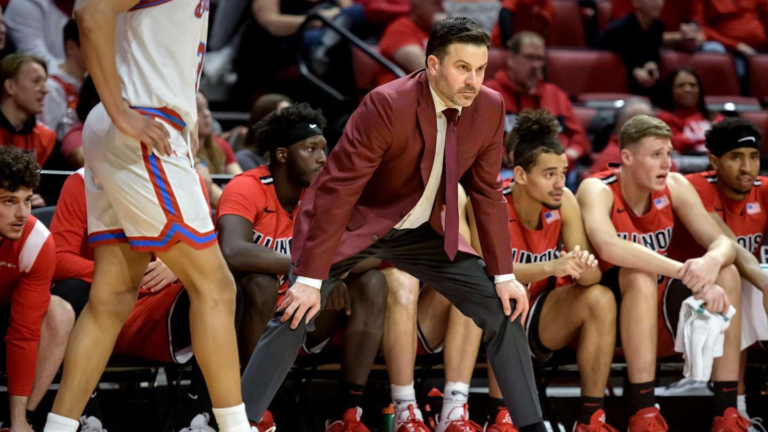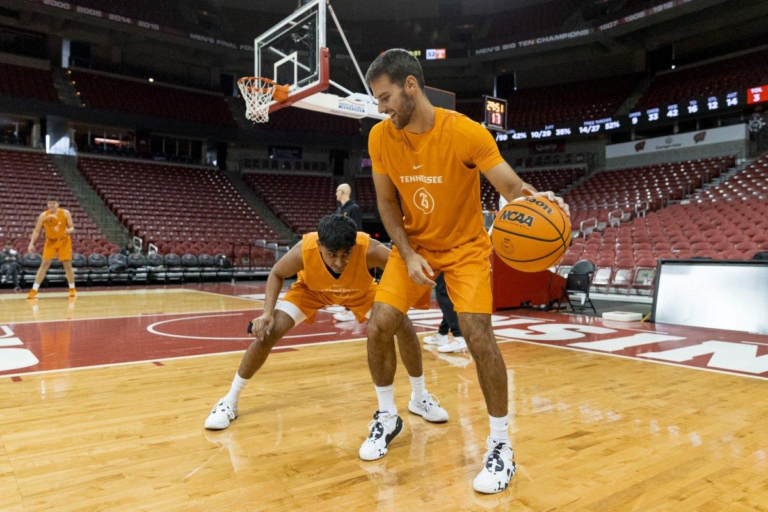

The NBA betting controversy highlights how modern sports gambling, insider information, and real-time betting markets intersect in ways fans rarely see. While headlines focus on individuals, the deeper story involves betting market vulnerabilities, integrity monitoring challenges, and growing pressure on players. Understanding how these scandals develop helps fans separate sensational narratives from reality.
Sports betting has become a normal part of watching basketball in America. Odds appear during broadcasts, betting apps sponsor arenas, and commentators openly discuss spreads and prop bets during games.
Yet, when gambling becomes closely intertwined with professional sports, complications inevitably arise.
The recent NBA betting scandal shocked many fans, but much of the reporting has oversimplified what actually happened. Media coverage often reduces complex integrity issues to individual blame stories, missing the broader structural challenges facing modern professional sports.
The truth is more nuanced. Today’s betting controversies rarely involve entire games being fixed. Instead, they involve smaller events within games, betting market manipulation, and suspicious betting activity connected to insider information.
This guide explores what really happened, what many media reports overlook, and what the future holds for betting and professional basketball.
Understanding the NBA Betting Scandal
At its core, the scandal revolves around allegations of suspicious betting patterns connected to specific player performance or game events. Sportsbooks detected unusual betting activity, triggering investigations into whether inside information or manipulation influenced outcomes.
However, this situation differs from classic match-fixing scenarios seen decades ago.
Modern betting markets allow wagers on micro-events, including:
• Player scoring totals
• Number of rebounds or assists
• Minutes played
• First player to score
• Fouls committed
• Player performance milestones
Because these bets involve individual player actions, manipulation—if it occurs—does not require altering the final game result. A slight performance change can drastically impact betting outcomes.
This shift makes modern betting scandals more complex and harder to detect.
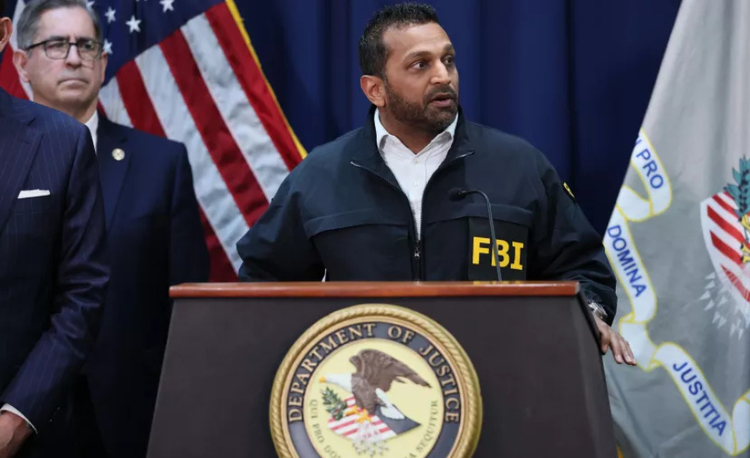
Why Betting Scandals Are Harder to Detect Today
Sports betting expanded rapidly after the 2018 U.S. Supreme Court ruling that allowed states to legalize sports wagering. Since then, sports betting has exploded across America.
Recent industry data shows:
• Over 35 U.S. states now allow some form of sports betting
• Americans wager more than $120 billion annually on sports
• NBA games rank among the most wagered sporting events
With millions of bets placed daily, monitoring irregular activity becomes extremely challenging.
Live betting, in-game wagers, and instant mobile betting apps allow gamblers to place bets during games in real time. Betting lines shift within seconds based on events or rumors.
In this environment, suspicious betting patterns may emerge quickly—and disappear just as fast.
What Media Coverage Often Misses
Media headlines tend to simplify scandals, but several underlying issues often go unreported.
Important realities include:
• Betting markets react instantly to insider information
• Social media rumors can move betting lines within minutes
• Low-level staff members sometimes possess valuable insider knowledge
• Players face growing harassment from bettors
• Prop betting increases opportunities for market manipulation
These factors create pressures that professional leagues have never faced before.
The issue isn’t necessarily widespread corruption; rather, it is the growing difficulty in protecting competitive integrity in a rapidly changing betting environment.
Historical Scandals Provide Important Context
Modern scandals echo earlier controversies in professional sports history.
One major example is the Tim Donaghy scandal in 2007, when an NBA referee admitted to betting on games he officiated and sharing information with gamblers. The incident severely damaged trust in officiating.
College basketball also experienced point-shaving scandals where players were pressured to manipulate scores slightly rather than lose outright.
Baseball legend Pete Rose was permanently banned after betting on games, despite his historic achievements.
These cases demonstrate a recurring theme: gambling becomes problematic when it intersects with competitive integrity.
Why Player Prop Bets Increase Risk
Player prop betting is one of the fastest-growing segments of sports wagering. Instead of betting on game winners, gamblers wager on individual player performance statistics.
This creates unique vulnerabilities:
• A single player’s performance can determine betting outcomes
• Minor statistical changes impact bets significantly
• Insider knowledge becomes valuable
• Performance fluctuations may go unnoticed by casual viewers
A bettor does not need a game to be fixed; only a single event or performance detail matters.
This dynamic creates new integrity challenges for leagues.
How Sportsbooks Detect Suspicious Betting Activity
Contrary to conspiracy theories, sportsbooks actively monitor betting patterns using sophisticated technology.
Detection systems track:
• Sudden spikes in betting volume
• Large wagers on obscure markets
• Identical betting activity across multiple locations
• Known gambling syndicate behavior patterns
When irregular activity appears, sportsbooks alert regulatory authorities and leagues, which can initiate investigations.
In many cases, suspicious betting data—not game footage—triggers investigations.
The Mental Toll Betting Pressure Places on Players
One rarely discussed consequence of sports betting growth is increased pressure on athletes.
Players frequently report receiving:
• Harassment after games
• Threatening social media messages
• Personal attacks related to betting losses
• Blame for missed wagers
For younger players earning minimum contracts, the pressure can be overwhelming. Many feel treated as financial instruments rather than competitors.
Betting culture has changed fan-athlete relationships in ways leagues are still learning to manage.
Why the NBA Faces Unique Betting Challenges
Basketball presents conditions that amplify betting risks compared to some other sports.
Key factors include:
• Small rosters increase individual impact
• Frequent games create constant betting opportunities
• Star players significantly influence betting lines
• High-scoring games offer many betting events
A single player performance change can shift betting markets dramatically.
This makes basketball particularly sensitive to betting-related controversies.
What the NBA Is Likely to Do Next
The NBA has already strengthened partnerships with integrity monitoring companies, but additional steps are likely.
Possible future measures include:
• Enhanced betting data monitoring systems
• Expanded player education programs
• Stricter communication policies regarding injuries
• Greater cooperation with betting regulators
However, betting has become deeply embedded in sports culture, making total separation impossible.
The challenge now is responsible regulation.
Advice for Fans and Sports Bettors
For fans who wager on games, understanding risks is important.
Practical guidance includes:
• Avoid emotional betting decisions
• Do not rely on social media rumors
• Be cautious with player prop wagers
• Understand odds move rapidly
• Gamble responsibly and within limits
Betting should enhance enjoyment, not create financial strain.
Technology’s Growing Role in Protecting Sports Integrity
Integrity monitoring increasingly relies on technology.
Modern systems use:
• Artificial intelligence to analyze betting patterns
• Real-time wagering data tracking
• Cross-platform betting alerts
• Performance analytics monitoring
As betting evolves, detection systems must evolve as well.
Can Gambling and Professional Sports Safely Coexist?
This question now faces leagues worldwide.
Benefits of legalized betting include:
• Increased fan engagement
• Higher league revenues
• Expanded audience participation
However, risks include:
• Integrity concerns
• Player pressure
• Problem gambling among fans
Most experts believe stronger regulation and education—not prohibition—offer the best path forward.
Key Takeaways for NBA Fans
To summarize the bigger picture:
• Modern betting scandals usually involve micro-events, not game fixing
• Suspicious betting patterns trigger investigations
• Players face increasing gambling-related pressure
• Sportsbooks actively monitor betting markets
• Most NBA competition remains legitimate
Understanding nuance is essential to separating fact from sensational headlines.
Frequently Asked Questions About the NBA Betting Scandal
1. Is the NBA betting scandal proof games are rigged?
Ans. No. Investigations usually involve suspicious betting patterns or isolated incidents rather than league-wide game fixing. The vast majority of games remain competitive and legitimate.
2. Can NBA players legally bet on games?
Ans. No. NBA rules strictly prohibit players, coaches, and staff from betting on league games or providing insider information.
3. How do sportsbooks detect suspicious betting?
Ans. Sportsbooks track unusual betting volumes, synchronized wagers, and irregular betting activity across markets using advanced monitoring systems.
4. Why are player prop bets controversial?
Ans. Prop bets focus on individual performance, making outcomes easier to influence compared to full game results.
5. Could insider injury information affect betting?
Ans. Yes. Injury information can dramatically move betting lines, which is why teams tightly control internal communications.
6. Do betting scandals hurt NBA popularity?
Ans. Short-term trust may suffer, but transparency and investigations typically restore fan confidence over time.
7. Are referees monitored after past scandals?
Ans. Yes. Referee performance and betting correlations are closely monitored to prevent integrity issues.
8. Why has sports betting grown so rapidly?
Ans. Legalization, mobile betting apps, and league partnerships have made sports betting accessible to millions of fans.
9. Can regular bettors influence betting markets?
Ans. Large coordinated betting groups can temporarily move markets, but sportsbooks quickly adjust odds to balance risk.
10. Will sports betting ever be banned again?
Ans. A nationwide ban is unlikely. Regulation and integrity monitoring are now preferred approaches over prohibition.
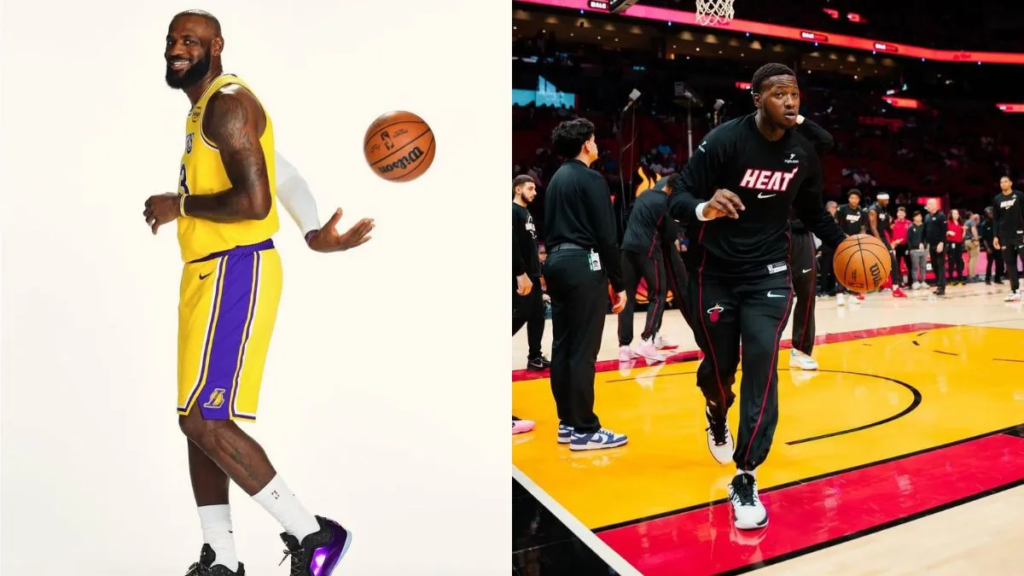
Final Thoughts: Looking Beyond the Headlines
The NBA betting scandal reflects the realities of modern sports, where gambling, media, and entertainment operate within a single ecosystem.
The issue extends beyond individual wrongdoing. It represents a challenge facing all professional sports leagues in an era of real-time betting and global digital communication.
For fans, the key takeaway is that sensational headlines rarely tell the whole story. Most games remain honest competitions played by athletes striving to win.
The future of sports betting depends on balancing entertainment, regulation, and integrity while ensuring that basketball remains about competition—not gambling outcomes.
In the end, the love of the game must remain bigger than the money surrounding it.
About the Author