
Basketball is evolving through a combination of advanced analytics, elite athletic development, sports science, technology, and changing fan expectations. Teams increasingly rely on data-driven decision-making while players become faster, stronger, and more versatile than ever before. These trends are reshaping strategy, player development, and entertainment value, offering important clues about where basketball is heading over the next decade.
The Modern Basketball Revolution
Basketball has entered one of the most transformative periods in its history. Over the past two decades, the sport has evolved from a game largely driven by traditional coaching instincts into one heavily influenced by data, technology, and performance optimization.
The rise of analytics has changed how teams evaluate talent, design offenses, manage player workloads, and make in-game decisions. At the same time, athletes have become more skilled and physically prepared than previous generations. Today’s players often combine the size once associated with centers, the speed traditionally seen in guards, and the shooting ability that was once considered rare.
This combination of analytics and athleticism is creating a new version of basketball—one that rewards versatility, efficiency, and adaptability.
For fans, coaches, athletes, and parents involved in youth basketball, understanding these trends offers valuable insight into the future direction of the sport.
Why Analytics Became So Important
Basketball analytics refers to the use of statistical analysis and data modeling to improve decision-making. While statistics have always existed in sports, modern analytics go far beyond points, rebounds, and assists.
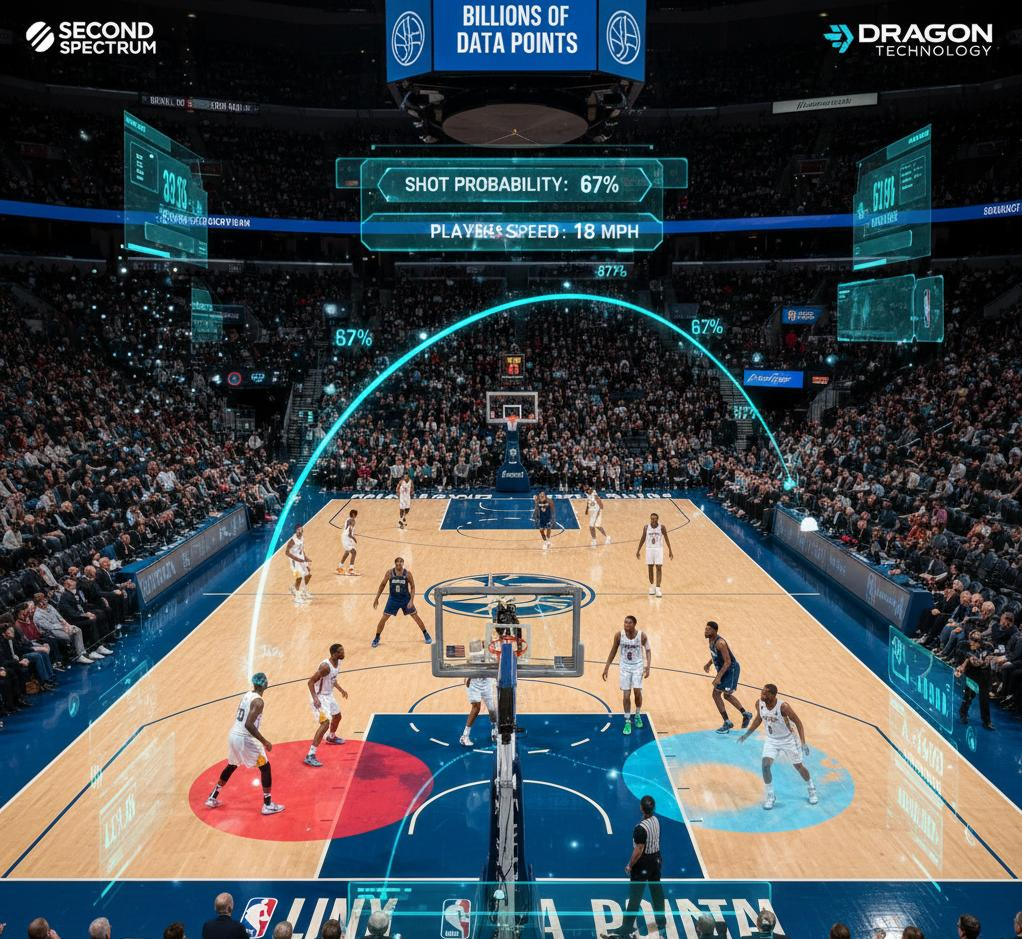
Teams now analyze thousands of data points collected during every game. Tracking systems can measure player movement, shot locations, defensive positioning, acceleration, and fatigue levels.
Several factors accelerated the growth of analytics:
- Improved computing power
- Advanced camera tracking systems
- Increased availability of player data
- Growing competition among professional organizations
- Demand for objective decision-making
One of the most visible outcomes of analytics has been the emphasis on shot efficiency.
Data consistently shows that three-point shots and attempts near the basket generally produce higher returns than mid-range jump shots. As a result, professional basketball has seen dramatic changes in offensive strategy.
Many teams now structure entire offenses around spacing, ball movement, and high-value shot creation.
How Three-Point Shooting Changed the Game
Perhaps no trend illustrates basketball’s evolution more clearly than the rise of the three-point shot.
In the early years of the NBA, teams attempted relatively few three-pointers. Today, perimeter shooting is central to nearly every offensive system.
The reasons are straightforward. Analytics demonstrated that a slightly lower shooting percentage from three-point range can still generate more points than a higher percentage from mid-range areas.
This realization influenced every level of basketball.
Modern offenses prioritize:
- Floor spacing
- Drive-and-kick actions
- Pick-and-roll efficiency
- Positionless shooting
- Quick ball movement
Players who once focused primarily on rebounding or interior scoring are now expected to stretch defenses with perimeter shooting.
Youth programs have followed similar patterns, emphasizing shooting mechanics and floor spacing from an early age.
The result is a faster, more open style of basketball that rewards skill versatility.
The Rise of Positionless Basketball
Traditional basketball positions are becoming increasingly fluid.
Historically, players were categorized as point guards, shooting guards, small forwards, power forwards, and centers. Each role came with distinct responsibilities.
Today’s game often blurs those distinctions.
A seven-foot player may initiate offense, handle the ball, and shoot from long distance. Meanwhile, guards are expected to defend multiple positions and contribute on the boards.
Positionless basketball has emerged because coaches value flexibility.
Benefits include:
- More offensive unpredictability
- Faster lineup adjustments
- Better defensive switching
- Increased matchup advantages
- Greater roster efficiency
Organizations increasingly prioritize versatile athletes who can perform multiple functions rather than specialists limited to a single role.
This trend is influencing recruitment, player development, and scouting throughout the basketball ecosystem.
Athleticism Is Reaching New Levels
While analytics often dominate headlines, athletic development may be equally influential.
Today’s athletes benefit from resources that previous generations rarely had access to.
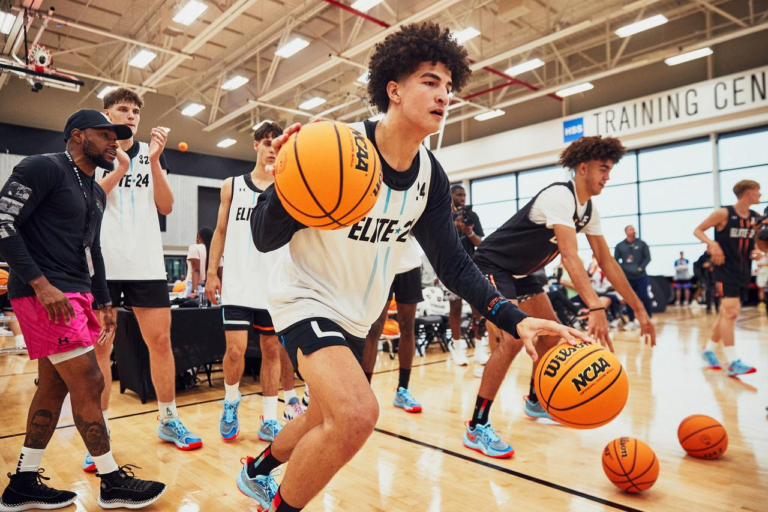
Modern players often begin structured training programs during childhood. They work with specialists in:
- Strength and conditioning
- Nutrition
- Recovery science
- Biomechanics
- Mental performance
Advances in sports science have improved both performance and longevity.
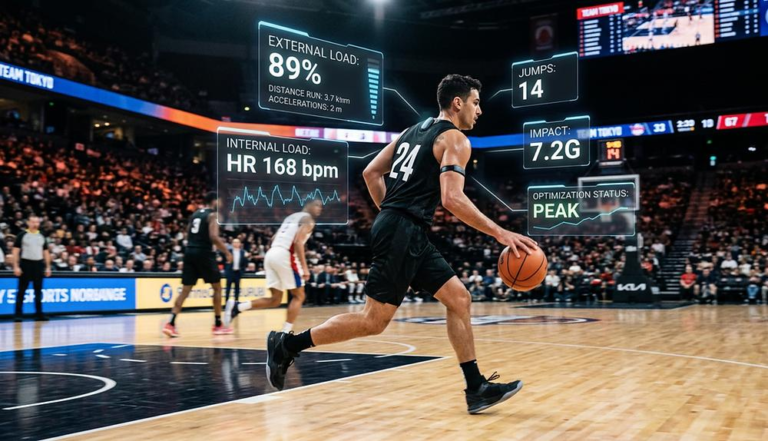
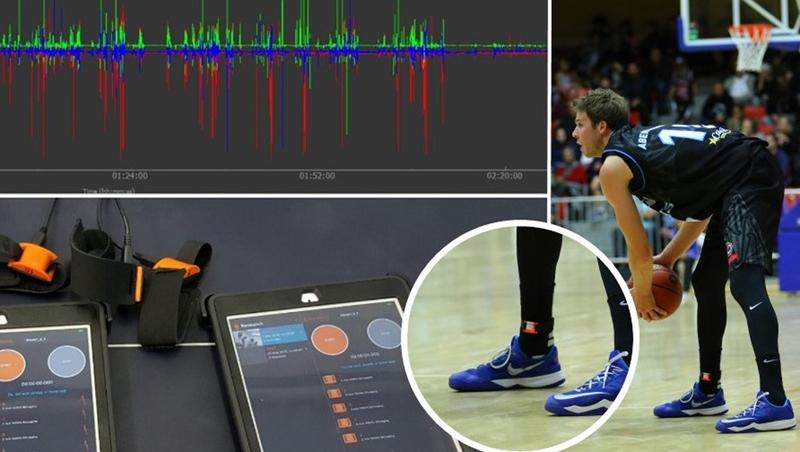
Players now monitor sleep quality, hydration levels, workload metrics, and movement efficiency. Wearable technology and performance tracking tools help coaches identify fatigue risks before injuries occur.
The result is a generation of athletes capable of sustaining high-intensity performance throughout longer seasons.
Elite basketball increasingly requires a combination of:
- Speed
- Strength
- Agility
- Endurance
- Coordination
- Decision-making
Athleticism is no longer limited to explosive jumping ability. It now includes movement efficiency, recovery capacity, and cognitive processing speed.
How Technology Is Reshaping Player Development
Technology has transformed how basketball skills are taught and refined.
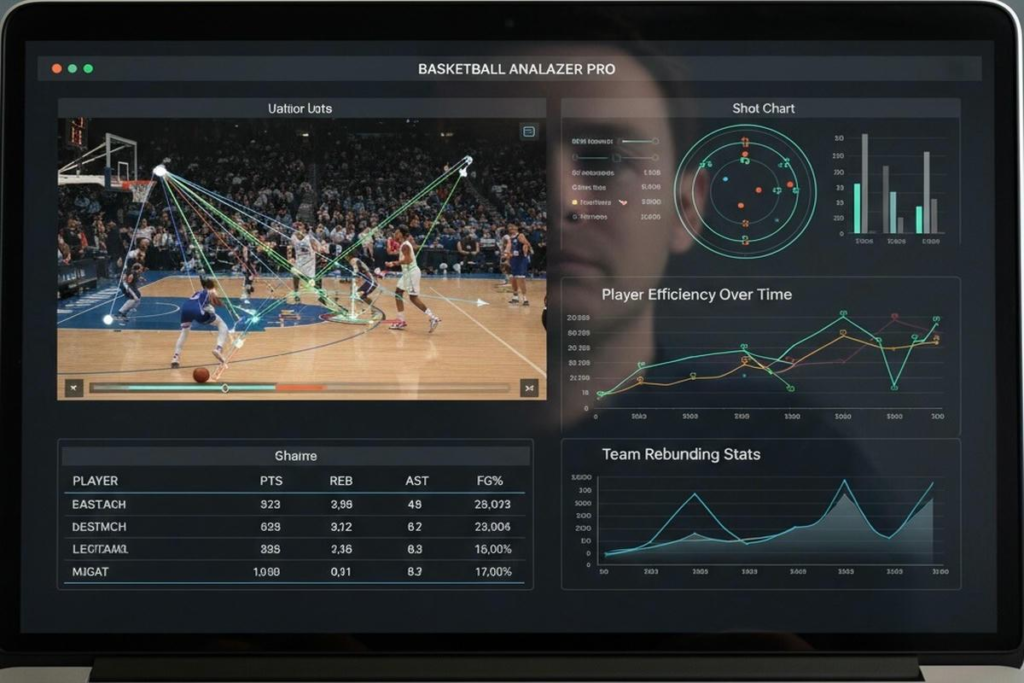
Players today can review thousands of game clips, analyze shooting mechanics frame by frame, and receive instant performance feedback.
Training tools now include:
- AI-assisted video analysis
- Shot-tracking systems
- Virtual reality simulations
- Motion capture technology
- Smart basketballs and sensors
For example, shooting systems can track arc, release angle, depth, and consistency across hundreds of attempts.
Coaches use this information to make targeted adjustments rather than relying solely on observation.
At higher levels, organizations integrate multiple technologies into comprehensive player development programs.
The future may bring even greater personalization, allowing athletes to receive customized training plans based on individual strengths, weaknesses, and physical profiles.
The Growing Importance of Load Management
One of the most debated trends in modern basketball is load management.
Professional seasons involve extensive travel, frequent games, and significant physical demands. Teams increasingly monitor player workloads to reduce injury risk.
Sports scientists analyze factors such as:
- Minutes played
- Travel schedules
- Recovery times
- Biometric indicators
- Practice intensity
The objective is not merely resting players but optimizing long-term performance.
Research across professional sports has highlighted connections between excessive workload and injury risk. Consequently, organizations attempt to balance short-term competitiveness with long-term health.
Although load management remains controversial among some fans, its influence on roster planning and player availability continues to grow.
Future approaches may become more precise as technology improves the ability to predict injury risks.
What Fans Want From Basketball Today
Basketball trends are not driven solely by teams and players. Fan expectations play a major role.
Modern audiences consume basketball differently than previous generations.
Many fans now engage through:
- Social media highlights
- Streaming platforms
- Advanced statistics
- Podcasts
- Interactive content
- Mobile applications
Younger viewers often value accessibility, storytelling, and behind-the-scenes content alongside live games.
As a result, leagues and organizations are investing heavily in digital experiences.
The future basketball fan experience may include:
- Personalized viewing options
- Real-time statistical overlays
- Enhanced streaming features
- Interactive broadcasts
- Augmented reality experiences
Technology is making basketball more data-rich and immersive for spectators.
How Youth Basketball Is Changing
Many of today’s professional trends are filtering into youth basketball programs.
Young athletes are increasingly exposed to:
- Skill-based development
- Position versatility
- Shooting-focused training
- Video analysis
- Strength programs
However, experts often caution against excessive specialization at very young ages.
Research in athlete development suggests that broad athletic experiences can contribute to long-term success and injury prevention.
Many successful players participated in multiple sports during childhood before focusing primarily on basketball.
For parents and coaches, the most sustainable approach often combines skill development with overall athletic growth.
Key priorities should include:
- Fundamental movement skills
- Basketball IQ
- Proper shooting mechanics
- Strength development
- Enjoyment of the game
Long-term development generally produces better outcomes than early specialization alone.
What NBA and College Scouts Are Looking For
Scouting priorities have evolved significantly.
While traditional attributes remain important, modern evaluators increasingly emphasize adaptability.
Highly valued traits include:
- Basketball intelligence
- Defensive versatility
- Efficient shooting
- Decision-making under pressure
- Positional flexibility
- Consistent effort
Physical measurements still matter, but they no longer tell the complete story.
A player who can defend multiple positions, make quick decisions, and contribute in several areas often has greater value than a specialist with limited versatility.
Analytics now supplement traditional scouting rather than replacing it.
The most successful organizations combine data analysis with experienced human evaluation.
What These Trends Suggest About Basketball’s Future
Several themes consistently emerge when examining modern basketball.
First, versatility will likely remain one of the sport’s most valuable attributes. Players who can shoot, defend, pass, and adapt to multiple roles will continue to thrive.
Second, technology will become increasingly integrated into training, coaching, and fan engagement.
Third, health optimization and injury prevention will remain major priorities. Teams are investing significant resources into extending player careers and maximizing performance.
Fourth, analytics will continue evolving beyond basic efficiency metrics toward more sophisticated predictive models.
Finally, the gap between physical talent and skill development may continue to narrow as training resources become more widely available.
The future basketball player will likely be more complete, more data-informed, and more adaptable than ever before.
Reading the Next Era of Basketball
The intersection of analytics and athleticism is redefining what success looks like in basketball. Data has changed how teams think, while advances in training have changed what athletes can accomplish. Together, these forces are producing a faster, smarter, and more versatile game.
For players, coaches, and fans, understanding these developments provides more than just insight into current trends. It offers a glimpse into the next generation of basketball—one where innovation, adaptability, and continuous improvement will remain at the center of the sport’s evolution.
About the Author