Basketball is evolving rapidly as technology, analytics, player development, media consumption, and fan expectations reshape the sport. From positionless lineups and three-point-heavy offenses to streaming platforms and personalized viewing experiences, the modern game looks very different from a decade ago. Understanding these trends helps players, coaches, parents, fans, and industry professionals better navigate basketball’s changing landscape.
Introduction
Basketball has always been a sport defined by adaptation. Every generation introduces new strategies, athletic standards, and cultural influences that alter how the game is played. Today, however, the pace of change is particularly noticeable.
Advancements in data analysis, sports science, digital media, and player development have transformed basketball at nearly every level—from youth leagues and high schools to college programs and professional organizations. Fans are also experiencing the game differently, consuming highlights on mobile devices, engaging with athletes on social media, and following games through multiple digital platforms.
These developments are not temporary shifts. They represent structural changes that are redefining basketball’s future. Understanding them provides valuable insight into where the sport is headed and why the game looks increasingly different each season.
Why Is Basketball Changing So Quickly?
Several factors are driving basketball’s rapid evolution.
First, access to information has increased dramatically. Coaches and players now have immediate access to game film, performance data, and training resources that were once available only to elite organizations.
Second, advances in sports science allow athletes to optimize training, recovery, nutrition, and injury prevention. Players are extending careers while maintaining high levels of performance.
Third, media technology has changed how fans consume sports. Traditional television remains important, but streaming services, social media platforms, podcasts, and digital content creators now influence how basketball reaches audiences.
Finally, globalization has expanded the talent pool. International players continue to make significant impacts across professional leagues, introducing new styles and skill sets that enrich the game.
The Rise of Positionless Basketball
One of the most discussed trends in modern basketball is the emergence of positionless play.
Historically, teams relied on clearly defined roles. Point guards handled the ball, centers played near the basket, and forwards occupied specific areas of the floor.
Today’s game is far more fluid.
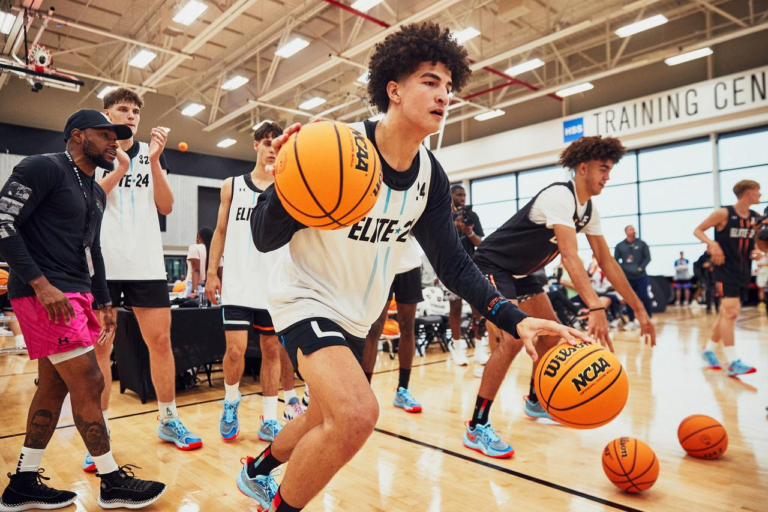
Many elite players can dribble, pass, shoot, defend multiple positions, and initiate offense regardless of size. Coaches increasingly prioritize versatility over traditional positional definitions.
This shift creates several advantages:
- Greater offensive flexibility
- More difficult defensive matchups
- Increased spacing
- Faster transition opportunities
- Improved lineup adaptability
A player standing 6-foot-8 may now function as a primary playmaker, while a traditional center might spend much of the game facilitating offense from the perimeter.
For young athletes, this trend means skill development has become more important than specializing too early in a single role.
How Analytics Are Influencing Strategy
Few developments have changed basketball strategy more than analytics.
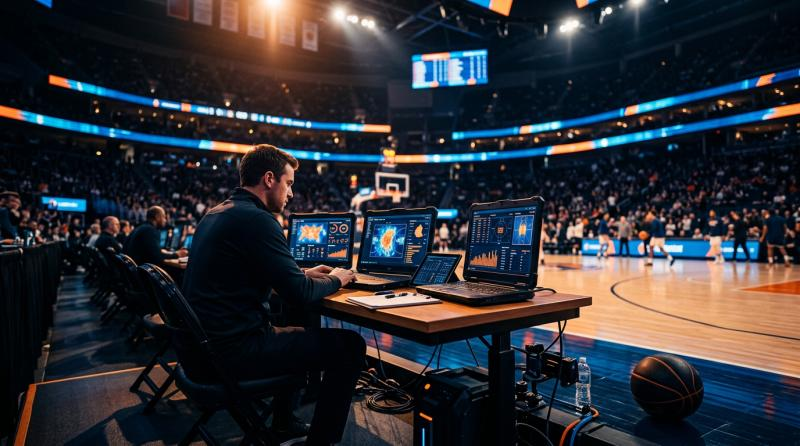
Modern teams analyze thousands of possessions to identify efficient scoring opportunities and defensive weaknesses. As a result, shot selection has evolved significantly.
Analytical models consistently show that the most valuable shots are:
- Layups and dunks
- Free throws
- Three-point shots
Mid-range attempts, while still useful in certain situations, generally produce lower returns compared to these options.
This insight has transformed offensive systems across basketball.
Teams increasingly emphasize:
- Floor spacing
- Ball movement
- Three-point shooting
- Pick-and-roll actions
- Rim attacks
Analytics also influence defensive decisions. Coaches use data to determine matchup strategies, defensive coverages, lineup combinations, and substitution patterns.
Importantly, analytics do not replace coaching judgment. The most successful organizations combine statistical analysis with experience, scouting, and player evaluation.
The Expansion of Three-Point Shooting
The three-point shot has become a defining feature of modern basketball.
A decade ago, many teams attempted fewer than 20 three-pointers per game. Today, high-volume perimeter shooting is a foundational component of most offensive systems.
Several factors explain this shift.
Three-point shooting creates spacing that opens driving lanes. It rewards skill development and allows teams to generate points efficiently. Additionally, players now begin developing long-range shooting abilities at younger ages.
The impact extends beyond professional basketball.
High school and college programs increasingly incorporate:
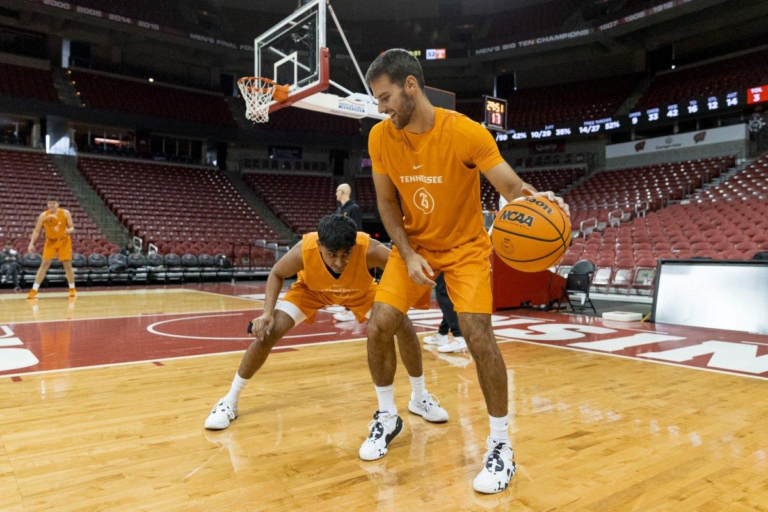
- Shooting-focused practice sessions
- Perimeter-oriented offensive schemes
- Position-independent shooting expectations
Even centers are often expected to stretch defenses with outside shooting.
The challenge for coaches is maintaining balance. Successful teams still value interior scoring, defense, rebounding, and shot discipline rather than relying solely on perimeter attempts.
Sports Science and Player Longevity
Athletic performance is no longer determined only by practice and talent.
Sports science now plays a major role in basketball success.
Organizations invest heavily in:
- Recovery technologies
- Sleep monitoring
- Nutrition planning
- Workload management
- Injury prevention programs
- Biomechanical analysis
These investments help athletes maintain peak performance throughout longer seasons.
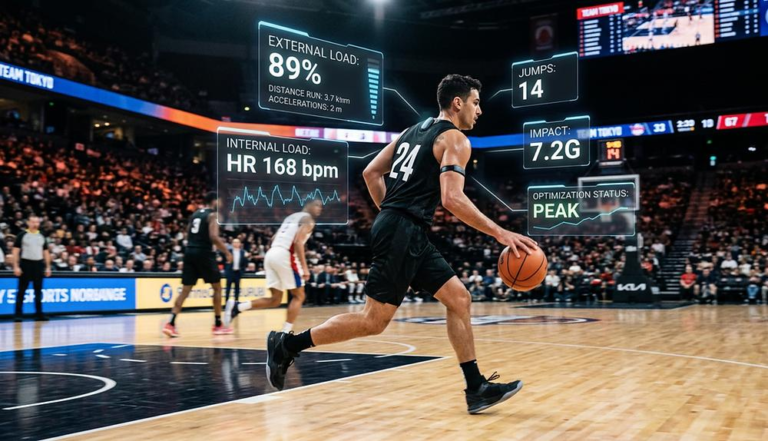
For example, tracking systems can monitor movement patterns, fatigue levels, and physical stress. Coaches use this information to adjust training loads and reduce injury risks.
The result is a generation of players capable of sustaining elite performance deeper into their careers than many previous eras.
Sports science also influences youth development. Parents, trainers, and coaches increasingly recognize the importance of rest, mobility training, and injury prevention alongside skill development.
The Globalization of Basketball Talent
Basketball’s growth is no longer centered solely in the United States.
The sport has become truly global.
Professional leagues increasingly feature athletes from Europe, Africa, Asia, Australia, and South America. International development programs continue producing highly skilled players with unique playing styles.
Globalization benefits the sport in several ways.
It expands competition, introduces diverse strategic approaches, and increases worldwide fan engagement.
International players often arrive with strong fundamentals, advanced passing skills, and experience in team-oriented systems. Their influence has contributed to the growth of versatile, skill-based basketball.
The increasing international presence also broadens commercial opportunities and strengthens basketball’s cultural reach.
How Technology Is Changing Player Development
Technology has revolutionized basketball training.
Athletes can now analyze performance with tools that were previously available only to professional organizations.
Popular technologies include:
- Video analysis software
- Shot-tracking systems
- Wearable performance monitors
- Virtual coaching platforms
- AI-assisted training tools
Players can review mechanics frame by frame, measure shooting efficiency, and identify weaknesses with remarkable precision.
For coaches, technology provides objective feedback that supplements traditional instruction.
The challenge is using technology wisely. Data can enhance development, but it cannot replace consistent practice, coaching expertise, and competitive experience.
The most effective programs integrate technological insights with foundational basketball principles.
The Evolution of Basketball Media Consumption
How people watch basketball is changing almost as quickly as how it is played.
Traditional broadcasts remain important, but fans increasingly consume content through:
- Streaming platforms
- Mobile devices
- Social media clips
- Podcasts
- Digital newsletters
- On-demand highlights
Many younger fans follow players as closely as they follow teams. Individual personalities, behind-the-scenes content, and direct athlete communication have become major components of fan engagement.
Short-form video content has also altered viewing habits.
Fans can now access highlights, analysis, and commentary within minutes of key moments occurring. This immediacy helps maintain interest and expands the sport’s reach among casual audiences.
For leagues and broadcasters, the challenge is balancing traditional game broadcasts with evolving consumer preferences.
What Today’s Fans Expect From Basketball
Modern fans want more than simply watching a game.
They increasingly seek:
- Real-time statistics
- Interactive experiences
- Multiple viewing options
- Personalized content
- Behind-the-scenes access
- Direct athlete engagement
Fantasy sports, sports betting markets where legal, advanced statistics, and social media discussions all contribute to a more interactive viewing experience.
This shift influences how leagues market games and distribute content.
Organizations that successfully meet these expectations often strengthen audience engagement and build long-term fan loyalty.
How Youth Basketball Is Adapting
Youth basketball serves as a preview of future trends.
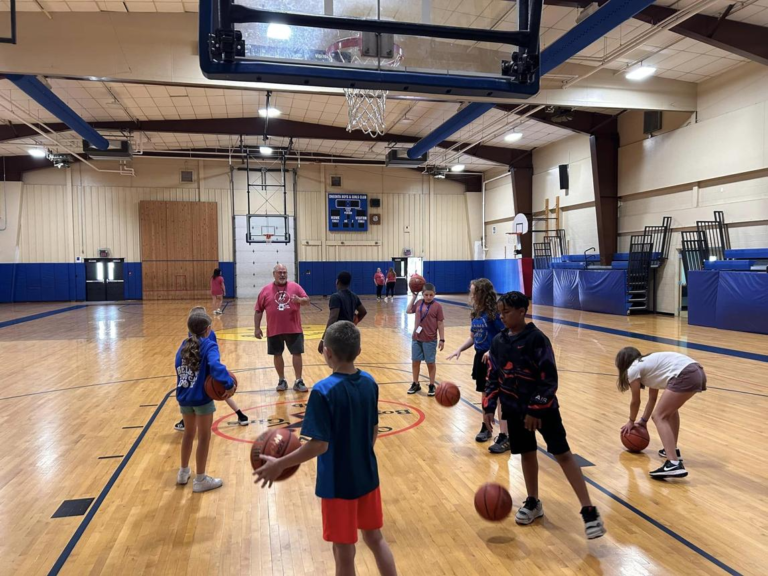
Training environments increasingly emphasize:
- Skill versatility
- Decision-making
- Shooting development
- Basketball IQ
- Athletic movement patterns
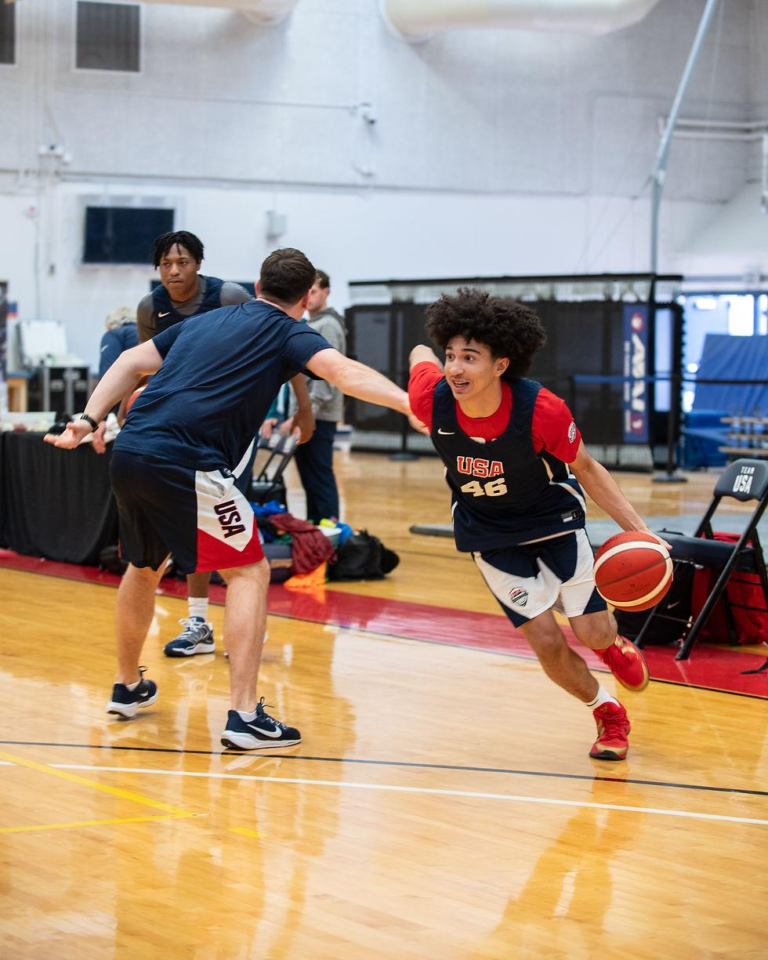
Many coaches now encourage young players to develop complete skill sets regardless of height or position.
At the same time, there is growing awareness of concerns such as overtraining, specialization, and burnout.
Experts increasingly recommend balanced athletic development, appropriate rest periods, and participation in multiple sports during childhood.
This approach may help athletes remain healthier while developing broader athletic foundations.
What Could Basketball Look Like in the Next Decade?
While predicting the future is difficult, several trends appear likely to continue.
Basketball will probably become even more data-driven, globally connected, and technologically integrated.
Potential developments include:
- More advanced player tracking
- Enhanced AI-assisted coaching tools
- Personalized fan experiences
- Expanded international influence
- Greater integration of augmented and virtual reality
- Continued emphasis on versatile skill sets
However, the core appeal of basketball will likely remain unchanged: competition, teamwork, athleticism, creativity, and community.
The tools may evolve, but the game’s fundamental attraction endures.

Frequently Asked Questions
1. Why are basketball teams shooting more three-pointers today?
Analytics show that three-point shots often provide greater scoring efficiency than many mid-range attempts, making them a valuable offensive strategy.
2. What is positionless basketball?
Positionless basketball refers to systems where players perform multiple roles rather than being restricted to traditional positions.
3. How has technology improved basketball training?
Technology enables video analysis, shot tracking, performance monitoring, and detailed skill evaluation that supports more targeted development.
4. Are analytics replacing coaches?
No. Analytics provide valuable information, but coaching experience, leadership, scouting, and decision-making remain essential.
5. Why are international players becoming more influential?
Global development programs have expanded the talent pool and produced highly skilled athletes from many countries.
6. How is sports science helping players?
Sports science improves recovery, injury prevention, conditioning, workload management, and long-term performance.
7. What are the biggest changes in youth basketball?
Greater emphasis on versatility, skill development, decision-making, and long-term athletic development.
8. How do younger fans consume basketball differently?
Many younger fans use streaming services, social media platforms, mobile apps, podcasts, and digital highlights instead of relying solely on television broadcasts.
9. Will traditional positions disappear completely?
Probably not. Roles still matter, but players are increasingly expected to contribute in multiple areas.
10. What trend is likely to shape basketball most in the future?
The combination of analytics, technology, and global talent development will likely continue having the largest impact.
About the Author