
Basketball is undergoing one of the most significant transformations in its history. Advances in player development, sports science, analytics, technology, media consumption, and fan engagement are reshaping how the game is played, coached, watched, and experienced. From data-driven decision-making to global talent pipelines and digital fan communities, basketball’s rapid evolution is influencing every level of the sport across America and beyond.
The Rapid Transformation of Modern Basketball
Few sports have changed as dramatically over the past two decades as basketball. What was once a game largely defined by traditional positions, instinct-based coaching, and local fan engagement has become a highly analytical, globally connected, and technology-driven ecosystem.
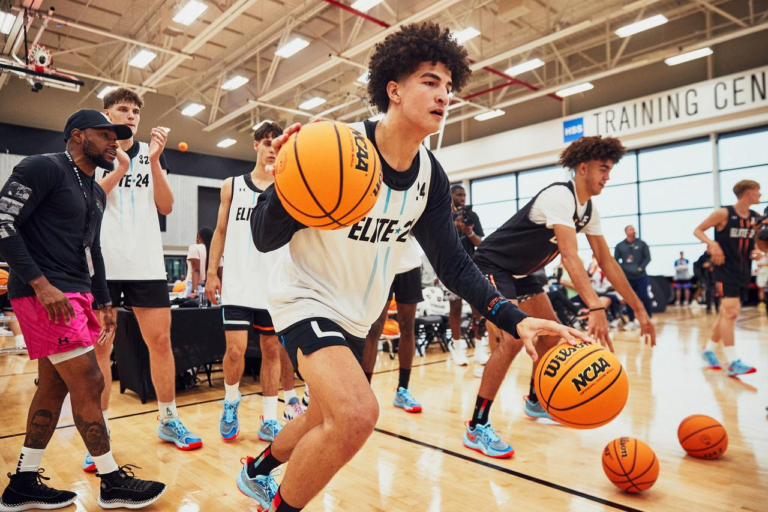
Today, professional organizations invest millions in performance analytics, biomechanics, recovery science, and scouting technology. College programs are adopting advanced development systems earlier than ever. Even youth basketball has become more sophisticated, with players using video analysis tools and specialized training programs.
The result is a sport that evolves continuously rather than gradually. Trends that once took decades to influence the game can now spread across leagues within a few seasons.
For players, coaches, teams, and fans, staying informed about these developments has become increasingly important.
How Analytics Changed Basketball Strategy
Perhaps no factor has accelerated basketball’s evolution more than analytics.
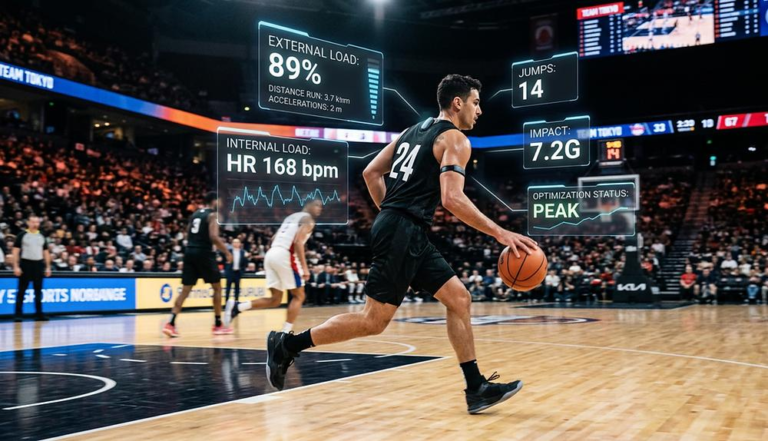
Modern teams collect enormous amounts of data from games, practices, wearable devices, and video tracking systems. This information helps coaches understand player efficiency, lineup combinations, defensive tendencies, and shot quality.
One of the most visible outcomes has been the rise of three-point shooting. Statistical models consistently showed that three-pointers often provide greater scoring efficiency than many mid-range attempts.
This realization transformed offensive systems across professional and collegiate basketball.
Key strategic changes include:
- Increased emphasis on three-point shooting
- Greater focus on spacing and floor balance
- Reduced reliance on traditional post-up offenses
- More positionless lineups
- Faster offensive pace
- Increased use of pick-and-roll actions
These changes are evident throughout the sport. Teams now evaluate nearly every possession through both traditional observation and advanced metrics.
Analytics have not replaced coaching instincts, but they have significantly expanded the information available for decision-making.
The Rise of Positionless Basketball
For decades, basketball positions were clearly defined.
Centers played near the basket. Point guards controlled the offense. Power forwards primarily operated in the paint.
Today’s game looks very different.
Players are increasingly expected to develop multiple skills regardless of size or position. Seven-foot players now handle the ball, initiate offenses, and shoot from long range. Guards are expected to rebound and defend multiple positions.
Positionless basketball emerged because versatility creates strategic advantages.
Teams can:
- Switch more effectively on defense
- Create difficult matchup problems
- Increase offensive flexibility
- Maintain spacing without sacrificing size
- Adjust lineups more easily during games
This evolution has also influenced youth development. Young athletes are encouraged to build complete skill sets rather than specialize too early.
As a result, the next generation of players enters higher levels of competition with broader capabilities than previous generations.
Sports Science Is Extending Careers
Another major factor driving basketball’s evolution is sports science.
Professional athletes today have access to tools and knowledge that were unavailable to previous generations.
Organizations closely monitor:
- Sleep quality
- Recovery metrics
- Training loads
- Hydration levels
- Nutrition plans
- Movement efficiency
- Injury risk indicators
These practices help maximize performance while reducing injury risks.
For example, teams use motion-capture systems and wearable technology to identify movement patterns that may contribute to stress injuries. Strength coaches design individualized programs based on player biomechanics and workload demands.
The impact is substantial.
Many elite players are maintaining high performance levels well into their mid-to-late thirties, something far less common in previous eras.
This shift benefits both teams and fans by allowing star players to remain productive for longer periods.
Technology Is Reshaping Player Development
Player development has become increasingly technology-driven.
Video analysis software allows athletes to review every aspect of their performance. Training sessions can be broken down frame by frame to identify opportunities for improvement.
Modern development tools include:
- AI-assisted video analysis
- Virtual reality training systems
- Shot-tracking technology
- Biomechanical assessment tools
- Wearable performance sensors
- Digital scouting platforms
A high school player today can access resources that were once available only to professional organizations.
For example, shooting systems can track arc, release angle, depth, and consistency across thousands of attempts. Coaches can then use that information to create highly targeted training plans.
This technology-driven approach accelerates skill development and creates more efficient learning environments.
The Global Talent Pipeline Is Stronger Than Ever
Basketball is no longer dominated by a handful of countries.
The sport has become deeply global, creating one of the most diverse talent pools in professional sports.
International players now play major roles across elite leagues. Development systems in Europe, Africa, Asia, Australia, and Latin America continue producing increasingly skilled athletes.
Several factors contribute to this trend:
- Expanded international scouting networks
- Improved youth academies
- Increased access to training resources
- Greater visibility through digital media
- International competitions and tournaments
American basketball continues to benefit from this global exchange of ideas.
Different playing styles, coaching philosophies, and developmental approaches influence how the game evolves domestically.
The result is a richer and more dynamic basketball landscape.
Fans Are Consuming Basketball Differently
The modern fan experience looks dramatically different from what it did even ten years ago.
Traditional television remains important, but digital platforms increasingly shape how fans engage with basketball.
Many fans now consume the sport through:
- Short-form video highlights
- Social media clips
- Podcasts
- Streaming services
- Team-produced content
- Advanced statistics websites
- Interactive mobile applications
A fan can watch game highlights, analyze player metrics, participate in online discussions, and follow team news within minutes from a smartphone.
This constant access has increased engagement while changing expectations.
Fans increasingly expect:
- Real-time updates
- Personalized content
- Behind-the-scenes access
- Interactive experiences
- Enhanced statistical information
Teams and leagues continue adapting to meet these expectations.
Why Younger Generations View Basketball Differently
Younger fans often experience basketball through a digital-first lens.
Many discover players before teams. Social media personalities, highlight creators, and athlete-driven content significantly influence how younger audiences connect with the sport.
This shift has several implications.
First, player brands have become more influential than ever.
Second, individual stories often drive engagement as much as team success.
Third, leagues increasingly prioritize content that performs well across digital platforms.
For organizations, understanding these audience behaviors has become a critical component of long-term growth strategies.
Basketball’s flexibility as a visually engaging, fast-paced sport makes it particularly well suited for modern media environments.

The Growing Importance of Women’s Basketball
One of the most important developments in basketball is the increasing visibility and popularity of women’s basketball.
Attendance, media coverage, sponsorship investments, and television audiences have all experienced meaningful growth in recent years.
Several factors contribute to this momentum:
- Expanded media exposure
- Strong collegiate competition
- Increased investment in professional leagues
- Greater social media visibility
- Rising interest among younger audiences
Women’s basketball has become an increasingly important part of the broader basketball ecosystem.
The growth benefits athletes, leagues, sponsors, and fans while expanding opportunities throughout the sport.
How Data Is Influencing Fan Conversations
Basketball fans today have access to far more information than previous generations.
Advanced metrics have become common topics of discussion among casual and dedicated fans alike.
Popular areas of analysis include:
- Player efficiency ratings
- Shot quality metrics
- Usage rates
- Defensive impact measurements
- Lineup effectiveness
- Pace and possession statistics
This increased access has elevated basketball conversations beyond traditional box scores.
Fans are becoming more informed and analytical, creating deeper engagement with the sport.
At the same time, many experts emphasize the importance of balancing data with context, experience, and observation.
Statistics provide valuable insights, but they remain one piece of a larger evaluation process.
What Does the Future of Basketball Look Like?
While predicting the future is difficult, several trends appear likely to continue shaping basketball.
Areas expected to grow include:
- Artificial intelligence in performance analysis
- Enhanced injury prevention systems
- Expanded global player development networks
- Personalized fan experiences
- Immersive viewing technologies
- Greater integration of real-time analytics
- Continued growth of women’s basketball
The pace of change suggests that basketball in the next decade may look substantially different from today’s game.
However, the sport’s core appeal remains unchanged.
Basketball continues to thrive because it combines athleticism, strategy, teamwork, creativity, and competition in ways that resonate across generations.
The technologies and trends may evolve, but the essence of the game remains remarkably consistent.

Frequently Asked Questions
Why is basketball changing so quickly?
Advances in analytics, technology, sports science, media platforms, and global player development have accelerated innovation throughout the sport.
What is positionless basketball?
Positionless basketball emphasizes versatility, allowing players to perform multiple roles rather than being limited by traditional position definitions.
How has analytics influenced basketball?
Analytics has influenced shot selection, offensive spacing, defensive strategies, lineup construction, and player evaluation.
Why are players shooting more three-pointers?
Statistical analysis has shown that three-point attempts often provide greater scoring efficiency than many mid-range shots.
How is technology helping player development?
Technology supports video analysis, skill tracking, biomechanics assessment, virtual training, and personalized performance improvement programs.
Why are international players becoming more influential?
Improved global development systems, scouting networks, and training opportunities have expanded the international talent pool.
How are fans consuming basketball differently today?
Fans increasingly engage through streaming services, social media, podcasts, mobile apps, highlights, and advanced statistical platforms.
What role does sports science play in basketball?
Sports science helps improve performance, manage workloads, reduce injury risk, and extend player careers.
Why is women’s basketball growing so rapidly?
Greater media exposure, increased investment, stronger competition, and growing fan interest have contributed to significant growth.
What future trends could shape basketball?
Artificial intelligence, advanced analytics, immersive viewing experiences, injury prevention technology, and global development systems are expected to play major roles.
About the Author