Modern basketball is evolving through advanced analytics, player-tracking technology, sports science, and changing fan expectations. Teams now rely heavily on data-driven decision-making, while athletes use sophisticated training methods to improve performance and durability. At the same time, media consumption habits and digital engagement are reshaping how fans experience the sport. Together, these developments are influencing basketball at every level, from youth programs to professional leagues.
Introduction
Basketball has always been a game of adaptation. From the introduction of the shot clock to the rise of the three-point line, strategic innovations have repeatedly transformed how teams compete. Today, the sport is experiencing another period of significant change, driven not only by coaching philosophies but also by technology, analytics, player development science, and evolving consumer behavior.
Whether watching the NBA, college basketball, high school tournaments, or grassroots competitions, fans are witnessing a game that looks noticeably different from what it did even a decade ago. Offensive systems are more dynamic, training methods are increasingly personalized, and organizations are investing heavily in data and technology to gain competitive advantages.
Understanding these trends helps explain where basketball is headed and why the game continues to evolve so rapidly.
The Rise of Data-Driven Basketball Strategy
One of the most influential developments in modern basketball is the widespread adoption of analytics.
Years ago, coaches primarily relied on traditional statistics such as points, rebounds, and assists. Today, teams evaluate far more sophisticated metrics including shot quality, player efficiency ratings, lineup effectiveness, defensive impact, and possession-based performance indicators.
The emphasis on analytics has significantly influenced shot selection.
Teams increasingly prioritize:
- Three-point attempts
- Shots at the rim
- Free-throw opportunities
- Efficient transition scoring
As a result, many organizations have reduced reliance on mid-range jump shots, which historically generate fewer points per possession.
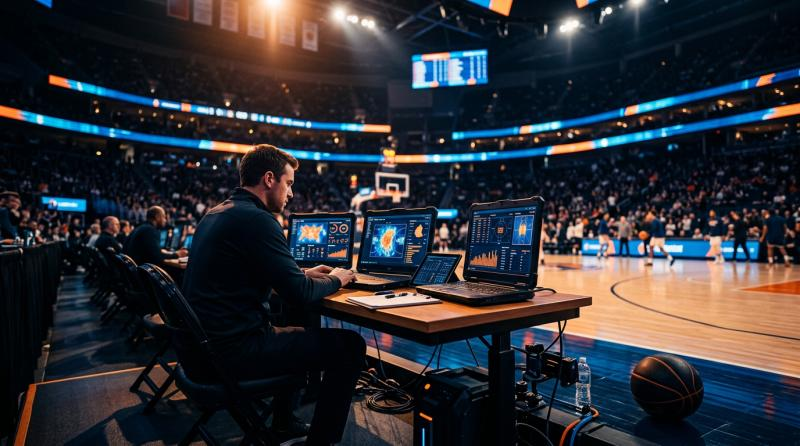
Professional teams now employ dedicated analytics departments that work alongside coaching staffs to identify tactical advantages. These insights affect everything from lineup construction to defensive matchups and late-game decision-making.
For fans, this means basketball strategy has become more transparent and measurable than ever before.
Why Three-Point Shooting Continues to Expand
A common question among basketball fans is: Why does every team seem to shoot so many threes now?
The answer lies largely in efficiency.
A successful three-point shot produces 50 percent more points than a two-point field goal. As analytical models demonstrated the value of spacing and perimeter shooting, teams adjusted their offensive systems accordingly.
Today’s offenses often emphasize:
- Floor spacing
- Positionless play
- Ball movement
- Drive-and-kick actions
- Pick-and-roll creation
Players across all positions are now expected to contribute as shooters. Centers who once operated almost exclusively near the basket increasingly develop perimeter skills to remain valuable in modern systems.
This trend has altered roster construction throughout professional and collegiate basketball, encouraging organizations to prioritize versatility over specialization.
The Impact of Player Tracking Technology
Technology has become a central component of modern basketball operations.
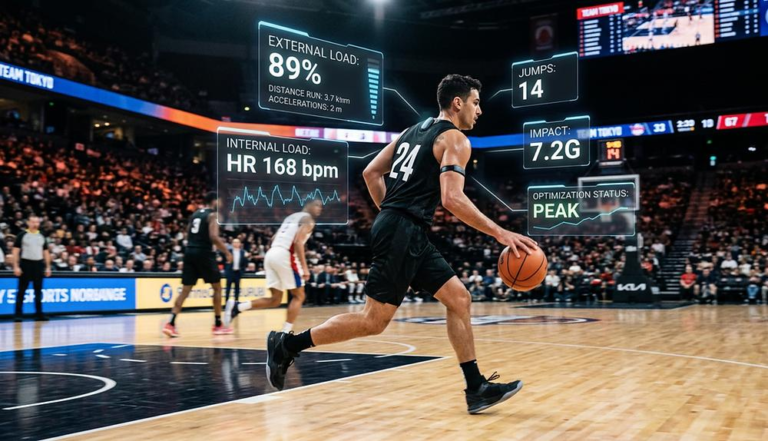
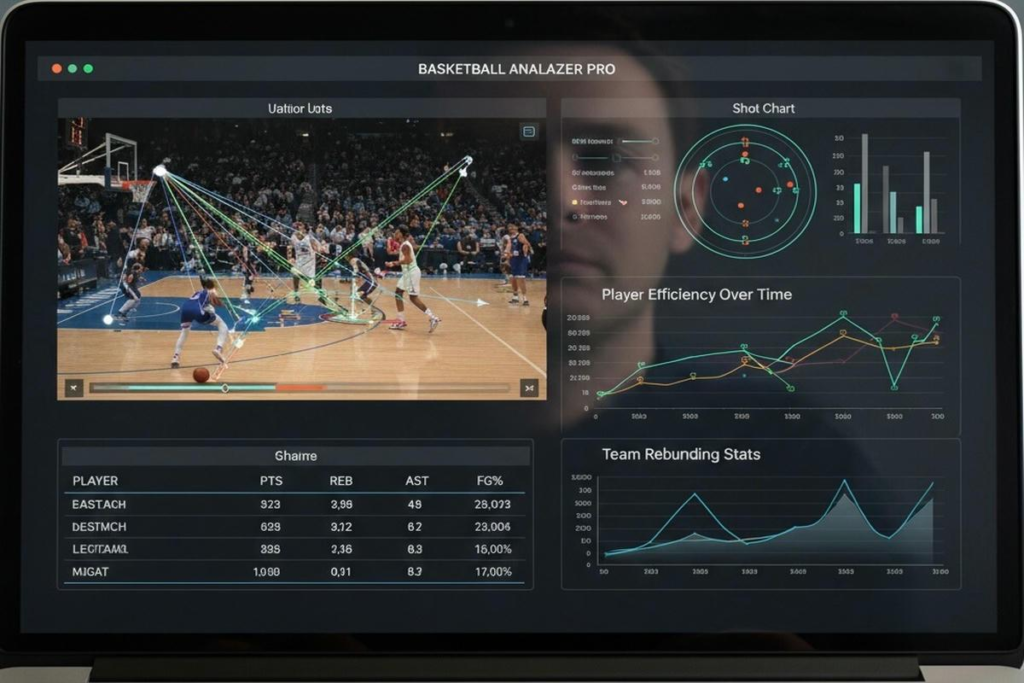
Advanced camera systems and wearable devices allow teams to collect enormous amounts of performance data during practices and games.
These systems can track:
- Distance traveled
- Sprint speed
- Acceleration patterns
- Shot locations
- Defensive positioning
- Fatigue indicators
Coaches can now evaluate player movement with remarkable precision.
For example, tracking data may reveal that a defender consistently loses positioning during specific actions or that a shooter performs better from certain spots on the floor. These insights help teams refine both individual development plans and broader game strategies.
Player tracking technology also assists broadcasters, creating richer viewing experiences through enhanced statistics and visualizations.
How Sports Science Is Extending Careers
Another major shift involves the growing role of sports science.
Professional basketball careers often place enormous physical demands on athletes. Teams increasingly rely on scientific approaches to improve recovery, reduce injury risk, and maximize long-term performance.
Modern sports performance departments frequently include:
- Strength and conditioning specialists
- Biomechanics experts
- Nutrition professionals
- Sleep consultants
- Physical therapists
- Performance analysts
Recovery protocols have become especially important.
Athletes now monitor factors such as:
- Sleep quality
- Hydration levels
- Workload management
- Heart rate variability
- Recovery readiness
Many organizations use these measurements to guide training intensity and travel schedules.
The result is a growing focus on sustainable performance rather than simply maximizing short-term output.

Positionless Basketball and Versatility
Traditional basketball positions are becoming less rigid.
Historically, teams separated players into clear roles:
- Point guards
- Shooting guards
- Small forwards
- Power forwards
- Centers
Today, many successful teams emphasize versatility instead.
Players are increasingly expected to:
- Handle the ball
- Pass effectively
- Defend multiple positions
- Shoot from distance
- Create offensive opportunities
This evolution has contributed to the rise of “positionless basketball.”
Rather than fitting players into fixed categories, coaches often build systems around skill sets and matchup advantages.
A versatile lineup can switch defensive assignments more easily, create offensive mismatches, and adapt to different opponents throughout a game.
As youth development programs adopt similar philosophies, future generations of players are likely to become even more multidimensional.
The New Expectations Facing Professional Athletes
Athletes today face expectations that extend well beyond on-court performance.
Modern players are expected to be:
- Skilled competitors
- Brand ambassadors
- Community leaders
- Media personalities
- Digital communicators
Social media has dramatically increased public access to athletes’ lives and opinions.
Fans now engage with players through:
- Interviews
- Podcasts
- Social media platforms
- Streaming content
- Documentary series
This increased visibility creates opportunities but also introduces additional pressures.
Players must navigate public scrutiny, personal branding, sponsorship relationships, and fan engagement while maintaining elite performance levels.
As a result, media training and communications strategies have become increasingly important components of professional sports careers.
How Technology Is Changing the Fan Experience
Basketball fans consume games differently than they did even a few years ago.
Traditional television broadcasts remain important, but digital platforms have expanded viewing options considerably.
Modern fans increasingly expect:
- Real-time statistics
- Mobile viewing access
- Personalized content
- Interactive experiences
- Multiple camera angles
- Advanced visual analysis
Streaming services and social media platforms allow audiences to follow games, highlights, and player stories throughout the day.
Artificial intelligence and machine learning technologies are also helping organizations personalize content recommendations and improve fan engagement.
For younger audiences in particular, basketball is no longer limited to a two-hour game broadcast. It has become an ongoing digital experience.
Youth Basketball Is Adapting to Modern Trends
Many of the innovations seen in professional basketball eventually influence youth and amateur development programs.
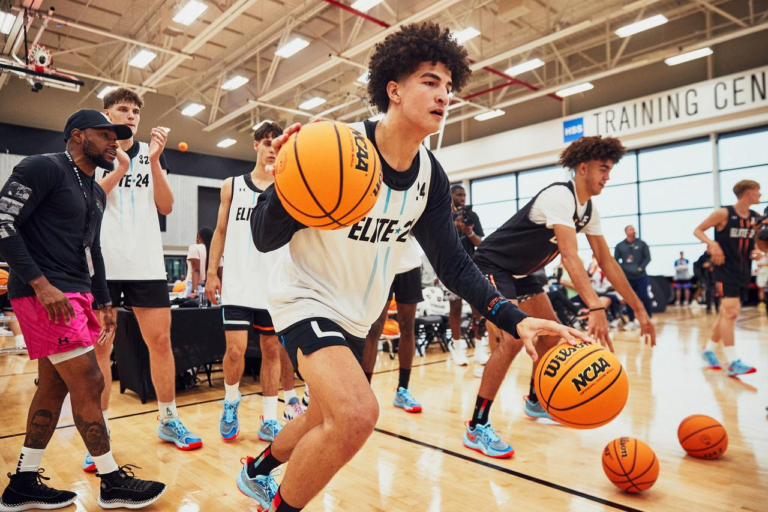
Young athletes increasingly train with:
- Video analysis software
- Shooting-tracking tools
- Performance apps
- Strength-development programs
Coaches are placing greater emphasis on skill development rather than early positional specialization.
For example, taller youth players are often encouraged to develop ball-handling and perimeter skills instead of focusing exclusively on post play.
This broader approach may help athletes become more adaptable as they progress through competitive levels.
Parents and coaches are also paying closer attention to workload management and injury prevention, reflecting lessons learned from professional sports science programs.
What Are the Biggest Challenges Facing Modern Basketball?
While innovation offers many advantages, it also presents challenges.
Some observers argue that excessive reliance on three-point shooting can reduce stylistic diversity. Others question whether analytics sometimes overshadow instinctive decision-making.
Additional concerns include:
- Youth sports specialization
- Rising training costs
- Increased pressure on young athletes
- Balancing entertainment with competition
- Managing player workload
The most successful organizations generally avoid treating technology or analytics as replacements for experience and judgment.
Instead, they use these tools to support better decision-making while maintaining the human elements that make basketball compelling.
The Future Direction of the Sport
Looking ahead, basketball will likely continue integrating advanced technologies and analytical approaches.
Potential developments include:
- More sophisticated AI-assisted scouting
- Enhanced injury prediction models
- Improved virtual training environments
- Expanded biometric monitoring
- Deeper fan personalization tools
However, the core appeal of basketball remains unchanged.
Fans still value competition, teamwork, skill, creativity, and memorable performances. Technology may alter how the game is played, analyzed, and consumed, but these foundational qualities continue to define the sport.
Organizations that successfully balance innovation with basketball fundamentals will likely be best positioned for long-term success.
Frequently Asked Questions
1. Why are NBA teams shooting more three-pointers than ever?
Analytics show that three-point shots often provide greater scoring efficiency compared with many mid-range attempts, leading teams to prioritize perimeter shooting.
2. What is positionless basketball?
Positionless basketball emphasizes versatile skill sets rather than rigid positional roles, allowing players to contribute in multiple ways.
3. How do teams use analytics in basketball?
Teams use analytics to evaluate player performance, optimize lineups, improve shot selection, assess defensive effectiveness, and guide strategic decisions.
4. What technology is used in modern basketball?
Organizations use player-tracking cameras, wearable sensors, video analysis platforms, performance monitoring systems, and advanced statistical databases.
5. Does sports science really improve player performance?
Sports science helps athletes manage workloads, improve recovery, reduce injury risk, and optimize training programs.
6. How has social media changed basketball?
Social media allows fans to interact directly with players and teams while creating new opportunities for athlete branding and fan engagement.
7. Why are versatile players so valuable today?
Versatile players can adapt to multiple roles, defend various positions, and create matchup advantages in modern systems.
8. How is youth basketball changing?
Youth programs increasingly emphasize skill development, injury prevention, technology-assisted training, and position flexibility.
9. What role does artificial intelligence play in basketball?
AI assists with scouting, performance analysis, injury prediction, video breakdown, and personalized fan experiences.
10. Will technology replace coaching decisions?
No. Technology provides valuable information, but successful organizations still rely on coaching experience, leadership, communication, and judgment.
About the Author