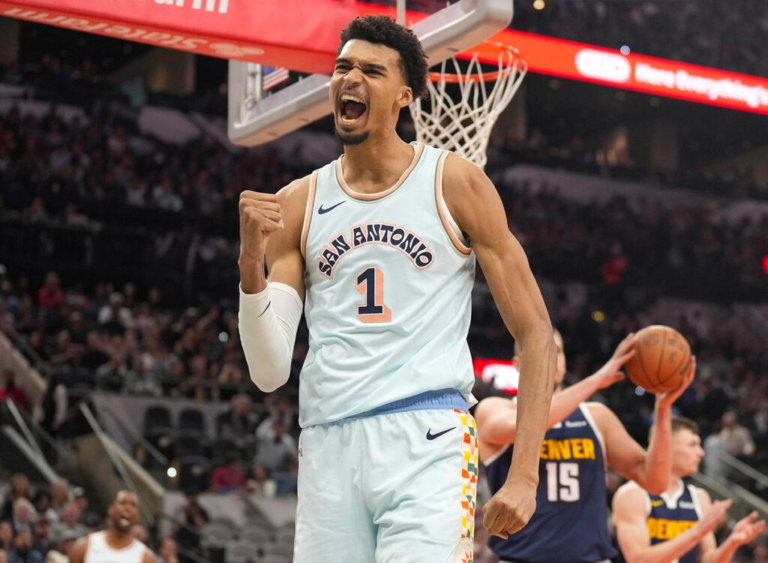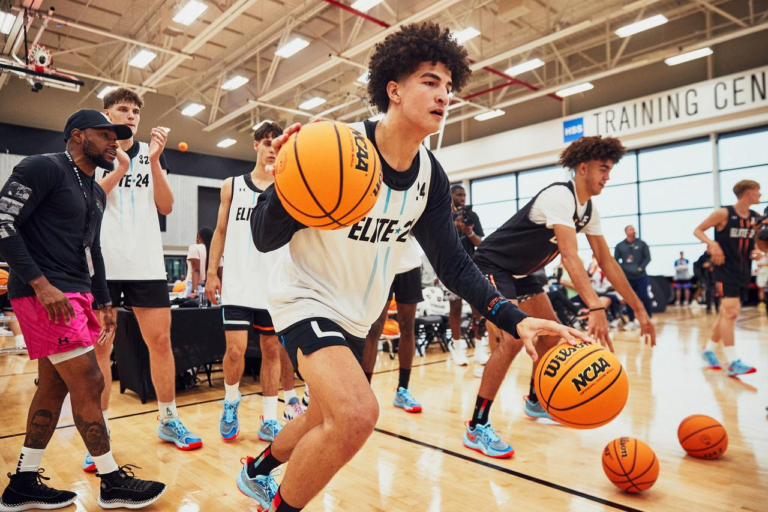
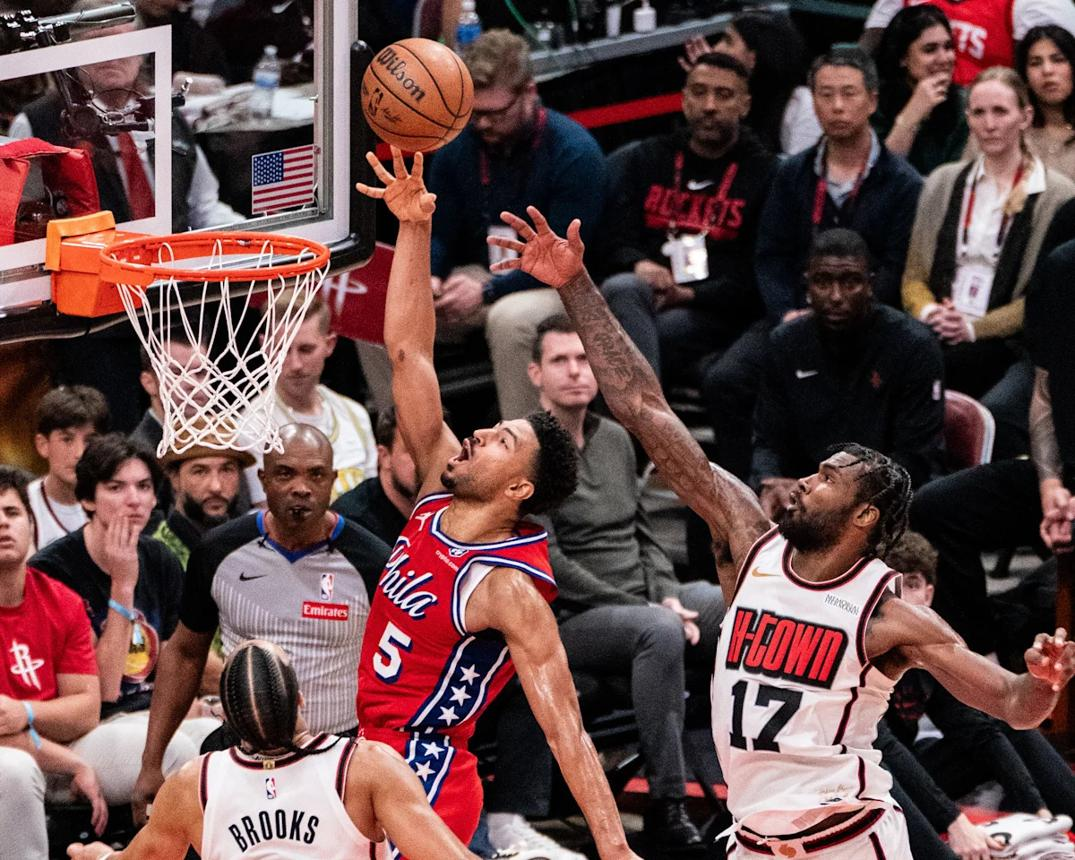
The NBA is experiencing a period of significant evolution driven by player versatility, advanced analytics, roster flexibility, international talent, sports science, and changing fan engagement habits. Analysts, team executives, and fans are closely watching how these developments influence team-building strategies, player development, championship contention, and the league’s future. Understanding these trends provides valuable insight into where professional basketball is heading next.
The NBA Is Entering a New Strategic Era
The NBA has always evolved. From the dominance of traditional centers in earlier decades to the rise of perimeter-oriented offenses and three-point shooting, the league consistently adapts to changing styles and technologies.
Today, however, multiple transformations are happening simultaneously. Front offices are relying more heavily on analytics, player development systems have become increasingly sophisticated, and teams are prioritizing flexibility over long-term rigidity.
For fans, these shifts create a more dynamic viewing experience. For executives, they represent opportunities and challenges that can determine whether a franchise remains competitive for years or falls behind quickly.
The most interesting aspect is that many of these trends are interconnected. Changes in one area often influence decision-making across the entire organization.
Positionless Basketball Continues to Gain Momentum
One of the most discussed NBA trends is the continued rise of positionless basketball.
Traditionally, teams built lineups around clearly defined roles:
- Point guards handled playmaking
- Shooting guards focused on scoring
- Small forwards provided versatility
- Power forwards controlled physical play
- Centers protected the rim
Modern basketball has blurred these distinctions.
Many of today’s stars can dribble, pass, defend multiple positions, and score from virtually anywhere on the court. Coaches increasingly prioritize versatility rather than positional labels.
This trend allows teams to:
- Create matchup advantages
- Switch defensively with fewer weaknesses
- Maintain offensive flexibility
- Reduce dependence on specialized role players
Teams that successfully develop multi-skilled players often gain significant strategic advantages during playoff series, where opponents have more time to exploit weaknesses.
Analytics Are Influencing More Decisions Than Ever
Advanced analytics have become deeply embedded in NBA operations.
What began as a movement focused on shot selection has expanded into nearly every aspect of basketball decision-making.
Modern NBA organizations use data to evaluate:
- Lineup combinations
- Player workload management
- Defensive effectiveness
- Draft prospects
- Free-agent value
- Injury risk factors
- In-game strategy
Executives now combine traditional scouting with sophisticated analytical models to create a more complete evaluation process.
This does not mean analytics have replaced basketball expertise. Instead, successful organizations integrate data with coaching experience, scouting observations, and player psychology.
For example, teams may identify a prospect whose statistical profile suggests high potential but still rely on scouts to assess leadership, competitiveness, and adaptability.
The organizations finding the best balance between data and human judgment often achieve the strongest long-term results.
International Talent Is Reshaping the League
The NBA has become more global than ever before.
International players are no longer viewed as exceptions. They are now among the league’s most influential stars and franchise cornerstones.
Players from Europe, Africa, South America, Canada, and Australia have significantly expanded the talent pool available to NBA teams.
Several factors have accelerated this trend:
- Improved global scouting networks
- Better youth development programs
- Increased international exposure through digital media
- Greater investment in grassroots basketball worldwide
NBA executives now maintain scouting operations across multiple continents.
For fans, this globalization creates broader interest and deeper storytelling opportunities. International audiences increasingly follow the NBA, while American fans gain exposure to different playing styles and basketball cultures.
The result is a richer and more diverse league that continues to attract elite athletes from around the world.
Player Development Has Become a Competitive Advantage
Winning organizations increasingly view player development as one of their most valuable assets.
Rather than relying solely on acquiring established stars, teams invest heavily in developing young talent internally.
Modern player development includes:
- Skill-specific training
- Video analysis
- Sports psychology
- Nutrition planning
- Strength and conditioning
- Recovery optimization
The goal is not simply improving players but accelerating improvement.
Organizations that consistently transform late draft picks and overlooked prospects into productive contributors create enormous value.
Examples throughout recent NBA history demonstrate that player development systems can significantly outperform expectations based solely on draft position.
This trend also affects roster construction. Teams often prioritize players with high developmental potential rather than focusing exclusively on immediate production.
Load Management and Sports Science Remain Major Topics
Few NBA topics generate as much debate as player workload management.
Teams now have access to extensive sports science data that tracks:
- Movement patterns
- Fatigue indicators
- Recovery rates
- Injury risk factors
- Physical exertion levels
The objective is straightforward: maximize player availability during the most important games.
However, balancing long-term health with fan expectations remains challenging.
Supporters purchasing tickets expect to see star players on the court. Teams, meanwhile, must consider the physical demands of an 82-game regular season.
As technology improves, organizations are becoming more precise in managing player workloads.
Future approaches may rely less on broad rest strategies and more on individualized performance data that allows teams to optimize participation without increasing injury risks.
The Three-Point Revolution Is Evolving Again
For years, discussions about NBA strategy centered on the dramatic increase in three-point shooting.
That trend continues, but the conversation has become more nuanced.
Teams now understand that simply taking more three-pointers is not enough.
Instead, organizations focus on:
- Shot quality
- Spacing efficiency
- Ball movement
- Offensive versatility
- Decision-making speed
Defenses have adapted as well.
Coaches are designing schemes specifically to limit high-value perimeter opportunities while forcing offenses into less efficient areas of the floor.
As a result, the league may be entering a new phase where offensive creativity becomes more important than simply maximizing shot volume from beyond the arc.
Financial Flexibility Is Becoming a Front-Office Priority
Salary cap management has become one of the NBA’s most critical strategic areas.
Recent collective bargaining adjustments have increased the importance of financial planning.
Executives must now carefully evaluate:
- Long-term contracts
- Luxury tax implications
- Roster depth
- Trade flexibility
- Future draft assets
Teams can no longer rely solely on acquiring multiple expensive stars without considering broader roster consequences.
This has led many organizations to prioritize sustainable roster construction.
Successful front offices increasingly focus on balancing star power with depth, flexibility, and long-term financial health.
For fans, this trend means understanding that major transactions often involve economic considerations in addition to basketball performance.
Defensive Versatility Is More Valuable Than Ever
While offensive trends receive significant attention, defense remains a critical factor in championship success.
Modern NBA defenses require players who can:
- Guard multiple positions
- Switch effectively
- Protect the rim
- Defend in space
- Recover quickly
Traditional defensive specialists are evolving into multi-dimensional contributors.
The most valuable defenders today often impact games in numerous ways rather than excelling in a single category.
This emphasis on versatility mirrors broader league trends and reinforces the importance of adaptable roster construction.
Teams seeking playoff success consistently invest in players capable of handling complex defensive responsibilities.

Fan Engagement Is Changing Through Technology
The way fans consume NBA content has changed dramatically.
Many viewers now engage with the league through:
- Social media highlights
- Streaming platforms
- Podcasts
- Analytics-based content
- Interactive digital experiences
Games remain central, but the surrounding ecosystem has expanded considerably.
Fans increasingly seek deeper understanding of:
- Team-building strategies
- Advanced statistics
- Player development
- Front-office decision-making
This demand has created new opportunities for media organizations, analysts, and content creators.
As technology continues advancing, fan engagement will likely become even more personalized and interactive.
What NBA Executives Are Watching Most Closely
Although fans often focus on scores and standings, executives tend to monitor broader indicators of organizational success.
Key areas include:
- Developmental progress of young players
- Salary cap positioning
- Draft asset accumulation
- Injury prevention systems
- Coaching adaptability
- Scouting effectiveness
- Long-term roster sustainability
Championship teams rarely emerge from a single successful move.
Instead, they often result from years of coordinated planning across multiple departments.
Understanding this broader perspective helps explain why organizations sometimes make decisions that appear unpopular in the short term but support larger strategic goals.
Why These Trends Matter Beyond This Season
Many NBA storylines dominate headlines for a few weeks before disappearing.
The trends discussed here are different because they influence the league’s structural direction.
Positionless basketball, international talent development, advanced analytics, sports science, and financial flexibility are not temporary developments.
They represent long-term shifts that affect:
- Team-building philosophy
- Player evaluation
- Coaching strategy
- Fan experience
- League competitiveness
Organizations that adapt effectively are likely to maintain advantages for years.
Those that resist change may struggle to keep pace in an increasingly sophisticated basketball environment.
Frequently Asked Questions
1. What is positionless basketball?
Positionless basketball refers to a style where players perform multiple roles rather than being limited to traditional positions such as point guard or center.
2. Why do NBA teams rely so heavily on analytics?
Analytics help organizations evaluate performance, identify trends, improve decision-making, and gain competitive advantages through data-driven insights.
3. Is international talent changing the NBA?
Yes. International players have become central figures across the league, expanding both the talent pool and global fan interest.
4. What does load management mean?
Load management involves monitoring player workload and recovery to reduce injury risk and maintain long-term performance.
5. Why is player development so important?
Developing talent internally is often more cost-effective than acquiring established stars and can create long-term roster stability.
6. Has the three-point revolution peaked?
Not necessarily. The focus is shifting from simply increasing volume to improving shot quality and offensive efficiency.
7. Why is salary cap flexibility important?
Financial flexibility allows teams to adapt to changing circumstances, pursue opportunities, and avoid restrictive long-term commitments.
8. What skills are most valued in modern NBA defenders?
Versatility, switching ability, rim protection, perimeter defense, and basketball intelligence are highly valued.
9. How has technology changed fan engagement?
Technology provides fans with instant access to highlights, analytics, podcasts, streaming content, and interactive experiences.
10. Which trend may have the biggest long-term impact?
Many experts believe the combination of analytics, player development, and global talent expansion will have the most lasting influence on the league.
About the Author