The NBA continues to evolve through shifting player movement, emerging young stars, advanced analytics, new media partnerships, and changing team-building strategies. As franchises balance immediate competitiveness with long-term sustainability, the league faces one of its most dynamic periods in recent memory. Understanding these developments helps fans, analysts, and casual observers better evaluate the storylines likely to influence the upcoming season.
The NBA Enters a New Era of Competitive Balance
For much of the past two decades, NBA conversations often centered around a small group of dominant franchises and superstar-led dynasties. While elite teams still exist, the league has increasingly moved toward greater competitive balance.
Recent seasons have demonstrated that championship contenders can emerge from a wider variety of markets and roster constructions. Teams that prioritize player development, financial flexibility, and organizational continuity are increasingly competing alongside franchises built around established superstars.
This shift has created a more unpredictable environment. Fans entering a new season are no longer looking at a handful of obvious favorites. Instead, a larger group of teams enters the year with realistic postseason ambitions.
Several factors contribute to this trend:
- Salary cap restrictions make it harder to maintain super teams indefinitely.
- Front offices have become more sophisticated in talent evaluation.
- International scouting has expanded the talent pool.
- Young players are contributing earlier in their careers.
- Injury management and workload strategies have become major competitive factors.
As a result, regular-season games carry greater significance, and playoff races often remain unsettled until the final weeks.
How Team-Building Strategies Are Evolving
One of the most important NBA storylines involves how organizations construct winning rosters.
A decade ago, teams frequently pursued multiple superstar acquisitions as the primary path to contention. While star talent remains essential, recent success stories have highlighted the value of roster depth, versatility, and player development.
Front offices now spend significant resources identifying players who fit specific systems rather than simply collecting recognizable names.
Consider how many successful teams emphasize:
- Positionless basketball
- Defensive flexibility
- Three-point shooting
- Transition efficiency
- Lineup versatility
Modern coaches increasingly rely on players who can defend multiple positions and contribute in several areas rather than specialists with narrow skill sets.
This trend has altered both draft evaluations and free-agency decisions. Teams often prioritize basketball IQ, adaptability, and consistency over traditional statistical production alone.
The result is a league where roster construction has become more nuanced and strategic than ever before.

The Next Generation of Stars Takes Center Stage
Every NBA era eventually experiences a changing of the guard.
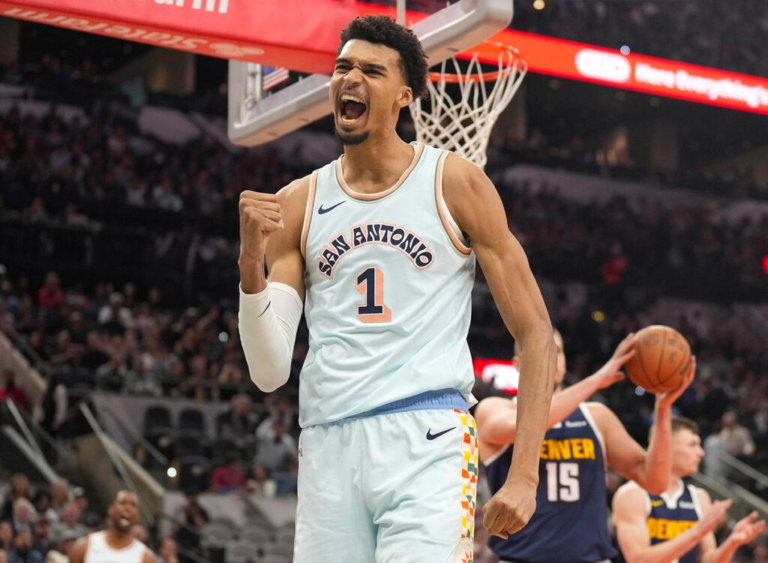
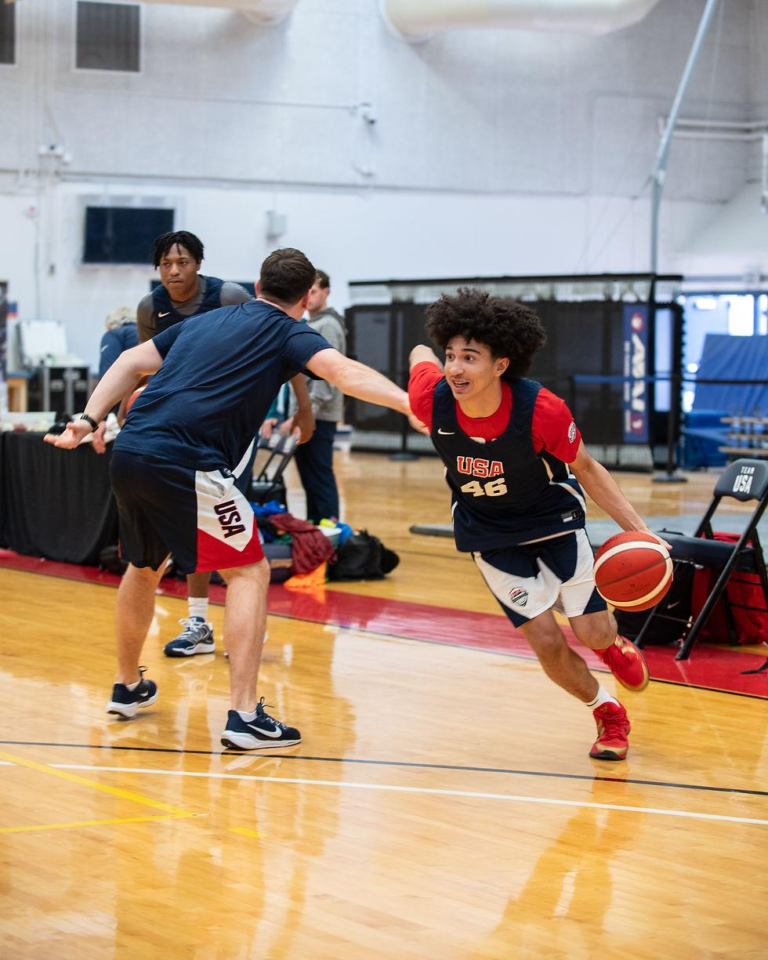
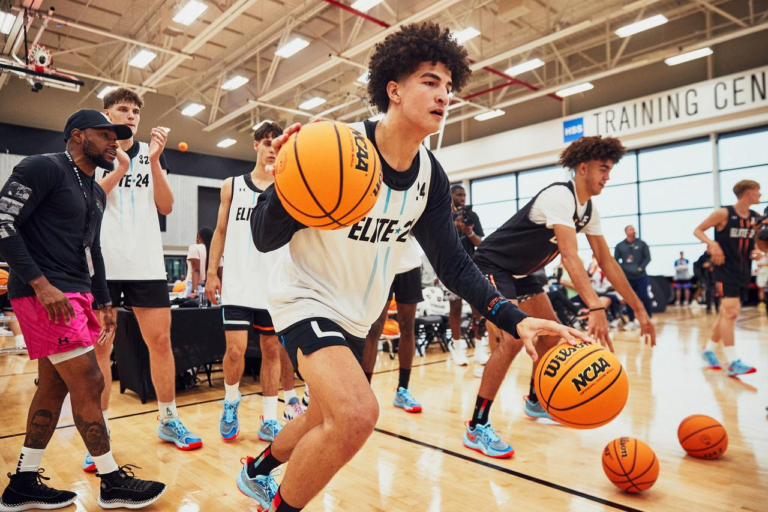
While established veterans continue to drive headlines, younger stars are increasingly shaping the league’s future. Organizations across the NBA are investing heavily in player development infrastructure to maximize young talent.
The league’s newest generation arrives with several advantages:
- Advanced training from an early age
- Greater access to skill development programs
- Enhanced sports science resources
- More international competition experience
- Exposure to professional-level analytics
Young players today often enter the NBA more polished than previous generations.
Fans searching for “Who are the future faces of the NBA?” are witnessing that answer unfold in real time. Emerging stars are not merely role players waiting their turn. Many are already becoming franchise cornerstones, All-Star candidates, and playoff difference-makers.
This transition ensures that the league remains compelling even as veteran legends move toward the later stages of their careers.
International Talent Continues Reshaping the League
One of the most transformative developments in modern NBA history is the globalization of talent.
International players have become central figures in championship races, MVP discussions, and franchise-building efforts. Teams now scout extensively across Europe, Africa, Australia, Asia, and South America.
This global influence has changed how basketball is played.
International prospects frequently arrive with:
- Strong passing instincts
- Advanced fundamentals
- Positional versatility
- Team-oriented decision-making
- Experience in professional leagues
The NBA’s international reach also continues expanding its audience. Global broadcasts, digital content, and overseas events have helped transform the league into one of the world’s most recognizable sports properties.
For American fans, this means exposure to a wider range of playing styles and basketball philosophies than ever before.
The Analytics Revolution Is Maturing
Analytics are no longer a competitive advantage available only to a few organizations.
Virtually every franchise now employs data specialists, performance analysts, and technology experts to support decision-making.
However, the next phase of analytics is less about replacing traditional basketball knowledge and more about integrating it effectively.
Teams increasingly combine:
- Statistical modeling
- Video analysis
- Biomechanical data
- Sports science metrics
- Coaching expertise
This balanced approach allows organizations to make more informed decisions regarding player usage, injury prevention, and game strategy.
For example, teams now evaluate far more than points per game. Metrics involving shot quality, defensive impact, lineup efficiency, and possession value often provide deeper insight into player performance.
The most successful organizations are typically those that blend quantitative analysis with experienced basketball judgment.
Load Management and Player Health Remain Major Topics
Perhaps no modern NBA issue generates more discussion than player health and availability.
The physical demands of an 82-game regular season remain significant, especially as the pace of play and athletic requirements continue increasing.
Organizations have responded by investing heavily in:
- Performance tracking systems
- Recovery technology
- Sleep science programs
- Nutrition departments
- Injury prevention specialists
The objective is simple: keep players healthy for the postseason.
However, balancing long-term health with regular-season competitiveness remains challenging. Fans purchasing tickets understandably want to see star players compete, while teams prioritize maximizing championship opportunities.
This conversation is unlikely to disappear anytime soon.
Instead, the upcoming season will likely continue exploring how the league can maintain competitive integrity while supporting player wellness.
Media, Streaming, and the Modern NBA Fan Experience
The way fans consume NBA content has changed dramatically.
Traditional television remains important, but streaming platforms, social media, podcasts, and digital highlights now play a major role in shaping fan engagement.
Today’s NBA audience often follows:
- Live games
- Short-form highlights
- Player interviews
- Analytics breakdowns
- Social media reactions
- Documentary content
This creates a more connected fan experience.
A single game can generate discussion across multiple platforms within minutes. Players also have unprecedented opportunities to build personal brands and communicate directly with fans.
The league’s future growth increasingly depends on delivering content where audiences prefer to consume it rather than relying exclusively on traditional viewing habits.
The Importance of Depth During an 82-Game Season
Championship discussions often focus on star players, but depth frequently determines long-term success.
The NBA calendar is demanding. Injuries, scheduling challenges, travel demands, and roster adjustments all test organizational depth.
Teams with strong second units often benefit from:
- Reduced workload on starters
- Greater lineup flexibility
- Improved injury resilience
- More consistent regular-season performance
A practical example can be seen when contenders navigate stretches of five or six games in a short period. Teams possessing capable role players are better positioned to maintain performance levels when key contributors miss time.
As front offices prepare for the upcoming season, building reliable depth remains a priority.
What Fans Should Watch Most Closely This Season
Several interconnected storylines deserve attention throughout the year.
Key developments likely to shape the season include:
- The emergence of new championship contenders
- Progress from young franchise players
- Trade deadline roster adjustments
- Health and availability of star players
- Continued growth of international talent
- Evolution of offensive and defensive strategies
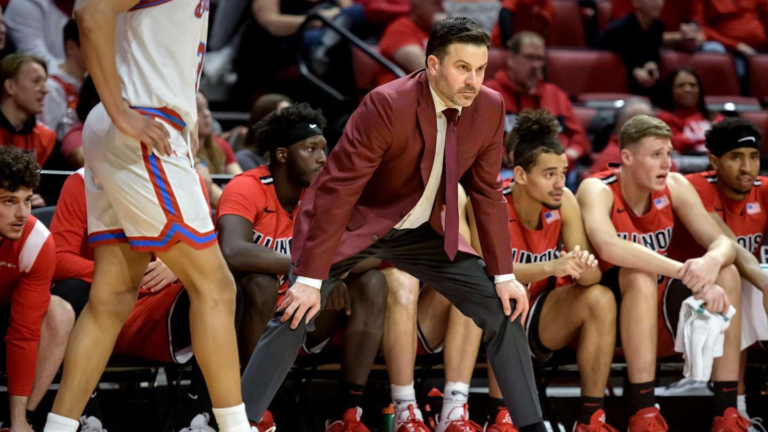
- Impact of coaching changes
- Development of rookie classes
Rather than focusing solely on championship favorites, fans may gain greater insight by tracking how organizations adapt to changing circumstances throughout the season.
Often, the most important stories emerge gradually rather than through headline-grabbing moments.
Frequently Asked Questions
1. Why is the NBA considered more competitive today?
Improved talent distribution, salary cap structures, player development programs, and international scouting have created greater parity across the league.
2. What role does analytics play in modern NBA decision-making?
Analytics help teams evaluate player performance, optimize lineups, improve scouting, and support strategic decisions alongside traditional basketball expertise.
3. Are super teams still important in the NBA?
Star talent remains valuable, but recent trends show that roster depth, versatility, and organizational stability are equally important factors.
4. Why are international players becoming so influential?
Global scouting networks and professional development systems have produced elite players capable of competing at the highest levels immediately.
5. What is load management?
Load management refers to strategies designed to reduce physical stress on players and improve long-term health and performance.
6. How important is bench depth?
Depth often determines how well teams handle injuries, scheduling challenges, and postseason demands throughout a long season.
7. Why are younger players succeeding earlier?
Advanced training methods, improved coaching, and greater exposure to elite competition help players arrive more prepared than previous generations.
8. How has media coverage changed NBA fandom?
Fans now engage through streaming services, social media, podcasts, analytics content, and direct player communication in addition to live broadcasts.
9. What should casual fans pay attention to during the season?
Player development, team chemistry, injury trends, coaching adjustments, and trade activity often reveal more about contenders than win-loss records alone.
10. What is the biggest storyline entering the season?
The balance between emerging young talent and established stars may be the defining theme shaping the league’s next chapter.
About the Author