
The NBA is entering a period of significant transition shaped by younger superstars, evolving roster-building strategies, new financial restrictions, advanced analytics, and changing fan expectations. Recent developments suggest the league’s next competitive era may be defined less by traditional superteams and more by organizational depth, player development, flexibility, and sustainable championship construction. Understanding these trends helps fans, analysts, and stakeholders better anticipate where professional basketball is heading.
The NBA Is Entering a New Competitive Cycle
Every major sports league experiences periods of transition. In the NBA, these shifts often occur when dominant stars age, championship contenders evolve, and emerging talent begins to reshape the balance of power.
Recent seasons have highlighted a notable change in league dynamics. Several franchises built around younger cores have emerged as serious contenders, while organizations that once relied heavily on superstar aggregation have faced increasing challenges under the league’s financial structure.
The result is a competitive landscape that appears more open than at many points over the past two decades.
For fans, this means greater uncertainty regarding championship outcomes. For teams, it means long-term planning has become more important than ever.
The next era may not belong to the team with the biggest names. Instead, it may belong to the organizations that consistently draft well, develop talent effectively, and manage resources strategically.
How New Salary Cap Rules Are Reshaping Team Building
One of the most important developments in recent years has been the NBA’s revised collective bargaining agreement and the introduction of stricter luxury-tax penalties.
Historically, wealthy franchises could spend aggressively to maintain expensive rosters. While financial consequences existed, many contenders viewed them as manageable costs.
Today’s environment is different.
Teams exceeding certain spending thresholds face significant roster-building limitations, including restrictions on trades, free-agent acquisitions, and future flexibility.
As a result, front offices are adapting their strategies.
Key shifts include:
- Greater emphasis on drafting and player development
- Increased value placed on cost-controlled young talent
- More caution regarding long-term veteran contracts
- Stronger focus on roster depth rather than star accumulation
- Greater importance of contract efficiency
This evolution may fundamentally alter championship construction over the next decade.
Rather than assembling three or four maximum-salary stars, organizations are increasingly seeking balanced rosters capable of sustaining success across multiple seasons.
The Rise of Homegrown Contenders
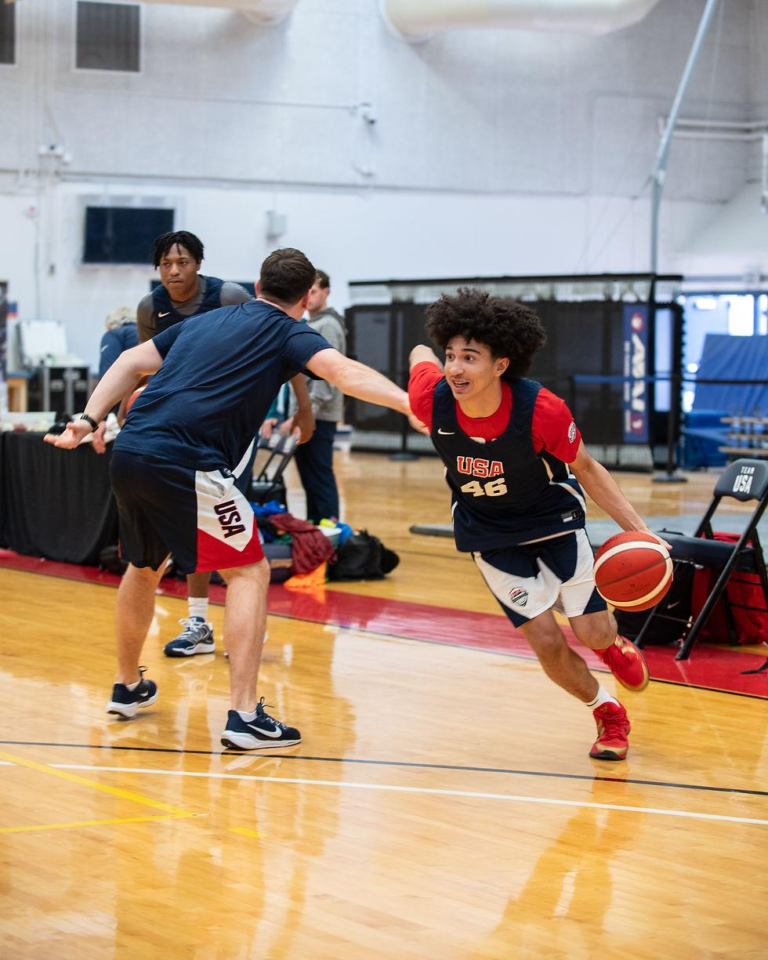
Another defining trend is the success of teams built primarily through internal development.
Organizations across the league have demonstrated that patience can be as valuable as aggressive free-agent spending.
When young players remain within stable systems, teams benefit from:
- Familiarity with coaching philosophies
- Better chemistry
- Lower roster turnover
- Stronger salary flexibility
- More predictable development pathways
Several recent contenders have relied heavily on players they drafted or developed internally.
This approach also resonates with fans. Supporters often feel stronger connections to players who spend years growing within an organization rather than arriving through short-term acquisitions.
The success of these teams may encourage more franchises to invest heavily in scouting, player development staff, sports science departments, and G League programs.
Why Young Superstars Are Driving the League Forward
Every NBA era is ultimately defined by its stars.
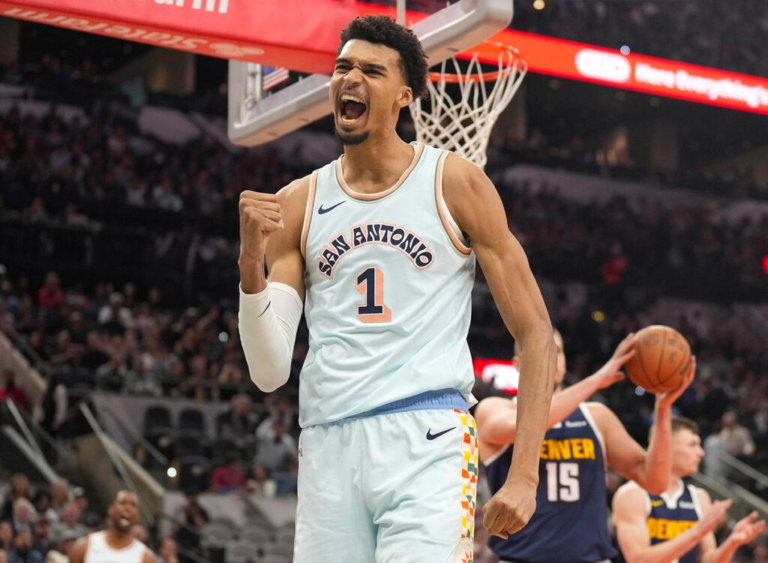
The league’s future appears increasingly centered on a new generation of elite talent capable of carrying franchises both competitively and commercially.
What makes today’s emerging stars unique is their versatility.
Many young franchise players now possess:
- Playmaking ability
- Scoring versatility
- Defensive impact
- Position flexibility
- Advanced basketball IQ
Unlike previous generations where players were often categorized into rigid positions, modern stars frequently operate across multiple roles.
This versatility changes how teams are built.
A player capable of defending multiple positions while creating offense reduces the need for highly specialized supporting pieces.
As a result, roster construction becomes more flexible and adaptable.
For fans, the emergence of multiple young stars also creates a healthier competitive ecosystem because championship aspirations are spread across more markets.
Analytics Continue to Influence Decision-Making
Advanced analytics have become a permanent part of NBA operations.
What was once viewed as an experimental approach is now deeply integrated into nearly every franchise.
Modern organizations evaluate:
- Shot efficiency
- Defensive versatility
- Lineup effectiveness
- Player workload
- Injury risk
- Possession value
Analytics do not replace traditional scouting, but they increasingly complement it.
For example, teams now routinely identify undervalued role players whose impact may not be fully reflected in traditional box-score statistics.
This shift has created opportunities for organizations that excel at data interpretation.
The next competitive era may be shaped not only by player talent but also by an organization’s ability to transform information into actionable decisions.
Load Management and Player Health Remain Central Issues
One of the league’s most debated topics continues to be player availability.
The NBA schedule remains physically demanding, and organizations are investing heavily in sports science to maximize performance while reducing injury risk.
Modern teams monitor:
- Movement patterns
- Recovery metrics
- Training workloads
- Sleep quality
- Biomechanical data
These investments reflect a broader understanding that availability is often as valuable as talent.
A franchise with a slightly less talented roster but healthier players may outperform a more star-studded team dealing with persistent injuries.
Going forward, player health management could become one of the most important competitive advantages in professional basketball.
Teams that consistently keep key contributors available may enjoy significant long-term success.
The Growing Importance of Organizational Stability
While fans often focus on players, successful franchises typically share another characteristic: stability.
Stable organizations usually demonstrate:
- Clear leadership structures
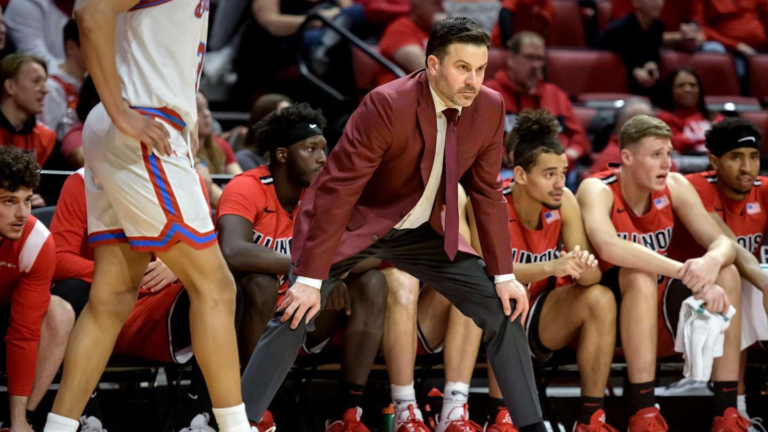
- Consistent coaching philosophies
- Long-term planning
- Strong player development systems
- Effective communication
Recent NBA history shows that organizations with coherent visions often outperform teams that frequently change direction.
This does not mean every rebuilding effort succeeds.
However, franchises that establish clear identities tend to create environments where players can maximize their potential.
As competitive margins become smaller, organizational culture may become an increasingly valuable differentiator.
How International Talent Is Expanding Competition
The NBA’s talent pipeline has become more global than ever.
International players now represent a significant portion of the league’s elite talent pool.
This globalization creates several benefits:
- Expanded talent availability
- Diverse playing styles
- Increased international viewership
- Broader scouting networks
- Greater competitive depth
Teams now maintain extensive scouting operations across multiple continents.
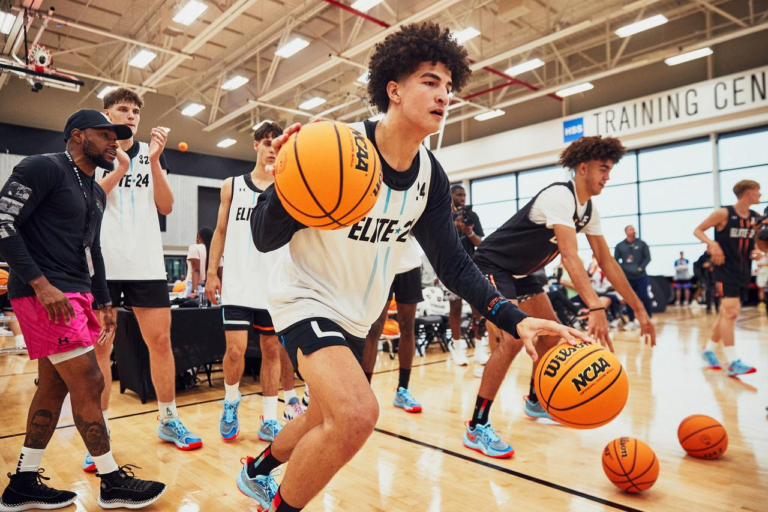
As international development systems continue improving, the number of NBA-ready prospects entering the league is likely to grow.
This trend increases competition for roster spots while simultaneously raising overall league quality.
The next competitive era may feature the most globally diverse collection of stars in NBA history.
What Fans Can Expect From the Next Generation of Rivalries
Competitive eras are often remembered through rivalries.
The NBA’s next chapter may be defined by emerging matchups between young stars and ascending franchises.
Several factors support the development of long-term rivalries:
- Younger core players remaining together longer
- Increased parity across conferences
- Expanded national media exposure
- Greater social media engagement
- More frequent playoff encounters
For the league, strong rivalries generate sustained interest and narrative continuity.
For fans, they provide compelling storylines that extend beyond individual seasons.
If current trends continue, the next decade could produce some of the NBA’s most balanced and competitive championship races.
Why Competitive Balance Matters More Than Ever
Perhaps the most significant implication of recent developments is the possibility of greater league-wide parity.
When multiple franchises enter seasons with realistic championship aspirations, fan engagement often increases.
Competitive balance offers several advantages:
- More meaningful regular-season games
- Increased local market interest
- Stronger television value
- Greater postseason unpredictability
- Healthier league-wide growth
No system can eliminate competitive disparities entirely.
However, the NBA’s current trajectory suggests a league where success depends increasingly on smart decision-making rather than simply acquiring the most star power.
That shift could define the next competitive era.

Frequently Asked Questions
1. What is the biggest factor shaping the NBA’s future?
The combination of stricter salary-cap rules and improved player development systems may have the greatest long-term impact on roster construction.
2. Are superteams disappearing from the NBA?
Not entirely. However, financial restrictions have made maintaining expensive superstar-heavy rosters more difficult than in previous eras.
3. Why are younger teams becoming more competitive?
Improved scouting, player development, and analytics have accelerated the growth of young talent across the league.
4. How important is analytics in today’s NBA?
Analytics play a major role in decision-making but are typically used alongside traditional scouting and coaching evaluation.
5. Will international players continue influencing the league?
Yes. International basketball development continues to improve, providing the NBA with a larger and more diverse talent pool.
6. What role does player health play in championship success?
Availability is critical. Teams that keep key players healthy often gain substantial competitive advantages.
7. Why are draft picks becoming more valuable?
Young players on rookie-scale contracts provide production at lower costs, creating roster flexibility under salary-cap constraints.
8. Are smaller-market teams becoming more competitive?
Recent trends suggest that strong management, scouting, and development can help smaller-market teams compete effectively.
9. What makes organizational stability important?
Stable organizations create environments that support long-term player growth, strategic planning, and consistent performance.
10. Could the NBA become more balanced over the next decade?
Many league trends suggest increased parity, with more teams capable of competing at high levels.
About the Author