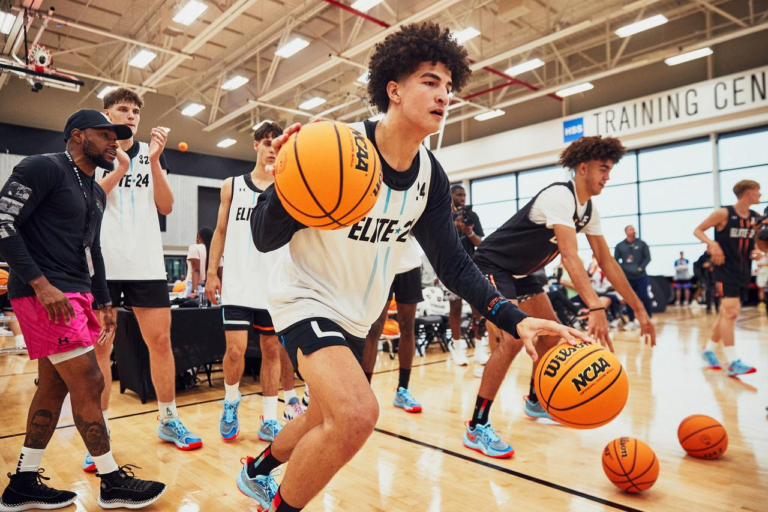

NCAA basketball remains one of America’s most influential sports ecosystems, balancing tradition with rapid change. From conference realignment and NIL opportunities to transfer portal activity and evolving recruiting strategies, the sport continues to reshape itself. While March Madness remains the centerpiece, the journey through conference play reveals how programs, athletes, coaches, and fans are adapting to a new era of college basketball.
Introduction
For generations, NCAA basketball has occupied a unique place in American sports culture. It serves as a proving ground for future professionals, a source of school pride, and the foundation for one of the most celebrated sporting events in the country: the NCAA Tournament.
Yet today’s college basketball landscape looks significantly different from even a decade ago. Conference memberships are shifting, athletes have more mobility than ever before, and Name, Image, and Likeness (NIL) opportunities have transformed recruiting and roster management. Meanwhile, fans continue to expect competitive games, compelling storylines, and the unpredictability that makes March Madness a national phenomenon.
The ability of NCAA basketball to evolve while preserving its core appeal may be one of the reasons it continues to thrive.
The Importance of Conference Play in Modern NCAA Basketball
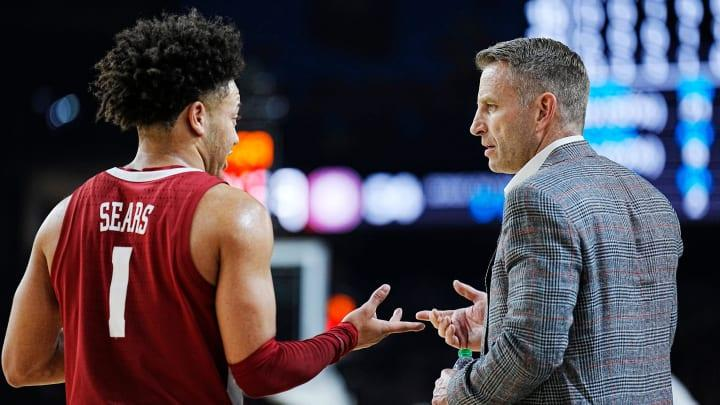
Long before the NCAA Tournament begins, conference play determines much of a team’s identity and postseason prospects.
Conference schedules provide consistent competition against familiar opponents, creating rivalries that often span generations. These games help coaches evaluate their teams, refine strategies, and prepare players for the pressure of postseason basketball.
Today’s conference season carries even greater significance because:
- Tournament selection committees heavily evaluate conference performance
- Conference tournaments can provide automatic tournament bids
- Strength of schedule influences rankings and seeding
- National exposure often increases during conference competition
Programs that perform well during conference play frequently enter March with greater momentum and confidence.
For example, teams from power conferences such as the Big Ten Conference, Southeastern Conference, and Atlantic Coast Conference often face tournament-level competition throughout the regular season, preparing them for the intensity of postseason play.
How Conference Realignment Is Reshaping the Sport
One of the most significant developments in recent years has been conference realignment.
Universities have increasingly moved between conferences in pursuit of greater media exposure, financial opportunities, and competitive advantages. While football often drives these decisions, basketball programs experience substantial effects as well.
Realignment creates several consequences:
Expanded Geographic Footprints
Teams now travel farther than ever before.
A conference that once consisted primarily of neighboring states may now stretch across multiple regions of the country. While this can increase national visibility, it also introduces logistical challenges.
New Rivalries and Competitive Dynamics
Traditional matchups sometimes disappear while new rivalries emerge.
Fans accustomed to seeing the same opponents each season must adapt to unfamiliar conference schedules and competitive structures.
Recruiting Opportunities
Broader conference footprints can help programs recruit talent from additional markets.
A school competing in a nationally visible conference may gain exposure among recruits who previously paid little attention to the program.
These changes demonstrate how NCAA basketball continues to adjust to broader shifts in collegiate athletics.
The Transfer Portal Has Changed Roster Building
Perhaps no recent development has altered college basketball more dramatically than the transfer portal.
Historically, coaches focused heavily on recruiting high school prospects and developing them over multiple seasons. While development remains important, roster construction now resembles professional sports more closely.
Programs increasingly use the transfer portal to address immediate needs.
A coach may seek:
- Experienced point guards
- Defensive specialists
- Three-point shooters
- Interior rebounders
- Veteran leadership
This flexibility can accelerate rebuilding efforts.
Several recent tournament teams have relied heavily on transfers who made immediate impacts after arriving on campus.
However, increased player movement also creates challenges. Coaches must constantly evaluate roster stability, maintain team chemistry, and adapt to yearly personnel changes.
The transfer portal has introduced both opportunity and uncertainty, becoming one of the defining features of modern NCAA basketball.
NIL Opportunities and Their Influence on Recruiting
Name, Image, and Likeness opportunities have fundamentally changed the college sports landscape.
Athletes can now earn compensation through endorsements, appearances, social media partnerships, and business ventures while maintaining NCAA eligibility.
For basketball players, NIL opportunities may include:
- Local advertising campaigns
- Social media sponsorships
- Community appearances
- Merchandise partnerships
- Brand ambassador agreements
Recruiting conversations increasingly involve discussions about NIL support structures and educational resources.
Importantly, successful programs have learned that NIL is only one component of attracting talent. Players also consider:
- Coaching quality
- Development opportunities
- Playing time
- Academic support
- Team culture
- Professional aspirations
The most effective programs combine strong basketball infrastructure with responsible NIL support systems.
Why Player Development Still Matters
Despite the attention given to recruiting rankings and transfer acquisitions, player development remains one of the strongest predictors of sustained success.
Many of the nation’s most successful programs consistently improve players over multiple seasons.
Development typically focuses on:
Skill Enhancement
Players refine shooting mechanics, ball handling, defensive positioning, and decision-making.
Physical Growth
Strength training and conditioning programs help athletes handle the demands of a long season.
Mental Preparation
Basketball IQ, leadership, resilience, and adaptability often separate good players from great ones.
Professional Readiness
Many athletes aspire to play professionally, making development a key recruiting advantage.
Programs known for producing NBA-ready talent frequently attract recruits seeking long-term growth rather than immediate recognition.

What Makes March Madness So Enduring?
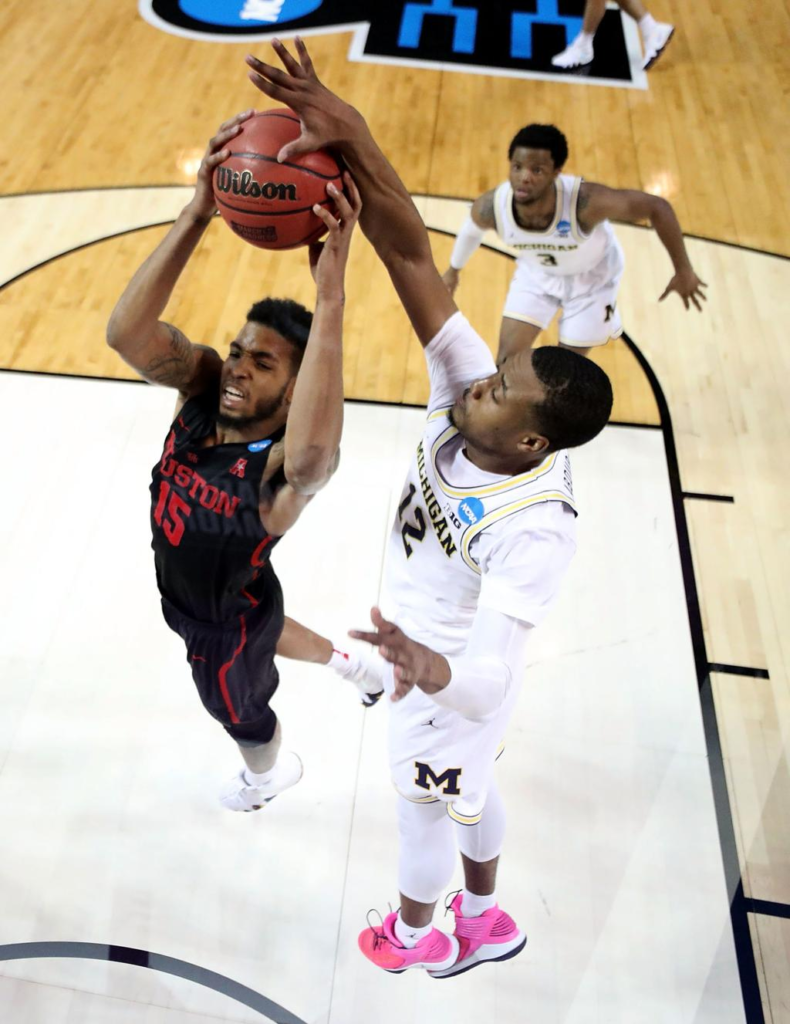
Every spring, March Madness captures the attention of casual fans and dedicated basketball followers alike.
The NCAA Tournament remains one of the most compelling events in American sports because of its unique structure.
Single-elimination competition creates immediate stakes. A season’s work can end in one game, while an underdog can achieve national recognition overnight.
Several factors contribute to its enduring appeal:
- Unpredictable outcomes
- Cinderella stories
- Regional pride
- Historic rivalries
- Future professional stars
- Emotional fan engagement
Unlike many professional playoff formats, every possession can dramatically influence a team’s fate.
This level of urgency continues to make March Madness a cultural event that extends far beyond traditional sports audiences.
Technology and Analytics Are Driving Smarter Decisions
Modern basketball programs increasingly rely on data analysis.
Analytics now influence everything from recruiting evaluations to in-game strategy.
Coaches use advanced metrics to assess:
- Offensive efficiency
- Defensive efficiency
- Shot selection
- Pace of play
- Lineup effectiveness
- Opponent tendencies
Video technology has also improved scouting and player development.
Athletes can review possessions almost immediately, allowing for faster adjustments and more targeted coaching.
While basketball remains a game of human performance, technology provides coaches with information that was unavailable to previous generations.
How Fans Experience NCAA Basketball Today
The fan experience has evolved significantly.
Streaming services, social media platforms, mobile apps, and digital content have expanded access to games and analysis.
Today’s fans can:
- Watch games from multiple conferences
- Follow recruiting developments
- Track transfer portal activity
- Analyze advanced statistics
- Engage directly with athletes online
This increased connectivity has broadened interest in programs beyond traditional regional boundaries.
A fan in California can easily follow a team from North Carolina, while a viewer in Texas can watch conference games involving schools from the Northeast.
The result is a more national and interconnected basketball audience.
Frequently Asked Questions
1. What is conference play in NCAA basketball?
Conference play refers to games played against schools within a team’s athletic conference. These games significantly influence tournament selection and postseason opportunities.
2. Why is March Madness so popular?
March Madness combines single-elimination competition, unpredictable outcomes, and nationwide participation, creating one of the most exciting sporting events in America.
3. How does the transfer portal work?
The transfer portal allows student-athletes to formally enter a database indicating their interest in transferring to another school while maintaining NCAA eligibility under current rules.
4. What does NIL mean in college basketball?
NIL stands for Name, Image, and Likeness, allowing athletes to earn compensation through endorsements and business opportunities.
5. How does conference realignment affect basketball programs?
Realignment changes scheduling, travel requirements, recruiting opportunities, media exposure, and competitive dynamics.
6. Do recruiting rankings guarantee success?
No. While recruiting rankings can indicate talent potential, coaching, player development, culture, and roster fit remain critical factors.
7. Why are analytics important in college basketball?
Analytics help coaches make more informed decisions regarding strategy, player evaluation, lineup construction, and game preparation.
8. How are NCAA Tournament teams selected?
Selection committees evaluate records, strength of schedule, quality wins, conference performance, and various performance metrics.
9. What role does player development play today?
Player development remains essential for improving individual performance, building team success, and preparing athletes for professional opportunities.
10. Is college basketball becoming more like professional basketball?
In some respects, yes. The transfer portal, NIL opportunities, and advanced analytics have introduced elements similar to professional sports, although college basketball maintains its own unique traditions and structure.
About the Author