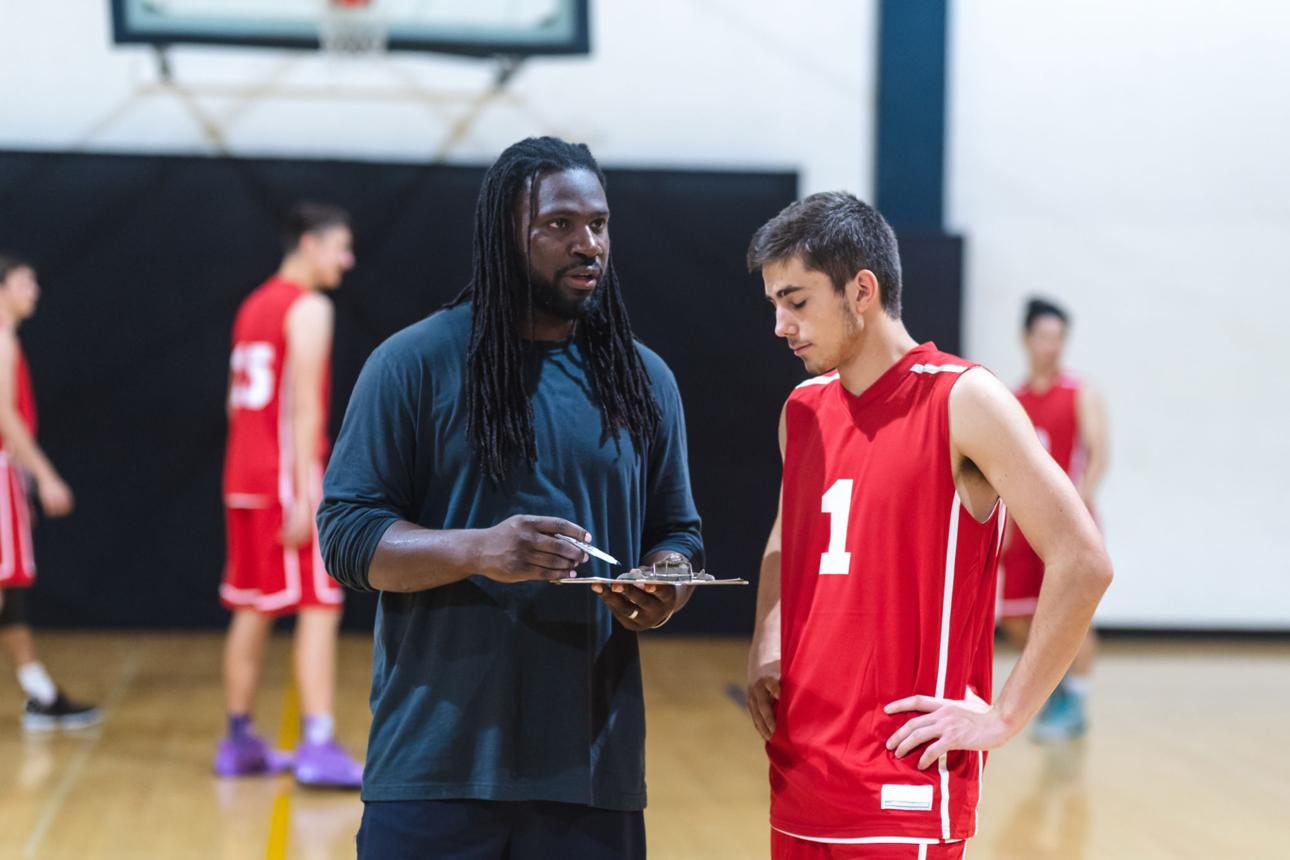
NCAA basketball continues to serve as one of America’s most influential environments for developing athletic, academic, and professional talent. Beyond preparing players for professional leagues, college basketball teaches leadership, teamwork, resilience, and adaptability under pressure. Its national visibility, competitive structure, passionate fan bases, and developmental resources make it a unique platform where emerging talent gains experience that often shapes long-term success both on and off the court.
Introduction
Every year, millions of Americans tune in to college basketball games, conference tournaments, and postseason competitions. While the excitement of buzzer-beaters and championship runs attracts widespread attention, NCAA basketball’s deeper significance extends far beyond entertainment.
For decades, NCAA basketball has functioned as one of the most important development systems in American sports. It provides young athletes with opportunities to compete at a high level, receive an education, build personal discipline, and prepare for future careers. While professional pathways continue to evolve, college basketball remains a critical stage where emerging talent gains visibility and learns how to perform under intense scrutiny.
The influence of NCAA basketball can be seen not only in professional sports but also in business, coaching, media, and community leadership. Many of the lessons learned within college programs continue to benefit former players long after their athletic careers conclude.
Why Does NCAA Basketball Continue to Matter?
One of the most common questions sports fans ask is whether NCAA basketball still plays a significant role in talent development given the growth of alternative professional pathways.
The answer remains largely yes.
While professional development leagues and international opportunities have expanded, NCAA basketball offers a unique combination of competition, education, exposure, and personal growth that is difficult to replicate elsewhere.
Athletes regularly face:
- National television audiences
- High-pressure conference rivalries
- Demanding travel schedules
- Academic responsibilities
- Leadership expectations
- Media scrutiny
Learning to balance these challenges helps players develop skills that extend beyond basketball.
The environment mirrors many of the demands they may later encounter in professional sports, business leadership, and other competitive careers.
The National Exposure Advantage
One reason NCAA basketball remains influential is its unparalleled visibility.
Major conferences regularly attract national television audiences, while postseason tournaments generate widespread public interest. Annual tournaments consistently rank among the most-watched sporting events in the United States.
This visibility creates opportunities for athletes to showcase their abilities against top competition.
A strong performance during nationally televised games can significantly elevate a player’s reputation among:
- Professional scouts
- Coaches
- Sports executives
- Media analysts
- Corporate sponsors
The exposure extends beyond elite prospects. Players who may never reach professional leagues often benefit from the networking opportunities and recognition generated through successful college careers.
For many athletes, NCAA basketball serves as a launching point into careers in coaching, broadcasting, sports management, education, and business.
The Development of Leadership Skills
Athletic talent alone rarely determines long-term success.
College basketball places players in situations that require leadership development on a daily basis.
Team captains and veteran players often learn how to:
- Communicate effectively
- Resolve conflicts
- Mentor younger teammates
- Manage adversity
- Maintain accountability
These experiences can be transformative.
Many former NCAA athletes report that the leadership lessons learned during college athletics proved just as valuable as their athletic achievements.
Consider a senior point guard leading a young roster through a difficult season. The responsibility involves more than scoring points. It includes maintaining team morale, setting standards during practice, and helping teammates navigate setbacks.
These are transferable skills that employers across industries actively seek.
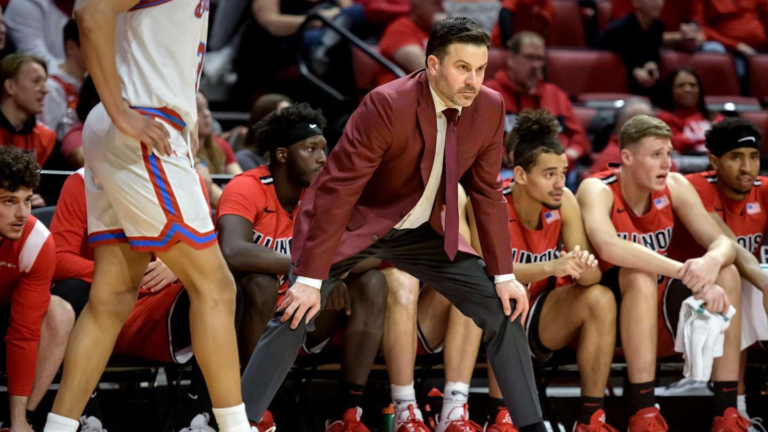
Why Coaches Play Such an Important Developmental Role
Successful NCAA programs are often defined by more than wins and losses.
Many respected coaches focus heavily on player development, emphasizing growth in areas such as:
- Decision-making
- Emotional intelligence
- Time management
- Communication
- Professionalism
Athletes often spend multiple years within structured systems where coaches act as teachers, mentors, and role models.
Programs known for long-term success frequently create environments that emphasize:
- Personal responsibility
- Academic achievement
- Team-first culture
- Continuous improvement
These principles help prepare athletes for future challenges regardless of whether they pursue professional basketball careers.
The influence of strong coaching relationships frequently extends well beyond graduation.
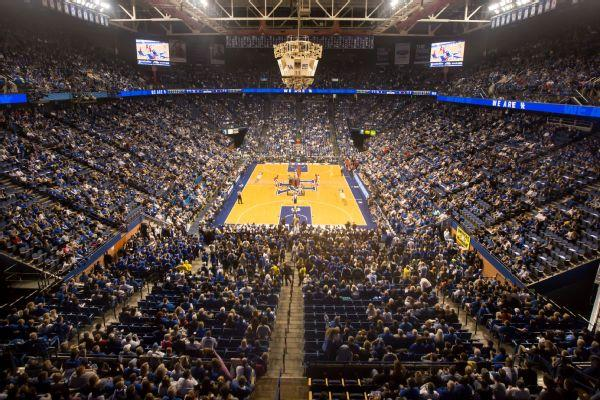
The Academic Component Remains Valuable
A unique characteristic of NCAA basketball is the integration of academics and athletics.
Student-athletes must learn how to balance demanding schedules that include:
- Practices
- Strength training
- Travel
- Film study
- Classes
- Exams
- Community obligations
This balancing act teaches discipline and organization.
Many athletes ultimately pursue careers unrelated to professional sports. In those cases, the educational opportunities provided through college become especially important.
Even athletes who advance to professional leagues often benefit from the communication, analytical thinking, and problem-solving skills developed through higher education.
The NCAA model encourages athletes to develop multiple dimensions of their identity rather than focusing solely on athletic performance.
How Competition Accelerates Growth
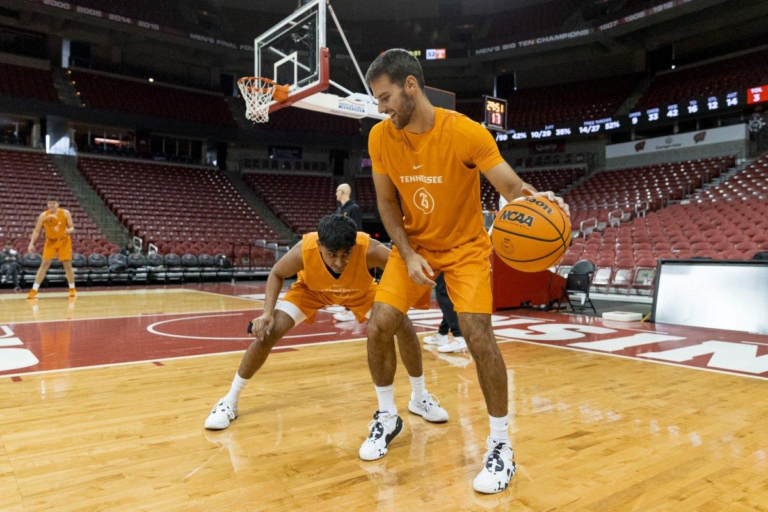
Few environments challenge young athletes as consistently as NCAA basketball.
Players frequently face opponents who were among the best performers in their respective high school programs. The overall level of competition is significantly higher than what most athletes previously experienced.
As a result, players must adapt quickly.
Common growth areas include:
- Physical conditioning
- Tactical understanding
- Mental resilience
- Decision-making speed
- Defensive awareness
- Team chemistry
A freshman who dominated high school competition may suddenly find themselves competing for limited playing time.
Learning how to respond constructively to setbacks often becomes one of the most valuable lessons of their collegiate career.
Growth frequently occurs through adversity rather than immediate success.
The Impact of March Basketball on Talent Recognition
No discussion of NCAA basketball’s influence is complete without examining postseason tournaments.
Every year, players gain national recognition through memorable performances during championship events, particularly the tournament commonly known as March Madness.
These games create unique opportunities because:
- Audiences are significantly larger
- Stakes are higher
- Pressure is more intense
- Scouting attention increases dramatically
History contains countless examples of players whose tournament performances elevated their professional prospects.
However, the impact extends beyond future professionals.
Strong postseason performances can also increase opportunities in:
- Coaching
- Sports media
- International basketball
- Athletic administration
The ability to perform under pressure remains one of the most valuable traits evaluators seek.
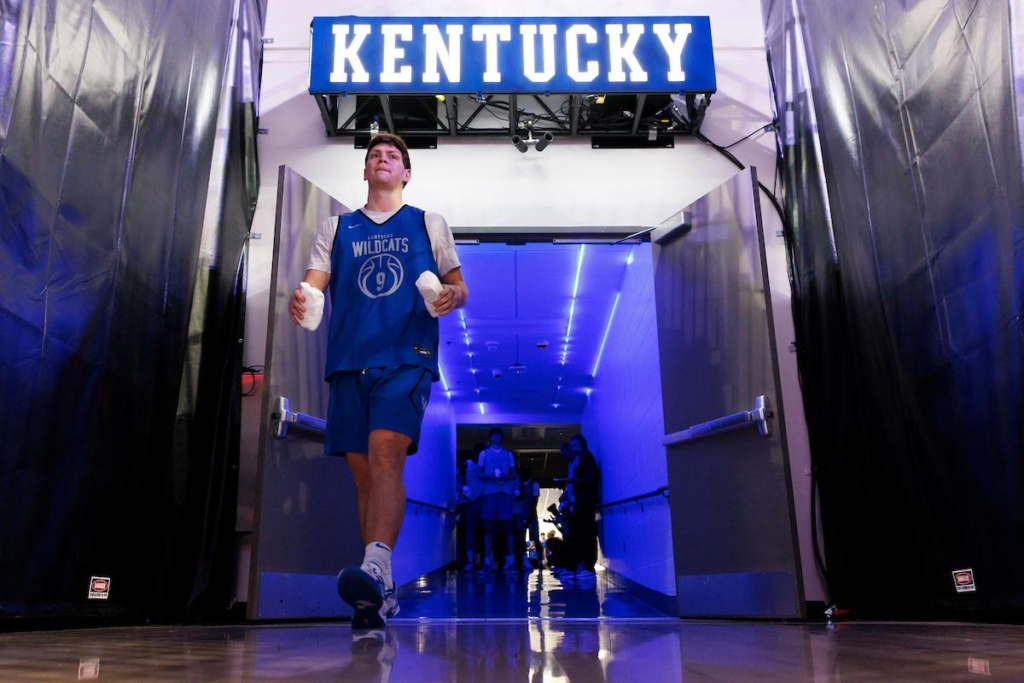
The Role of Modern Resources and Sports Science
Today’s NCAA programs provide resources that were unavailable to many athletes in previous generations.
Leading programs now invest heavily in:
- Sports science
- Performance analytics
- Nutrition planning
- Mental performance coaching
- Injury prevention
- Recovery technology
These resources help athletes maximize development while reducing injury risks.
For emerging talent, exposure to professional-level support systems can be invaluable.
Athletes learn how to:
- Monitor performance data
- Build recovery routines
- Improve nutrition habits
- Manage stress effectively
These habits often continue throughout their careers.
How NIL Has Changed the Development Landscape
Recent changes involving Name, Image, and Likeness (NIL) opportunities have added another layer to athlete development.
Student-athletes now gain experience managing personal brands and business relationships while still in college.
This environment introduces valuable lessons related to:
- Financial literacy
- Contract evaluation
- Public communication
- Social media management
- Professional networking
While NIL continues to evolve, it has created opportunities for athletes to gain real-world business experience alongside athletic development.
For many players, these lessons may prove highly beneficial regardless of future playing careers.
Why NBA Scouts Still Value NCAA Experience
Although scouting models continue to evolve, many professional evaluators still place significant value on NCAA experience.
College basketball provides extensive opportunities to evaluate:
- Competitive consistency
- Team-oriented play
- Leadership qualities
- Adaptability
- Work ethic
- Coachability
Professional organizations often seek evidence that players can succeed within structured systems.
NCAA basketball offers a large sample size of games, practices, and competitive situations that help evaluators make informed decisions.
Even when scouts prioritize athletic potential, they frequently examine how players respond to adversity and team responsibilities.
These factors are often easier to evaluate within the college environment.
Lessons That Extend Beyond Basketball
Perhaps the most overlooked aspect of NCAA basketball is its influence beyond sports.
Former players often credit their college experiences with helping them develop:
- Confidence
- Communication skills
- Work ethic
- Adaptability
- Leadership
- Emotional resilience
Many successful professionals in business, education, healthcare, media, and public service have backgrounds in college athletics.
The habits formed through years of structured competition frequently translate into long-term professional success.
The value of NCAA basketball should therefore be measured not only by professional draft selections but also by the broader impact it has on personal and career development.

Frequently Asked Questions
1. Why is NCAA basketball important for player development?
It provides high-level competition, coaching, academic support, leadership opportunities, and national exposure that help athletes grow both personally and professionally.
2. Do most NCAA basketball players become professionals?
No. Only a small percentage advance to major professional leagues, but many benefit from the education, networking, and life skills gained through college athletics.
3. How does NCAA basketball differ from professional development leagues?
NCAA basketball combines athletic competition with higher education, campus life, leadership development, and broader personal growth opportunities.
4. Why do NBA scouts still watch college basketball closely?
College programs provide extensive evidence of a player’s performance, teamwork, consistency, adaptability, and character over multiple seasons.
5. What role does coaching play in player development?
Coaches help athletes improve technical skills while also teaching leadership, discipline, communication, and decision-making.
6. How important is March Madness for player visibility?
Tournament performances can dramatically increase national recognition and provide opportunities to showcase abilities under pressure.
7. Has NIL changed college basketball?
Yes. NIL opportunities have introduced business, branding, and financial learning experiences that were previously unavailable to many athletes.
8. Can NCAA basketball help athletes outside of sports careers?
Absolutely. The skills developed through college athletics often translate into success in business, education, media, healthcare, and leadership roles.
9. What qualities do successful NCAA players typically develop?
Resilience, teamwork, communication, adaptability, accountability, and time-management skills are among the most common.
10. Why does NCAA basketball remain popular with fans?
Its combination of tradition, passionate fan bases, regional rivalries, emerging talent, and high-stakes competition continues to resonate with American audiences.
About the Author