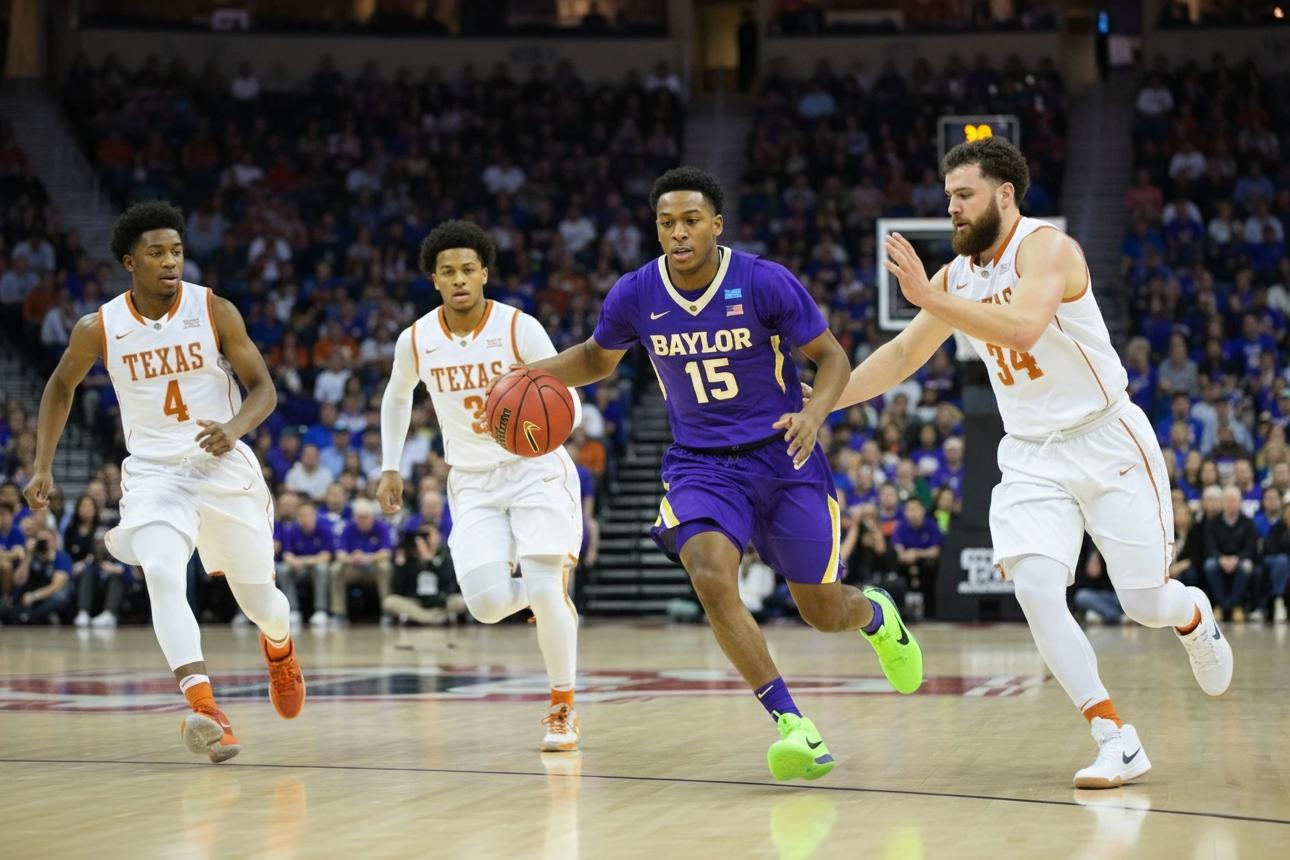
NCAA basketball is undergoing one of the most significant transformations in its history. The transfer portal, NIL opportunities, advanced analytics, changing recruiting strategies, and evolving roster construction are reshaping how programs compete and develop talent. Successful teams are increasingly balancing player retention, data-driven decision-making, and culture-building while adapting to a rapidly changing landscape that affects athletes, coaches, and fans alike.
The Modern Transformation of NCAA Basketball
College basketball has always been a reflection of broader changes occurring within sports. Over the past decade, however, the pace of change has accelerated dramatically. Programs that once relied on traditional recruiting pipelines and four-year player development models now operate in an environment influenced by player mobility, financial opportunities, technology, and increased competition for talent.
For decades, coaches focused primarily on recruiting high school prospects, developing them over several seasons, and creating continuity through experienced rosters. Today, roster management resembles professional sports more than ever before. Coaches must recruit high school athletes, evaluate transfer portal candidates, manage NIL considerations, retain current players, and adapt to annual roster turnover.
This evolution is not simply changing who wins games. It is fundamentally altering how programs are built and sustained.
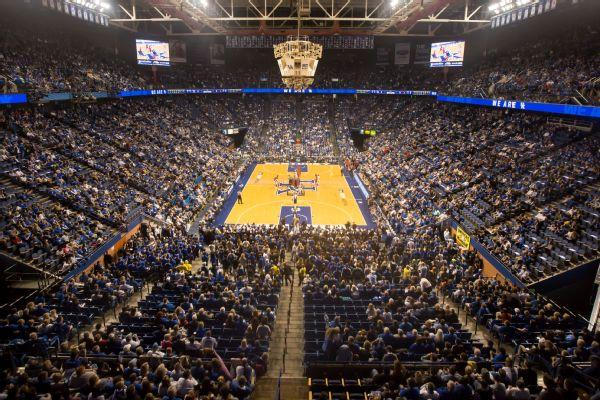
Why NCAA Basketball Looks Different Than It Did Ten Years Ago
Several major developments have converged to reshape the college basketball landscape.
The most significant factors include:
- The rise of the transfer portal
- Name, Image, and Likeness (NIL) opportunities
- Increased use of advanced analytics
- Expansion of player empowerment
- Growing emphasis on roster flexibility
- Enhanced sports science and performance technology
- Greater national recruiting reach through digital scouting
These trends have created a more dynamic and competitive environment where adaptability often matters as much as tradition.
Programs that quickly embrace change are frequently positioned to compete more effectively than those relying solely on historical success.
The Transfer Portal Has Changed Team Building
Perhaps no development has had a larger impact than the transfer portal.
In previous eras, coaches typically spent years developing players before seeing the full benefits. Today, programs can rebuild entire rosters within a single offseason.
The transfer portal has created a marketplace where teams can address immediate needs. A program lacking perimeter shooting can recruit experienced shooters. Teams seeking interior defense can target proven rim protectors. Coaches no longer need to wait multiple years for solutions.
This flexibility has dramatically altered roster construction strategies.
For example, many successful programs now combine:
- Veteran transfers
- Returning contributors
- Select high school recruits
- Developmental prospects
This hybrid approach allows teams to remain competitive while still investing in long-term player growth.
However, increased mobility also creates challenges. Coaches must work harder to retain talent and maintain team chemistry. Building relationships has become just as important as recruiting new players.
NIL Opportunities Are Reshaping Recruiting
The introduction of NIL rights has fundamentally changed college athletics.
Student-athletes can now benefit financially from endorsements, sponsorships, appearances, social media partnerships, and other opportunities tied to their personal brands.
Contrary to some assumptions, NIL is not solely affecting elite programs. Mid-major schools and emerging programs have also developed competitive NIL structures that attract talent.
Recruiting conversations increasingly involve discussions about:
- Brand-building opportunities
- Community engagement
- Social media growth
- Alumni support networks
- Local business partnerships
Athletes are evaluating programs through a broader lens than previous generations.
A recruit today may consider:
- Coaching quality
- Playing time opportunities
- Academic support
- Development pathway
- NIL potential
- Team culture
- Professional aspirations
Programs that provide a comprehensive environment often gain an advantage.
Importantly, NIL has encouraged many athletic departments to improve their support systems, helping athletes better understand personal branding, financial literacy, and career development.
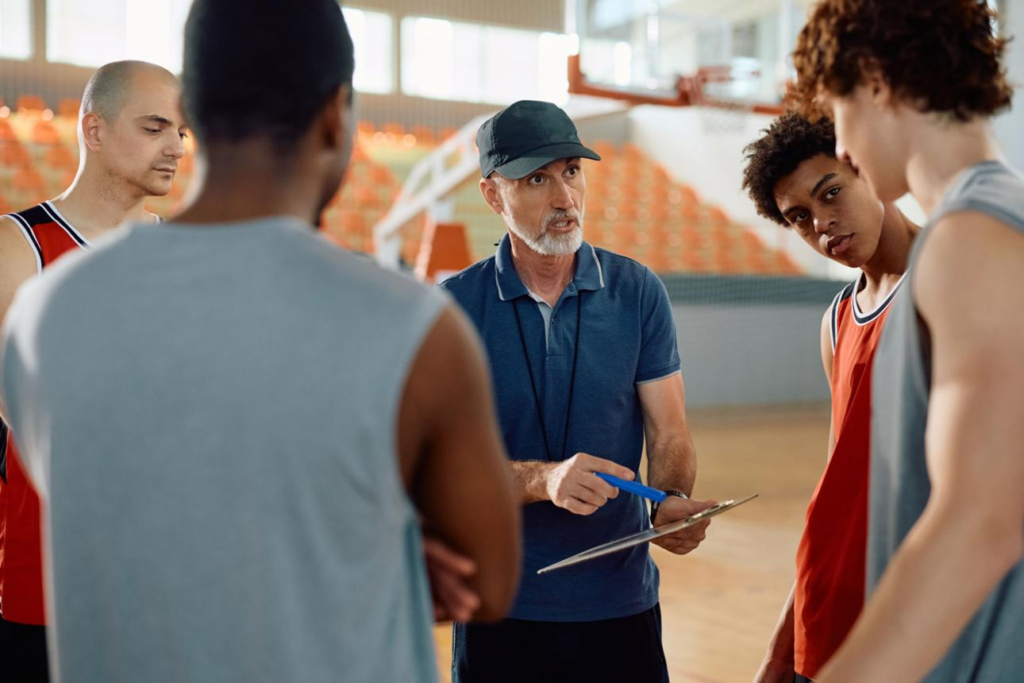
Data Analytics Is Influencing Every Major Decision
Analytics has become a cornerstone of modern NCAA basketball operations.
What began as simple statistical analysis has evolved into sophisticated performance modeling that influences nearly every aspect of the game.
Coaches now evaluate metrics such as:
- Effective field goal percentage
- Shot quality
- Pace efficiency
- Offensive rating
- Defensive rating
- Turnover rates
- Lineup performance data
Advanced analytics helps teams identify strengths and weaknesses that traditional statistics may overlook.
For example, a player averaging modest scoring numbers may still generate significant value through efficient shooting, defensive versatility, or lineup impact metrics.
Analytics also plays a critical role in recruiting.
Programs increasingly use data to:
- Evaluate player efficiency
- Project future development
- Identify undervalued prospects
- Assess transfer candidates
- Optimize roster fit
This analytical approach helps schools maximize limited recruiting resources while reducing uncertainty in player evaluations.
The Changing Nature of High School Recruiting
High school recruiting remains important, but its role has evolved.
Historically, top programs built their foundations around elite high school classes. Today, many coaches balance recruiting efforts between high school prospects and transfer portal talent.
As a result, recruiting evaluations have become more strategic.
Programs increasingly seek players who demonstrate:
- Basketball IQ
- Adaptability
- Competitive maturity
- Defensive commitment
- Long-term development potential
Rather than focusing exclusively on rankings, coaches often prioritize fit within their specific systems.
Many successful programs have discovered that culture alignment can be just as important as raw athletic ability.
The best recruiting classes today often consist of players whose strengths complement one another rather than simply accumulating the highest-ranked prospects.
International Recruiting Is Expanding Opportunities
Another notable trend is the growing influence of international recruiting.
Players from Europe, Australia, Africa, and other regions are contributing at increasingly high levels across NCAA basketball.
International prospects often bring:
- Strong fundamentals
- Positional versatility
- Team-oriented play
- Advanced skill development
Modern scouting technology has made global recruiting more accessible.
Video analysis, digital communication tools, and international scouting networks allow programs to identify talent worldwide.
This broader talent pool creates opportunities for programs willing to invest in international relationships and evaluation processes.
Player Development Remains a Competitive Advantage
Despite the rapid changes, player development continues to separate elite programs from the rest.
The best coaches understand that recruiting alone rarely guarantees success.
Programs that consistently improve players focus on:
Skill Development
Individual training plans address shooting mechanics, ball handling, finishing ability, defensive techniques, and positional skills.
Physical Development
Strength training, nutrition planning, recovery management, and sports science initiatives help athletes maximize performance.
Mental Performance
Many programs now incorporate sports psychologists, leadership training, and mental skills coaching.
Basketball Intelligence
Film study, game preparation, and tactical understanding remain critical components of development.
Programs that excel in these areas often outperform teams with superior recruiting rankings but weaker developmental systems.
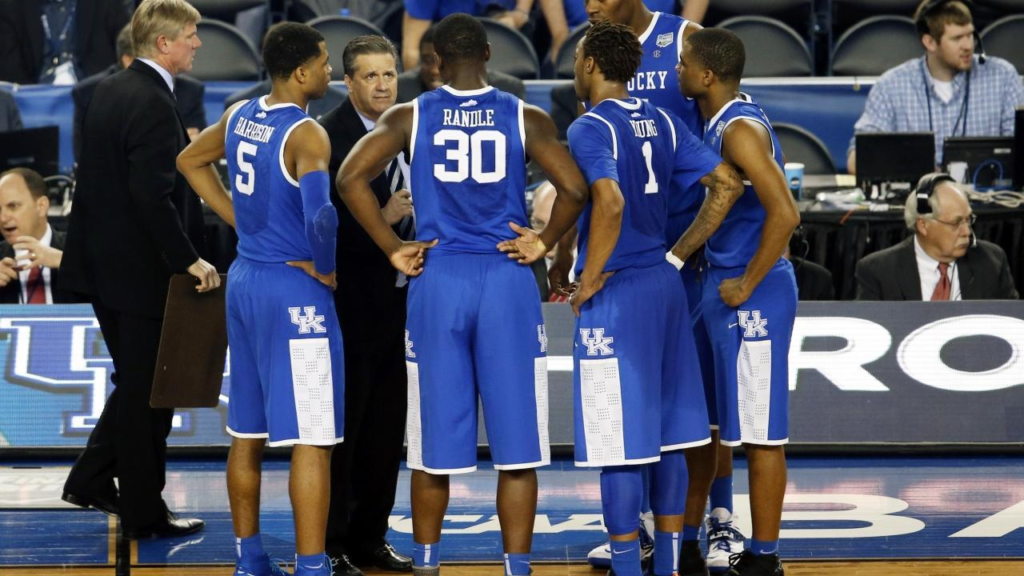
Technology Is Transforming Training and Evaluation
Technology has become deeply integrated into NCAA basketball operations.
Coaches now utilize:
- Wearable performance trackers
- Motion analysis systems
- Video breakdown platforms
- AI-assisted scouting tools
- Recovery monitoring technology
These resources provide insights that were unavailable even a decade ago.
For example, performance tracking systems can monitor workload and fatigue levels, helping reduce injury risk while optimizing training schedules.
Video technology allows players to review practices and games in unprecedented detail, accelerating learning and skill development.
The result is a more informed and efficient approach to coaching.
Culture Has Become More Valuable Than Ever
As player movement increases, culture has emerged as a critical differentiator.
Programs can no longer rely solely on long-term roster continuity. Instead, they must establish environments that encourage commitment, accountability, and teamwork.
Strong cultures typically feature:
- Clear expectations
- Consistent leadership
- Open communication
- Shared goals
- Player accountability
Teams with strong internal cultures often integrate transfers more successfully and maintain stability despite roster changes.
Many coaches argue that culture is now one of the most important competitive advantages available in college basketball.
Talent may attract attention, but culture frequently determines long-term success.
What Does the Future Hold for NCAA Basketball?
Several trends are likely to continue shaping the sport.
Future developments may include:
- Further evolution of NIL frameworks
- More sophisticated analytics integration
- Increased player mobility
- Expanded international recruiting
- Enhanced sports science applications
- Greater emphasis on athlete branding
- Continued adaptation of roster-building strategies
The programs most likely to thrive will be those capable of balancing innovation with foundational principles such as player development, coaching excellence, and team culture.
While the mechanisms of success may evolve, the importance of preparation, discipline, and effective leadership remains unchanged.
Frequently Asked Questions
1. What is the transfer portal in NCAA basketball?
The transfer portal is a database that allows student-athletes to explore transfer opportunities and communicate with other programs while maintaining eligibility under NCAA rules.
2. How has NIL changed college basketball recruiting?
NIL has introduced financial and branding considerations into recruiting, allowing athletes to earn compensation from endorsements and partnerships while in college.
3. Are high school recruits still important?
Yes. While transfers play a larger role today, high school recruiting remains essential for building long-term program stability and player development pipelines.
4. Why are analytics becoming so important?
Analytics provides deeper insights into performance, efficiency, roster fit, and strategic decision-making that traditional statistics may not capture.
5. How do coaches build team chemistry with so many transfers?
Successful coaches emphasize culture, leadership, communication, and clearly defined roles to help new players integrate quickly.
6. What role does technology play in NCAA basketball?
Technology supports scouting, player development, injury prevention, performance tracking, film analysis, and recruiting evaluations.
7. Are international players becoming more common?
Yes. Many programs actively recruit internationally to access a broader talent pool and add versatile skill sets to their rosters.
8. What skills are coaches prioritizing in recruits today?
Basketball IQ, adaptability, defensive commitment, versatility, maturity, and team-oriented play are increasingly valued.
9. Has player development become less important because of transfers?
No. Development remains one of the strongest predictors of long-term program success and competitive consistency.
10. What is the biggest challenge facing NCAA coaches today?
Balancing recruiting, roster retention, NIL management, player development, and culture-building simultaneously is one of the profession’s greatest challenges.
About the Author